










New frontiers of deterrence: why Lithuania and NATO are strengthening their nuclear posture Expert opinions on Caliber.Az
Lithuania's parliament has approved Mindaugas Sinkevičius as the country's prime minister, according to local media reports.
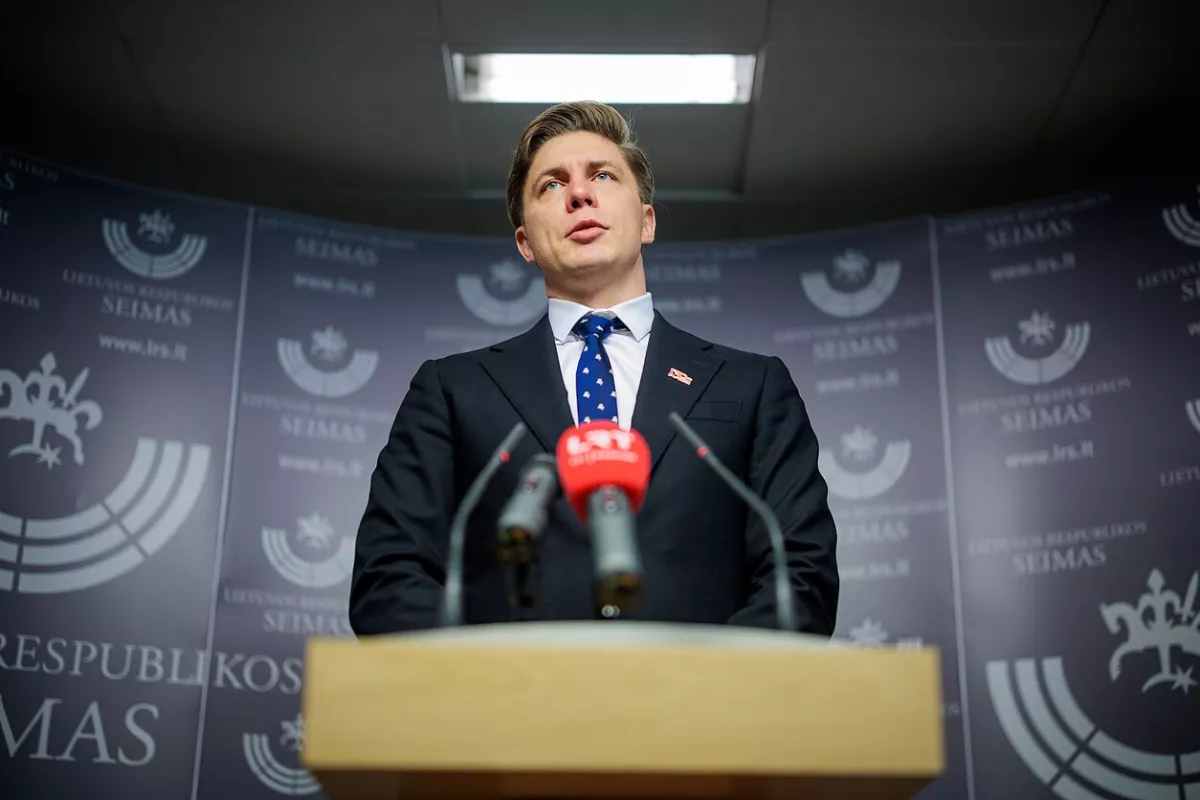
“I will strive to be a Prime Minister who unites rather than divides, who listens and is not afraid to make decisions,” Sinkevičius told lawmakers.
The new prime minister has 15 days to form a cabinet and prepare the government's program. Both the cabinet and the program must be coordinated with President Gitanas Nausėda and approved by the Seimas.
Sinkevičius has already made a number of statements outlining his future policy agenda, including the possibility of removing from the country's Constitution the provision that explicitly prohibits the deployment of nuclear weapons on Lithuanian territory. In his view, the current restriction is a relic of the past that should be abolished for the sake of “political correctness.”
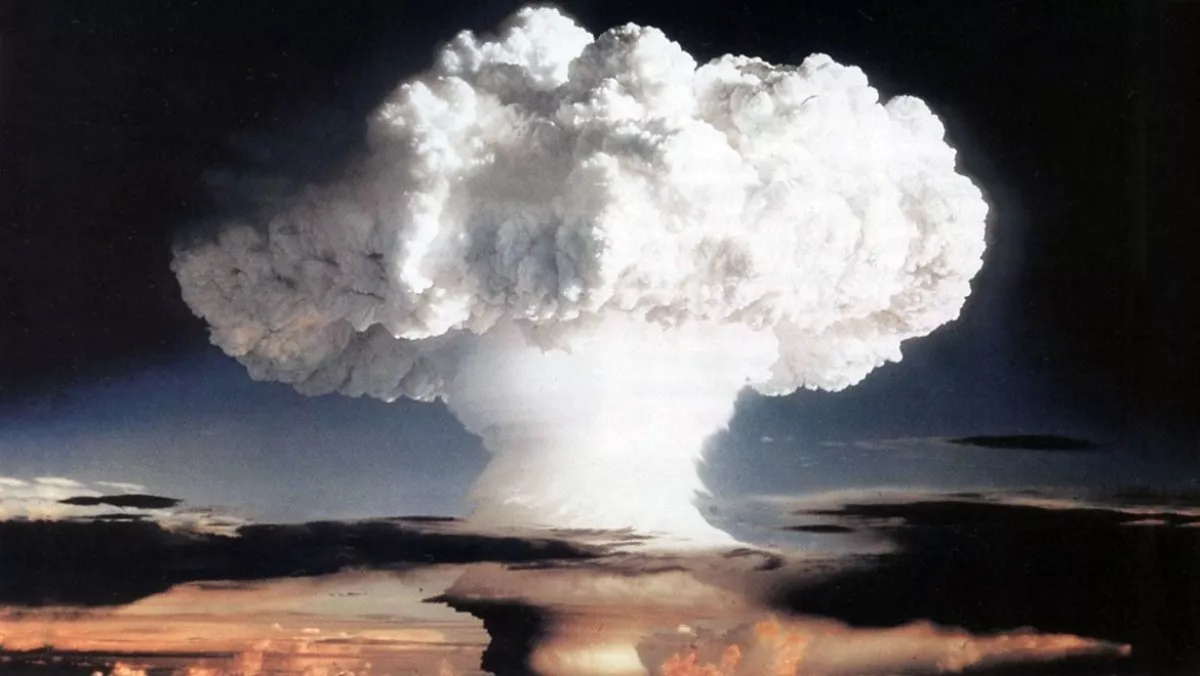
Sinkevičius emphasised that the constitutions of most neighbouring countries contain no such categorical provisions—they neither explicitly permit nor expressly prohibit the deployment of weapons of mass destruction (WMD).
This is not the first statement of its kind from the leadership of NATO's eastern flank. Previously, the leaders of countries such as Finland, Sweden, and Estonia also expressed their willingness to host their allies' nuclear weapons on their territories.
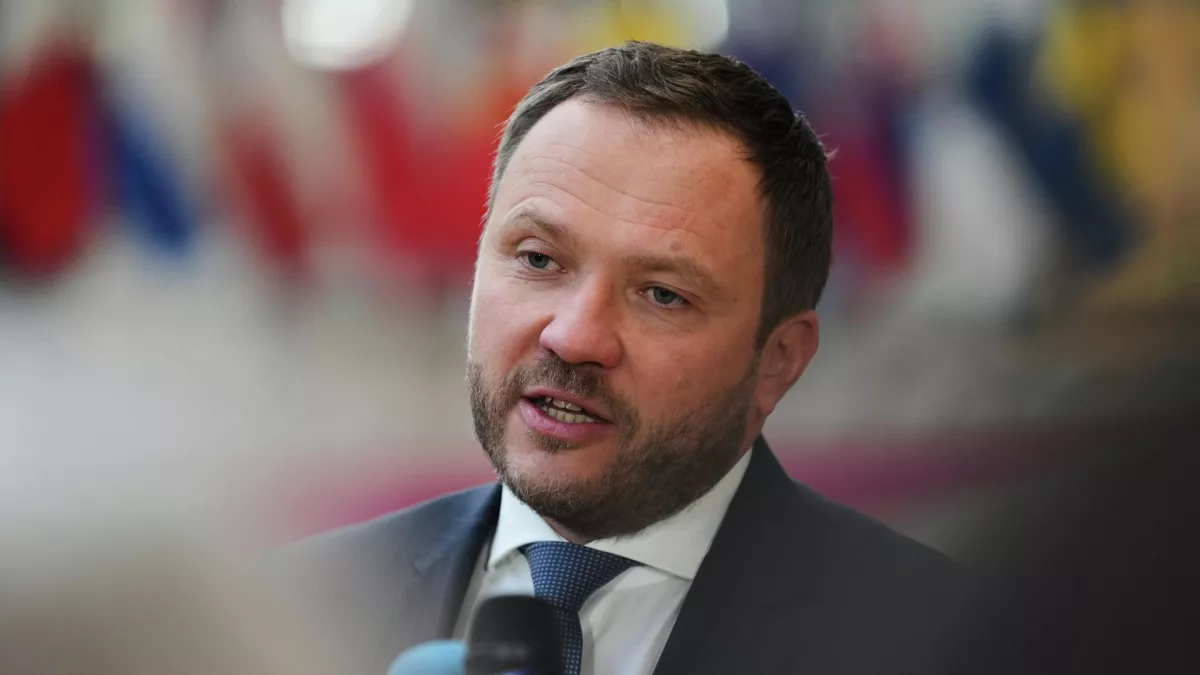
Estonian Foreign Minister Margus Tsahkna has stated that Tallinn has no doctrine that would preclude the deployment of nuclear weapons if NATO considers it necessary as part of the Alliance's defence plans.
Meanwhile, the Finnish Parliament has repealed the ban, which had been in force since 1987, on the import, storage, and transportation of nuclear weapons.
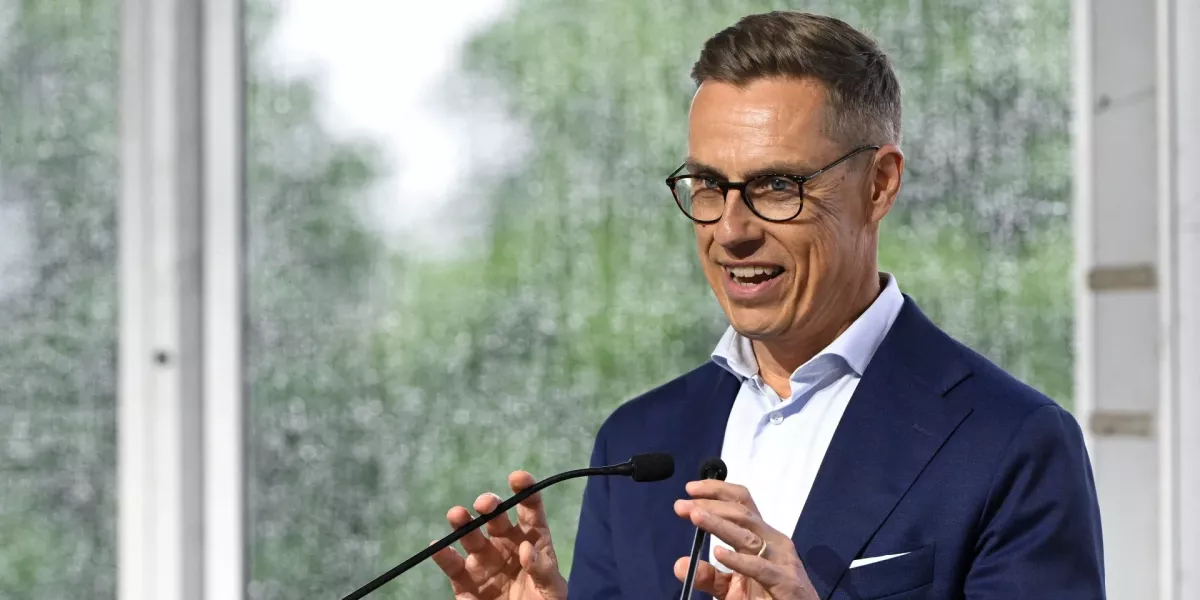
President Alexander Stubb approved the amendments, which entered into force on July 1. The country's leadership says that a nuclear arsenal is necessary for deterrence.
In Stockholm, officials at both the Ministry of Foreign Affairs and among political parties have also stated that the deployment of nuclear weapons could be considered in the event of a security threat.
What does this trend indicate? Perhaps the leaders of the Baltic states believe that the presence of WMD on their territory would provide a stronger guarantee against a sudden invasion from the east. In other words, nuclear weapons are being viewed as a form of security guarantee against aggression. But does it actually work that way in practice?
Caliber.Az put these questions to experts from the Baltic states.
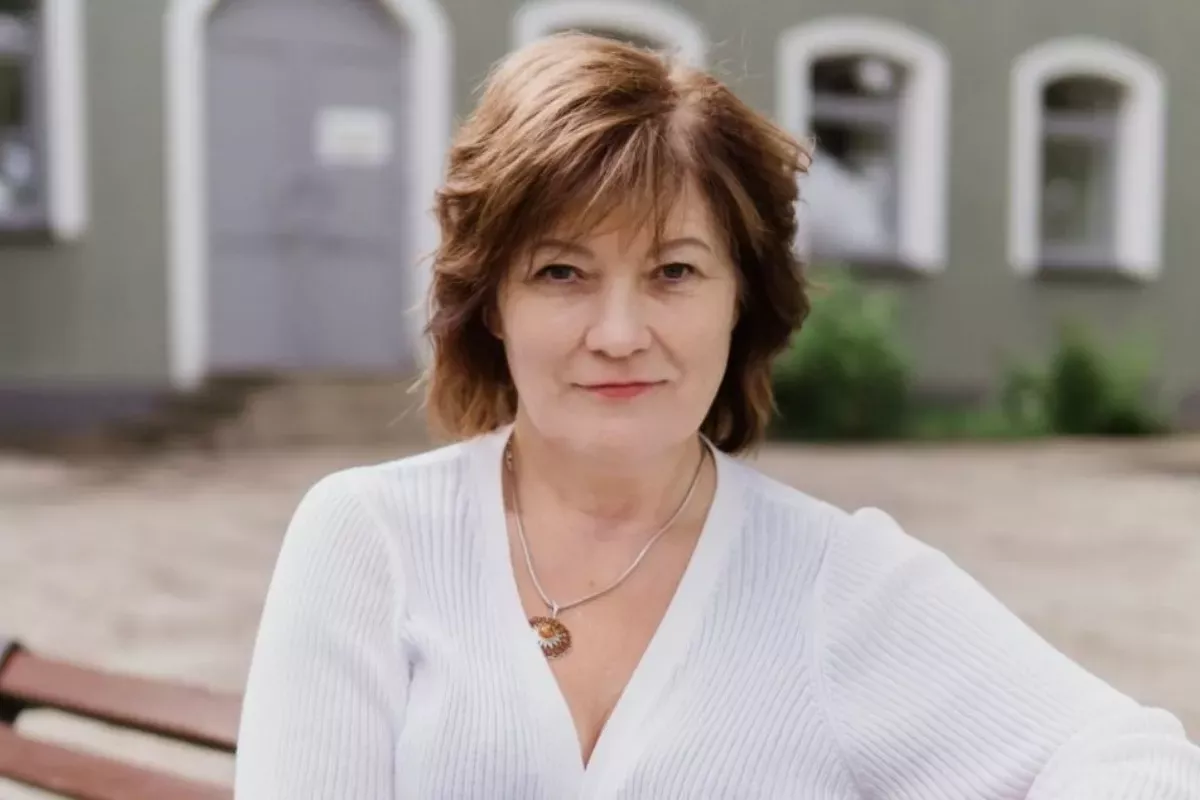
Ināra Groce, a member of the Rezekne City Council (Latvia), political scientist, and publisher and editor of Žurnāls A12, said that since the outbreak of the full-scale war in Ukraine, she has given considerable thought to the significance of the Budapest Memorandum.
"I have come to the conclusion that if Ukraine had retained its nuclear arsenal, the annexation of Crimea in 2014 would not have taken place. Moreover, Russia would not have dared to launch the current war, because nuclear weapons are the only factor that truly deters and frightens Putin. That is why I have come to view France's position on security issues with much greater respect.
I fear that if this conflict is not brought to an end, the world will inevitably face a new nuclear arms race. We are already witnessing not only discussions about nuclear weapons but also the active development of new military technologies and weapons systems. Although history often suggests otherwise, I still hope that world leaders will exercise common sense and that these developments will never be put into use," the council member said.
She added that the issue of deploying nuclear weapons is becoming increasingly relevant. For example, Finland is already working on the necessary legislation.
"In this context, I have high hopes for our new Minister of Defence, Raivis Melnis. His extensive experience working in Ukraine could bring many practical and alternative ideas to the ministry's work.
As for what could stop Russia, I believe the turning point will come when one of its key symbols is shattered—either the belief in the righteousness of this war or the cult of 'victory worship.' Russian society is now living through war and for war; they seem unable to exist otherwise, and because of that, everyone is put at risk. However, I believe that sooner or later both their faith in this war and the supply of available soldiers will be exhausted," Groce said.

Peeter Taim, an Estonian political scientist, noted that since atomic bombs were used against Japan, nuclear deterrence has generally worked up to the present day.
"Based on this fact, one could argue that it would be logical for countries neighbouring the Russian Federation to have nuclear weapons stationed on their territory as a means of preventing an attack. That is the first point.
The second point, however, is whether this would provide a genuine guarantee against a direct attack. It can be assumed that the presence of nuclear weapons would serve as a powerful deterrent.
On the other hand, in recent years we have heard numerous threats—both about possible conventional attacks and about nuclear strikes against nuclear-armed states. There have been repeated statements along the lines of, 'We will bomb Paris, Washington, Los Angeles...' and so on. Similar threats have also been made against the British Isles—by now, probably for the hundred-thousandth time.
So, the mere presence of nuclear weapons does not guarantee protection against either a nuclear or a conventional attack," the expert noted.
According to him, it is nevertheless important to take every possible measure to ensure security and, at the very least, psychological resilience.
"When you have a 'crazy neighbour,' you should always have some means of self-defence—whether it is a club, a revolver, or even a shovel—to fight back if they start breaking down your door. I believe the Baltic and Nordic countries are taking the right approach by establishing the necessary legal framework and considering the deployment of nuclear weapons on their territory.
I cannot criticise this. It is indeed a highly complex issue with no clear-cut answer, but I hope my reflections provide at least some insight into the situation," Taim concluded.







 editor@caliber.az
 +994 55 444-88-98
 Азербайджан, Баку, ул. Низами, 203, Af Business House, 5-й этаж