










Von der Leyen heads to the South Caucasus: what is Brussels seeking in Baku and Yerevan? Expert opinions on Caliber.Az
European Commission President Ursula von der Leyen will visit Azerbaijan and Armenia this week, spokesperson Paula Pinho said during a briefing in Brussels.
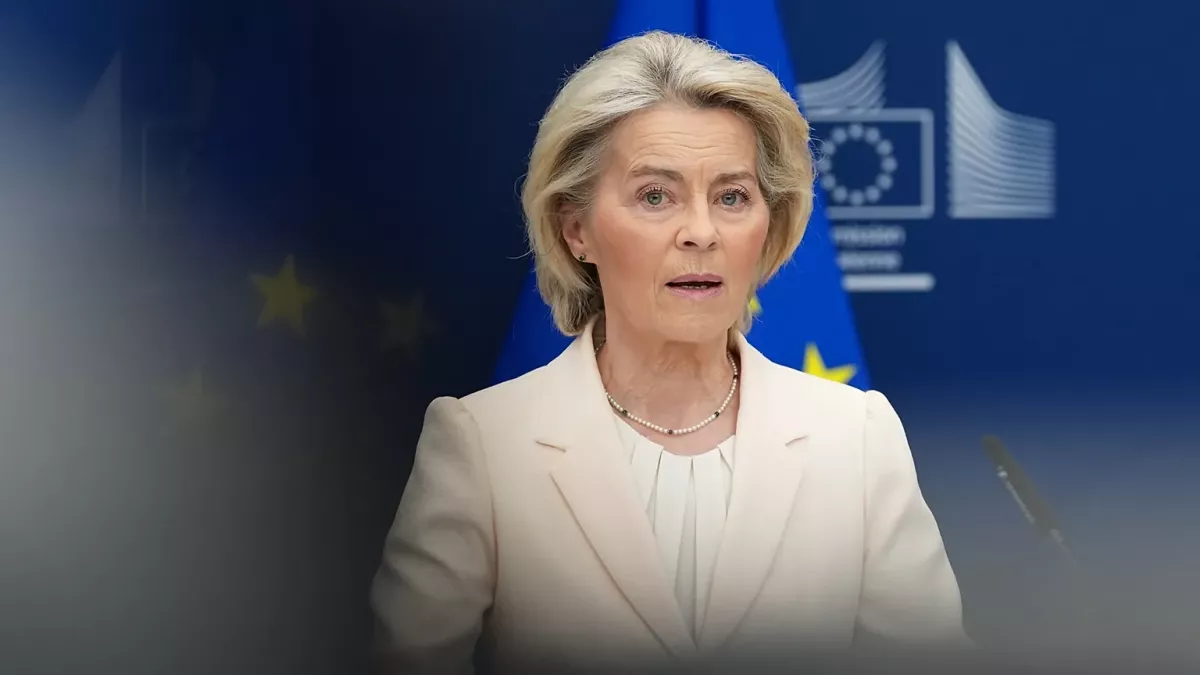
On July 1, the head of the European Commission will arrive in Baku and then travel to Yerevan. According to Pinho, the visit is intended to demonstrate the European Union’s commitment to strengthening partnerships in the South Caucasus and supporting the achievement of lasting peace between Azerbaijan and Armenia.
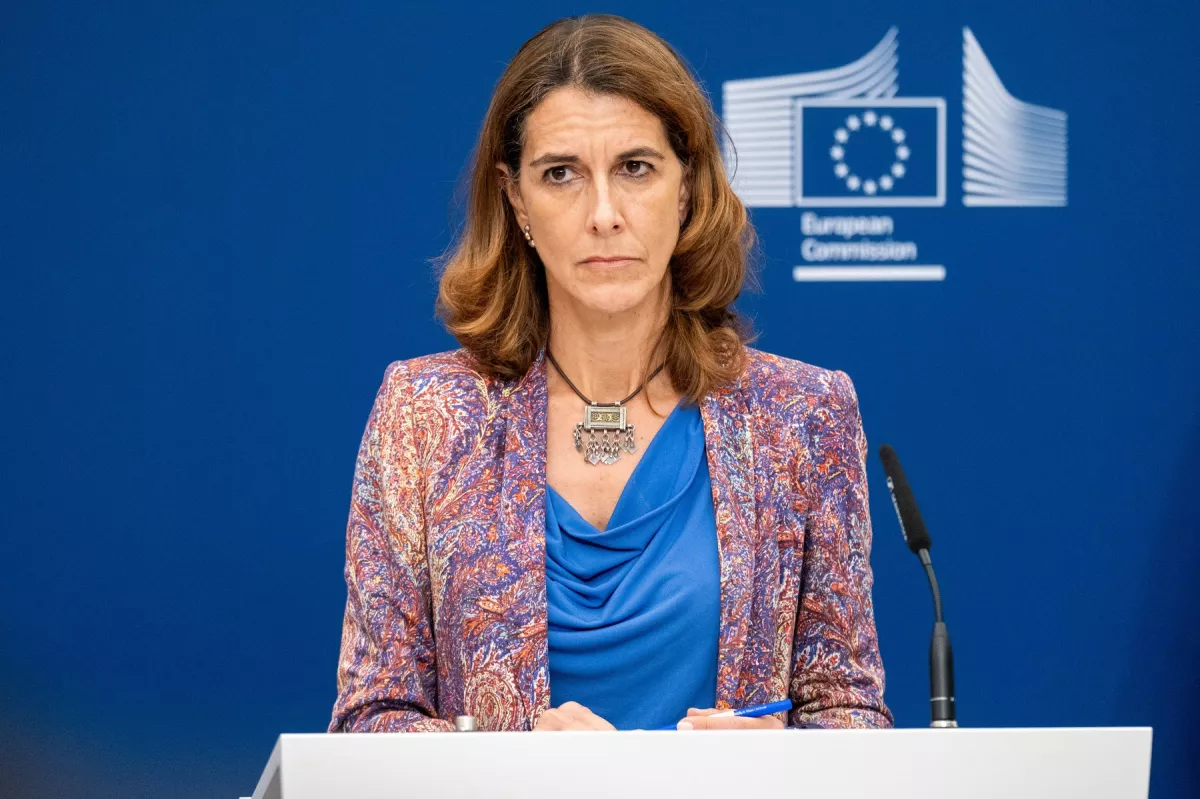
“Peace, transport connectivity, and economic integration will be the key themes of this visit. Particular attention will be paid to improving transport links between Europe, the South Caucasus, and Central Asia,” she said.
European media have already described the upcoming trip as a “Journey along the Silk Road”. According to sources, discussions will focus on changes in the regional balance of power and the development of transport connectivity, whose importance has increased amid the crisis in the Middle East.
In Baku, von der Leyen will hold talks with President Ilham Aliyev. The main topics will be increased supplies of Azerbaijani energy resources to Europe and cooperation on strategically important infrastructure projects.
This will be the first visit of the European Commission President to Baku since 2022, when the EU and Azerbaijan signed a memorandum on a strategic energy partnership. It is also von der Leyen’s first trip to the region following agreements between Baku and Yerevan on a peaceful settlement.
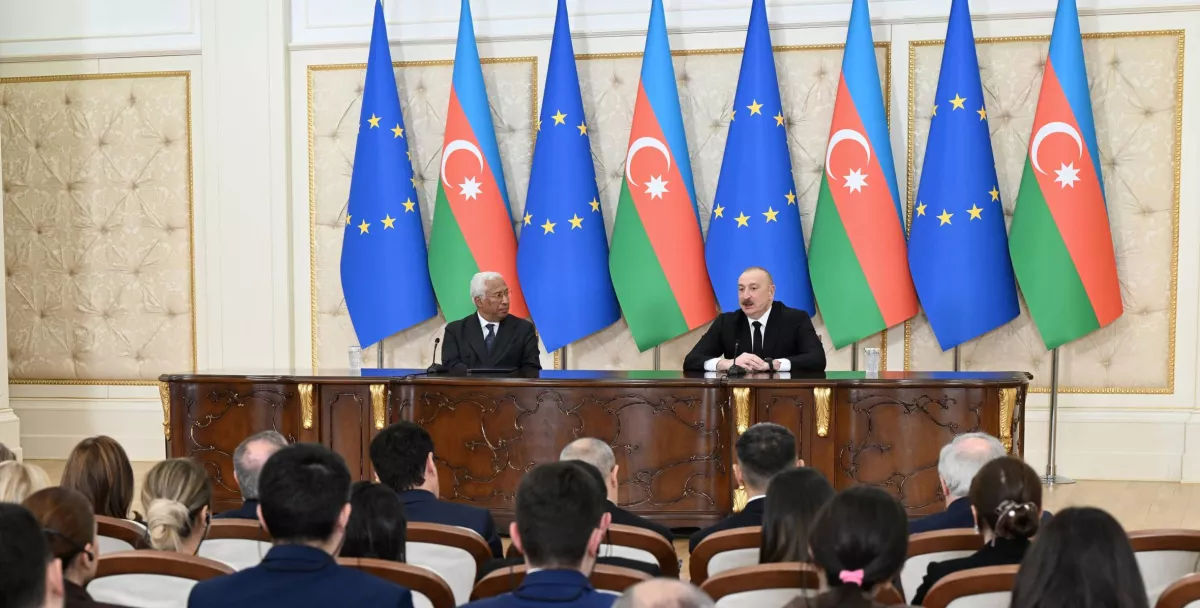
The visit continues the EU’s strategic dialogue with the South Caucasus and follows March talks between European Council President António Costa and President Ilham Aliyev in Baku. At that time, the sides confirmed work on a new framework agreement on cooperation in the fields of security, defence and digital technologies.
Today, Azerbaijani gas is supplied to 16 European countries, including ten EU member states. Italy remains the largest importer of Azerbaijani energy resources within the European Union.
Another key area of cooperation is the development of the Middle Corridor, which opens new transport routes between Europe and Asia via the South Caucasus.
The EU has already allocated more than €80 million for projects under the initiative, while the total planned investments in transport, energy and digital infrastructure exceed €2 billion.
In Yerevan, von der Leyen will hold talks with Prime Minister Nikol Pashinyan against the backdrop of the launch of a new EU support package for Armenia and the further development of relations between Brussels and Yerevan.
Thus, the visit of the head of the European Commission carries not only a political but also an economic message. The EU seeks to strengthen its presence in the South Caucasus, support the peace process between Azerbaijan and Armenia, ensure Europe’s energy security, and accelerate the implementation of transport and infrastructure projects linking Europe, the South Caucasus and Central Asia.
What interests and objectives does the head of the European Commission pursue in the region?
Experts shared their assessments with Caliber.Az on this matter.
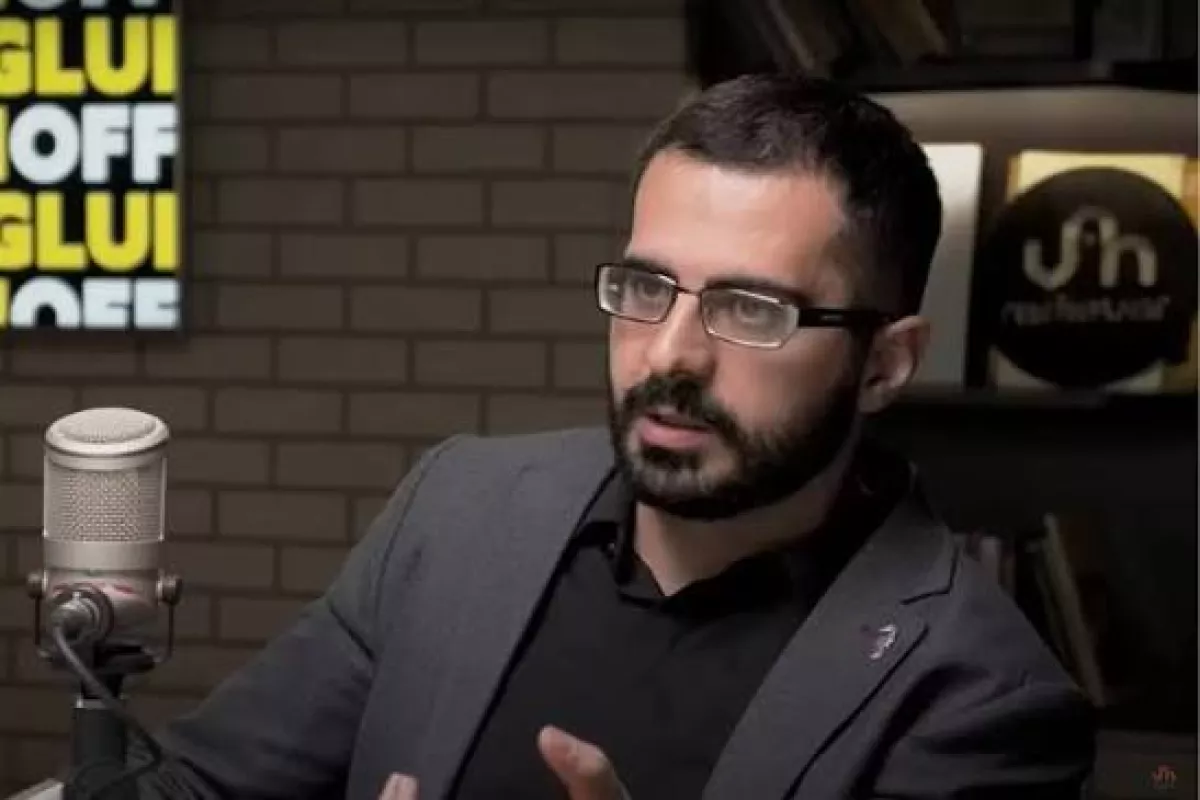
Associate expert at the Centre for Security Policy Studies and the Armenian Council, Samvel Meliksetyan, noted that, in his view, von der Leyen’s visit pursues several objectives.
“Firstly, it is linked to a new stage in EU–Armenia relations. The visit comes just two months after the European Political Community summit in Yerevan.
Thus, this is already Ursula von der Leyen’s second visit to Armenia in two months, and this time it also includes Azerbaijan. By comparison, the last visit of the President of the European Commission to the region — to Azerbaijan — took place in 2022, while she has never visited Georgia.
It is also important that the visit takes place after the parliamentary elections in Armenia. The victory of Nikol Pashinyan’s party, which — unlike its closest competitors from the Armenian opposition — supports the idea of further deepening relations with the EU, means that the uncertainty that existed before the elections has disappeared. Now Armenia and the EU can discuss not short-term steps, but a five-year framework for cooperation.
The visit also takes place against the backdrop of Russian restrictions on Armenian products and already announced EU support measures. Therefore, on the one hand, it reflects symbolic support for Armenia in these difficult times, and on the other, new decisions can be expected aimed at supporting the Armenian economy and mitigating the consequences of Russian pressure, which, it should be noted, is already being felt, especially by Armenian farmers producing flowers, fish products, fruits, etc. This refers to the practical implementation of so-called Autonomous Trade Measures, the removal of tariffs on a range of Armenian goods, and other support mechanisms.
The EU demonstrates its readiness to respond quickly to economic pressure on Armenia and is doing so in an unusually fast manner for it. This is largely the result of lessons learned from the experience of Georgia, Ukraine, and Moldova, against which Russia also used economic restrictions as a tool of political pressure, where the EU’s response was generally more delayed,” the researcher explained.
Secondly, he continued, the simultaneous visit to Azerbaijan and Armenia reflects the EU’s strategic vision for the entire South Caucasus.
“This cannot be viewed outside the broader policy of building transport connectivity between the EU, the South Caucasus and Central Asia, which European policymakers have been increasingly discussing over the past two years, including after the European Union–Central Asia summit in Samarkand.
The launch on June 23 in Brussels of the Connectivity Agenda Platform, which included representatives of the South Caucasus and Central Asian countries, shows that the EU is gradually moving from discussions to the practical implementation of infrastructure projects under the Global Gateway initiative in this direction. This reflects competition between global players — the US (TRIPP), China (Belt and Road Initiative), Russia (North–South), and others.
At the same time, Brussels has long assumed that full connectivity between Europe and Central Asia is impossible without unblocking communications between Armenia and Azerbaijan, as well as between Armenia and Türkiye.
The EU seeks to turn the South Caucasus into a reliable logistical bridge between Europe and Central Asia. Without Armenian–Azerbaijani settlement, this process remains too risky, especially considering the vulnerability of existing routes through Georgia, where key road and rail communications run in close proximity to the zone of Russian occupation in South Ossetia (around 350 metres — European route E60 and about 8.5 km — the Baku–Tbilisi–Samtredia main railway line).
Thirdly, the visit to Azerbaijan reflects the EU’s understanding that Azerbaijan, due to its geographical position, plays a key role in implementing this strategy. For Brussels, this is not only about Azerbaijani energy resources, but also about Central Asian resources whose route to Europe also passes through Azerbaijan.
Therefore, attention to Baku is simultaneously an acknowledgement of its key role in the Middle Corridor and an attempt to give additional momentum to the peace process with Armenia. Sustainable peace between Armenia and Azerbaijan is not only a political goal but also a necessary condition for implementing large infrastructure and investment projects.
I do not exclude that during the visit, new major investments in connectivity projects may be announced both in Azerbaijan and Armenia, as well as other economic initiatives of mutual interest,” Meliksetyan concluded.
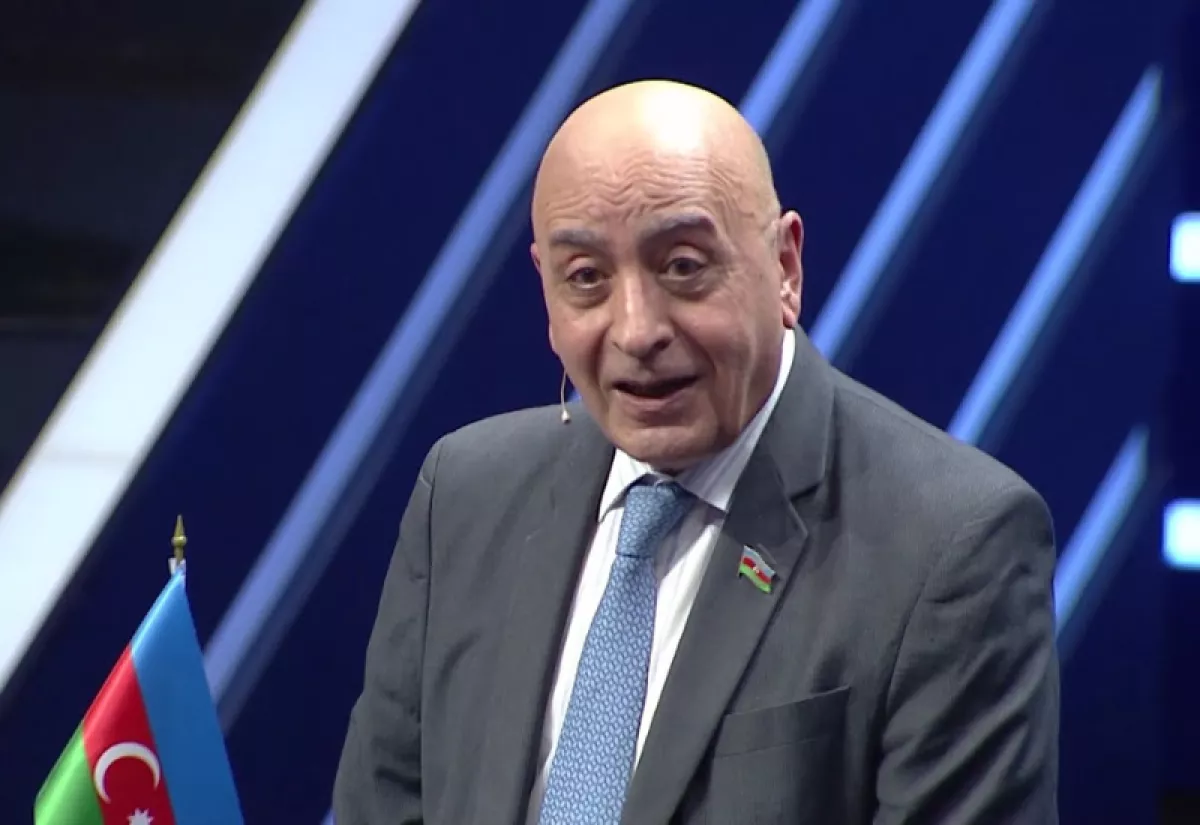
Azerbaijani MP and political analyst Rasim Musabayov stated that if the goal of the visit is to increase the supply of energy resources from the Caspian basin to Europe and promote the Middle Corridor, then the key country in this process is Azerbaijan, not Armenia.
“Armenia is merely a complement to Azerbaijan and Türkiye: only a small section of the route will pass through its territory, whereas 90% of South Caucasus transport infrastructure is concentrated in Azerbaijan. Both on its own territory and in Georgia, Azerbaijan has financed the expansion of transport routes, increased transit speeds, built a new port in Alat, and modernised railways,” the expert said.
He recalled that Azerbaijan allocated $1 billion for the construction and modernisation of the Baku–Tbilisi–Kars railway, while the European Union has so far limited itself mainly to verbal support.
“To attract loans for increasing gas production and expanding pipelines, long-term contracts are necessary. In the absence of guarantees, when Europe can at any moment declare that it no longer needs gas, no one will invest enormous funds in infrastructure development. If von der Leyen’s visit is not accompanied by concrete proposals, Azerbaijan will continue to operate in its usual mode.
The actual buyers of Azerbaijani gas already exist: Italy and Balkan countries are ready to cooperate within the volumes they can contract. Azerbaijan is confident in the long-term nature of this cooperation and is prepared to proceed accordingly.
As for Turkmen gas and the Trans-Caspian Gas Pipeline, the EU needs to ‘roll up its sleeves’ and provide financial and political support to the project. Azerbaijan is ready to provide its territory for transit but does not intend to take on the main financial obligations for implementing such projects. The productivity of the upcoming talks will become clear after the meeting,” Musabayov concluded







 editor@caliber.az
 +994 55 444-88-98
 Азербайджан, Баку, ул. Низами, 203, Af Business House, 5-й этаж