










Katz draws “red lines”: Israel and Iran once again on the brink of confrontation Expert opinions for Caliber.Az
On June 29, Israeli Defence Minister Israel Katz stated that the country is preparing for a possible resumption of war with Iran, developing its own operational plan.
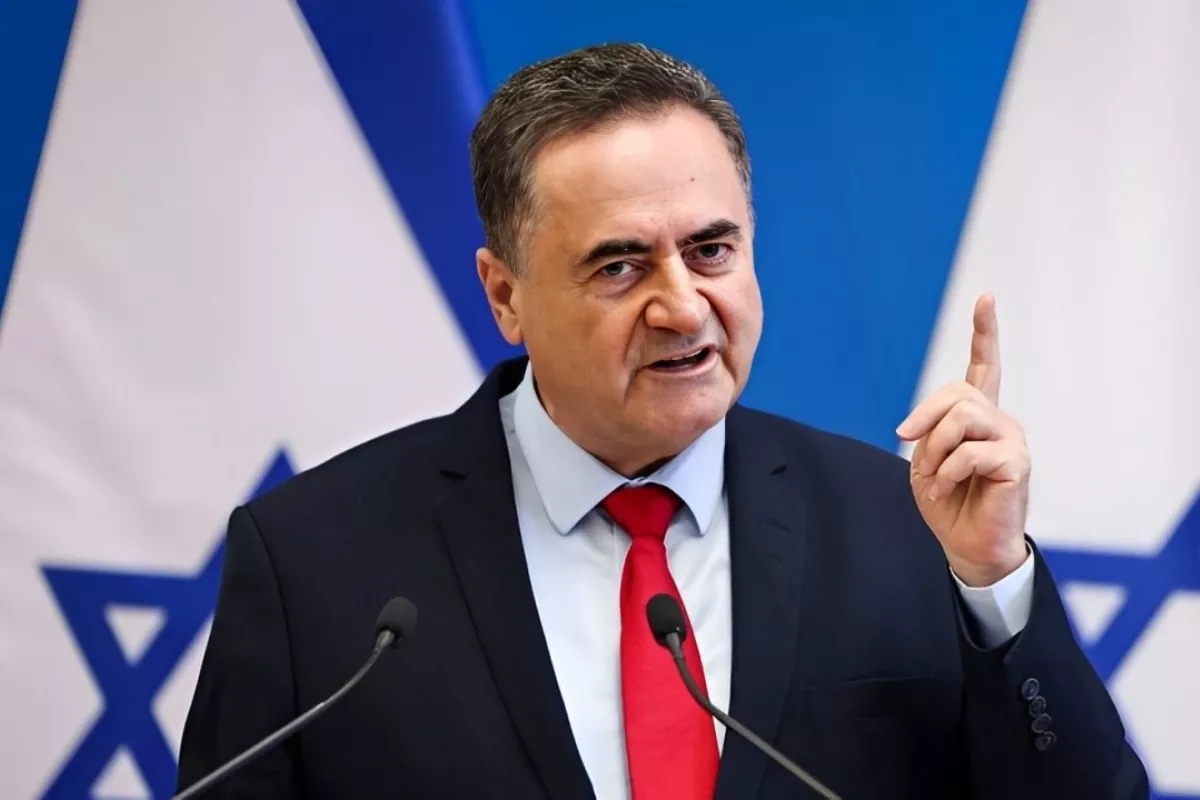
The IDF has been instructed to prepare for an independent operation against Iran. According to Katz, war with Iran could resume at any moment. For example, if Iran launches missiles at Israel, a powerful retaliatory strike will follow.
“If Iran fires missiles at Israel, Israel will strike Iran with force [...] There is no equation we will accept in which Iran fires at Israel,” the defence minister said.
He also noted that the army is prepared for both defensive and offensive operations and maintains a target bank for potential strikes.
Katz stressed that Israel does not intend to obstruct initiatives by US President Donald Trump, but in matters of self-defence “there will be no compromises — neither in Lebanon nor in Iran.”
Speaking about Lebanon, the defence minister stated that Israel will not withdraw from the security zone and will continue operations against Hezbollah. If Hezbollah opens fire on Israeli population centres, Israel will strike Beirut’s Dahiya district.
Addressing Gaza, Katz also said that Israel will seek the disarmament of Hamas. If the group fails to meet the terms of an agreement, Israel will “finish the job itself.”
The defence minister emphasised that Israel will not withdraw from security zones in Gaza, Lebanon, and Syria “until the threats posed by armed groups operating there are eliminated.”
How great is the risk that someone might lose their nerve today, launch a strike against Israel, and that war in the Middle East could resume at full intensity?
Famous analysts agreed to answer these questions for Caliber.Az.

Israeli military expert and author of the military-analytical YouTube channel Sergey Auslender noted that the situation looks as follows: the Israeli army is insisting on the resumption of hostilities in Gaza, arguing that the disarmament of Hamas is effectively equivalent to its destruction.
“The political leadership is not giving such an order for now, as the current status quo suits the United States.
This status quo implies a cessation of active warfare in Gaza, which allows attention of the global public to be diverted away from the region and certain issues to be addressed. At present, Hamas is attempting to rebuild itself, while Israel controls up to 70% of the Gaza Strip.
As for Lebanon, the security zone there also remains under Israeli control.
Regarding Iran, there is a possibility that it could carry out a strike or threaten one in exchange for certain political or other gains, so that these benefits outweigh the possible risks. Essentially, this is an attempt to ‘trade aggression’. However, Israel has clearly stated that in response to any strike it will act independently, regardless of Washington’s position, and will deliver significantly more powerful strikes against Iran than before.
Overall, the probability of a resumption of hostilities can be assessed as medium-high: it is not 100%, but it is quite significant,” Auslender believes.
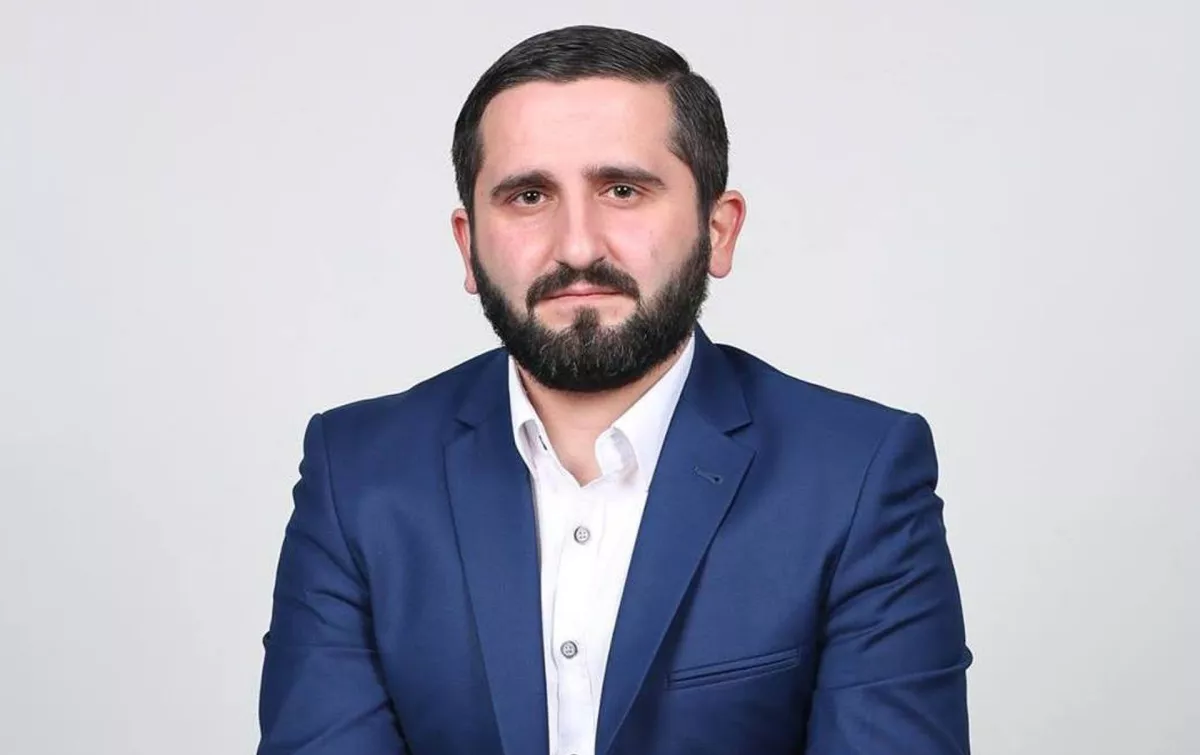
Middle East specialist and Georgian political analyst Vasily Papava stated that, amid the rapidly changing security architecture in the Middle East, Israel is shifting towards a doctrine of strategic autonomy, seeking to neutralise threats before they reach a critical stage.
“Through Defence Minister Israel Katz, the country has clearly outlined its position: the state is ready for an independent large-scale operation against Iran and is no longer willing to tolerate rocket fire on its territory. This statement reflects not merely political rhetoric, but concrete military preparations, supported by the fact that the Israel Defense Forces are already engaged in an active planning phase. The IDF has received direct instructions to prepare strikes against key Iranian facilities, while possessing an up-to-date and detailed target bank. Such an uncompromising stance is explained by the long-term perception of Iran as an existential threat, especially in the context of the development of its nuclear programme and ongoing support for regional proxy groups.
Expanding on this strategy, Katz simultaneously outlined strict ‘red lines’ across several directions. Regarding Lebanon, Israel categorically refuses to withdraw from the established security zones and reserves the right to carry out powerful strikes on the southern districts of Beirut, in particular the Dahiya area, in the event of any attacks on Israeli population centres. This approach demonstrates a departure from previous diplomatic constraints in favour of a policy of direct deterrence. A similar logic is being applied to the Gaza Strip, where the complete disarmament of Hamas remains a priority.
In the event of non-compliance with the terms of any current agreements, the Israeli army is prepared to complete the operation on its own, without regard for external mediators. An important addition to this course has been the firm intention to maintain operational control over security zones in Gaza, Lebanon, and Syria until the complete neutralisation of threats posed by armed groups. This confirms a shift towards a strategy focused on the systematic long-term weakening of the entire hostile environment, rather than achieving only temporary and often fragile ceasefires,” the expert shared his view.
Nevertheless, he says, this complex equation still contains a factor of unpredictability.
“The threat of spontaneous escalation, when ‘someone’s nerves fail’, remains, although in the medium term it appears manageable. Iran and its proxies — Hezbollah, Hamas and others — are currently in a vulnerable position after recent exchanges of strikes: their infrastructure has been significantly weakened, stocks of precision-guided weapons have been depleted, and direct involvement in a large-scale war carries enormous internal and external risks for the regime in Tehran. In these circumstances, Israel demonstrates a high degree of readiness, maintaining necessary restraint and not seeking to interfere with the diplomatic efforts of the Trump administration, while at the same time retaining full freedom of action in the sphere of self-defence.
The most dangerous trigger in this configuration remains a random or provoked rocket launch, which Israel would inevitably interpret as casus belli. In an environment of mutual distrust, the likelihood of such an incident remains high, especially if radical elements within armed organisations decide to derail possible negotiations.
However, key players, including Iran itself, already have experience of previous severe confrontations and realistically assess the cost of a full-scale war. Israel possesses a significant qualitative superiority in intelligence, air defence, and strike capabilities, which makes any attempt at large-scale aggression an extremely risky and likely self-destructive undertaking for its opponents.
In the end, the current situation is characterised by Israel’s high level of readiness for decisive pre-emptive action, while still preserving room for diplomacy under US auspices.
Such balancing on the edge helps prevent an immediate explosion of the situation. A full-scale resumption of war does not appear inevitable in the coming weeks; however, the fragile nature of ceasefires and the presence of multiple armed actors with differing interests make the region extremely volatile. Any serious provocation could quickly trigger a chain reaction, especially if Tehran perceives a direct threat to its political regime or to critical nuclear facilities,” Papava warned.







 editor@caliber.az
 +994 55 444-88-98
 Азербайджан, Баку, ул. Низами, 203, Af Business House, 5-й этаж