










Diplomatic solitaire Zelenskyy’s message and Putin’s response
One of the most notable informational and political events of recent days has been Volodymyr Zelenskyy’s open letter to Vladimir Putin, which has sparked widespread resonance and generated numerous comments from Russian, Ukrainian, American, and European politicians, as well as political analysts and journalists. Opinions are divided: some view the letter as a successful political move by the Ukrainian president, while others, on the contrary, dismiss it as ineffective, pointing to the questionable style of the message. In our view, it is appropriate in this situation to rely on facts and to conduct a sober analysis of what is happening in the context of more than four years of full-scale Russian–Ukrainian war.
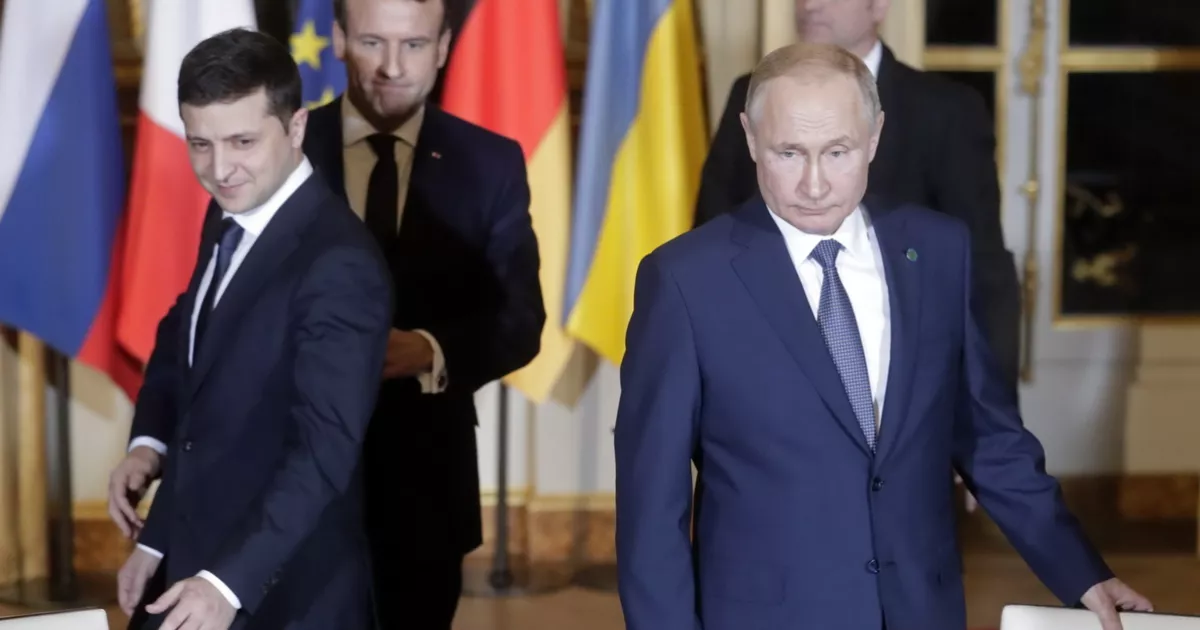
So, let us begin with the fact that Volodymyr Zelenskyy and Vladimir Putin have met in person only once — at the Normandy Four summit in Paris in December 2019. That meeting became an important political episode and was widely discussed in the media.
At that time, there were indeed widely circulated images showing Zelenskyy, to put it delicately, reacting in a rather emotional manner during Putin’s speech. These images were later repeatedly interpreted as symbolic and politically significant. It is quite logical that such visual impressions, regardless of how they are interpreted, did not go unnoticed by the Russian side, which, according to some observers, may have influenced subsequent Kremlin decisions regarding the Ukrainian track.
In the context of discussions about the negotiation process and possible political promises, statements by former Ukrainian officials are also often recalled. For instance, former Head of the Office of the President of Ukraine Andriy Bohdan, in September 2020 in an interview with Dmitry Gordon’s project “Visiting Dmitry Gordon,” claimed that in bilateral contacts the Russian president allegedly showed a respectful attitude towards Zelenskyy, and noted the following: “From what I see today, it seems to me that we seriously deceived him (Putin — ed.). We promised one thing — and did nothing.”
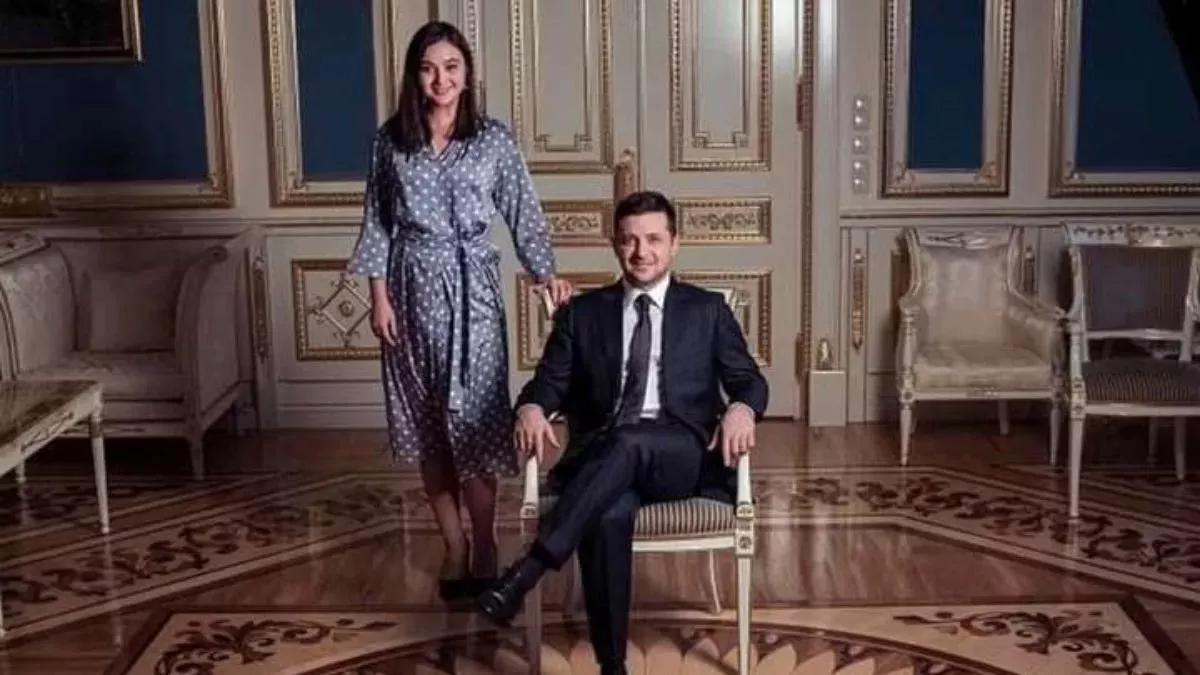
Later, similar theses were further developed by former Ukrainian presidential press secretary, Iuliia Mendel, who stated in an interview with American journalist Tucker Carlson that in 2019, at the Paris meeting, Volodymyr Zelenskyy allegedly personally promised Vladimir Putin that Ukraine would “never join NATO.” Mendel emphasised that this was a private conversation between the leaders within the framework of the “Normandy format,” and that she was part of the narrow circle of its participants. According to her, the Ukrainian president at the time proceeded from the assumption that the country had no real prospects for joining the Alliance.
In this context, it is worth noting that even today, representatives of leading European states and the leadership of the North Atlantic Alliance consistently state that Ukraine’s accession process to NATO is complex, long-term, and requires significant institutional transformations.
Of particular interest is the evolution of Volodymyr Zelenskyy’s rhetoric regarding possible negotiations with the Russian leadership. In particular, in December 2022, in an interview with the French television channel LCI, he stated the following: “I know that some are proposing to sit down at the negotiating table with him (Putin), but I don’t know what we should discuss.” In January 2023, in an interview with Sky News, when asked about a possible meeting with the Russian president, he said, “It is not interesting for me. Not interesting to meet, not interesting to speak.”
Further. Speaking at a UN Security Council meeting on the sidelines of the UN General Assembly in September 2024, the Ukrainian leader emphasised that the conflict “cannot be stopped simply through negotiations” and that concrete actions are required, formulating the following thesis: “Russia can only be forced into peace.” At the same time, the question today — “Is Kyiv capable of forcing Moscow to accept peace on its own terms?” — remains rhetorical.
Continuing this line of thought, it should be recalled that in some interviews, Zelenskyy has used extremely harsh expressions toward the Russian leadership. In an interview with The Economist in January 2024, he stated that “Putin feels weakness like an animal, because he is an animal. He senses blood, he senses his strength. And he will eat you for dinner with all your EU, NATO, freedom, and democracy.”
In addition, his public discourse has included emotional epithets directed at Putin such as “inadequate,” “deaf,” “mammoth,” and others. Such rhetoric has undoubtedly not gone unnoticed by the Russian side and has significantly intensified the level of political and emotional confrontation between the two countries. Against this background, a natural question arises: “How realistic are negotiations between leaders in conditions of such deep mutual delegitimisation of each other’s images?”
Against this entire backdrop, the key element becomes Zelenskyy’s open letter to Putin itself, in which he proposes setting a date for a possible meeting. From the perspective of the logic of the Ukrainian president’s previous statements, this move appears ambiguous and has generated different interpretations.
A sceptical view, expressed by former Verkhovna Rada deputy Boryslav Bereza, suggests that the letter does not motivate the Russian side to engage in negotiations, as it may be perceived as a sign of weakness or political pressure.
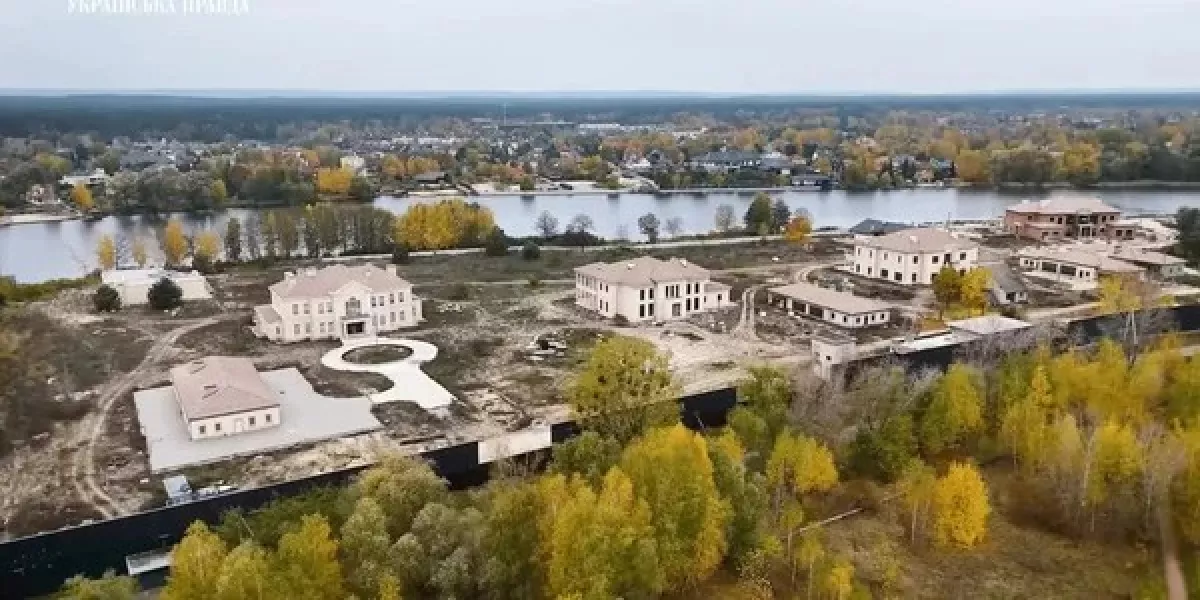
He also highlighted a domestic political dimension. In a Facebook post, Bereza noted that such informational events can serve to shift public attention away from sensitive internal issues: “Public attention has once again been redirected. If you want answers to the question of who ‘Vova’ is, for whom a house is being built in ‘Dynasty’ near Andriy — you will get nothing. Discuss the letter. If you want answers about the terms of military service and where to find money to increase soldiers’ salaries — discuss the letter. If you want answers about the government’s plan for ending the war, or where our ballistic missiles are — you are asking too much. Discuss the letter. And there will be no answers to any other questions, just as there will be no honest conversation with society about painful issues.”
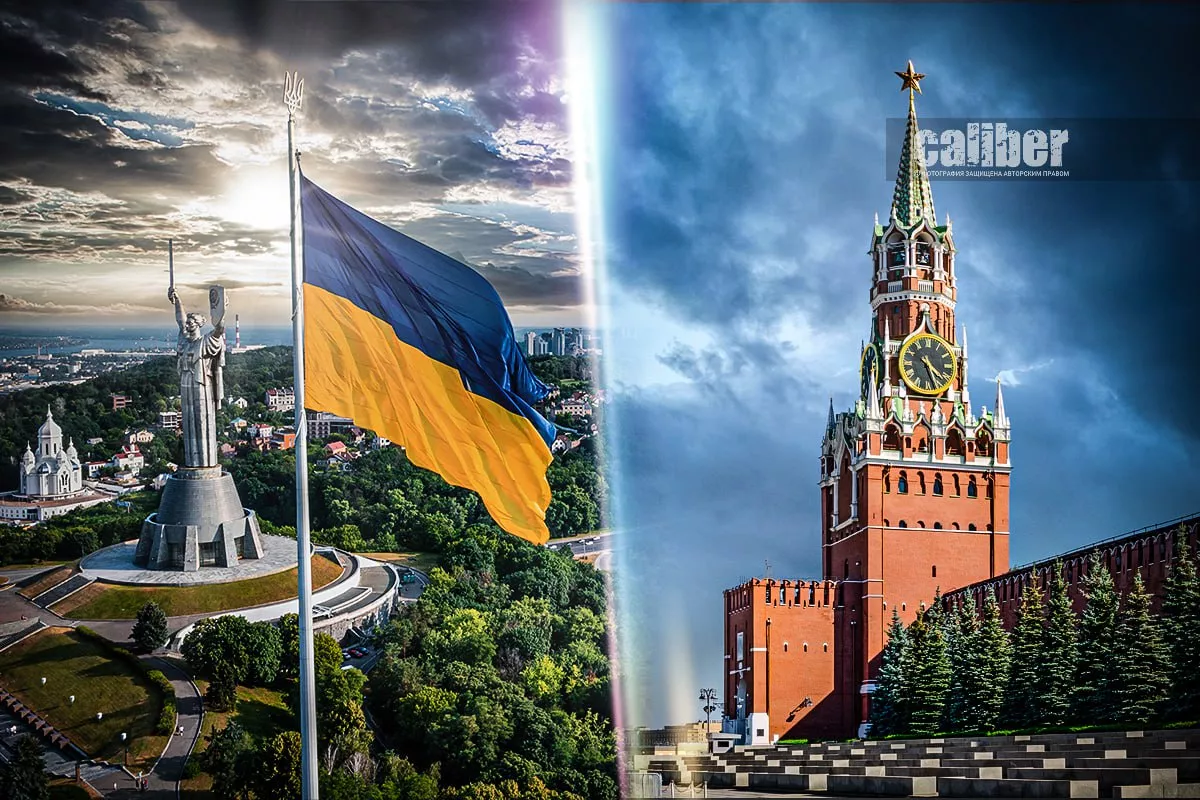
And to be frank, it is difficult to argue with the above view, especially since the core question from a practical standpoint is the following: “What objectives did this diplomatic gesture by the Ukrainian president pursue in a context where the intensity of the conflict is only increasing, the positions of the parties remain diametrically opposed, and the level of mutual distrust is extremely high?” Under such conditions, the likelihood of early high-level negotiations remains minimal, regardless of the number of public initiatives or open letters.
At the same time, the Russian side does not appear to demonstrate any readiness to change its position, as reflected in Vladimir Putin’s reaction to the Ukrainian leader’s message. Speaking at the plenary session of the St. Petersburg International Economic Forum, the Russian president, when asked about Zelenskyy’s letter, confirmed that his press secretary Dmitry Peskov had brought it to his attention, remarking: “In the morning, Peskov slipped me a piece of paper.” As the saying goes, no further comment is necessary.







 editor@caliber.az
 +994 55 444-88-98
 Азербайджан, Баку, ул. Низами, 203, Af Business House, 5-й этаж