










Seven years that changed Ukraine Expectations and reality
The sixth Ukrainian President, Volodymyr Zelenskyy, seven years after his inauguration, has already entered the country’s history as a political figure around whom an unprecedented number of contradictions, hopes, and disappointments have converged.
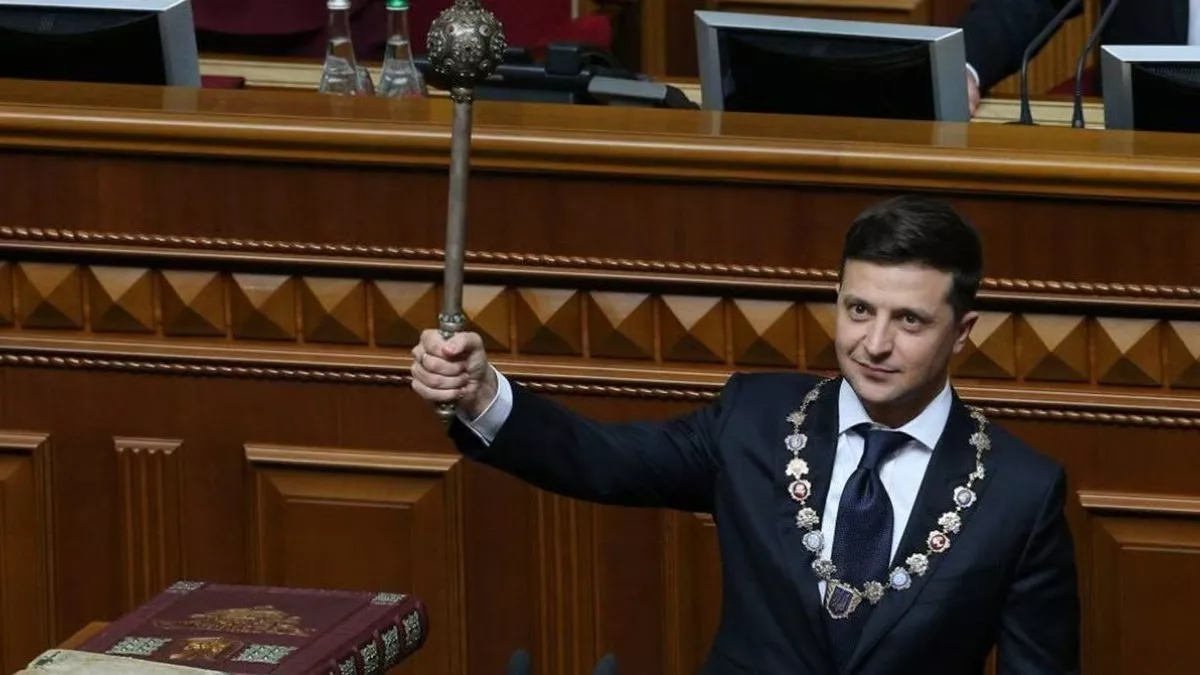
Volodymyr Zelenskyy’s rise to power in 2019 was truly triumphant: over 73 per cent of the vote in the second round made it one of the most decisive results in the history of Ukraine’s presidential elections. Citizens were not simply voting for a new individual, but for a break with the old system, for renewal, and for hope.
Zelenskyy’s election campaign was built on clear and emotionally charged messages. He promised a renewal of government and “new faces,” an uncompromising fight against corruption, the dismantling of entrenched elites, a reset of the political system, and an end to the war in Donbas—pledges that together generated a unique level of public trust. In effect, Ukrainians delegated to him a mandate for radical change. And in the early years, it seemed he had all the tools needed to deliver it.
Zelenskyy became not just a president, but the most powerful head of state in Ukraine’s history. His political force, the Servant of the People party, secured a single-party majority in the Verkhovna Rada, allowing it to pass legislative initiatives with minimal resistance. In practice, a vertical structure of power was formed, giving him and his team control over parliament, the government, and a significant part of the security apparatus. What previous Ukrainian leaders could only aspire to thus became a political reality, which is why responsibility for developments in the country is largely personalised today.
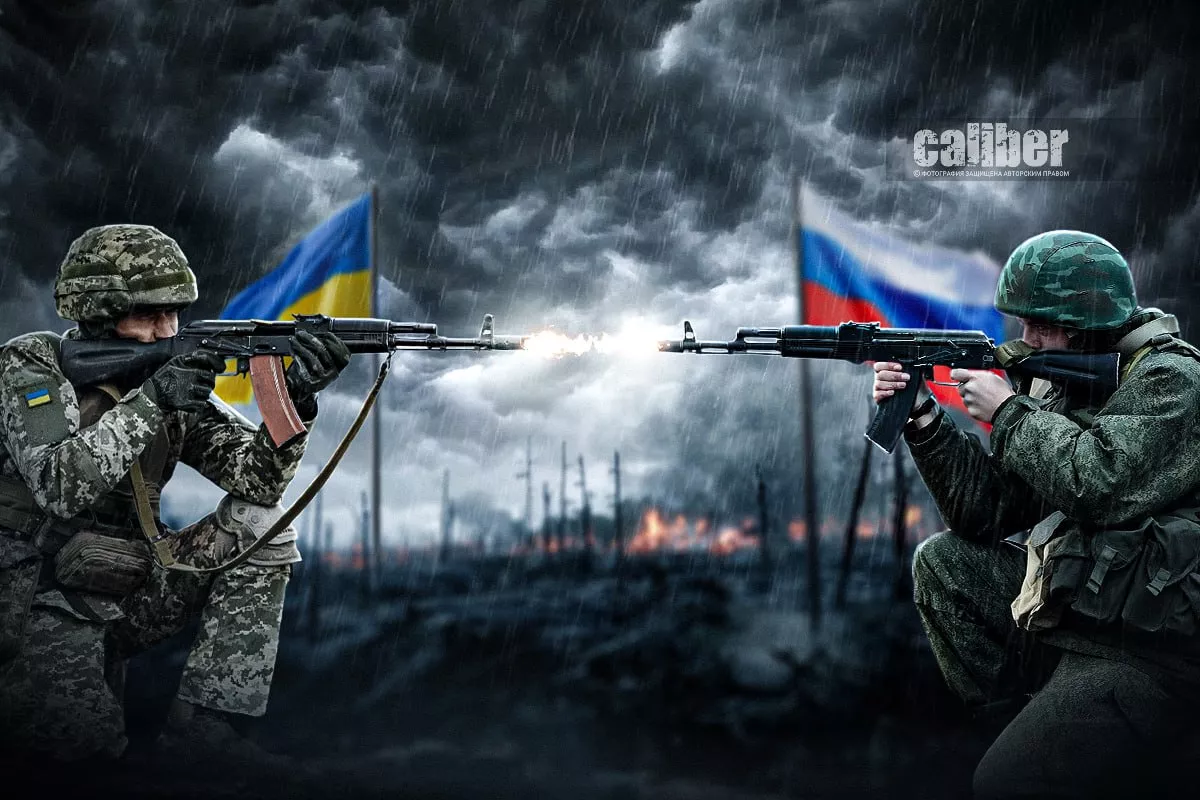
Looking back at the seven-year period of Zelenskyy’s presidency, it becomes evident that his key promises remain unfulfilled—most notably his central pledge to resign if he failed to bring the conflict in Donbas to an end.
Moreover, since 2022, Ukraine has been living under conditions of full-scale military confrontation with Russia. In this context, expert circles increasingly argue that Zelenskyy’s political future is directly tied to the continuation of the war, since under martial law elections are not held, and the status quo of power is therefore maintained.
At the same time, one of the most sensitive issues remains the country’s level of preparedness for the events of February 2022. Zelenskyy repeatedly downplayed and even dismissed the likelihood of a full-scale war, and today this raises serious questions. Critics argue that this underestimation of the threat was a factor that influenced the early stages of the conflict.
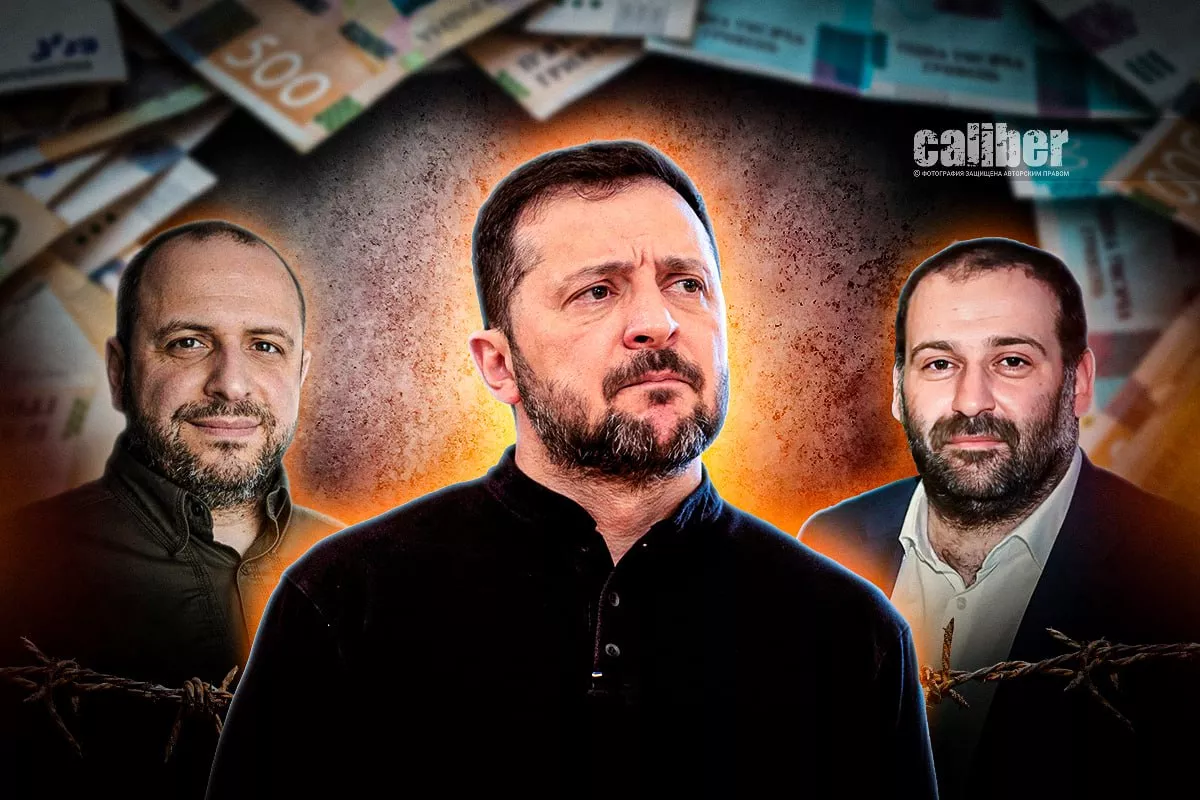
The promise of “jailings” and systemic anti-corruption reform has also fallen far short of implementation. Scandals involving the president’s close circle—such as the case of Timur Mindich—have regularly surfaced in global media coverage, undermining trust in the anti-corruption rhetoric. In public perception, the sense has taken hold that corruption has not only persisted but has also adapted and transformed under new conditions.
A separate issue is the situation with human rights. Ukraine is a country that has experienced two revolutions (in 2004 and 2014), both driven by demands for freedom and dignity. However, today public concern is growing, largely due to mobilisation practices: social media is filled with videos showing Territorial Recruitment Centres (TRCs) forcibly detaining men of conscription age. These images create an atmosphere of fear and distrust, and as a consequence, the number of people seeking to leave the country by any means continues to rise. In addition, corruption also appears in this sphere, as draft evasion has turned into a shadow market.
All of this together is contributing to a large-scale population outflow, especially among young people. Ukrainian experts note a worrying trend: senior school classes are becoming increasingly empty, while technical fields are experiencing an acute shortage of students. Parents are sending their children abroad en masse, guided not by educational quality but by security concerns. This creates a strategic problem: a country at war is losing future engineers, scientists, and specialists essential for reconstruction and defence.
Regarding the economic situation, it remains persistently difficult. Despite substantial international assistance, the living standards of a significant part of the population have declined. Inflation, damaged infrastructure, and dependence on external financing all contribute to a widespread sense of instability and a lack of prospects.
Against this backdrop, a recurring question within Ukrainian society is whether Zelenskyy will run for a second term. On the one hand, his legitimacy in wartime conditions remains strong; on the other, the accumulated weight of unresolved problems and the disappointment of a portion of society could become a significant factor in the future. Critics argue that maintaining power is the president’s priority, while supporters insist that leadership changes during wartime could carry serious risks.
Thus, Zelenskyy’s seven-year presidency can be seen as a complex and contradictory period. On one side of the balance lies the fact that Ukraine has been resisting a nuclear-armed state for over four years, with Ukrainians demonstrating remarkable resilience and strength. On the other side stand key campaign promises that have not been fulfilled. This raises the central question: do the results of Zelenskyy’s presidency correspond to the hopes with which millions voted for him in 2019? Ultimately, the final answer will likely be delivered by the most impartial judge of all—history.







 editor@caliber.az
 +994 55 444-88-98
 Азербайджан, Баку, ул. Низами, 203, Af Business House, 5-й этаж