










Iran’s economic frontline: a country in survival mode Analysis by Shereshevskiy
War, sanctions, and economic blockade have overlapped, leading to an accelerated economic collapse in Iran, as well as pushing its industry, currency system, and everyday life close to a critical point.
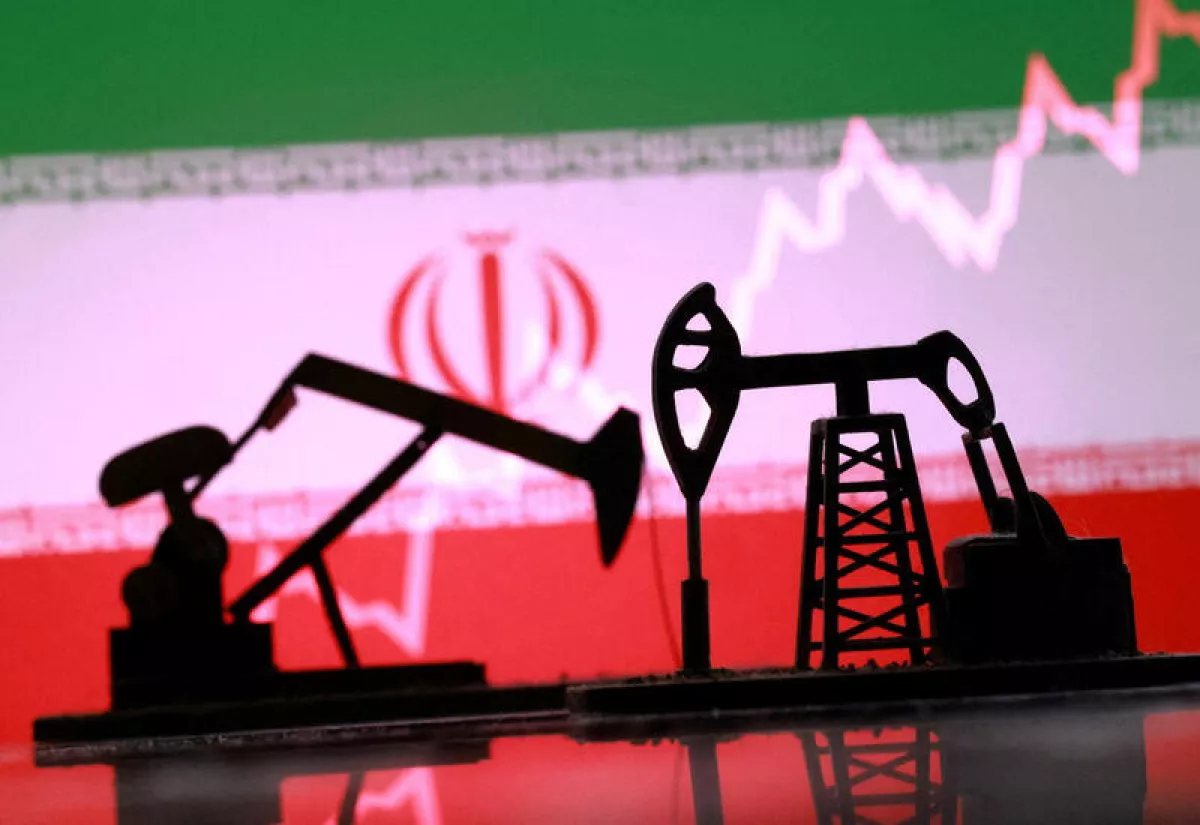
Hostilities with the US–Israeli coalition have ceased, and the Iranian population has gradually begun returning to workplaces, while many private sector companies have resumed operations. However, this has not been possible for everyone for various reasons.
Despite some encouraging signs, Iran’s economic collapse is no longer a distant threat but an increasingly imminent reality. What began as years of international sanctions pressure, inefficient governance, and corruption has now been intensified by the burden of war and a large-scale maritime blockade imposed by the United States, which hinders Iranian oil exports and the import of goods.
Although Trump has notified Congress of the end of the war with Iran, bombings could resume at any moment, and this is affecting people’s behaviour — many are afraid to return to their workplaces. A cumulative effect has emerged, a situation in which several crises occur simultaneously, producing destructive consequences. Their overlap could lead to economic paralysis and a social explosion.
The causes of the looming economic catastrophe are primarily linked to a production shock. The strikes by the US–Israeli coalition targeted not only strategic defence facilities and regime command centres, but also caused serious damage to the civilian industrial sector.
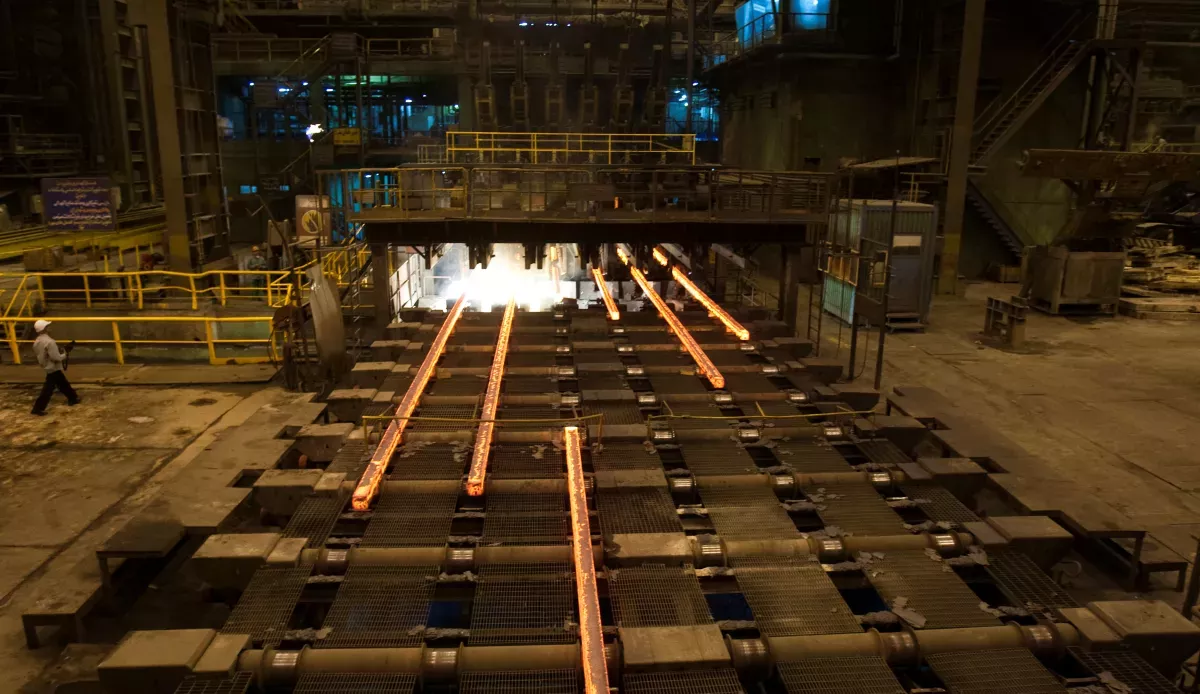
According to the Associated Press, more than 20,000 factories — roughly one-fifth of Iran’s industrial capacity — have been destroyed or severely damaged. The strikes affected key sectors of the economy such as metallurgy, petrochemicals, pharmaceuticals, and the defence industry, which is itself a major consumer of output from other enterprises. Because factories were hit simultaneously, this triggered a chain reaction across the entire economy. Large producers such as the Mobarakeh Steel Company and Khuzestan Steel Company have suspended operations.
On the other hand, Iran’s oil exports are being reduced or have already been significantly disrupted, supply chains have been broken, and related sectors — from construction to food packaging — are facing rising costs. Oil exports were one of the main pillars of the economy and a key source of foreign currency. However, the US blockade has also cut off imports of goods. In total, Iran is reportedly losing around $400 million per day. The result could be a situation in which the government is unable to pay public sector salaries, while many companies shut down due to a shortage of imported components.
At the same time, a fuel crisis is emerging inside the country. Before the start of the US–Israeli strikes, Iran consumed around 126 million litres of fuel per day, while producing only 110 million litres, creating a deficit of 15–20 million litres. After strikes on the processing and energy storage chain in South Pars and on Lavan Island, fuel production declined further.
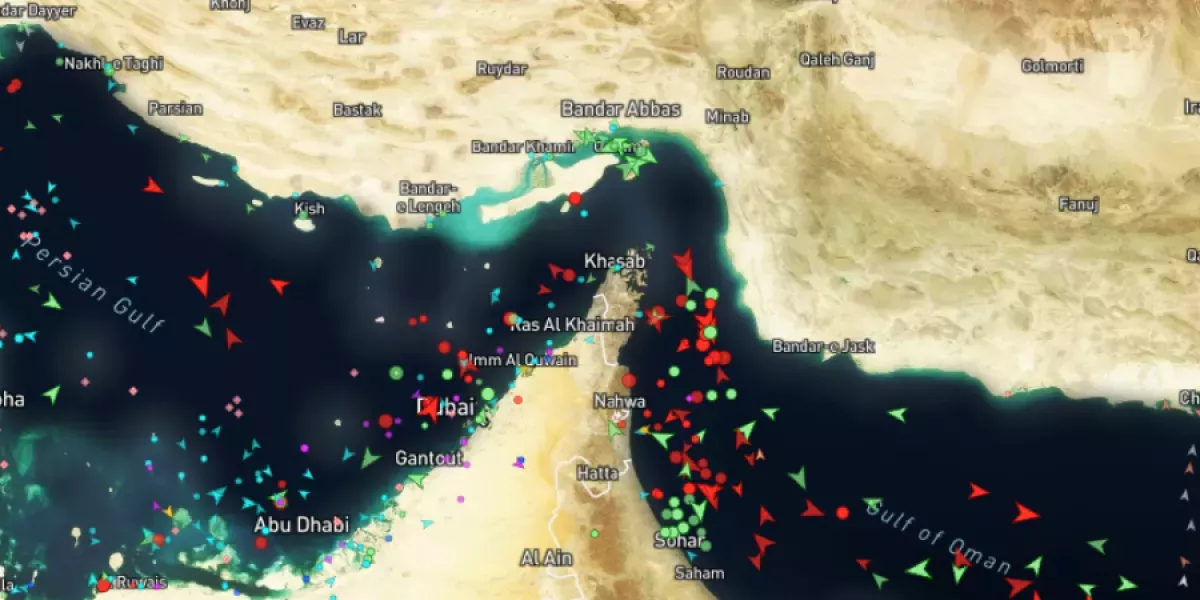
In addition, Iran had been receiving part of its required petroleum products via the Strait of Hormuz, spending around $6 billion per year on these imports. However, due to the maritime blockade, these channels have now disappeared. The result has been a severe fuel shortage.
At the same time, the Iranian government has dealt a serious blow to its own economy by cutting internet access for most users. The country had a developed digital industry employing millions of people. This sector was integrated with other parts of the economy, ensuring their functioning.

Cutting off internet access for 90–95% of users means not only the loss of jobs in the IT sector, but also the disruption of logistics for a wide range of companies. At present, the authorities are testing new schemes under which internet access would be granted to employees of selected companies after a vetting process to assess their loyalty. However, this requires time, and in the meantime, on top of losses caused by disrupted production chains and the blockade, tens of millions of dollars in daily losses are being added due to the internet shutdown.
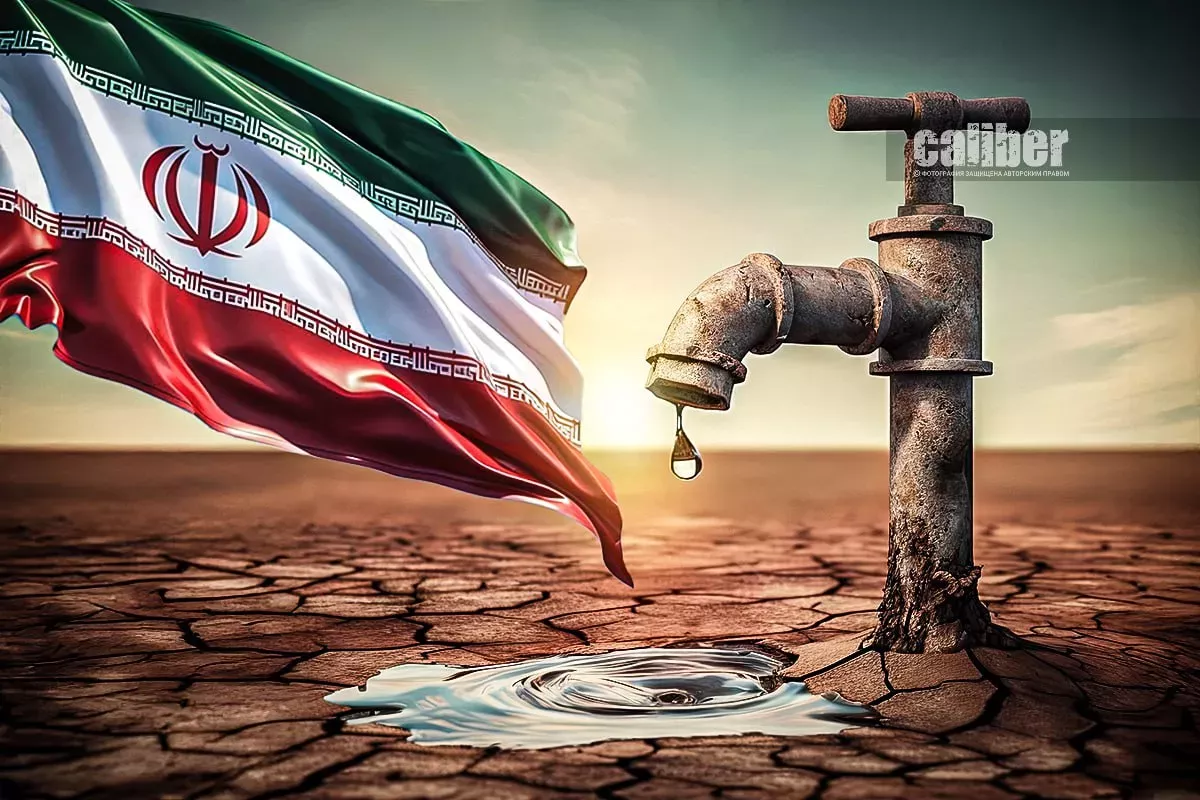
Even before the war, Iran was already in a deep crisis — due to water shortages, the collapse of the agricultural sector, the water crisis in Tehran, the energy crisis (frequent power outages affecting thousands of enterprises and entire cities), high inflation, and the decline of the national currency. These problems have not disappeared; some of them have only worsened. Due to fuel and energy shortages, transport difficulties will intensify, which in turn will affect food production, alongside the ongoing water crisis.
Overall, this situation is leading to a further decline in living standards in Iran, increasing impoverishment of the population, and a risk of food insecurity (although famine has not yet occurred). Given the scale of protest sentiment before the war, including mass demonstrations in January involving hundreds of thousands, and possibly millions of people, there is no doubt that such events could repeat. Nevertheless, the Iranian regime has managed to maintain its hold on power through harsh measures, including the suppression of unrest and executions of protesters.
The authorities are gradually losing their ability to fulfil social and economic obligations and are reverting to the basic functions of the state.
This increasingly means maintaining control by the military elite over the country’s regions and much of the population, which in practice is effectively paying a form of tribute. At the same time, the regime retains its coercive capacity: cities are patrolled by armed security forces, and checkpoints are widely deployed. The security apparatus continues to demonstrate its ability to keep the situation under control.
However, there are three factors that could undermine the regime.
The first is the suspension or serious delays in salary payments to security forces, which could lead to destabilisation and even a political collapse of the system.
The second is the threat of food insecurity, which could trigger an uprising, as people would have little left to lose.
The third is the high probability of renewed strikes by the US–Israeli coalition against Iran.
At the same time, it would be premature to write off the regime in Tehran, which has repeatedly demonstrated its ability to adapt to crises and survive under extreme pressure.







 editor@caliber.az
 +994 55 444-88-98
 Азербайджан, Баку, ул. Низами, 203, Af Business House, 5-й этаж