










Scandal, sanctions and consequences The Bohdan case in Ukrainian politics
Intense debate has erupted in Ukraine following President Volodymyr Zelenskyy’s decision to impose sanctions on former Head of the Presidential Office Andriy Bohdan for a period of 10 years. The measures include the freezing of assets, a ban on trade operations and participation in privatisation and leasing of state property, the termination of licences and other permits, as well as the lifelong deprivation of Ukrainian state awards.
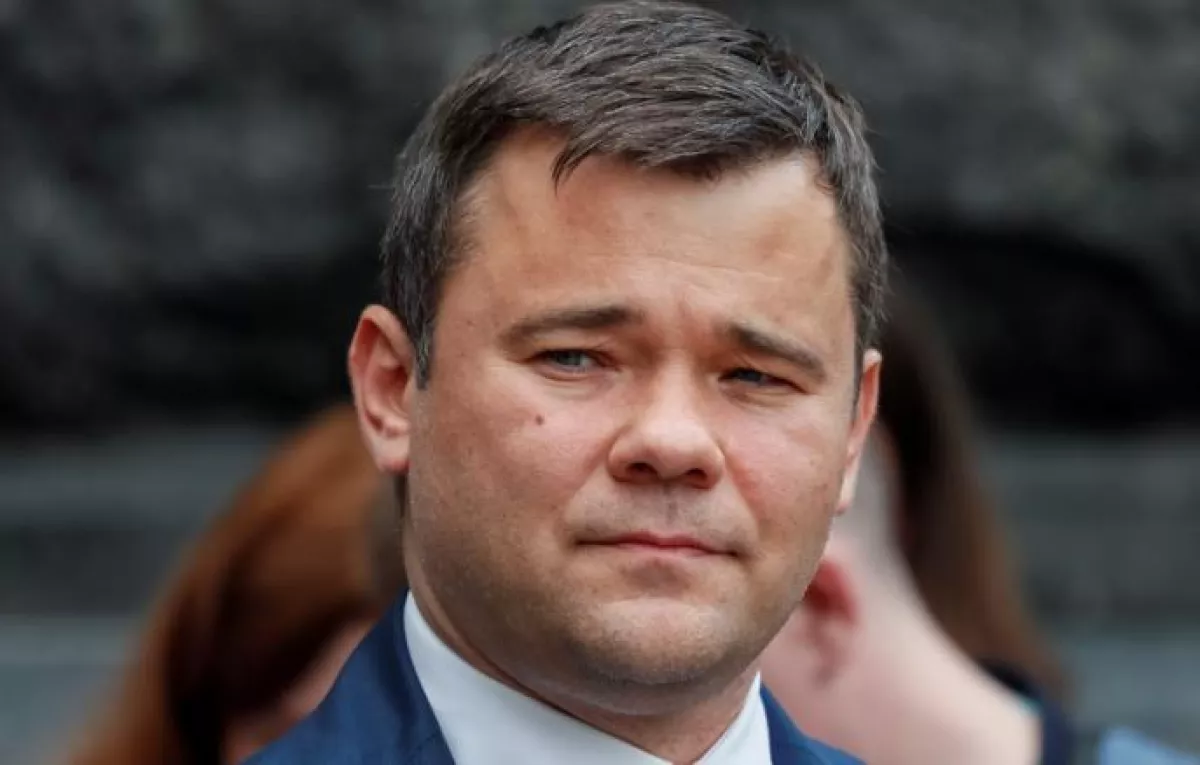
To understand why this development has provoked such a strong public reaction, it is necessary to look back not so long ago and, first of all, note that Andriy Bohdan played one of the key roles in Zelenskyy’s rise to power, having moved from being the initiator of the idea of his candidacy to effectively heading the election campaign and becoming the first Head of the Presidential Office. According to Bohdan himself, it was he who convinced Volodymyr Zelenskyy to try his hand at politics, arguing that the well-known TV series “Servant of the People” had given people hope, which he was obliged to try to turn into reality. And it must be acknowledged that the overwhelming majority of Ukrainian citizens in the 2019 presidential elections indeed voted not for the comedian and actor Zelenskyy, but for the history teacher Vasyl Holoborodko, who, according to the plot of the aforementioned TV series, becomes the head of state.
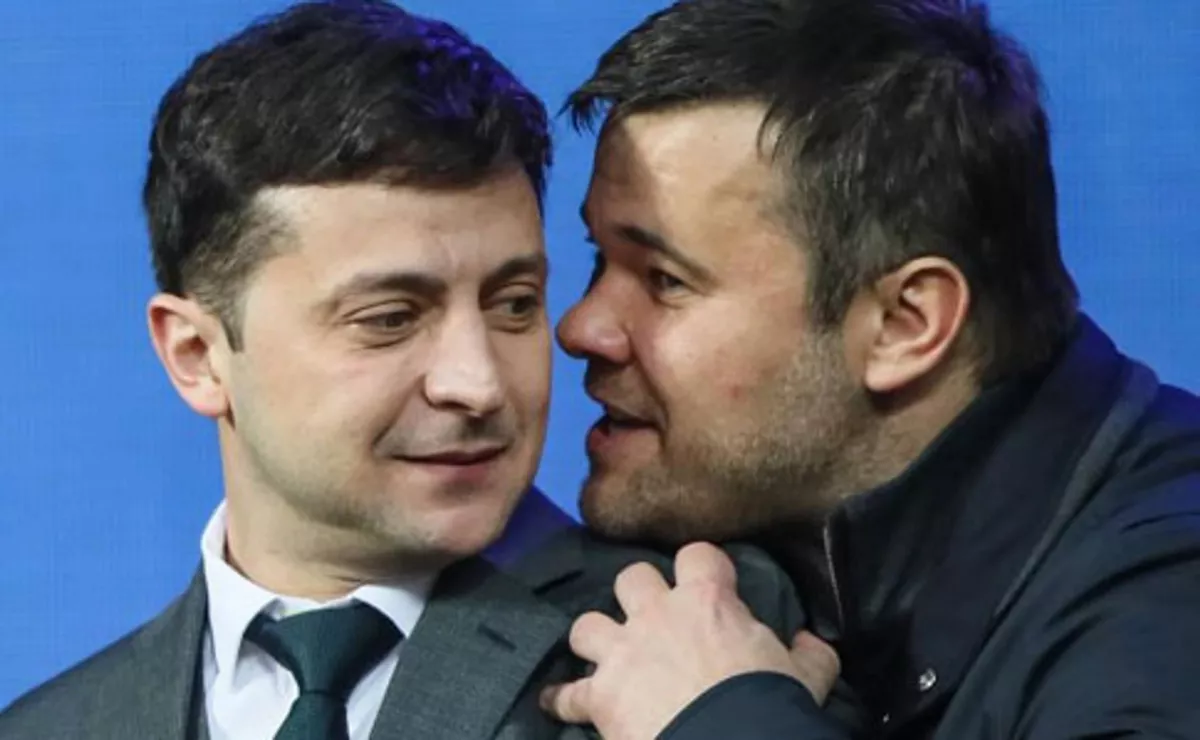
Moreover, during the 2019 presidential campaign, Andriy Bohdan, who officially held the position of legal adviser, was in practice regarded as the “informal head” of the campaign headquarters and, according to his own statement, is the author of one of the most effective slogans, “Spring will come — we will start planting.” After Zelenskyy’s victory, he was referred to as the “second most powerful person in the state”; he was constantly present alongside the president and was often seen literally “whispering advice in his ear” during public events. He also oversaw key legal decisions, including the subsequent dissolution of the eighth convocation of the Verkhovna Rada.
However, despite all this, this close cooperation came to an abrupt end: in February 2020, Zelenskyy dismissed Bohdan from his position as Head of the Presidential Office, later describing the appointment as a mistake due to internal tensions and conflicts within the team.
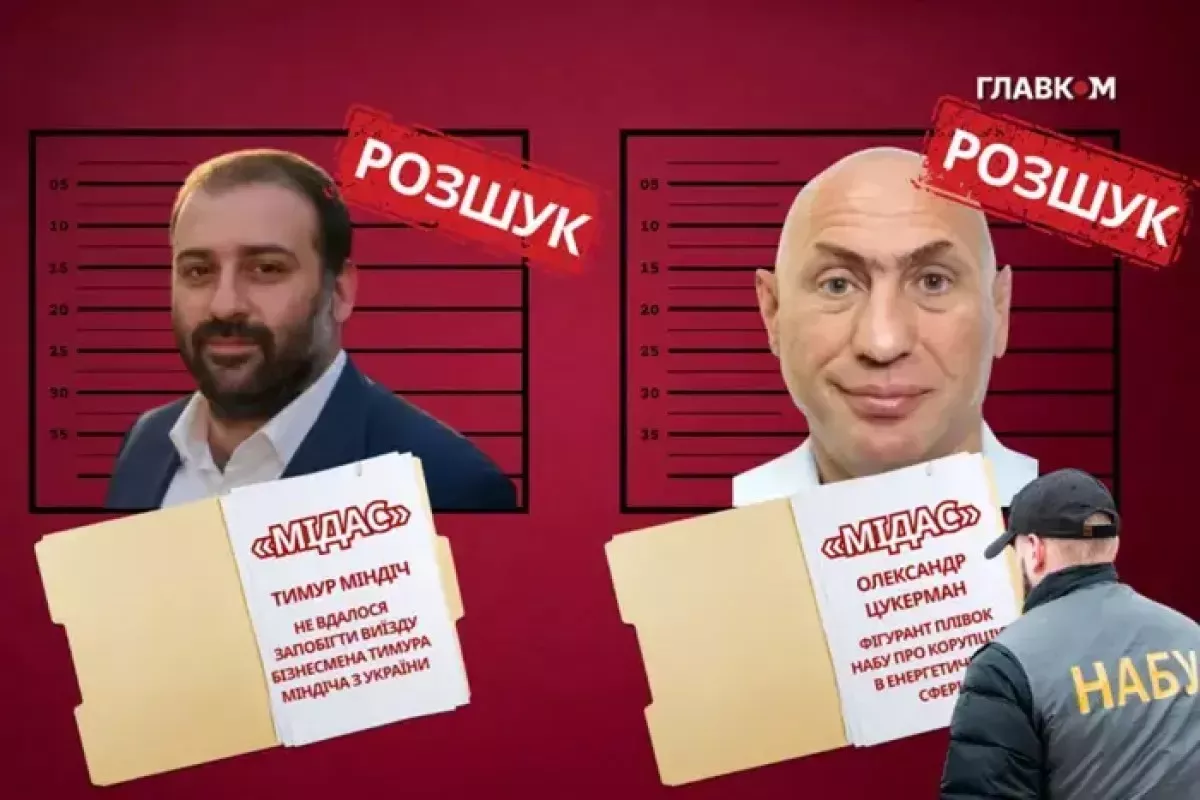
In turn, Bohdan accused the president of turning power into “chaos” and later even called him his enemy. Having spent a long period outside the country, he regularly criticised the Ukrainian head of state, with his rhetoric becoming even harsher after the publication of the so-called “Timur Mindich tapes,” according to which the “octopus of corruption” had tightly wrapped its tentacles around the energy, military-industrial, and other sectors of the Ukrainian economy.
“My brief investigation into the circumstances of the imposition of sanctions showed that the sanctions were imposed against me for distributing the ‘Mindich tapes’ among journalists. <…> Think about it: for the first time in world history, sanctions were imposed not for corruption, but for fighting corruption, for countering corruption. From a legal point of view, I received sanctions in the ‘Mindich tapes’ case,” Bohdan said in a statement posted on Facebook. He also noted that the legal justification for the sanctions decision was concealed behind the formulation of “systematic discrediting of the country’s top leadership,” calling it “idiocy” that the authorities are trying to pretend that the “Andriy” mentioned in the recordings is him.
Against this backdrop, Ukraine’s political and expert community is now speculating whether the former Head of the Presidential Office will decide to make public secrets that could seriously damage Zelenskyy’s reputation. At the same time, Bohdan himself is also far from free of controversy, and there are multiple claims and criticisms that can be raised against him as well.
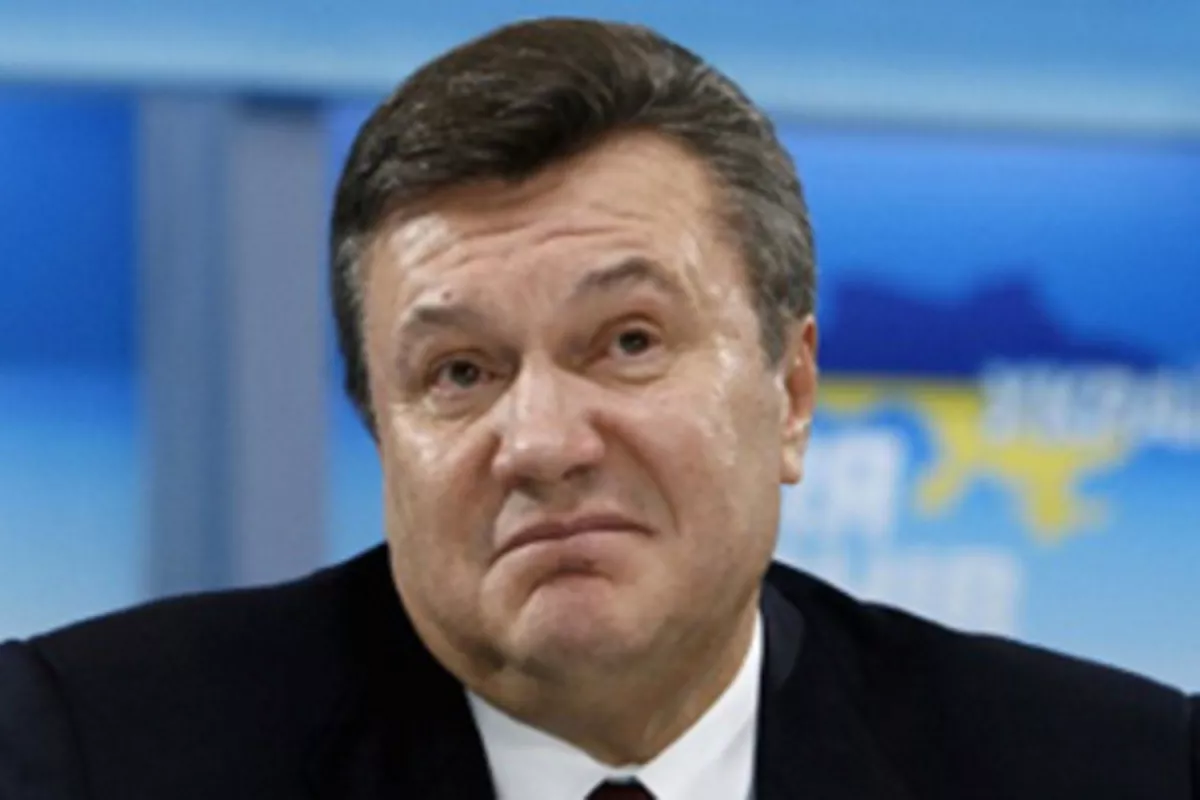
To begin with, the renaming of the Head of State Administration into the Presidential Office took place in June 2019, precisely on Bohdan’s initiative. This reform was aimed at legally bypassing lustration, since he fell under the scope of the Law “On Purification of Power,” having held senior government positions under Viktor Yanukovych: he served as Government Commissioner for Anti-Corruption Policy. Frankly speaking, there is a clear paradox here: a person responsible for fighting corruption in Azarov’s government worked within a system that was later recognised as one of the most corrupt in Ukraine’s history. This gave rise to accusations that his position was merely a “fig leaf” or an instrument for controlling financial flows.
In addition, according to investigative journalism reports and witness testimony, for example, from former Constitutional Court judge Petro Stetsiuk, in 2010, Bohdan may have exerted pressure on judges in Yanukovych’s interests. This concerned decisions that allowed the formation of a coalition of individual “turncoat” MPs, which helped the fourth president consolidate power. However, as the saying goes, this is not the end of the story. Ukraine’s Prosecutor General’s Office, under the leadership of Yuriy Lutsenko, investigated a case in which Bohdan appeared as an official allegedly involved in facilitating decisions in favour of the Russian Ministry of Defence.
With such a background belongs to the man who played a significant role in bringing Volodymyr Zelenskyy to power. Was the sitting president aware of this? Undoubtedly. But at that time, Andriy Bohdan was useful to him, and once that usefulness expired, he was effectively “written off”.
At the same time, for several years, Zelenskyy did not respond to the former Head of the Presidential Office’s harsh attacks, and only now, amid the high-profile scandal surrounding the “Mindich tapes,” has he decided to impose sanctions. This chronology has generated a wide range of interpretations in Ukraine: many describe Zelenskyy’s move as highly emotional, while others argue that from now on anyone who dares to criticise the head of state could be subjected to sanctions. Whether such a scenario is likely will be shown by time, just as time will also provide an answer to the question of whether Andriy Bohdan will risk making public the full volume of compromising material on the incumbent president—something many people are reportedly hoping for, not only in Ukraine.







 editor@caliber.az
 +994 55 444-88-98
 Азербайджан, Баку, ул. Низами, 203, Af Business House, 5-й этаж