










Iran without a face: who really holds power in Tehran? Analysis by Shereshevskiy
Who truly wields power in Iran? Who is ultimately in charge of governing the country—the Supreme Leader Mojtaba Khamenei, IRGC commander General Ahmad Vahidi, or perhaps someone else?
A senior Iranian official has said that hostilities with the United States are “likely” to resume following Donald Trump’s dissatisfaction with Tehran’s latest proposal. On May 2, the Iranian news agency Fars quoted Mohammad Jafar Asadi, a high-ranking representative of the Iranian army’s central command, as stating that “a resumption of conflict between Iran and the United States is probable.”
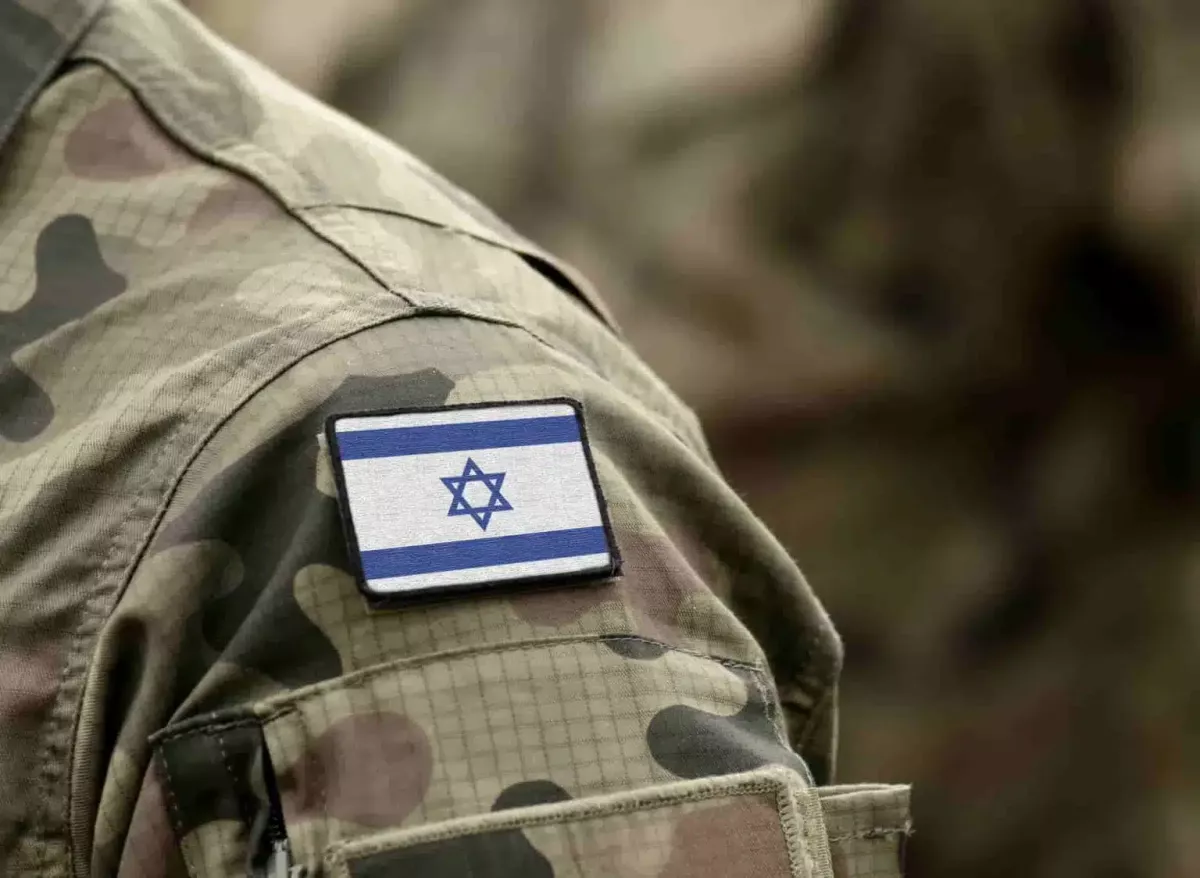
The Israel Defense Forces are preparing for the possibility of renewed U.S. strikes on Iran—there is little doubt that any new wave of bombardment, if it begins, would once again be a joint U.S.–Israeli operation.
The Iranian proposal rejected by Donald Trump included reopening navigation through the Strait of Hormuz in exchange for lifting the U.S. blockade on Iran, according to Reuters. Tehran has been blocking nearly all vessels from the Persian Gulf, except its own, for more than two months. In April, the United States, for its part, imposed its own maritime restrictions, intercepting more than 40 tankers departing from Iran—effectively cutting off the country’s main oil export flow and putting significant strain on its economy.
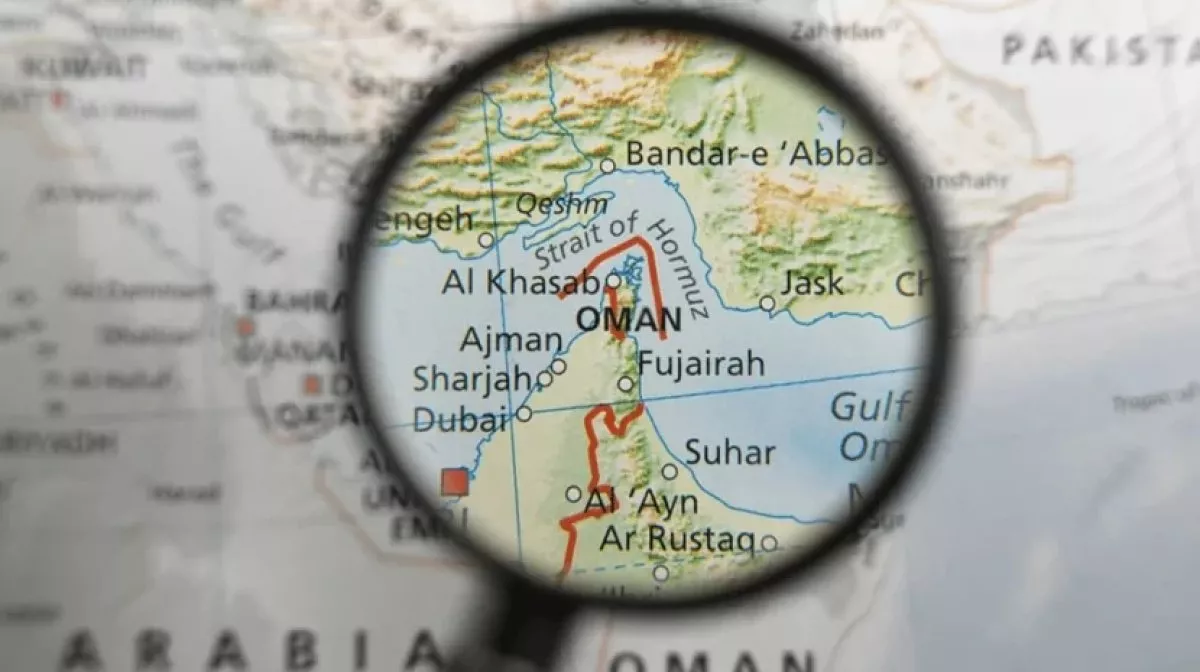
However, tensions remain high within the United States as well. Iran’s closure of the Strait of Hormuz—once a transit route for roughly 20 per cent of global oil trade—has driven prices sharply upward, raising fears of a global economic downturn. The surge in fuel costs has also weighed on Trump’s approval ratings and those of the ruling Republican Party.
Four weeks after the United States and Israel suspended their bombing campaign against Iran, no ceasefire agreement has been reached. Negotiations have stalled amid entrenched positions on both sides. Washington is not merely calling for the reopening of the Strait of Hormuz; it has repeatedly made clear that it will not end the conflict without a deal that definitively prevents Iran from acquiring nuclear weapons. This objective was central to Trump’s rationale when the strikes were launched in February.
The United States, beyond demanding the reopening of the strait, is calling for Iran to fully abandon uranium enrichment—including for civilian purposes—hand over 450 kilograms of uranium already enriched to near weapons-grade levels, and dismantle its ballistic missile program, a potential delivery system for nuclear weapons.
Iran, for its part, maintains that its nuclear program is peaceful in nature and has signaled willingness to discuss lifting the blockade of the Strait of Hormuz in exchange for an end to the U.S. blockade. Only after that, Tehran suggests, could negotiations on a broader nuclear agreement resume.
During Joe Biden’s presidency, such talks continued for nearly three years without yielding results: Tehran, in effect, was buying time while simultaneously developing its nuclear programme. It is likely pursuing a similar strategy now. Against this backdrop, a key question emerges: who is actually steering Iran’s policy today, given its increasingly hardline stance?
The struggle for power
Formally, Iran is an Islamic republic governed by the system of velayat-e faqih. This means that ultimate authority rests with the Supreme Leader—the rahbar—the highest-ranking Shiite cleric and an expert in Islamic jurisprudence. He holds the power to make decisions across all spheres of public life, with the country’s security and military institutions subordinated directly to him.
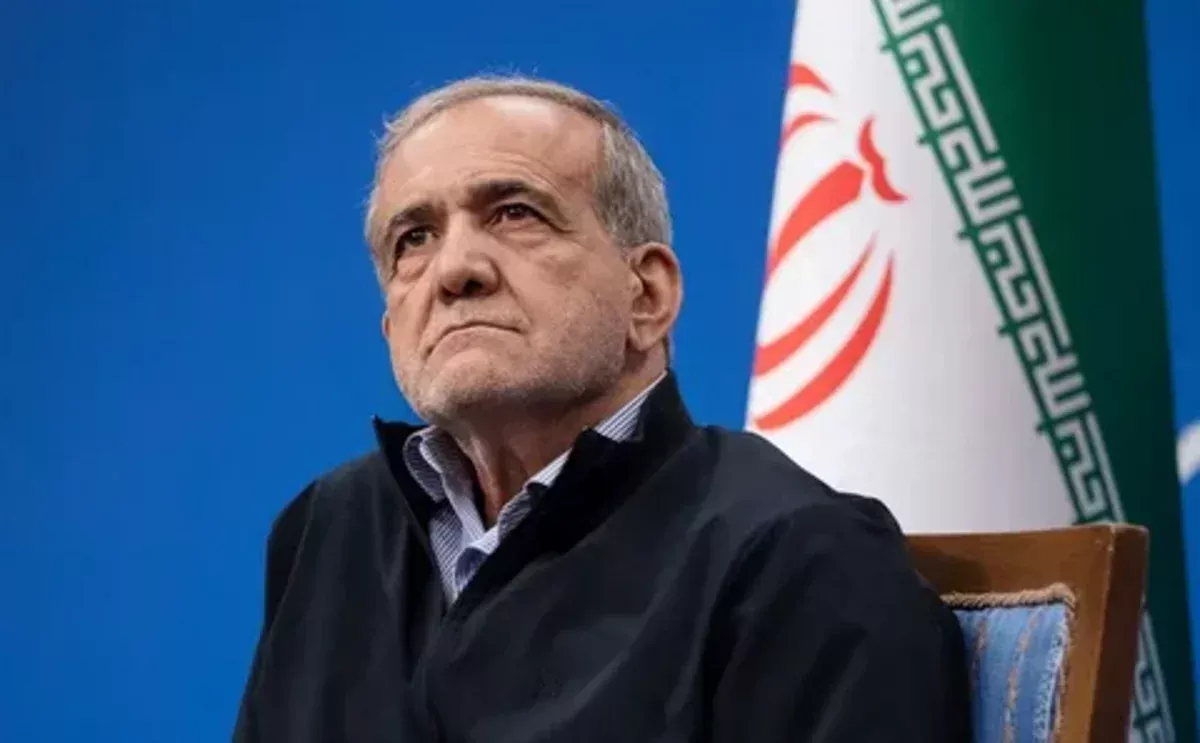
President Masoud Pezeshkian is, in essence, an official overseeing the economic sphere and ensuring the functioning of the state in line with the Supreme Leader’s interests. Parliament, too, wields limited real power.
At present, the position of Supreme Leader is held by Mojtaba Khamenei, the son of the previous Supreme Leader, Ali Khamenei, who was killed in an Israeli airstrike on February 28, in the early hours of the war. However, a key question remains: is Mojtaba himself still alive? Iranian media previously reported that he was wounded during an Israeli strike. Statements continue to be issued in his name, yet since his appointment, not a single video appearance has been made public.
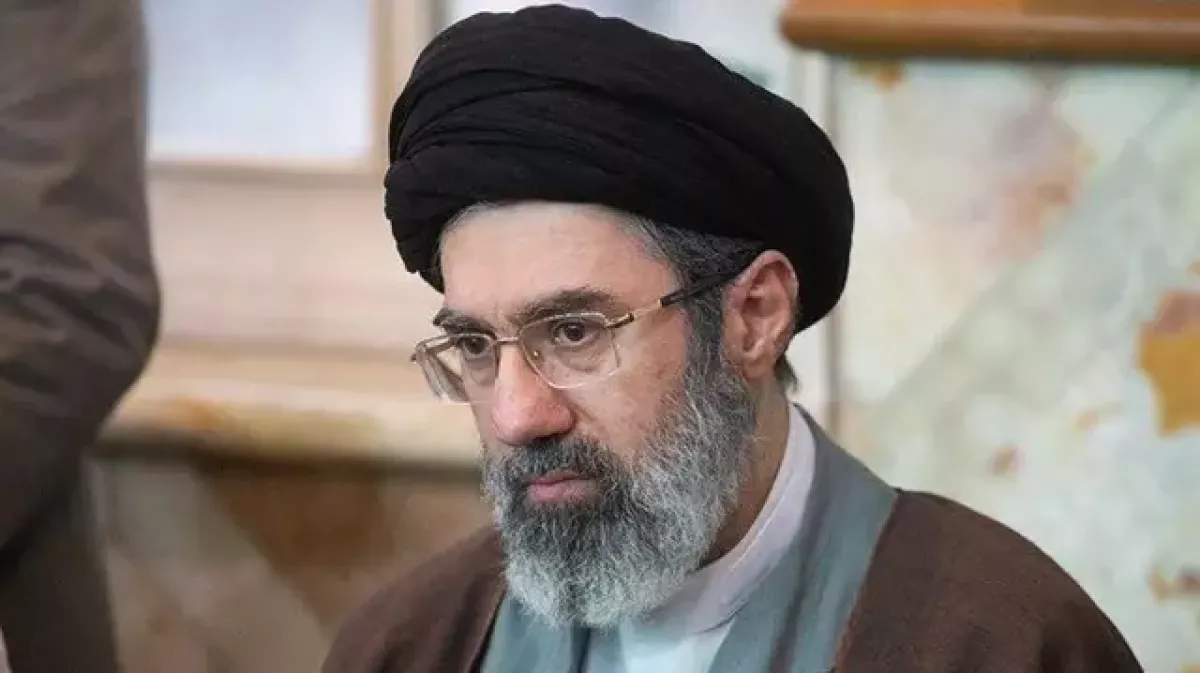
If he is unable to appear publicly or is in complete isolation for security reasons, it raises doubts about whether he is capable of governing the country at all. More radical scenarios cannot be ruled out either — including a serious health condition or even his death.
If the Rahbar is not governing Iran, then who is? Which forces are using his name as a cover for real power? The former leader, Ali Khamenei, relied on the Islamic Revolutionary Guard Corps (IRGC) — in effect, a second army in the country, independent from the regular armed forces (Artesh).
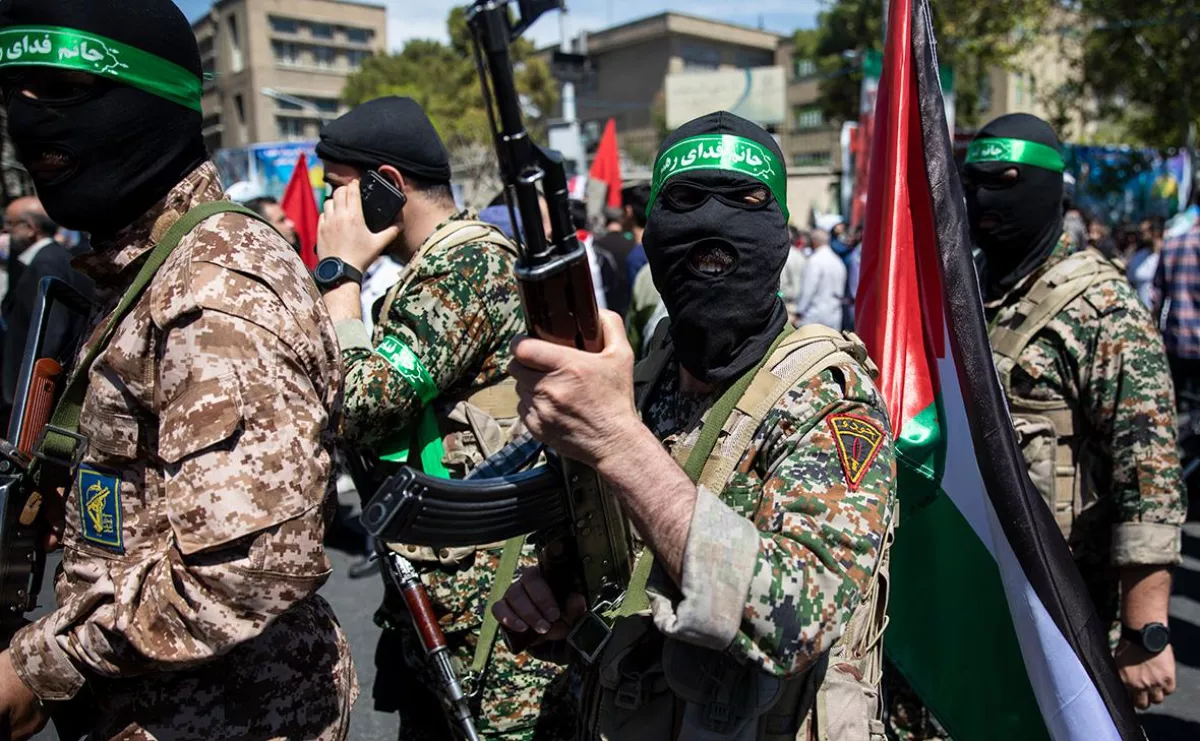
The IRGC emerged from Shiite armed groups loyal to the clergy during the 1978–1979 Revolution. Today, it is a structure of around 125,000 personnel, where the most ideologically motivated officers and conscripts are selected. However, the IRGC’s functions go far beyond the military sphere. Its leadership controls numerous state institutions, including intelligence services and riot control forces (the Basij militia), as well as oil and water resources, heavy and defence industries, the nuclear program, telecommunications, import-export operations, agribusiness holdings, media outlets, and large charitable foundations (bonyads) that provide social support to the population.
The network of state and private companies linked to the IRGC controls approximately half of the country’s GDP. While formally subordinate to the Supreme Leader, this structure in practice functions as a “deep state” — a real centre of power and the core of Iran’s political system and economy. The IRGC’s influence has grown over decades. Ayatollah Ruhollah Khomeini used it to suppress independent workers’ councils that had controlled factories after the revolution.
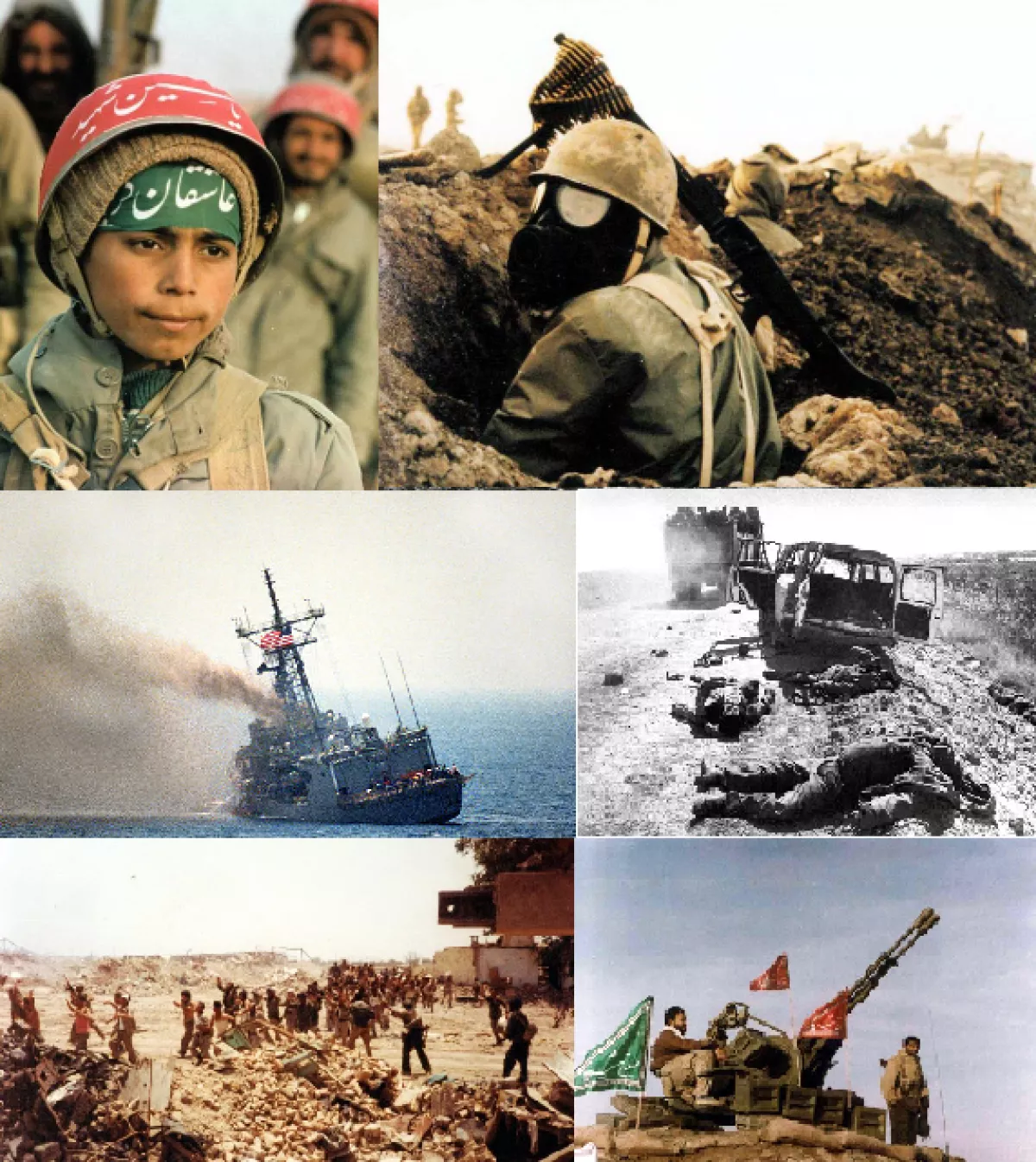
Later, hardened during the Iran–Iraq War (1980–1988), the IRGC became a key instrument for suppressing political opposition — from left- and right-wing movements to national and women’s initiatives.
After Khomeini’s death, Ali Khamenei also actively used the IRGC to suppress student protests in the 1990s, the 2009 “Green Movement,” and subsequent waves of public discontent. In 2019, IRGC and Basij forces brutally suppressed protests against fuel price increases (the so-called “Bloody November”).
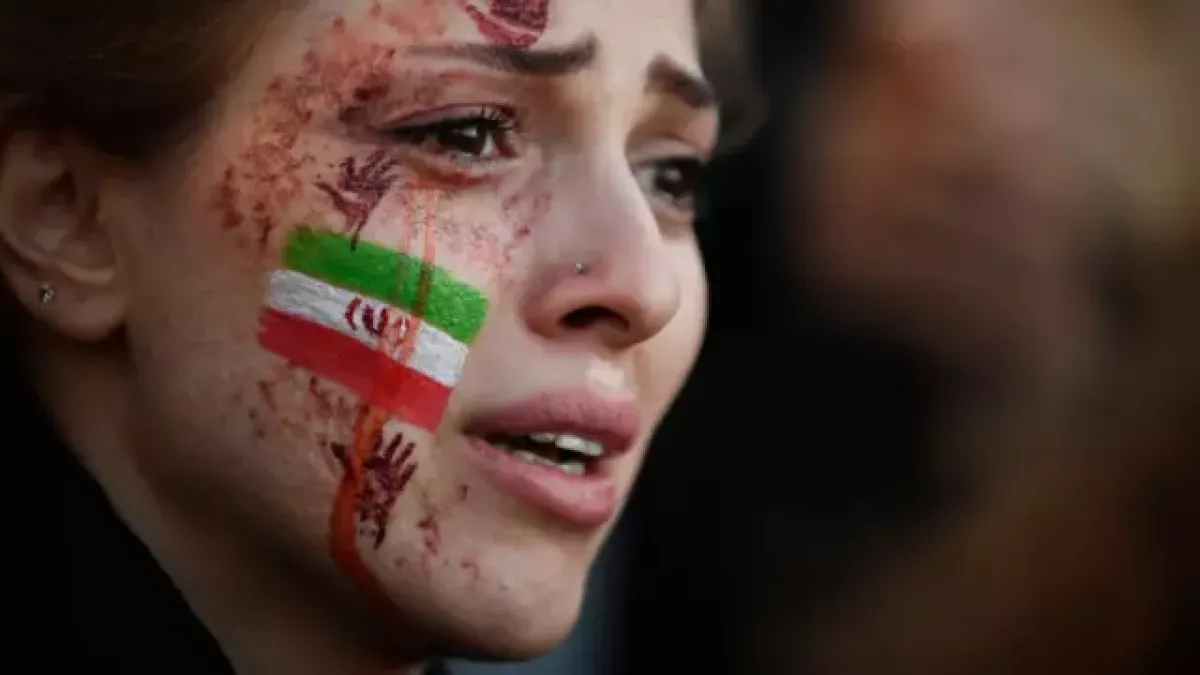
In 2022, they suppressed protests by women and youth against the “morality police” policies. In 2023–2025, strikes and environmental protests were also suppressed, and in January 2026, new mass demonstrations took place, accompanied by numerous casualties.
At the same time, the IRGC leadership strengthened control over the economy, transferring assets to affiliated structures and relatives, while grassroots formations were responsible for suppressing protests.
With each new wave of crises, the IRGC’s influence only increased. It was widely believed that Ali Khamenei had effectively delegated the country to them in exchange for guarantees of his own rule. After his death and amid uncertainty surrounding his son’s role, real power appears to have become fully concentrated in the hands of the IRGC. However, this is less a coup and more a logical outcome of the gradual accumulation of power by this structure, as noted by a specialist in Iranian studies, Ali Alfoneh.
Overall, the IRGC has all the resources necessary to govern the country: it controls the economy, key ministries, and ensures order on the ground through its representatives. However, the situation is complicated by several factors.
Split within the IRGC
First, communication between the organisation’s leaders has become difficult: some of them are in safe houses and rarely maintain contact with one another. They fear Israeli and American strikes after Israel eliminated several senior IRGC and Iranian state officials — first during the 12-day war in June 2025, and then during a new conflict that lasted five weeks.
Second, the IRGC is divided into factions. Recently, reports emerged that Parliament Speaker Mohammad Bagher Ghalibaf had been removed from leading negotiations with Washington.
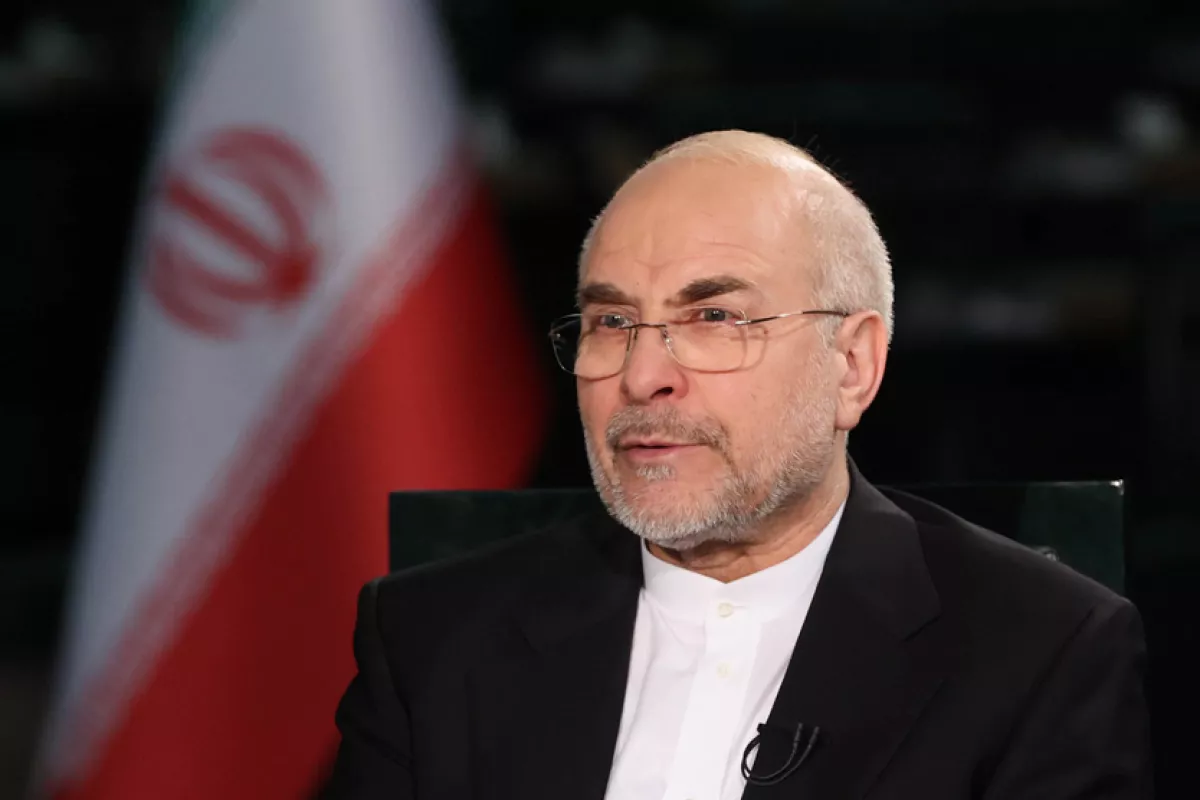
Ghalibaf is not only the Speaker of Parliament: he is closely linked to the top leadership of the IRGC, was one of the commanders during the Iran–Iraq War, served as the head of the national police, and later ran the municipality of Tehran. He regularly issues official statements on the regime’s political and diplomatic affairs.
In addition, Iranian President Masoud Pezeshkian stated that Foreign Minister Abbas Araghchi does not answer to him, and that if the situation does not change, he will be forced to dismiss him.
What is happening? Who removed Ghalibaf from negotiations with the Americans? And to whom does Araghchi actually report?
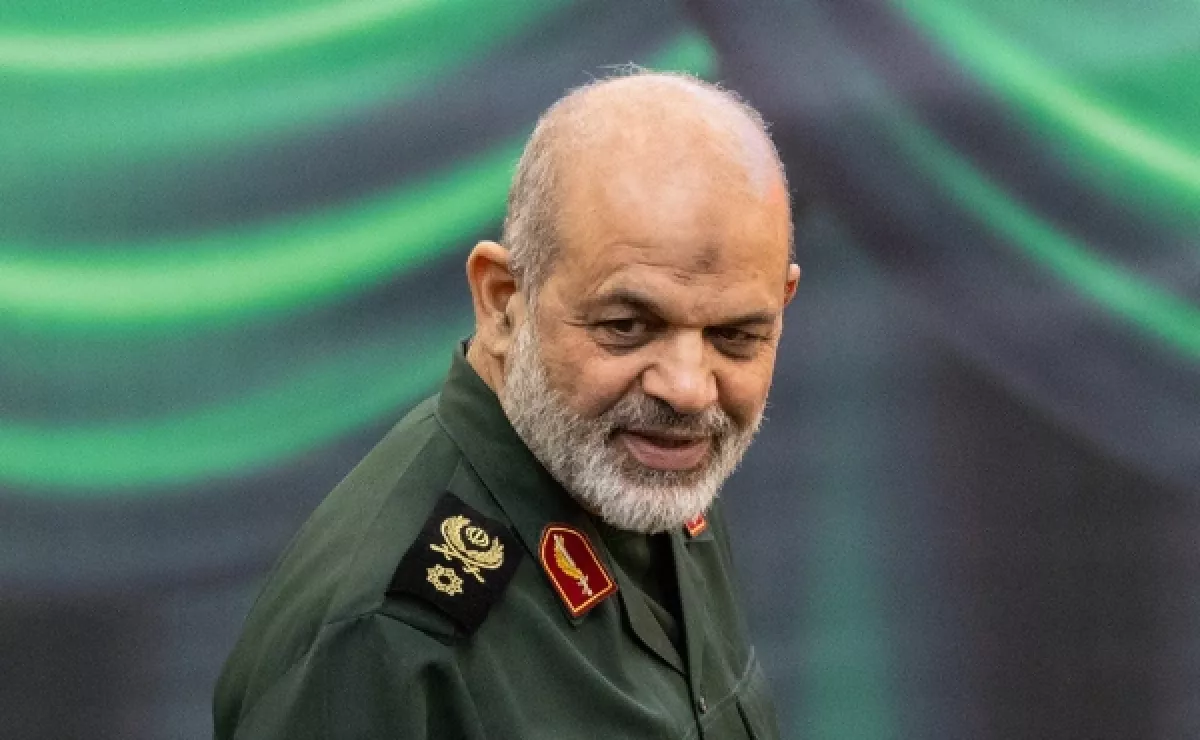
In the expert community today, there is a widespread view that the country is effectively governed by General Ahmad Vahidi — the new commander of the IRGC. He previously held senior positions in the Ministry of Defence and is considered one of the key figures responsible for suppressing anti-government protests in 2022 and 2026. Many refer to Vahidi as the de facto ruler of modern Iran. But is this really the case? There is no definitive answer. After Ghalibaf was removed from the negotiations, 261 out of 290 members of parliament (the Majlis) signed a statement in his support. They highlighted his contribution to countering external threats and warned against the spread of rumours.
On the other hand, dozens of MPs refused to sign the document. Among them were members of the “Steadfast Front” faction, such as Mahmoud Nabavian and Mohammad Taghi Naghdali. The first publicly criticised negotiations with the U.S. as a “strategic mistake that gives Washington confidence.” The second stated that the new Supreme Leader is opposed to continuing negotiations.
Another representative of this hardline faction, MP Amir-Hossein Sabeti, accused the parliamentary majority and the government of obstructing the adoption of a bill on Iran’s withdrawal from the Nuclear Non-Proliferation Treaty (NPT).
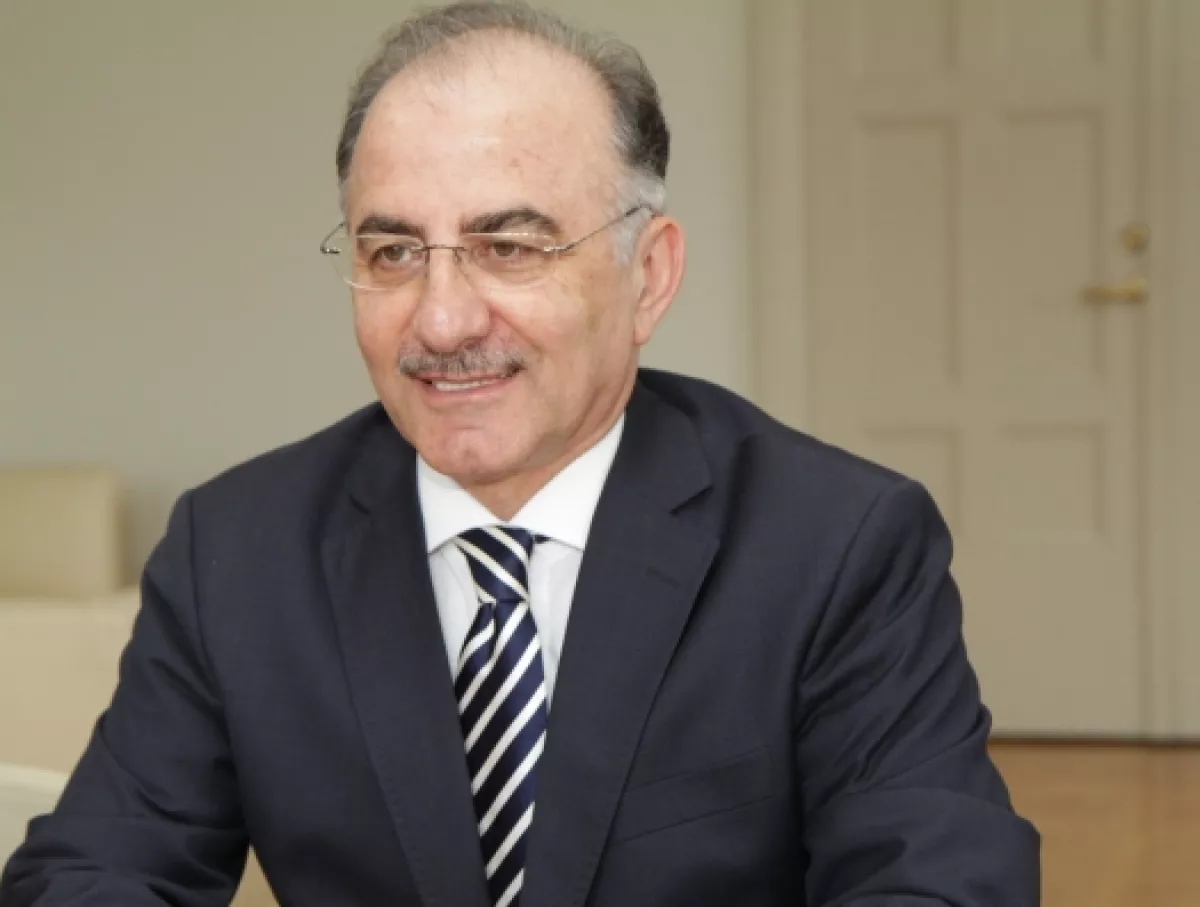
Javanshir Akhundov, former Ambassador of Azerbaijan to Iran, notes that all of Ghalibaf’s critics — around 25 MPs — as well as the new IRGC commander Ahmad Vahidi, are linked to the most hardline conservative faction within the Iranian system. Its ideological leader is considered to be Ayatollah Mohammad-Mehdi Mirbagheri. Geographically, this informal group is associated with cities such as Kerman and Yazd. It also included Qassem Soleimani — commander of the Quds Force, responsible for foreign operations. Before his assassination by the Americans, he was likely the second most powerful figure in Iran after the Supreme Leader.
Alongside it exists the Mashhad faction, which included the now-deceased Supreme Leader Ali Khamenei and former President Ebrahim Raisi, as well as the aforementioned Ghalibaf and other figures connected to the city of Mashhad.
There is also the so-called “Iraqi” group — Iranian Shiites who once fled Saddam Hussein’s regime and are linked to the influential Larijani clan. However, this faction has significantly weakened after Israel killed Ali Larijani, who had headed Iranian security structures. In addition, other regional groups are also identified, such as those from Urmia, Isfahan, and others.
At present, according to Akhundov, the most radical and uncompromising faction in relation to the United States — the Kerman–Yazd group — dominates Iranian politics. However, the struggle for power is far from over.
The Israel–U.S. war plan, apparently, envisaged the elimination of the Iranian leadership in order to intimidate the system and bring more compliant figures to power — similar to the situation in Venezuela after the abduction of President Nicolás Maduro. However, the effect turned out to be the opposite: the removal of previous leaders only strengthened the position of the most hardline and uncompromising groups. Nevertheless, it is still too early to draw conclusions in this war — just as in the internal struggle for power within Iran itself.







 editor@caliber.az
 +994 55 444-88-98
 Азербайджан, Баку, ул. Низами, 203, Af Business House, 5-й этаж