










Between the frontline and Monaco The paradoxes of wartime Ukraine
Regular reports about the shelling of peaceful Ukrainian cities have, unfortunately, become so routine that they are barely read by those living outside this blood-soaked country. This happens for various reasons, including the fact that many states are preoccupied with their own, primarily socio-economic, problems.
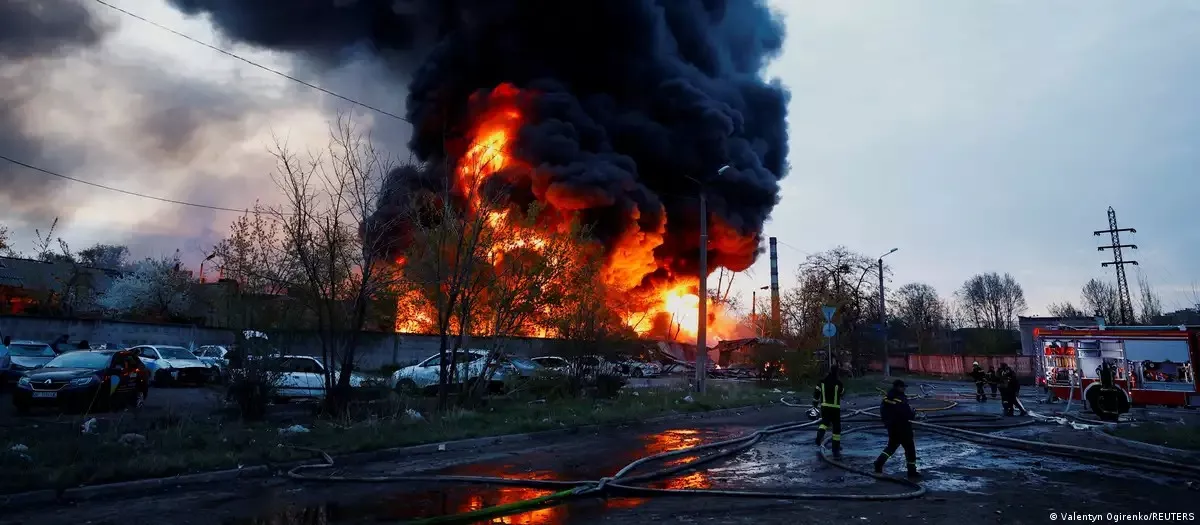
At the same time, Ukraine is living by the principle of “we just need to make it through the day, we just need to survive the night”: almost daily, missile and drone strikes hit three major Ukrainian cities — Dnipro, Odesa, and Kharkiv — forcing residents to leave. And it is no secret that population outflow brings economic problems in its wake.
Take, for example, the vast networks of supermarkets and hypermarkets spread across the country. They are designed for a much larger number of customers, but since that number has significantly decreased, the average spending in dollar terms has become much more modest. All of this, consequently, will sooner or later lead to a reduction in the number of retail outlets.
As for critical infrastructure, despite devastating attacks, it has held up: the electricity supply has been restored and is not currently being cut off. However, in Kyiv apartments, due to a drop in air temperatures across the country, it is now colder than in winter, and Kyiv residents are staying at home wearing warm robes, sweaters, and pyjamas. This inevitably raises thoughts about what awaits Ukraine in the coming winter if the war has not ended by then and Russian strikes on Ukrainian critical infrastructure continue.
Given such a scenario, in order to comprehensively prepare for the protection of critical infrastructure, regional military administrations together with local communities have developed resilience plans for the regions, and separately for major strategic enterprises such as Ukrenergo and Naftogaz.
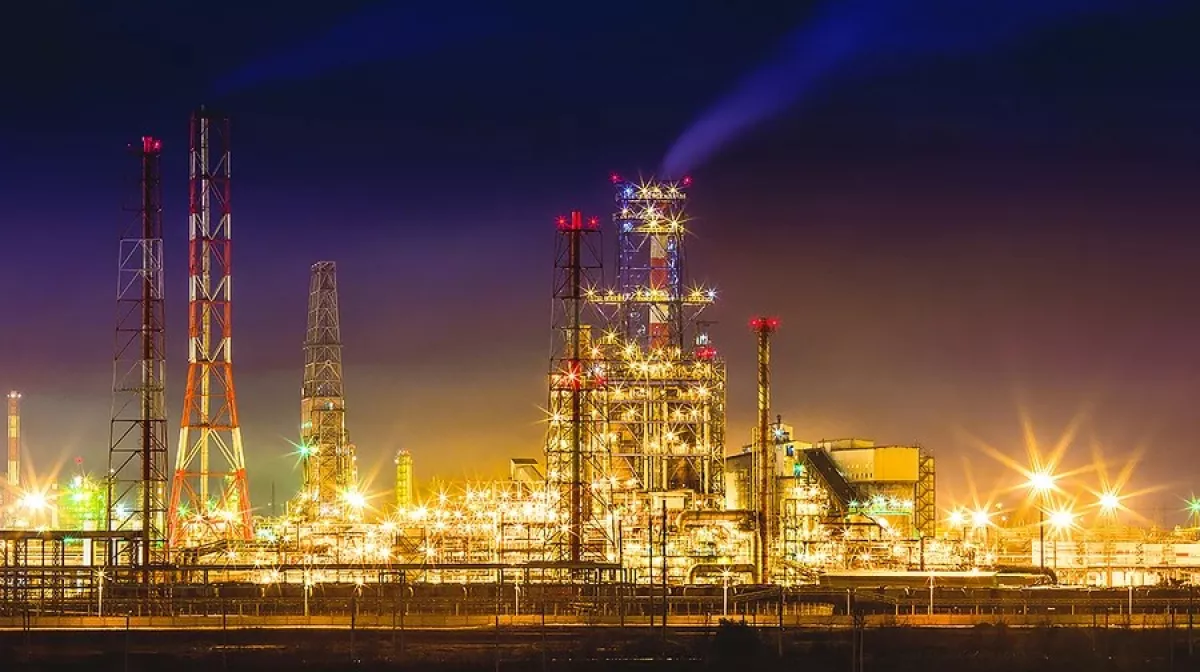
According to Deputy Prime Minister for Reconstruction of Ukraine and Minister for Communities and Territories Development Oleksii Kuleba, the document consists of four parts: protection of critical infrastructure facilities (not only energy, but all sectors, including housing and communal services within settlements or regions); development of distributed generation (mainly cogeneration units — with each city assigned its own KPIs: alternative sources must provide the capacity required to power critical infrastructure); and decentralisation of heat generation, water supply, and wastewater systems (ensuring alternative power sources with a capacity of at least 500 kW or 1 MW).
These measures are aimed at reducing infrastructure vulnerability, increasing resilience, and building backup capacity. However, according to Kuleba, they are effective only if there is a comprehensive approach consisting of seven protection elements at the intersection of military and civilian components.
“Only in this case can we say that the resilience of our critical infrastructure is truly such that it can withstand systematic attacks. This is a major task for the next decade,” the Deputy Prime Minister stated.
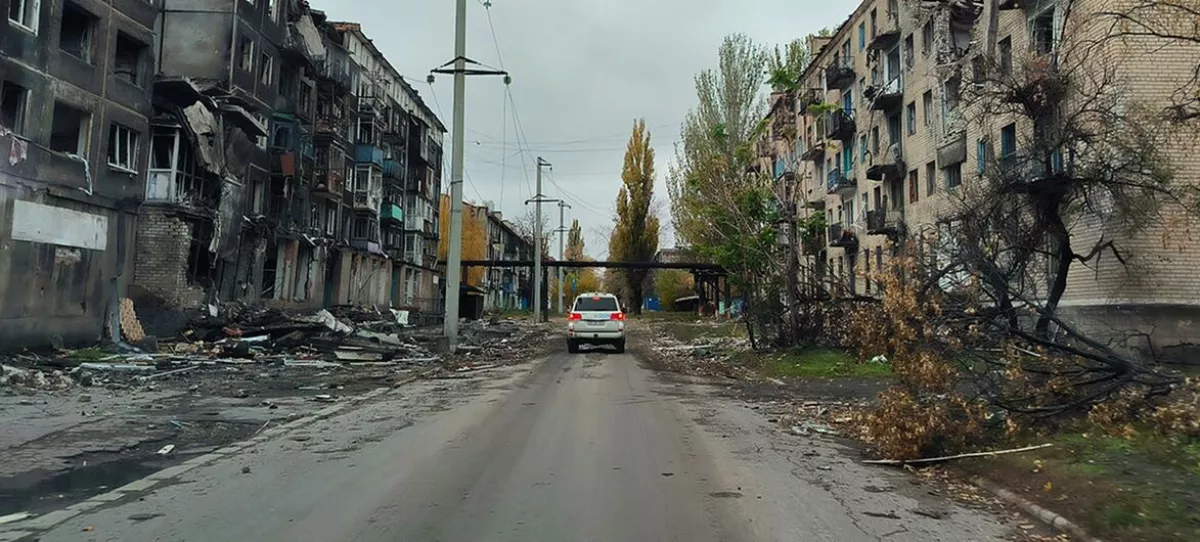
Naturally, all of this requires enormous costs, and in this regard it is worth noting that, according to an analysis by the international consulting firm McKinsey, Ukraine’s post-war reconstruction will require more than $800 billion, of which around $360 billion will be needed during the critically important first five-year period.
At the same time, analysts emphasise that raising such a volume of funds remains an extremely difficult task due to ongoing military and economic risks, including currency fluctuations and regulatory uncertainty. In addition, the World Bank had previously estimated reconstruction needs at between $486 billion and $588 billion; however, with continued destruction and inflation, this figure has been revised upwards.
Thus, if the war continues, the $800 billion required for Ukraine’s reconstruction could increase significantly. Meanwhile, the United States has largely ceased providing military and financial assistance to Kyiv, although the European Union continues to finance Ukraine. However, it should be taken into account that the situation in leading European countries is also far from favourable.
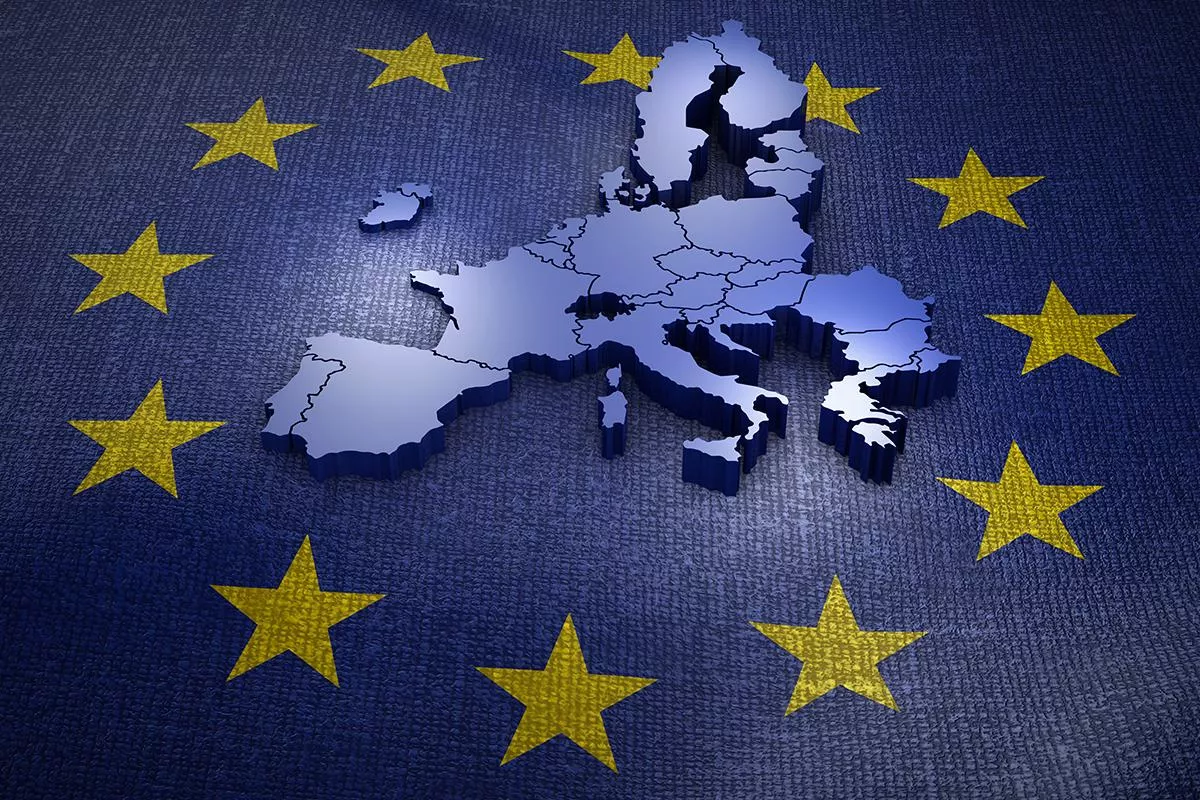
According to Eurostat, Italy has become the second country in the EU after France with a public debt exceeding €3 trillion: it increased by more than €100 billion over 2025, reaching €3.095 trillion. In France, this figure has surpassed €3.5 trillion. Germany’s debt also rose in 2025 by nearly €150 billion, to more than €2.8 trillion.
The ratio of public debt to GDP across all EU countries increased from 80.7% in 2024 to 81.7% in 2025. In Italy, this indicator stood at 137.1%, with only Greece higher at 146.1%. It is followed by France (115.5%), Belgium (107.9%), and Spain (100.7%).
These figures provide an objective picture of how challenging the issue of financial and military support for Ukraine already is for the European Union. It is reasonable to assume that this will become even more complicated going forward, and this will inevitably affect ordinary Ukrainians first and foremost.
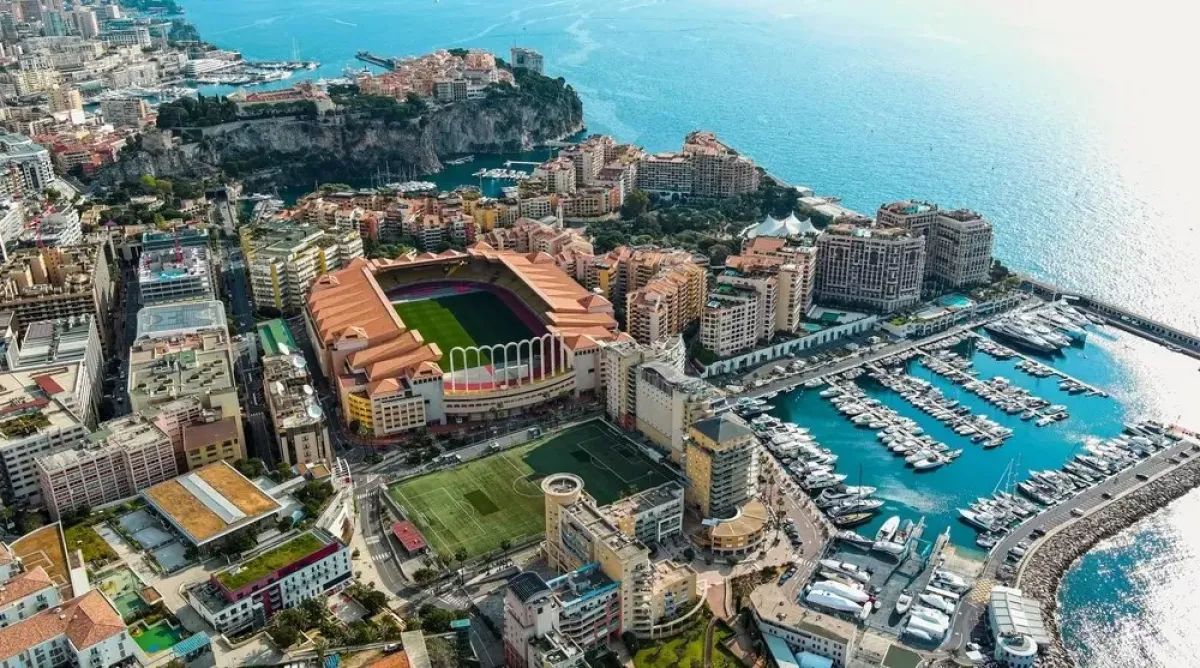
However, despite this, the Ukrainian oligarchic class appears to be doing extremely well, as evidenced by the following: the richest man in Ukraine, oligarch Rinat Akhmetov, who for many years was considered the “wallet” of former President Viktor Yanukovych, but who has managed to retain his influence and wealth to this day, has purchased a five-storey apartment in Monaco for €471 million. This deal has become one of the most expensive in the real estate sector.
The apartment is located in the most prestigious residential complex of the principality, on the seafront. The five-level property, with a total area of more than 2,500 square metres, is divided into 21 rooms and includes several balconies and terraces overlooking the Mediterranean Sea, as well as a private swimming pool, a jacuzzi, and eight parking spaces.
Here we see a classic example of a “feast during a plague”, which raises a legitimate question among many Europeans and citizens of other countries providing assistance to Ukraine: “Why has the promised de-oligarchisation announced during the Euromaidan not taken place?” The question is, of course, rhetorical, since it is evident that oligarchs continue to feel comfortable in a rapidly impoverishing Ukraine, shrinking both territorially and demographically.
And if the war with Russia eventually ends, under one set of conditions or another, the class of those who have become fabulously wealthy and who, in essence, rule the country, is unlikely to disappear.







 editor@caliber.az
 +994 55 444-88-98
 Азербайджан, Баку, ул. Низами, 203, Af Business House, 5-й этаж