










Pakistan–Saudi Arabia: The shield and sword of the Middle East Review by Artem Kirpichenok
In April of this year, a significant development took place that could impact the security landscape of the Middle East. On April 11, a Pakistani military contingent arrived at King Abdulaziz Air Base, located in eastern Saudi Arabia. The deployment includes several thousand troops, around twenty aircraft, as well as auxiliary aerial assets.
This operation was carried out under the “Joint Strategic Defence Agreement” signed between Pakistan and Saudi Arabia on September 17, 2025. The duration of the Pakistani forces’ presence in the Kingdom has not been disclosed.
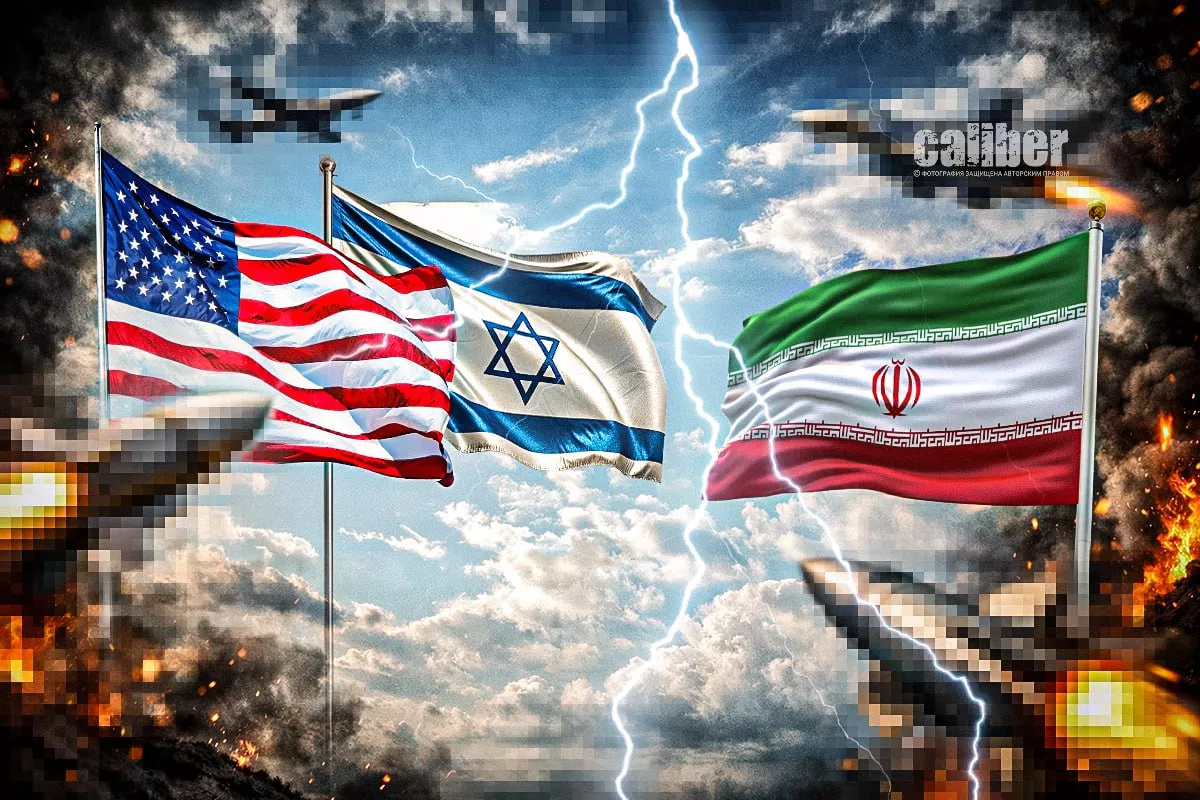
The need for such an agreement was clearly demonstrated by the war that began in February between the United States and Israel on one side, and Iran on the other. Its consequences included the death of Supreme Leader Ali Khamenei and other high-ranking Iranian officials, as well as the destruction of a significant number of military and civilian infrastructure facilities on Iranian territory. In response, Tehran launched intensive waves of drones and carried out missile strikes against targets in Israel, as well as military sites linked to American interests and oil facilities in the Gulf states, including Saudi Arabia.
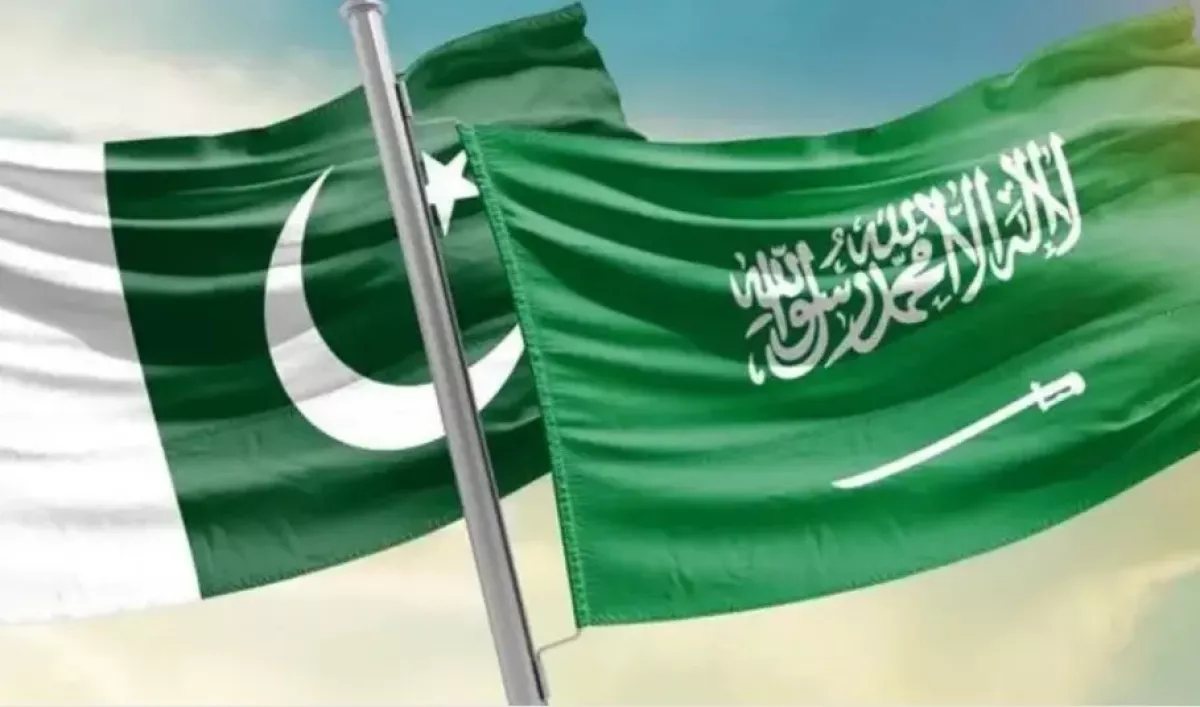
Against the backdrop of these developments in the Middle East, the “Strategic Mutual Defence Agreement” (SMDA) marks a new qualitative level in security relations between Riyadh and Islamabad. Signed by Crown Prince Mohammed bin Salman and Prime Minister Shehbaz Sharif, the agreement formalises a longstanding security partnership between the two countries that has existed for decades.
The full text of the document has not yet been published, but joint official statements by the parties clearly outline its main objectives: strengthening joint defence capabilities, enhancing operational readiness, and activating mechanisms for collective response in the event of an attack, including the use of “all military means.” The agreement explicitly states that “any aggression against either country shall be considered an aggression against both” — a formulation analogous to Article 5 of the North Atlantic Treaty. Given Islamabad’s possession of nuclear weapons, this implies a broad scope for political and diplomatic manoeuvre.
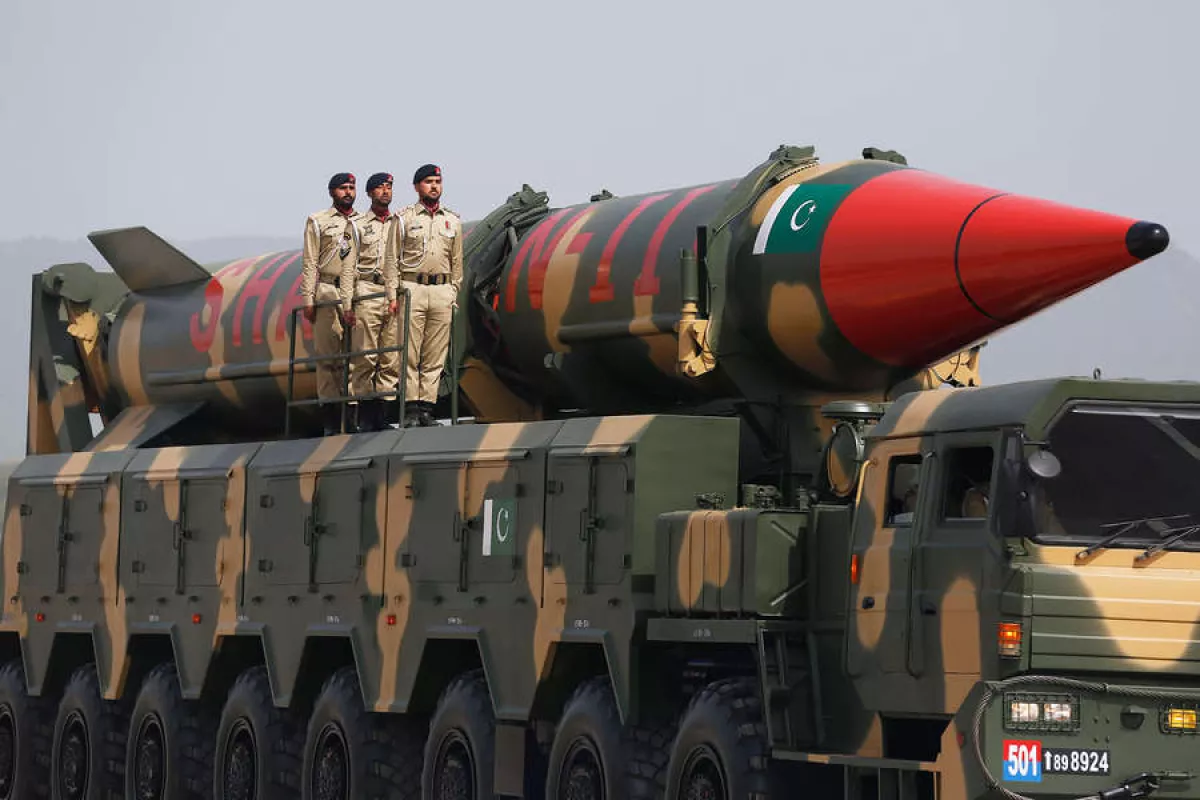
At the same time, as noted by Pakistani expert Atia Ali Kazmi, “the official text of the agreement contains no provisions relating to nuclear weapons. It is this primary source that should serve as the sole basis for interpreting the scope of the SMDA. Pakistan has always acted as a responsible nuclear state and does not transfer nuclear weapons or related technologies. The agreement with Saudi Arabia is defensive in nature and focuses on conventional and hybrid threats.”
“Through the SMDA, Pakistan seeks to deepen its engagement with Saudi Arabia, improve the exchange of intelligence and other information, expand the practice of joint exercises, strengthen counterterrorism cooperation, and enhance the protection of critical infrastructure and maritime zones,” Kazmi emphasised.
At the same time, the document has a long history behind it. Since the 1960s, Pakistan has trained thousands of Saudi soldiers and deployed its troops along Saudi Arabia’s borders during previous crises, such as the Gulf War in the 1990s. Whereas military cooperation had previously been largely “informal,” the new agreement provides it with a legal framework. For its part, Riyadh has extended significant economic support to Islamabad, including loans and investments in the oil sector. In addition, more than 2.5 million Pakistani citizens live and work in the Kingdom; in 2025, there was a notable increase in the number of Pakistanis employed in the construction and tourism sectors, including mega-projects such as NEOM.
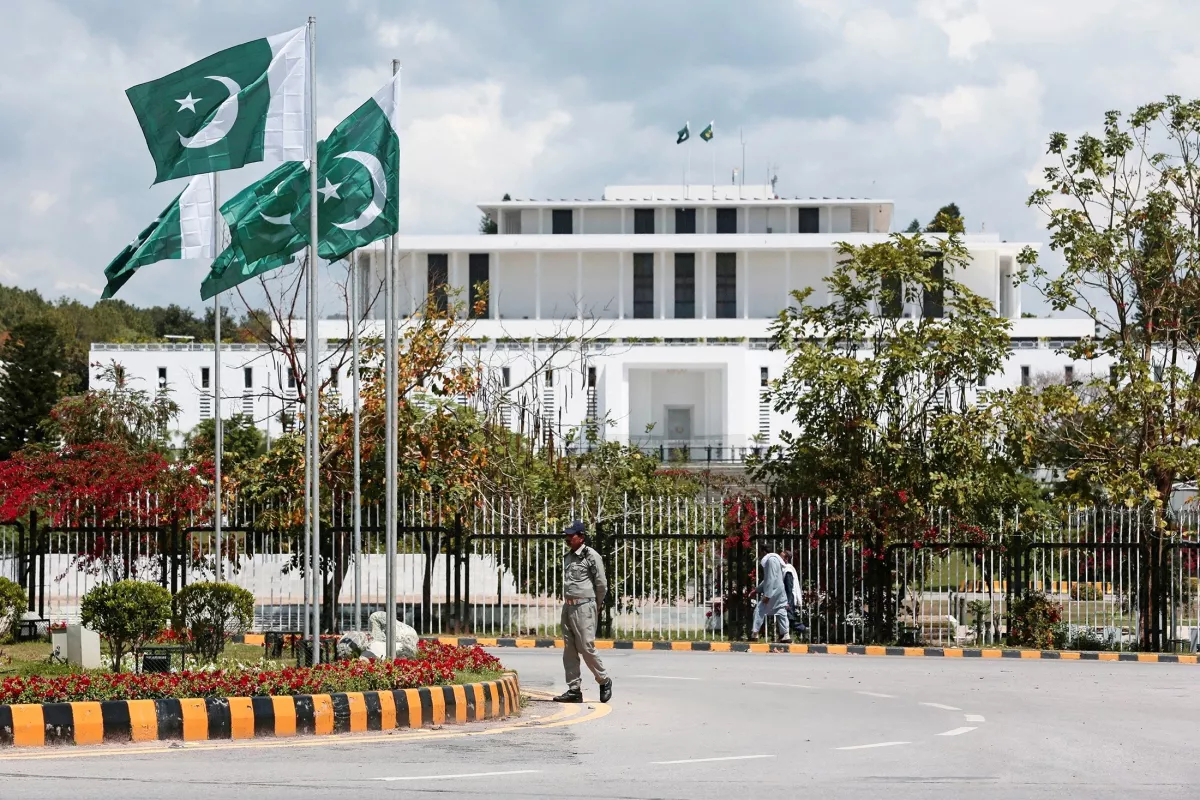
The backdrop against which the Pakistani contingent arrived in the Kingdom lends particular political and military significance to the move: the redeployment took place amid a fragile ceasefire and ongoing negotiations between American and Iranian delegations in Islamabad. Should events take an unfavourable turn, hostilities could resume at any moment. As a result, the developments indicate that Pakistan remains committed to the signed agreement and is ready to deploy troops to defend its ally, while also signalling to Tehran that any escalation could draw in states beyond the Persian Gulf region.
Notably, the Pakistani authorities are engaged in a complex political balancing act: on the one hand, they serve as a mediator between the United States and Iran; on the other, they are fulfilling their security commitments to Riyadh. In doing so, Islamabad is strengthening its regional standing as an actor pursuing a model of “positive neutrality,” while upholding its obligations to all parties involved.
The Pakistan–Saudi agreement represents a significant step in diversifying Riyadh’s defence policy amid Iran’s growing assertiveness, while also opening up opportunities to draw on Pakistan’s extensive experience in asymmetric warfare and strategic deterrence.
For its part, Pakistan, through this agreement, expands its “strategic depth” beyond the framework of its traditional conflict with India, while securing vital economic support from the Kingdom and strengthening its position as a key regional power in the Middle East.
Beyond the above, the deployment of Pakistani armed forces entails several immediate and long-term strategic consequences. On the military level, Pakistan’s presence strengthens Saudi Arabia’s defensive capabilities in the face of potential Iranian attacks, particularly in the Kingdom’s eastern regions where oil production is concentrated. It also opens up opportunities for joint training and technological exchange.
On the political level, it reshapes the regional alliance map, contributing to the consolidation of a bloc counterbalancing Iranian influence and reinforcing long-standing financial ties between Pakistan and Saudi Arabia. At the same time, however, there is a risk that the deployment of Pakistani troops could be perceived as an escalation undermining ceasefire efforts, and interpreted by the Islamic Republic of Iran as overt partiality, potentially jeopardising Islamabad’s relations with Tehran.
In the medium term, the Pakistani military presence is expected to contribute to strengthening joint deterrence against any form of Iranian activity, particularly in the event of a breakdown of negotiations in Islamabad. It may also lead to a higher level of combined operational readiness and potentially to joint training exercises and coordinated air patrols over the Persian Gulf.
In addition, the arrival of Pakistani troops in the Kingdom represents a strategic shift, reflecting a reconfiguration of the regional security architecture in the context of the war between the US–Israel bloc and Iran. More importantly, it demonstrates the ability of regional states to build effective alliances and confirms that stability in the Persian Gulf depends not solely on American security guarantees, but increasingly on a system of multilateral agreements.
However, the success of this deployment still depends on the ability of Pakistan, Saudi Arabia, the United States, and Iran to restrain escalation and ensure the progress of negotiations. Otherwise, the Middle East could once again descend into a cycle of confrontation and instability.







 editor@caliber.az
 +994 55 444-88-98
 Азербайджан, Баку, ул. Низами, 203, Af Business House, 5-й этаж