










French ambitions vs European scepticism Macron’s autonomy strategy is falling apart
Amid a large-scale geopolitical transformation and regional crises, the concept of “strategic autonomy” for Europe, actively promoted by French President Emmanuel Macron, is gradually becoming part of the broader European political agenda.
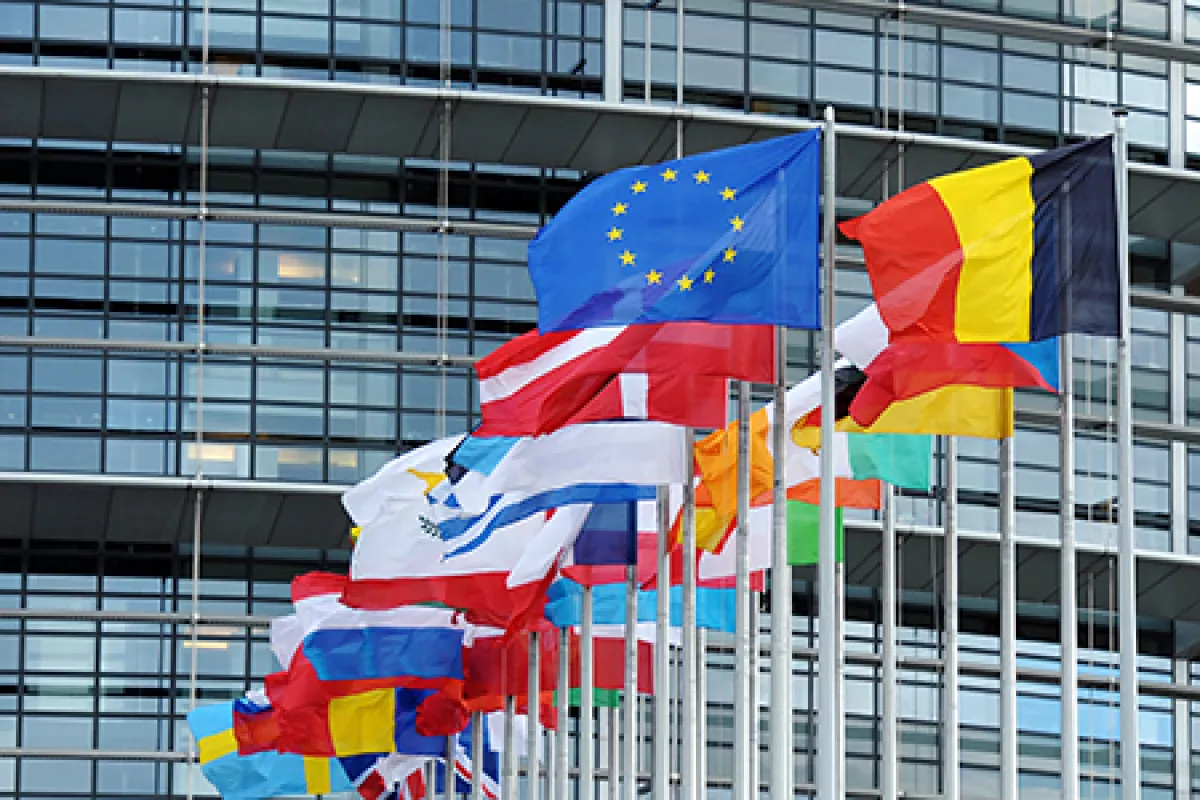
At the same time, the situation within the EU in this direction is as follows: Paris is the main ideologue and “driving force” of this doctrine, which is supported with much less enthusiasm, though still to some extent, by Italy and Germany, which place emphasis on the EU’s economic self-sufficiency and the development of competitive defence structures. Meanwhile, countries such as Poland, Estonia, Latvia, and several others remain sceptical of the idea of autonomy, prioritising security within the NATO framework and cooperation with the United States.
Thus, this concept does not enjoy unanimous support within the European Union, which, on the one hand, gives little hope for its rapid implementation in practical terms, and on the other, indirectly points to a political imbalance within the structure. However, statements coming from the Élysée Palace suggest that the “Cold War” allegedly declared by the United States on the European Union in the form of Macron’s France has already begun through global rivalry and ideological confrontation.
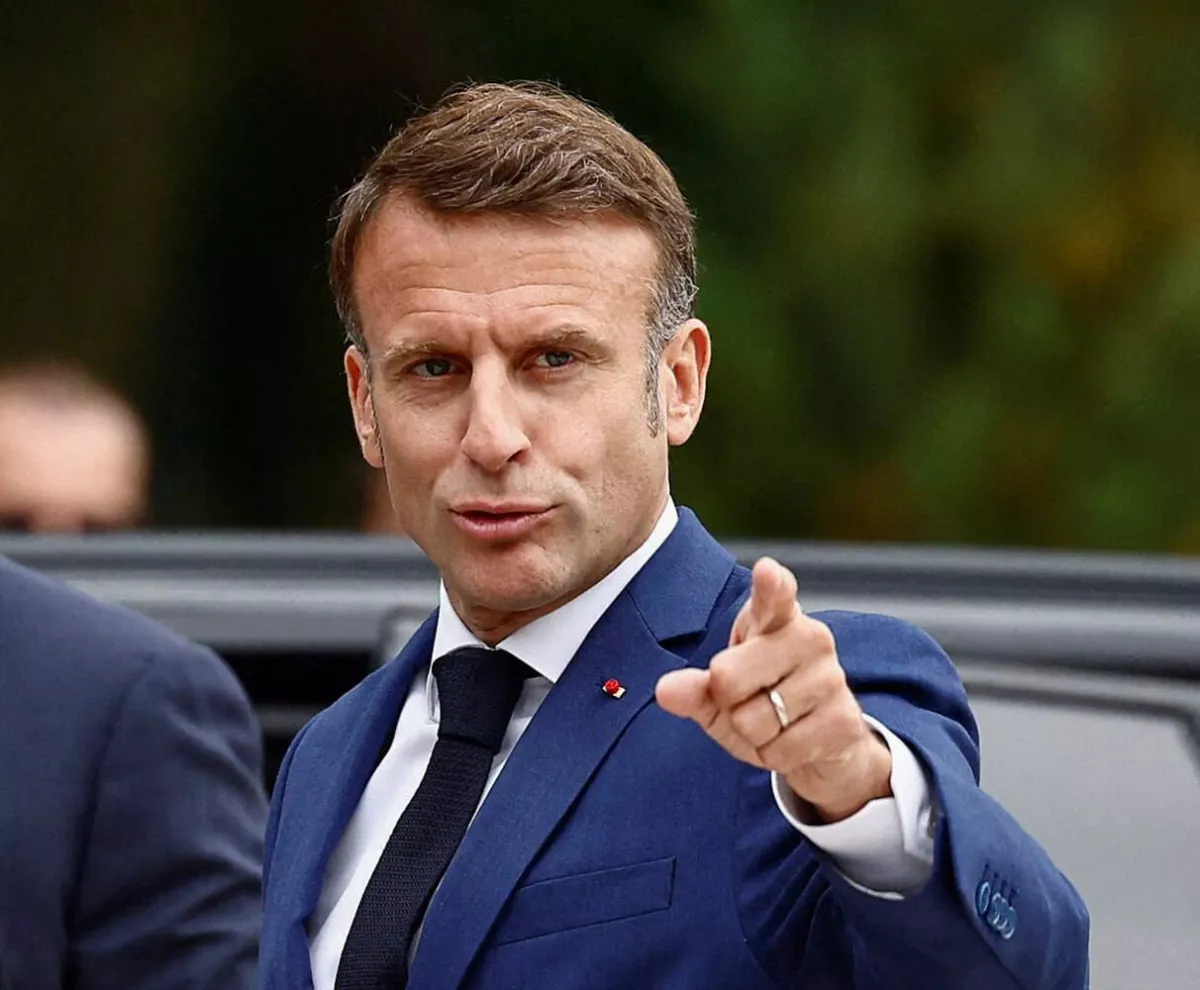
In particular, the French leader stated during a discussion in Athens that the United States has ceased to be a reliable ally for Europe, as Washington does not place European interests at the forefront, which forces the Old Continent to strengthen its independence.
“Everybody sees that the number one power, the US, could be an ally for certain countries, but this ally is not so much certain,” he said, stressing that the leaders of the United States, Russia, and China are acting in a united front against European interests.
It can be assumed that Macron’s latest outburst regarding European independence is a straightforward continuation of the promotion of the EU’s so-called autonomy, in which Paris sees itself as the leading force in the struggle against the hegemony of the United States and China. This conclusion is also supported by his statement that the “America First” doctrine is not merely a personal trait of Donald Trump, but a long-term strategic course of the United States: “We have to be lucid on the US strategy…This is not just Trump’s character or behavior. The United States, I would say, for now 15 years, decided the number one issue is America — America first. The second priority is China…Their strategies just don’t put European interests at the center."
Notably, Macron expressed similar views during his recent visit to Japan: “We can pursue this strategy and achieve results within this agenda while remaining in a safe position with respect to China’s hegemony or the increasingly extensive hegemony of the United States.”
Macron’s open challenge to the United States is primarily aimed at reducing Washington’s influence in Europe, which remains significant to this day. This is quite natural, considering that it was the United States that contributed to the creation of the EU and continues to be its key partner.
Even despite current tensions in relations, the United States still plays a central role in Europe’s defence architecture through NATO, and despite all the French leader’s bold statements, the EU’s dependence on the American security umbrella remains high. In this context, a rather legitimate question arises: What can France actually offer Europe in terms of security if it is unable to resolve its own internal problems, of which there are many?
According to international experts, the main crisis areas of the Fifth Republic include political governance, public finances, socio-political stability, and industry. In particular, France’s public debt exceeded €3.5 trillion by the end of 2025, surpassing EU benchmarks, while the budget deficit remains high (around 5.1% of GDP, significantly above the EU’s 3% limit). All this is forcing the government to implement strict austerity measures, which in turn is triggering waves of public protest.

Notably, the latest mass protests swept across France in September 2025, with hundreds of thousands of participants taking part. They opposed austerity policies and demanded higher wages and improved working conditions. The demonstrations were accompanied by strikes and calls to “block everything”.
At present, the situation in the country has deteriorated further, as openly noted in an article published by the Radio France Internationale (RFI), which warns of an impending strike amid concerns that French prisons are unable to cope with the growing pressure. This, in turn, highlights persistent problems within the country’s penitentiary system.

Systemic crisis in France is also being recorded by credit rating agencies, which have downgraded not only Emmanuel Macron’s standing but the country’s overall credit profile, casting doubt on its ability to manage public finances. Thus, in September 2025, Fitch Ratings downgraded France’s long-term credit rating to “A+” from “AA-”, marking at that time a historic low for the country. The main reasons cited were high political instability, a significant budget deficit, and rising public debt, which, according to forecasts, could reach 120% of GDP by 2028, as well as a slowdown in economic growth in 2025 to 0.9%.
In addition, Macron’s ambition to turn France into the dominant power in Europe under the strategic autonomy agenda is overshadowed by two key factors: the limited financial resources of Paris compared to Washington’s capabilities, and the reluctance of key allies – Berlin and Rome – to see the Fifth Republic in the role of Europe’s leading state. Thus, the French president’s efforts appear increasingly destined to fail and resemble an attempt to present a positive image in a very unfavourable situation.







 editor@caliber.az
 +994 55 444-88-98
 Азербайджан, Баку, ул. Низами, 203, Af Business House, 5-й этаж