










Pakistan’s role in US–Iran talks fuels India’s strategic anxiety Analysis by Artem Kirpichenok
Islamabad’s prominent role in the negotiations between the United States and Iran has sparked notable discontent among Indian politicians toward the Modi government, while also heightening concerns about India’s future standing on the global stage.
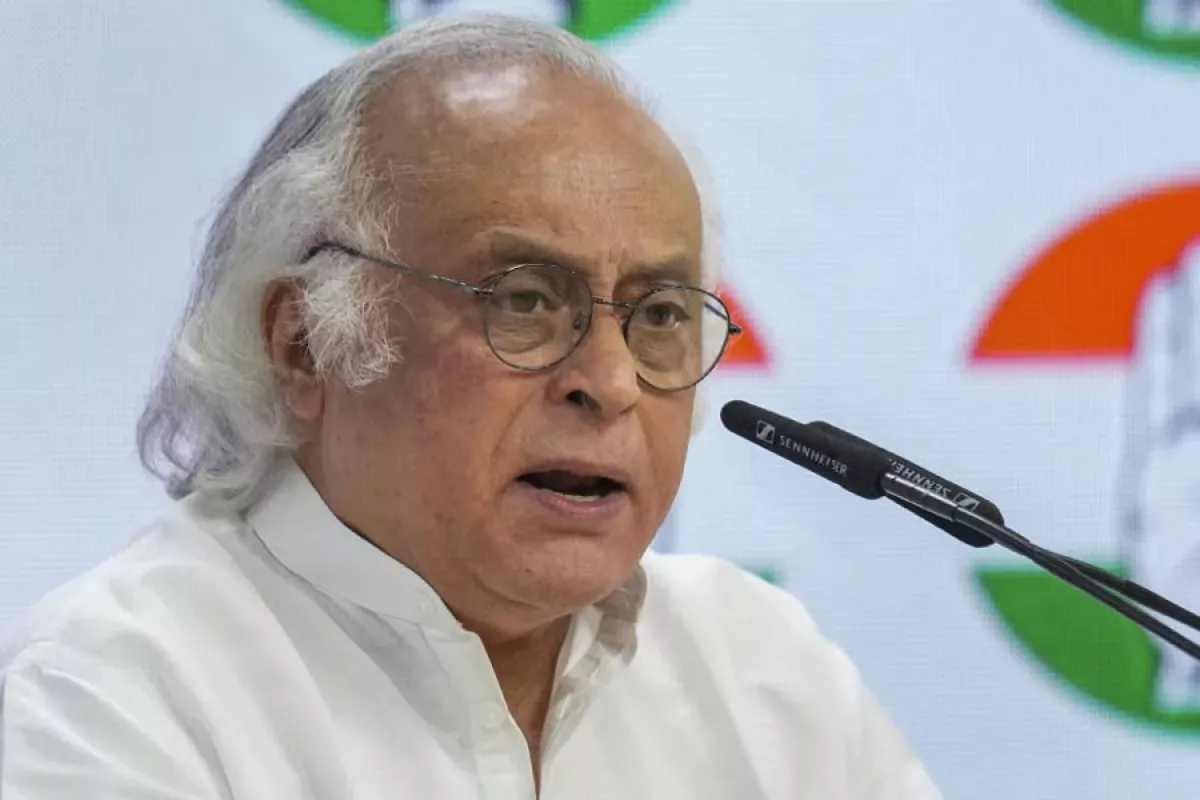
In particular, members of the opposition Indian National Congress (INC) have sharply criticised the prime minister’s policy, describing the situation as a serious diplomatic setback for New Delhi. Equally troubling for Indian observers are the warm relations between Pakistan’s Field Marshal Asim Munir and U.S. President Donald Trump—a rapprochement they view as a potential threat to India’s national interests.
As INC leader Jairam Ramesh noted, “[...] it is for now playing a pivotal diplomatic role. [...] It is abundantly clear that the substance and style of Prime Minister Modi’s regional and global engagement and narrative management have failed to isolate Pakistan which has received a whole new branding.”
The opposition also points out that Pakistan has secured financial assistance from Saudi Arabia and Qatar to help repay its international debts, significantly easing Islamabad’s economic situation. As we can see, Pakistan’s mediating role raises difficult and uncomfortable questions for India—chief among them: could New Delhi have at least demonstrated an intention to act as a mediator in Middle Eastern negotiations, which are of critical importance, including for India itself?
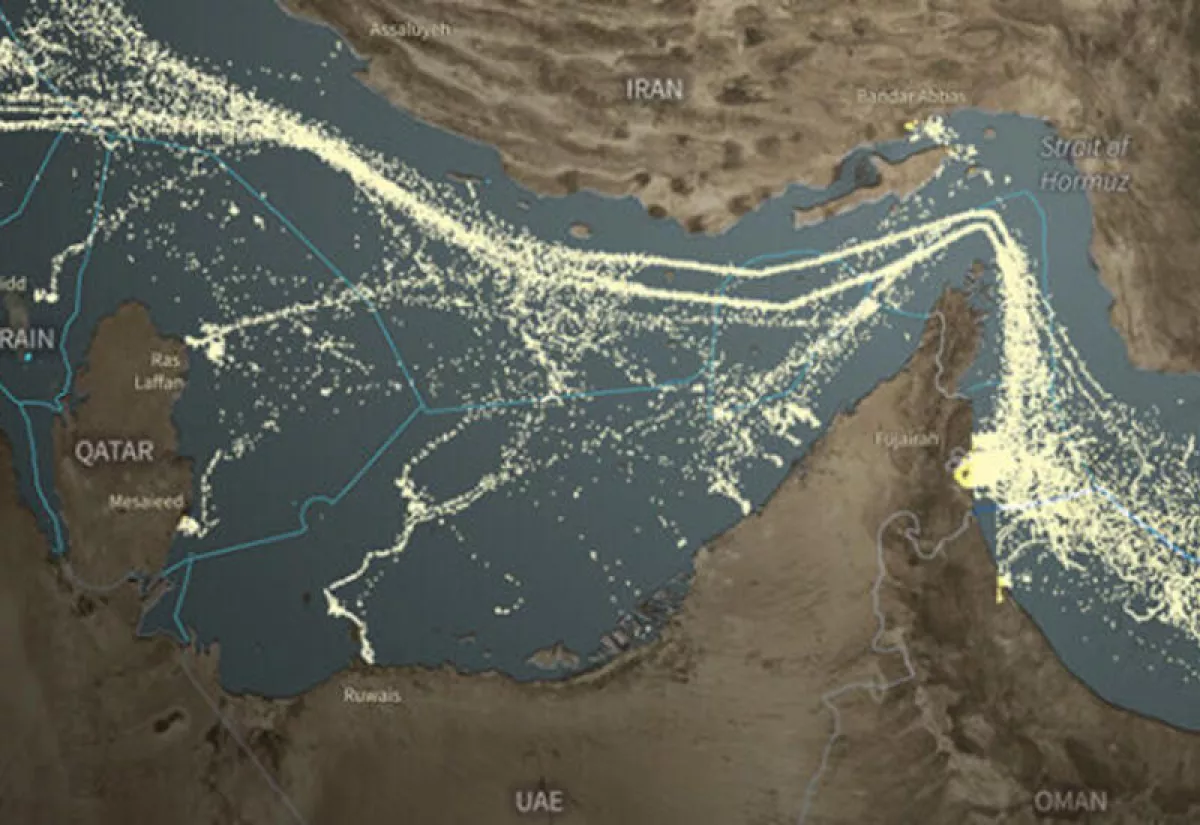
In answering this question, it is first important to emphasise that the energy crisis triggered by rising oil prices has proved nearly catastrophic for India. The country imports about half of its oil and 60 per cent of its liquefied natural gas from the Middle East, with a significant share of these supplies passing through the Strait of Hormuz. The conflict has caused an oil shock that has shaken the Indian economy.
Migrant workers, already struggling to make ends meet in urban centres, are now flocking to railway stations in an attempt to return to their villages. Factories have shut down due to uncertainty in energy supplies. A shortage of fertilisers is threatening the country’s food security, while the Indian rupee continues to fall sharply.
A report by the United Nations warns that a war involving Iran could push up to 2.5 million Indians into poverty. At the same time, the Indian government has been unable to contain these economic challenges stemming from tensions in the Middle East.
Thus, it follows that it was critically important for India to position itself as a mediator between the United States and Iran; however, the Modi government lacked the necessary tools to assume such a role.
At the same time, Islamabad has found itself at the centre of global diplomacy, reaping both political and economic dividends. Notably, Pakistan plays a key role in U.S.–Iran negotiations thanks to its policy of strategic balance.
In particular, Washington, for strategic reasons, prefers to engage with this state, as American investors have played a significant role in Pakistan’s economy over the past two decades. For the White House, this alignment represents a kind of strategic asset, enabling it to maintain its presence even beyond the battlefield.
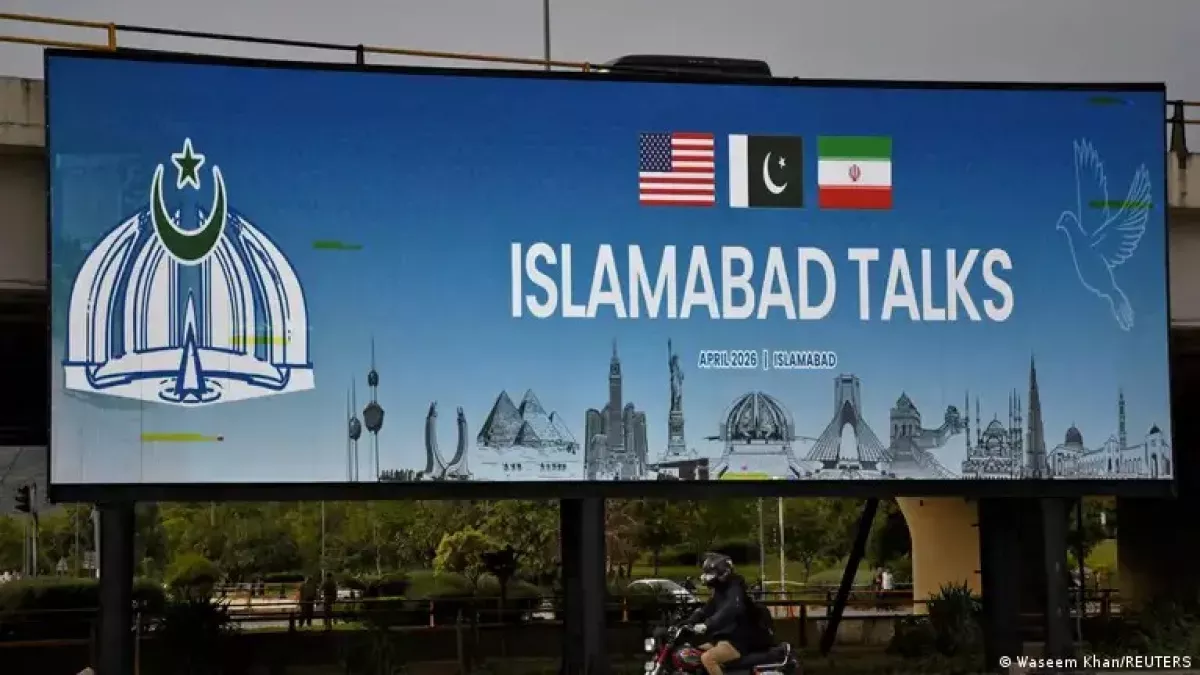
On the other hand, Pakistan’s immediate geographic proximity to Iran and its established diplomatic ties with Tehran ensure smooth logistics and coordination between the two sides. In this way, Islamabad uniquely balances its alignment with the White House while maintaining sufficient distance from the anti-Iran coalition. At the same time, the closeness of the Pakistani establishment to China provides its efforts with broader international backing.
In this context, the transport and logistics dimension should not be overlooked. In recent years, India has invested around $370 million in the development of the Chabahar Port, which, according to New Delhi’s plans, was intended to channel cargo from Central Asia while bypassing Pakistan. Since becoming operational, more than eight million tons of cargo have passed through it, seemingly justifying these expectations.
However, following the start of negotiations in Islamabad, the importance of the Gwadar Port has once again increased. Located within the China–Pakistan Economic Corridor and linked to the Belt and Road Initiative, this port city has, quite literally, acquired strategic significance as a lever of influence for Islamabad over both Washington and Beijing.
In the broader geopolitical context, it should be noted that the position India has taken in the conflicts of the past decade has proven unable to withstand the test of crisis.
As a result, the doctrine of “strategic autonomy” and “splendid isolation” pursued by the Indian government has failed to justify itself under current conditions of turbulence. This has led to New Delhi ceding the initiative to Pakistan—a development that, according to the Indian opposition, reflects incompetence and is entirely unacceptable for a state that positions itself as an emerging superpower.







 editor@caliber.az
 +994 55 444-88-98
 Азербайджан, Баку, ул. Низами, 203, Af Business House, 5-й этаж