










While stones remain silent How Azerbaijani heritage erased in Armenia
In the Yerevan municipality — for the fifth time in three years, as the newspaper “Golos Armenii”, close to Serzh Sargsyan, has noted — discussions are once again underway on what to do with the Kond quarter. Competitions, projects, international commissions, French specialists, references to a Moscow urban planner, and mention of Harutyun Khachatryan’s 1988 documentary film — everything is being repeated with striking regularity.
The quarter, according to the publication itself, has stood since the 17th century on a hill one and a half kilometres from Republic Square, occupies sixteen hectares, and remains almost the last tangible fragment of old Yerevan. The author of “Golos Armenii” expresses sympathy for the residents who have been waiting for the “promised” changes for five years.
In the long article about the fate of the 17th-century quarter, there is only one word missing — the one by which this neighbourhood was known to its first inhabitants: Azerbaijani Tepebashi — “hilltop.”
Behind all this lies a method refined over centuries.
According to the results of the first general census of the Russian Empire in 1897, there were 313,176 Azerbaijanis in the Erivan Governorate. At the beginning of the 20th century, on the territory of the governorate, as recorded in official reference books of the Russian Empire of that period and in subsequent sources, there were 310 mosques in operation.
Today, on the entire territory of the Republic of Armenia, only one mosque has physically survived — the Blue Mosque, built in 1760–1765 by decree of Hussein Ali Khan Qajar, the ruler of the Erivan Khanate. Since the mid-1990s, this sole surviving mosque has been presented to tourists, delegations, and UNESCO as “Persian”: its restoration in 1994–1998 was funded by Iran, to which Yerevan officially granted usage rights to the building in 1995.
In 2015, Prime Minister Hovik Abrahamyan and First Vice President of the Islamic Republic of Iran Eshaq Jahangiri took part in an event marking the 250th anniversary of the monument, during which Abrahamyan announced an Armenian-Iranian bid to include the mosque on the UNESCO World Heritage List as a joint Iranian-Armenian monument.
The word “Azerbaijani” is absent from official statements in Yerevan and Tehran when referring to this building.
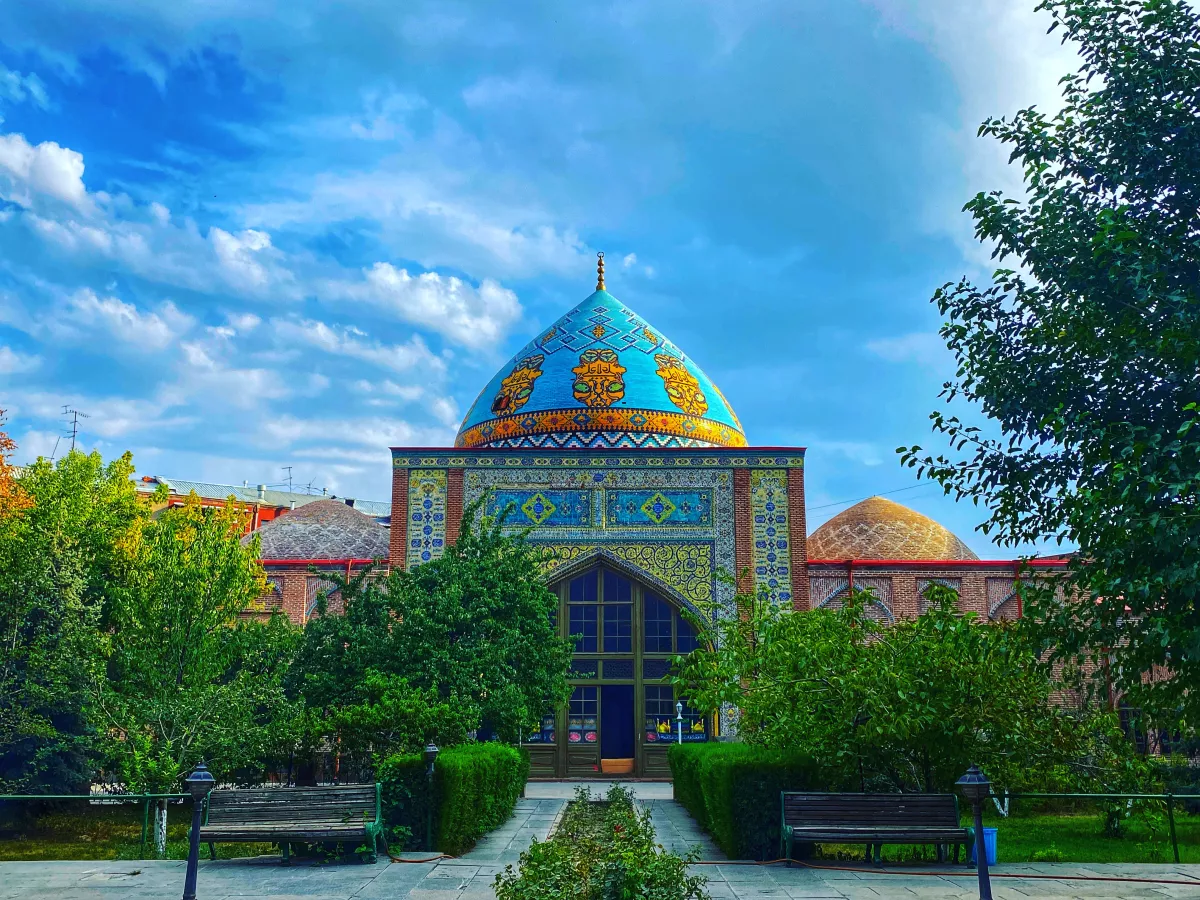
This mechanism of substitution was briefly described two decades ago by Thomas de Waal, the author of Black Garden: erasing the Azerbaijani mosque was made easier by the fact that until the 20th century Azerbaijanis in Russian imperial and Soviet literature were referred to as “Tatars”, “Turks”, or simply “Muslims”, and under any of these labels one could, when needed, conveniently substitute an Iranian, Turkmen, or anonymous “Muslim” origin.
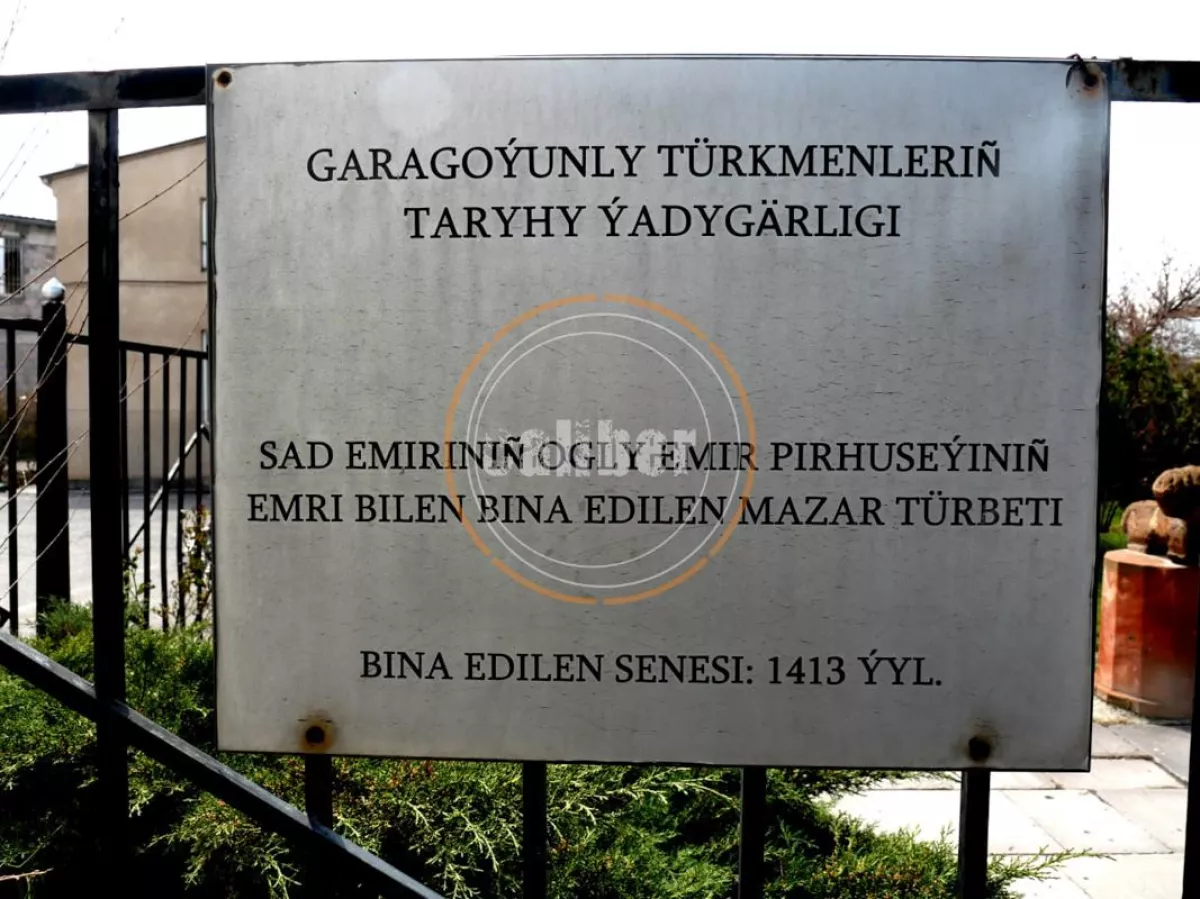
And now about the rewriting of attribution. The Emir Saad mausoleum in the village of Jafarabad near Yerevan, built by Emir Saad’s son Pir-Hussein in the early 15th century, received a certificate as a “Turkmen architectural monument”: Turkmen scholars and the Armenian Catholicos held a joint ceremony of “blessing” it as a “common architectural monument of the Armenian and Turkmen peoples”, although neither Turkmen nor Armenians had ever lived in the village of Jafarabad.
The Selim caravanserai above the village of Aghkend in the Daralayaz district, which locals called after Shah Abbas, was presented to the international community after the deportation of the Azerbaijani population in 1988 as an Armenian medieval monument. The Loru Gala mosque in the Lori district, dating back to the 12th century, was converted into an Armenian church.
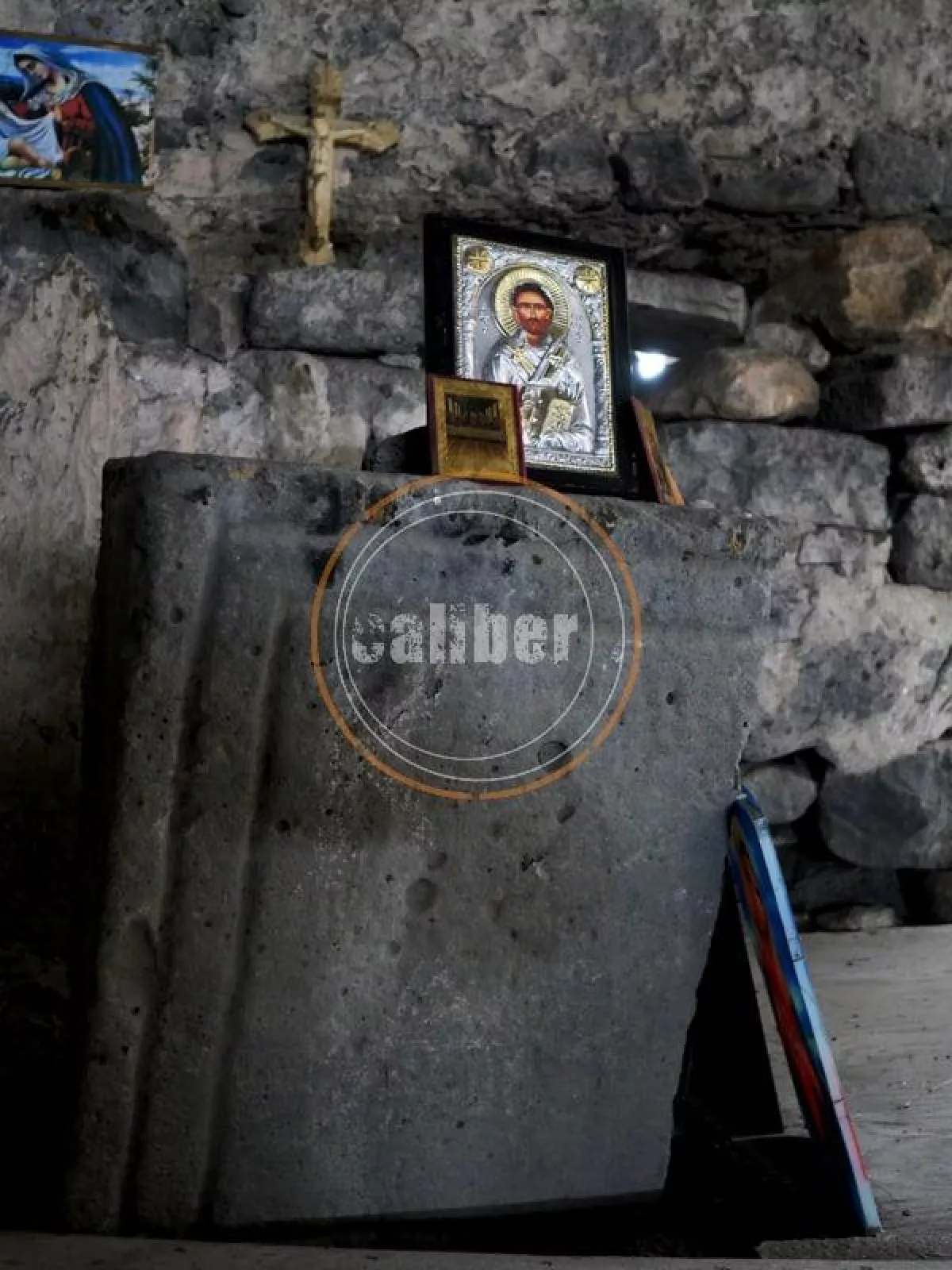
The Blue Mosque — “Persian”, Emir Saad — “Turkmen”, Selim — “Armenian monument”, Loru Gala — “Armenian church.”
And what could not be rewritten was demolished.
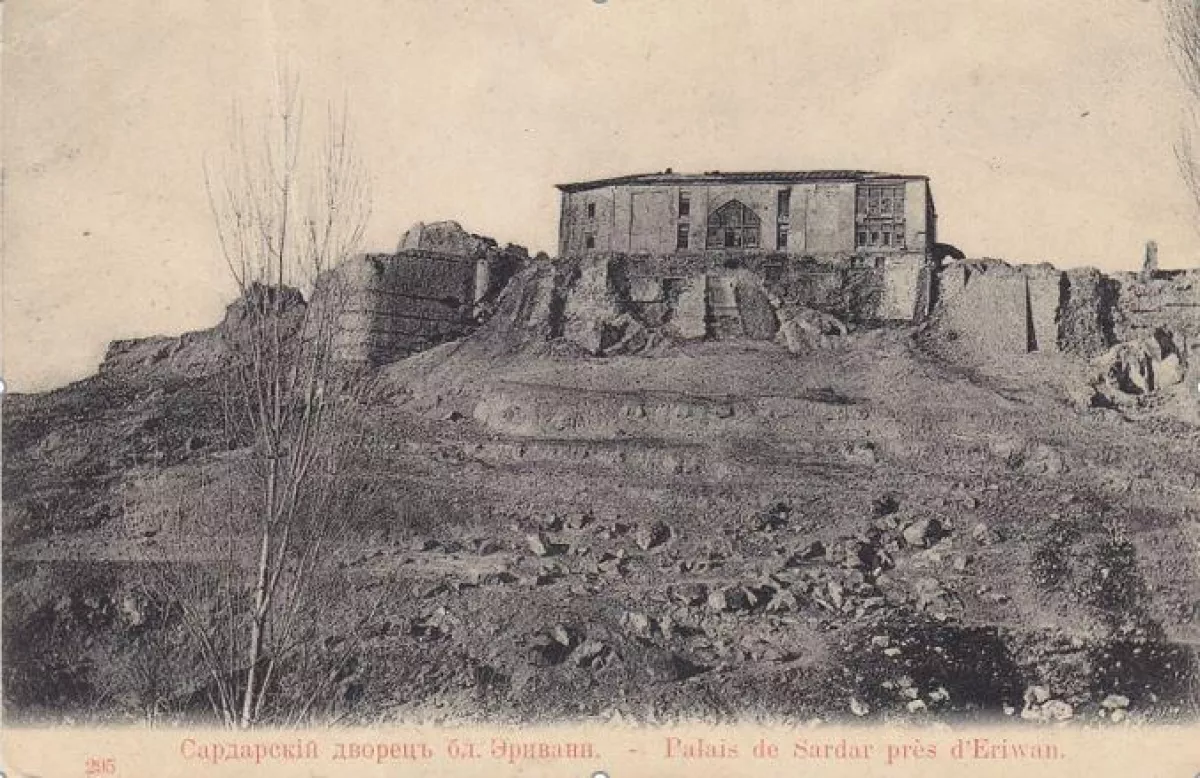
The Erivan Fortress, built in 1582–1583 and including the Sardar Khan’s palace, two mosques (Rajab Pasha and Abbas Mirza), a harem, a mint, a gunpowder storage, bathhouses, and more than 120 structures, began to be dismantled for construction materials from 1864 onward.
The Sardar’s palace — the very one whose Mirror Hall was visited by Nicholas I in 1837, where he left his autograph, and where Griboyedov went to see the frescoes by the Azerbaijani master Mirza Gadim Iravani — was described as comparable in splendour to the Hasht Behesht in Isfahan and the Tiled Pavilion in Istanbul. By the end of the 19th century, it had been “systematically destroyed by Armenian vandals until it was completely wiped off the face of the earth” — a formulation taken from the academic publication IRS Heritage.
In the 1920s, after the establishment of Soviet power, the Armenian leadership, according to Alexander Tamanian’s master plan, continued the demolition of everything that reminded the city of its Azerbaijani past. By the 1930s, the old fortress had been virtually erased, and in the 1960s its last remnants were destroyed using heavy machinery.
In 1936, the city formerly known as Erivan received its current name, Yerevan — a soft correction that ultimately removed any trace of its connection to Revans, Iravans, and the Azerbaijani khanate.
The physical demolition went hand in hand with a semantic one.
The Haji Novruzali Bey Mosque and the Haji Jafar Bey Mosque were destroyed in the 1930s during the same “reconstruction of the city centre” campaign.
The Rajab Pasha Mosque, built in 1725, was demolished in the 1930s, and a Russian Orthodox church was erected in its place.
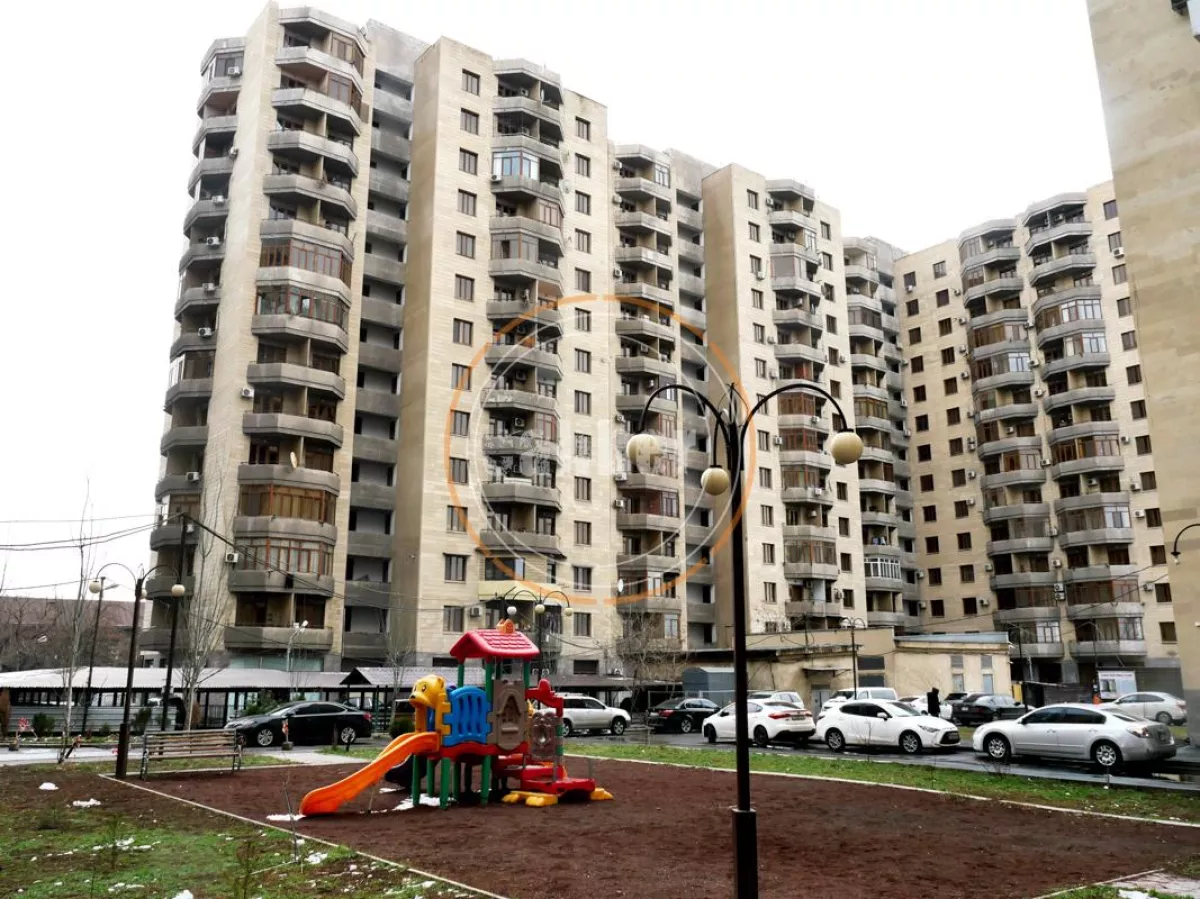
The Sardar Mosque — also known as the Shah Abbas Mosque or the Abbas Mirza Mosque — a 16th-century monument that had stood within the fortress for four centuries, was gradually erased under modern multi-storey development. Today, the “Glendale Hills” residential district stands on its site.
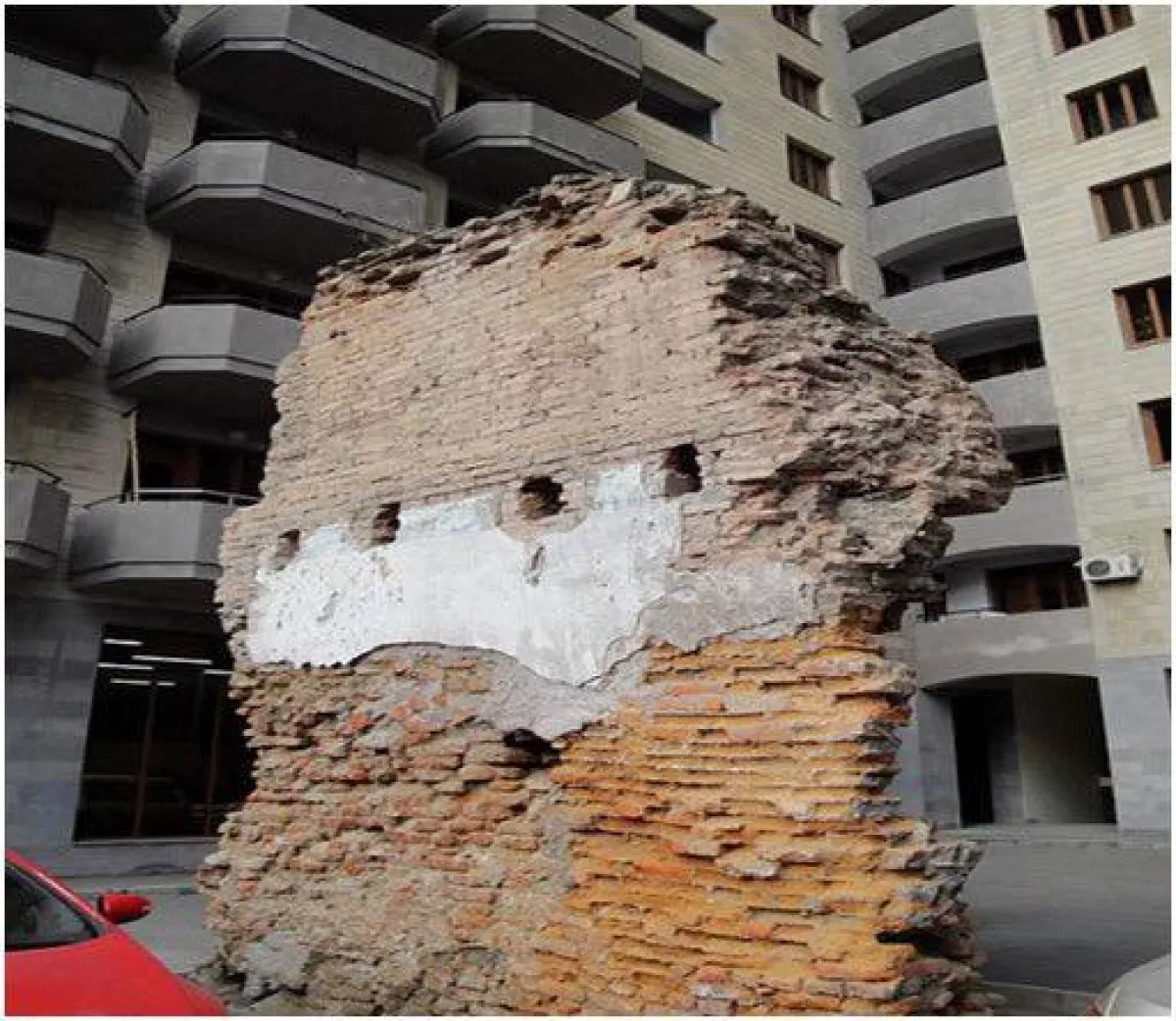
Just a few years ago, it was still possible to see the last surviving fragment of the mosque’s wall there
And now it looks like this:
The Chetirli Mosque, built by Haji Muzaffar Agha in 1909 and functioning until the late Soviet period, was officially renamed the Demirbulag Mosque in administrative documents according to its location.
A certificate dated August 17, 1981 issued by the Council for Armenian Church Affairs under the Council of Ministers of the Armenian SSR states that the head of the executive body of the Demirbulag Mosque was Akbar Jafar oglu Babayev.
Another certificate dated June 2, 1985, issued by the same body, refers to the installation of a security system in the Demirbulag Mosque located at 145 Narimanov Street, Myasnikyan district (today Vardanants Street).
On February 23, 1988, Armenian militants set fire to the Demirbulag Mosque and to Azerbaijani Secondary School No. 9 named after Mirza Fatali Akhundov. Later, in order to conceal traces of the fire, the mosque’s walls were painted over. This was done to present visiting foreign journalists with a demonstration of alleged goodwill by Armenians towards Azerbaijanis.
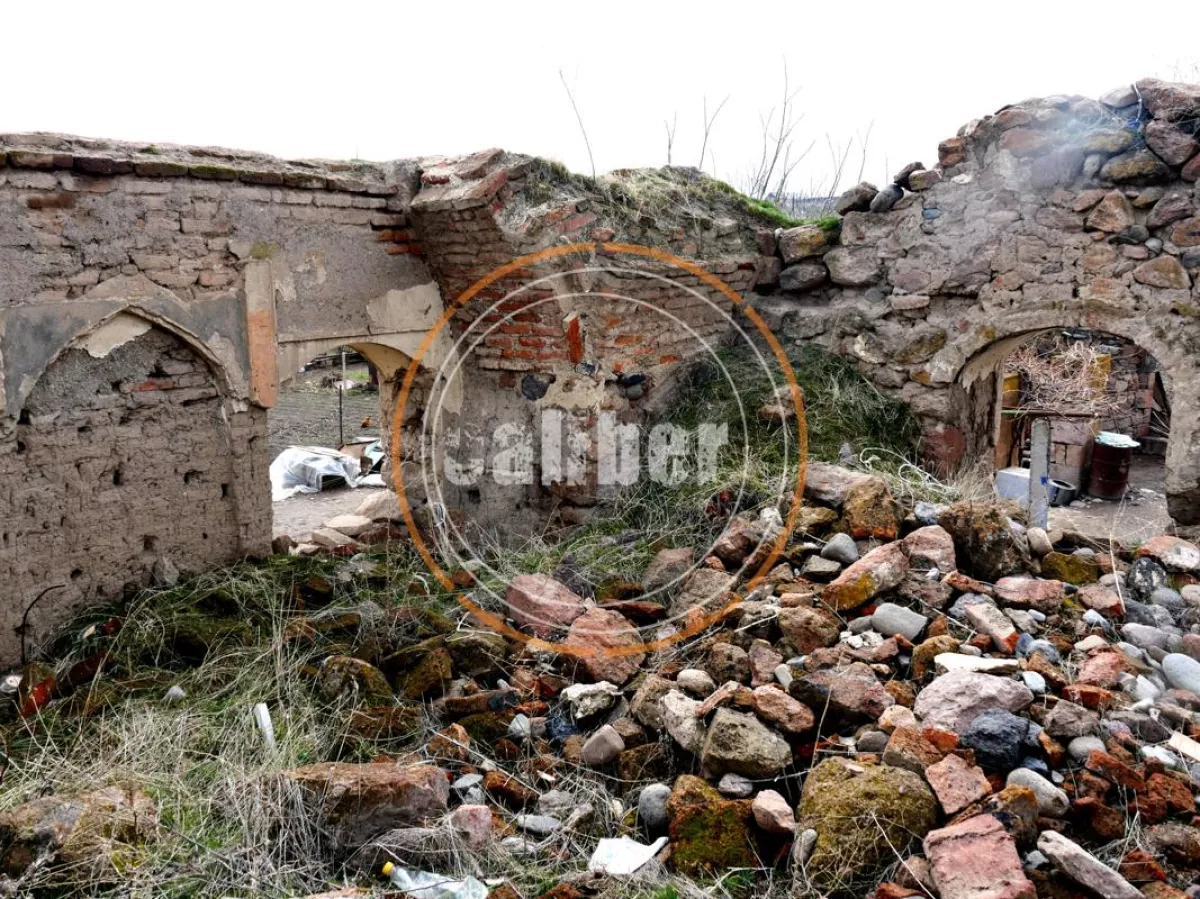
The Tepebaşı Mosque in the Kond district was also demolished at the same time; the vacant lot in its place is one of the sites whose photographs were brought to Baku in May 2022 by a Caliber.Az film crew.
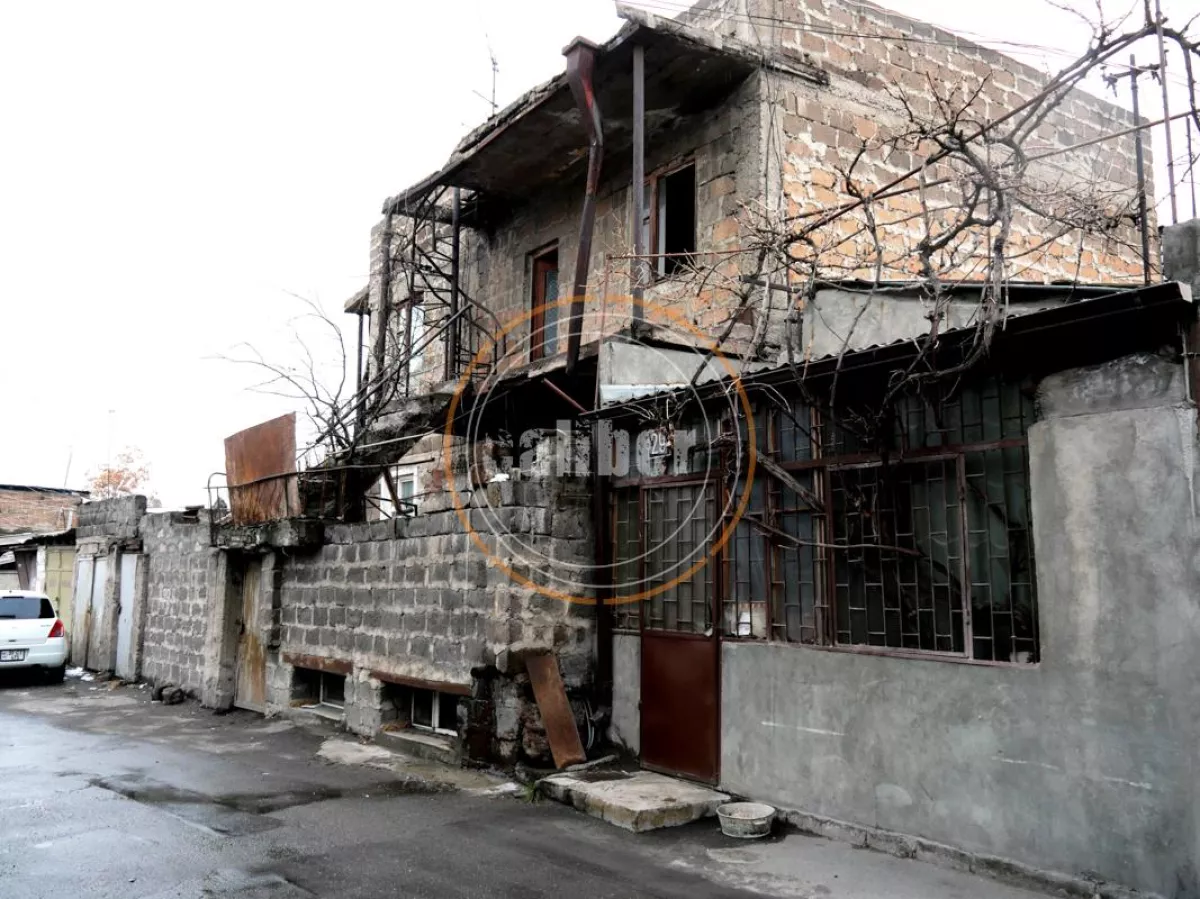
Armenians have built slums in and around the mosque's courtyard
The demolition of the mosque was a severe blow to religious heritage, but it did not stop there. The goal was to erase even the slightest trace of Azerbaijani presence. In this context, acts of vandalism followed — the destruction of Azerbaijani cemeteries and graves.
After the deportations of 1988, when more than 200,000 Azerbaijanis were expelled from the Armenian SSR, the main focus of activity became burial sites. The decision not to protect Azerbaijani cemeteries, as having “no particular value”, was made at an official level by the Armenian SSR during the Soviet period; in the post-Soviet years, the process turned into systematic demolition using bulldozers.
The village of Archut in the Boyuk Garakilsa district, which at the end of the 19th century had forty households and 357 Azerbaijanis, by the end of the Soviet era had a population of around 1,500 and three cemeteries. In 1988 its indigenous population was expelled, and the mosque was destroyed immediately. Some of the graves preserved inscriptions in Arabic script and Cyrillic — surviving headstones were photographed by Caliber.Az journalists in 2022.
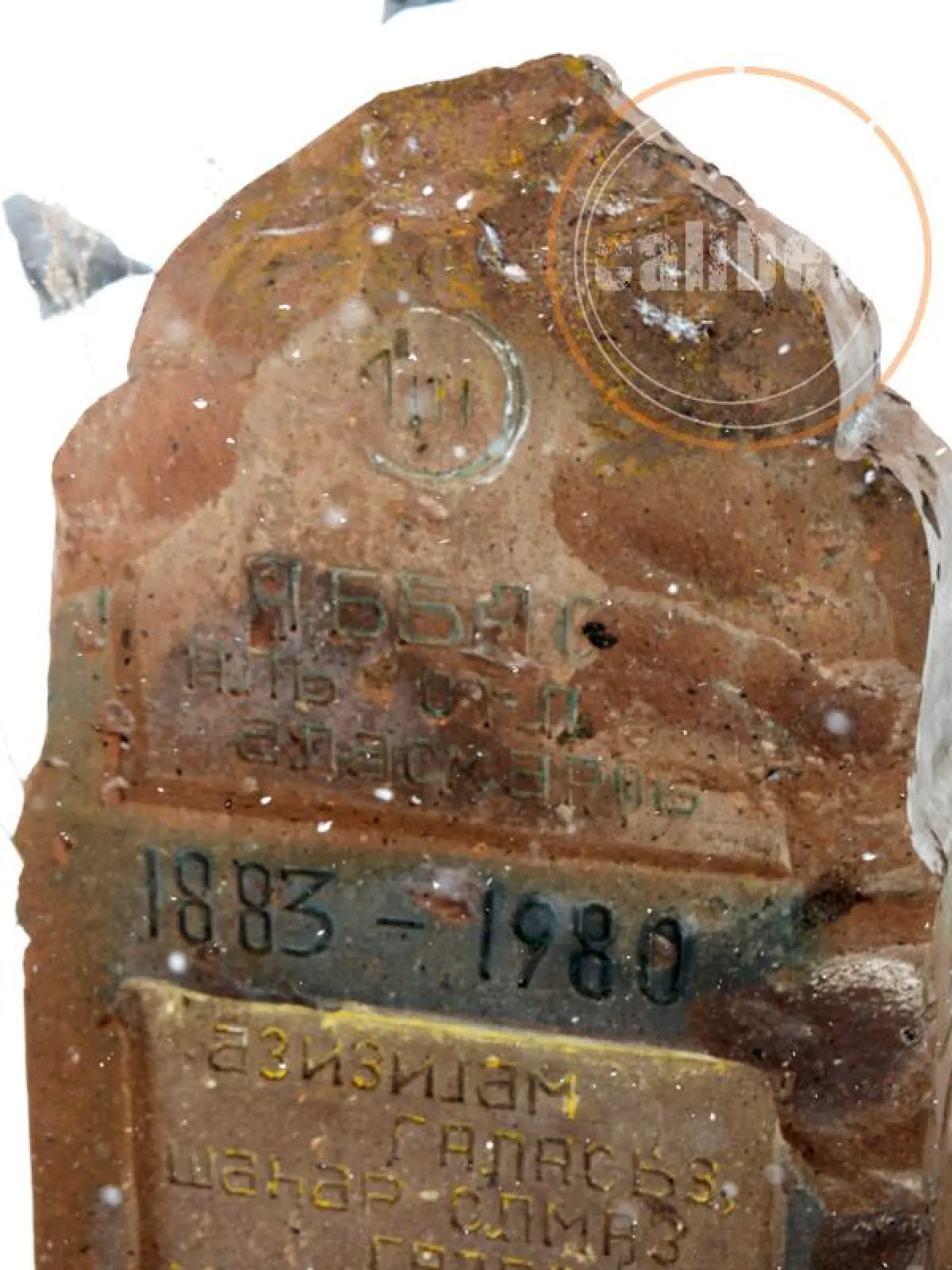
Ashaghi Shorja village in the Vardenis district: the 1918 massacre, the final deportation in November–December 1988, the cemetery destroyed, and the village turned into ruins.
The village of Agarak near Etchmiadzin, where only half-standing walls of the mosque remain.
The village of Aghkilsa in the Goycha district — the birthplace of the classic ashug poet Ashiq Alasgar — was renamed and effectively erased.
The pattern is repeated across the entire territory: a village from which Azerbaijanis were deported loses its mosque within two to three years, its cemetery a few years later, and its name disappears shortly after that.
Renaming is another layer of this same process.
According to data from the State Committee of Cadastre of Armenia, from 1924 to 1988 more than 600 geographical names were changed on the territory of the Armenian SSR; after 1991 the process did not stop but accelerated. A 1978 decree changed the names of 93 Azerbaijani villages in a single decision.
In 2006, the head of the committee, Manuk Vardanyan, reported the renaming of 57 toponyms in one year, with a plan for another 21 in 2007. According to cumulative estimates, the total number of renamed Azerbaijani toponyms on the territory of Armenia reaches 2,000. The figures may be debated, but the order of magnitude is not disputed even in Armenian cadastral documents: this involves thousands of objects and a century-long process.
Basarkechar became Vardenis, Yeni-Bayazid became Gavar, Daralayaz became Vayots Dzor, Goycha became Sevan.
This is not harmonisation of maps and not translation from one language into another. It is a tool for post-factum historical justification of territorial claims: if an Azerbaijani name does not appear on the map, it is implied that there were supposedly no Azerbaijani inhabitants there either.
And yet there is one thing this century-long process of erasure has failed to eliminate — the sense of disorientation with which Armenian urban planning approaches the Kond quarter.
The district has formally been declared a “unique historical core” and a “jewel of the old city”. The international competition for its reconstruction (2021–2024) involved specialists from Italy, France, the United States, and Russia. No overall winner was selected — after heated debates, two projects shared second place, and one took third.
In 2024, the Yerevan municipality announced the “full expropriation” of the quarter and the development of a new urban plan — in other words, demolition. But demolishing a 17th-century district today, in 2026, under the current media optics, is no longer the same operation it was with the Erivan Fortress in the 1930s.
The hill where Tepebashi once stood remembers more than is convenient; its architectural fabric, however much it is rearranged, continues to be read as non-Armenian.
This line of argument is often used to frame competing narratives about cultural heritage in the region.
For years, Armenian claims about the alleged “destruction of Armenian cultural heritage” in the liberated territories of Azerbaijan have been used as a dominant reference point in public discourse. The logic behind this framing is straightforward: by raising strong accusations, attention is shifted away from uncomfortable counterquestions.
For decades, the Armenian side promoted a narrative centred on alleged damage to Armenian monuments in Karabakh. Within such a framework, Azerbaijan’s response was often presented either as a symmetrical counter-claim or as a reaction within the same logic. However, there is no real symmetry here.
Of the 310 mosques of the Erivan Governorate, only one has survived. Of the 120 structures of the Erivan Fortress, none remain. Of around two thousand Turkic toponyms, only a handful have been preserved. From hundreds of Azerbaijani cemeteries, only ruins and archival photographs remain.
This is the arithmetic from which any substantive discussion of cultural heritage must begin — with facts, figures, and names. And such a discussion will only truly begin on the day when, in Yerevan, speaking about a 17th-century quarter in the city centre, its original name is finally pronounced: Tepebashi.







 editor@caliber.az
 +994 55 444-88-98
 Азербайджан, Баку, ул. Низами, 203, Af Business House, 5-й этаж