










Armenia and France’s military transit interests via Georgia Article by Vladimir Tskhvediani
On April 22, 2026, Armenia’s Defence Minister, Suren Papikyan, paid an official visit to Georgia, where he held meetings with his Georgian counterpart, Irakli Chikovani.
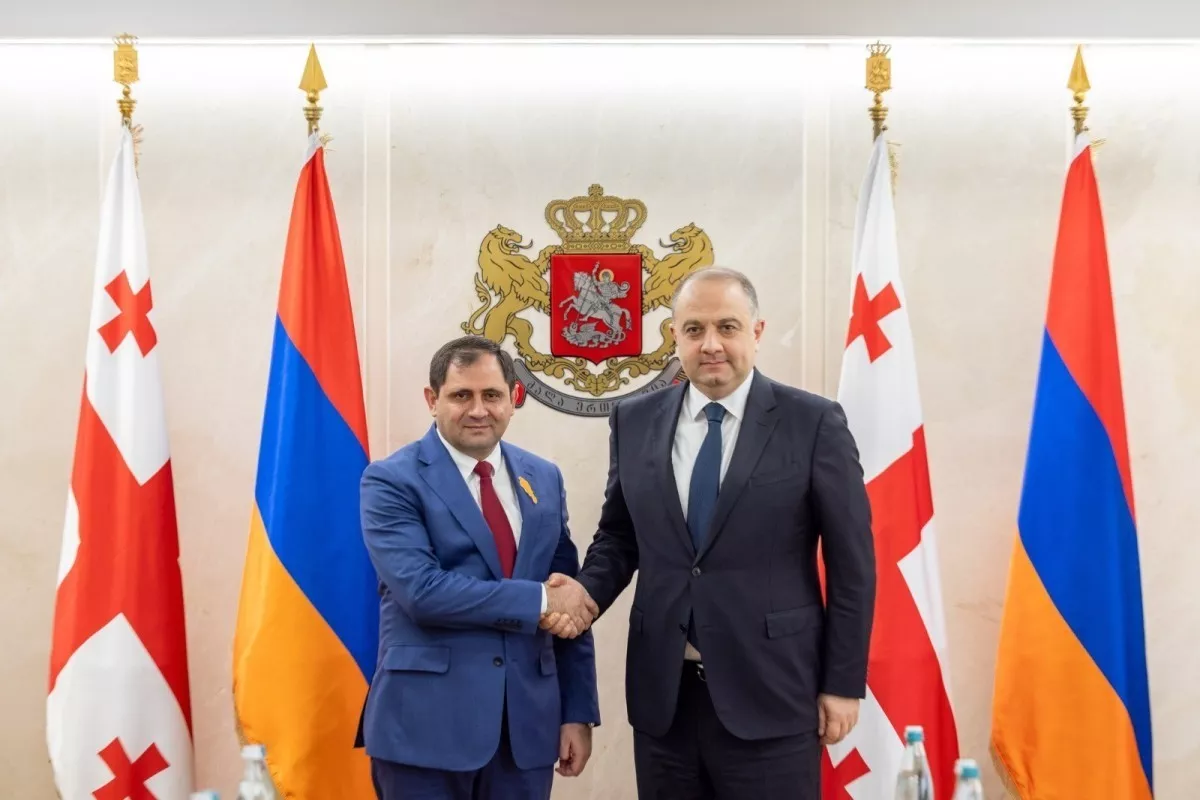
“Irakli Chikovani thanked the Armenian side for its support of Georgia’s territorial integrity and sovereignty, and reaffirmed Georgia’s support for Armenia’s territorial integrity and sovereignty in turn.
At the meeting, both sides highlighted the neighbourly and close ties between the two countries, as well as the positive trajectory of their bilateral defence cooperation. The security situation and the challenges facing the region were among the central themes of the discussions. The heads of the Georgian and Armenian Defence Ministries reaffirmed their commitment to ensuring and consolidating peace in the region. The two colleagues reviewed the areas of cooperation set out in the bilateral cooperation plan for 2026, which is broader in scope than those of previous years,” the Georgian Defence Ministry said in a statement.
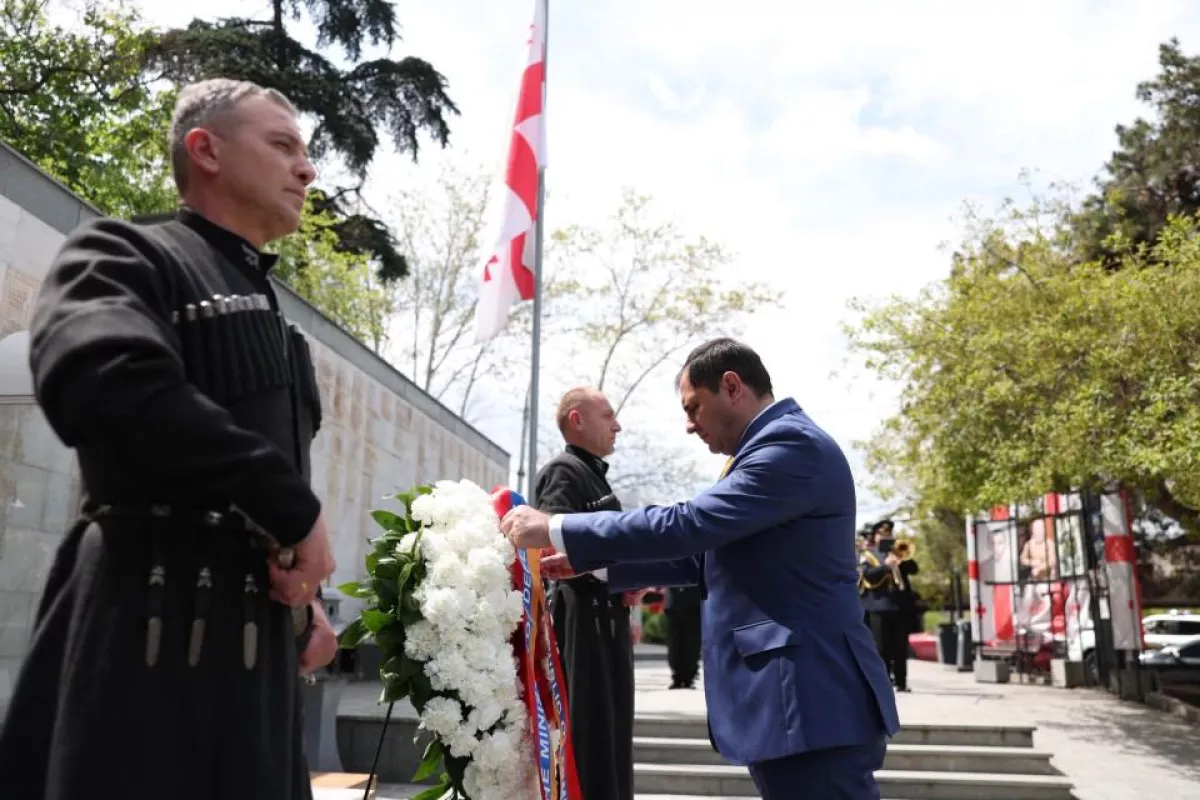
The Armenian defence minister also laid a wreath at the Heroes’ Memorial and honoured the memory of those who died in battles for Georgia’s territorial integrity. This gesture appears symbolic—just like his statements recognising the country’s territorial integrity—especially when recalling how many Georgians were killed in Abkhazia in 1992–1993 in fighting with separatists, among whose ranks were also ethnic Armenians, including the notorious Bagramyan Battalion, which became infamous for atrocities against the Georgian civilian population.
Georgia is not just important for present-day Armenia—it is critically important. Moreover, not only for Yerevan itself, but also for its key military partner, France. It is worth recalling that Armenia’s military cooperation with France and India has become extremely intensive in recent years. In 2023–2024, Yerevan signed arms contracts with Paris worth around €274.5 million, and with India in 2023–2025 totaling $1.5 billion. Armenia’s military cooperation with India is, to a large extent, a continuation of its interaction with France. India supplies Armenia with multiple launch rocket systems (MLRS), tube artillery, air defence systems, and other weapons. At the same time, some of the systems being procured are of French design, with their production relocated to Indian territory.
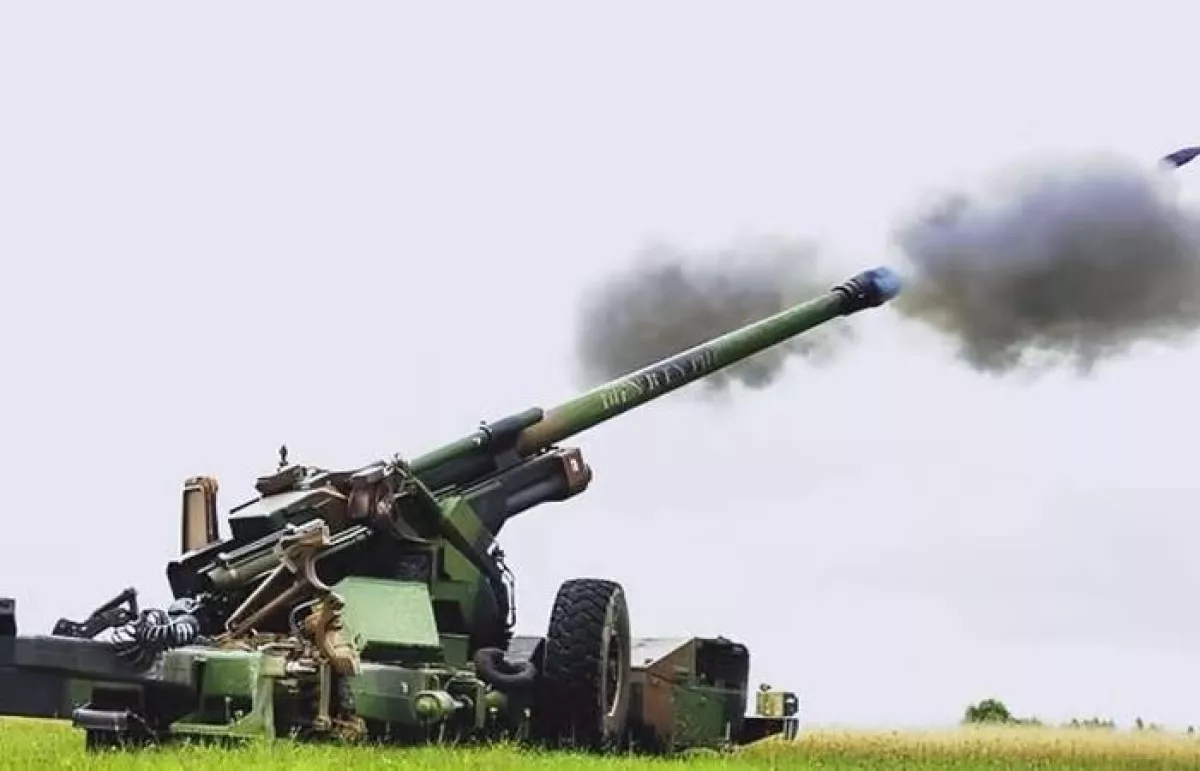
However, a logical question arises: how does Armenia obtain French, Indian, and Franco-Indian weaponry? After all, it has no access to the sea, and transit through Türkiye and Azerbaijan is ruled out. This leaves only two routes—through Georgia and Iran.
Attempts to establish transit via Georgian territory were made earlier. In November 2023, a batch of Bastion armoured vehicles produced by the company ACMAT was delivered to Armenia through the port of Poti, which caused a diplomatic scandal. However, already in February 2024, Georgian Prime Minister Irakli Garibashvili—under whose leadership this transit had been facilitated and a “strategic partnership” agreement with Armenia had been signed—resigned and was later brought to criminal responsibility on corruption charges.
At the same time, in spring 2024, France adopted a sharply hostile stance toward the Georgian authorities, effectively supporting radical opposition groups, protest movements, and unconstitutional scenarios for a change of power.
Under these conditions, the issue of weapons transit in France’s interests through Georgia to Armenia became effectively closed. Yerevan shifted its focus to the Iranian route. Supplies from India were carried out via the port of Bandar Abbas on the coast of the Strait of Hormuz.
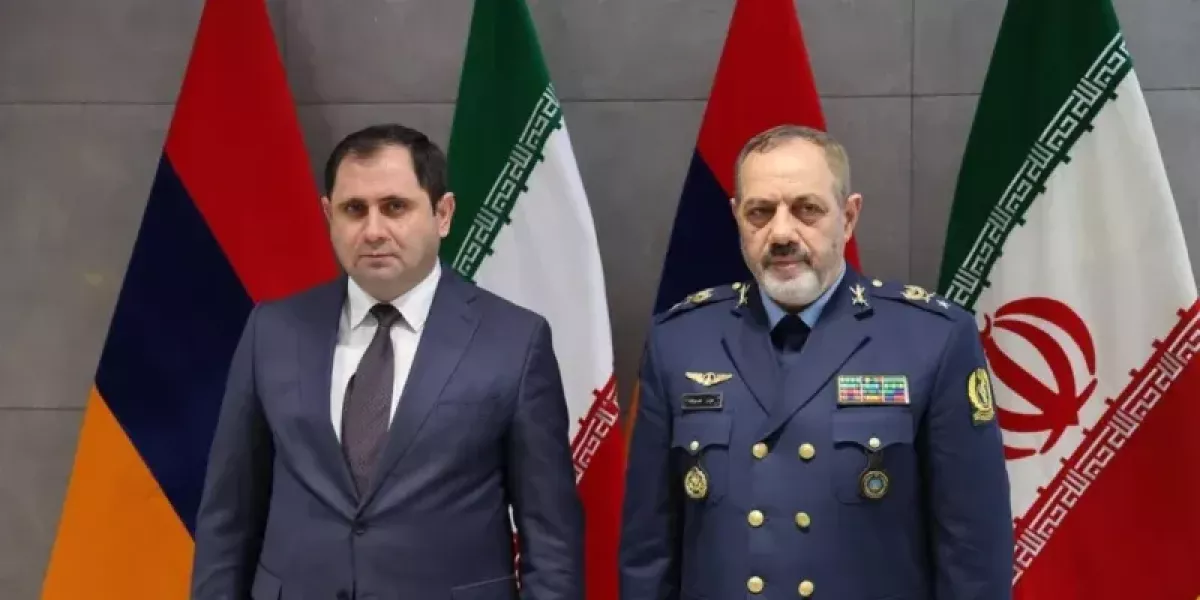
At the end of February 2026, on the eve of the start of the war between the United States and Israel against Iran, Suren Papikyan visited Iran and met with Aziz Nasirzadeh and the then-Chief of the General Staff of the Iranian Armed Forces, Major General Abdolrahim Mousavi, as well as other high-ranking military officials. The discussions focused on the development of military-technical cooperation.
Expert on Iran Armen Vardanyan suggested at the time that, in addition to addressing transit issues, Armenia intended to deepen its cooperation with Iran in the military sphere: “Both sides are currently moving toward signing a strategic partnership document. It is important that Armenian-Iranian military-technical cooperation also develops. There are no signals yet about possible arms deliveries, but such a scenario cannot be ruled out in the future,” he noted.
However, the outbreak of hostilities between the United States and Israel against Iran on February 28, 2026, introduced significant adjustments both to Yerevan’s plans for military-technical cooperation with Tehran and to the logistics of arms deliveries. It is clear that the United States and Israel are hardly willing to tolerate the possibility that French and “Indian” (essentially French-designed) weapons could be transferred to Iranian territory. It is practically impossible to track what portion of these systems might end up in Iran and what portion could be redirected to Armenia.
This creates risks of strengthening Iran’s defensive capabilities, including the potential use of French technologies by its military. This is particularly sensitive given that Armenian contracts include modern air defence systems—precisely the type of assets whose suppression was one of the key objectives of the United States and Israel in the early days of the war.
As a result, the Iranian route for arms deliveries to Armenia was effectively blocked. In the coming months, receiving weapons under contracts with France and India via Iran appears impossible, even in theory.
Against this backdrop, Yerevan’s interest in cooperation with Tbilisi in the security sphere has increased, and Paris’s rhetoric toward the Georgian authorities has also noticeably shifted.
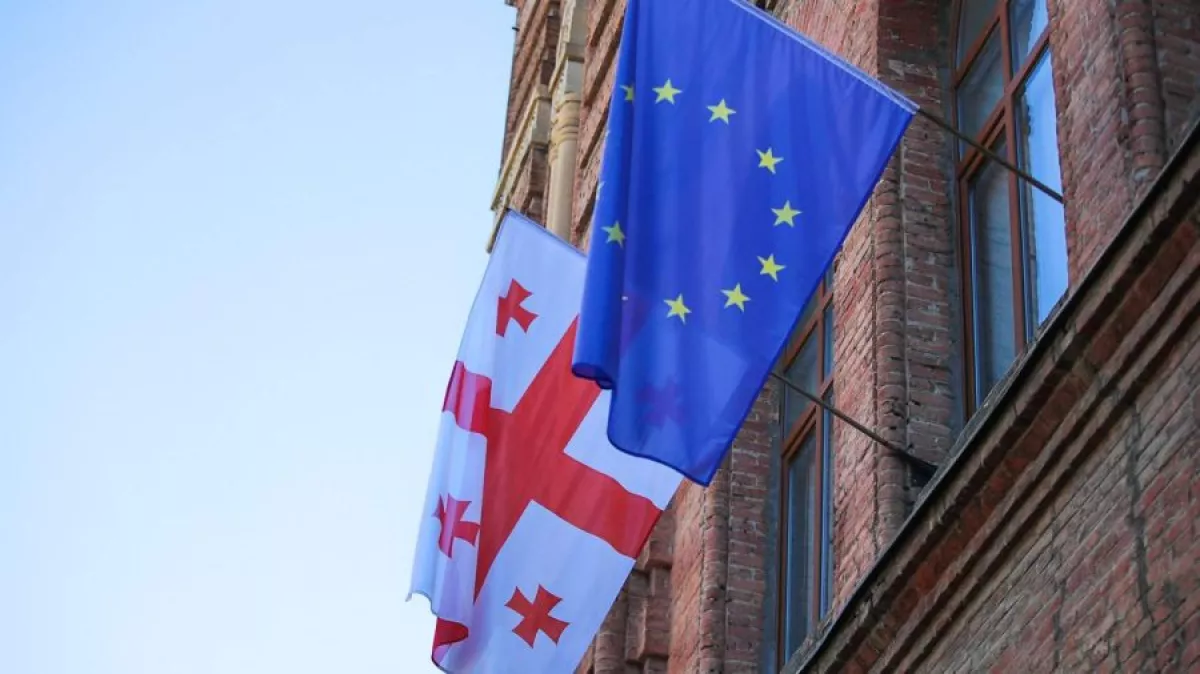
Criticism of the ruling Georgian Dream party by French officials unexpectedly subsided with the outbreak of the Iran-related conflict. Moreover, in recent days, the French ambassador to Georgia has shifted from supporting the radical pro-Western opposition to coordinating with Armenian diplomats on issues related to “Armenian cultural heritage in Georgia.”
On the eve of the Armenian defence minister’s visit to Tbilisi, Armenian Ambassador Ashot Smbatyan and French Ambassador Olivier Courtois held a meeting with the Chairman of the Tbilisi City Council, Zurab Abashidze. Members of the council, Mikheil Rekhviashvili and Mamuka Baliashvili, also took part in the talks.
The parties emphasised the importance of close ties between their countries and Georgia, noting the development of cooperation at the city level—specifically Tbilisi—as well as the historical links and traditional friendship between the peoples. Hope was expressed for further deepening of cooperation.
Separately, the issue of naming one of Tbilisi’s streets after the French-Armenian chansonnier Charles Aznavour was discussed, whose roots are also connected to Georgia.
Notably, the intensification of Armenian-French cooperation in Georgia coincided with the approach of April 24—a date that Armenian nationalists continue to associate with the narrative of the so-called “Armenian genocide,” which in turn complicates the normalisation of Armenia’s relations with Türkiye and Azerbaijan.
By Vladimir Tskhvediani, Georgia, exclusively for Caliber.Az







 editor@caliber.az
 +994 55 444-88-98
 Азербайджан, Баку, ул. Низами, 203, Af Business House, 5-й этаж