










Belarus after Chernobyl: Lessons of disaster and recovery strategy Analysis by Limansky
On April 26, 1986, an event occurred that affected not only the fate of the region but also became a stark warning to all of humanity. On that day, the 4th reactor of the Chernobyl Nuclear Power Plant exploded. What have been the consequences of this accident decades later?
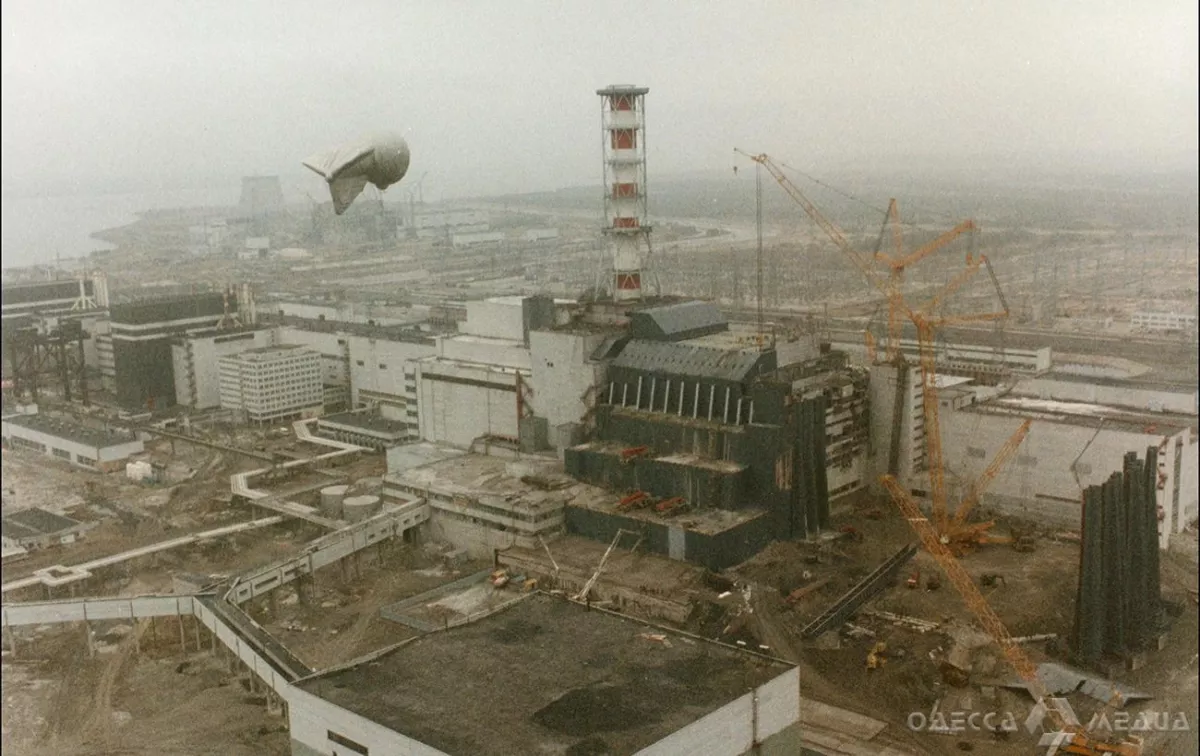
The black tragedy
On that day, disaster came to many Belarusian homes. Eyewitnesses recall that near Gomel, in the middle of a sunny day, a sudden but extraordinarily violent storm broke out—almost as if nature itself were warning of the impending catastrophe. Soon, brief official reports appeared in the media about the accident at the Chernobyl Nuclear Power Plant.
A deadly cloud containing a vast amount of radioactive particles contaminated lands hundreds of kilometres away from the site of the accident. Tens of thousands of Belarusians were sent to the Chernobyl zone to eliminate its consequences. The “Chernobyl liquidators” carried out their duty selflessly in order to save the lives and health of millions of people. Many of them, already in the first “hot” days, received significant doses of radiation exposure.
The population as a whole experienced severe psychological stress due to an invisible threat. The situation was further aggravated by rumours spreading among the public: “We are all doomed, the nation will die out,” “Radiation will cause severe genetic mutations, children will be born with serious pathologies,” and so on.
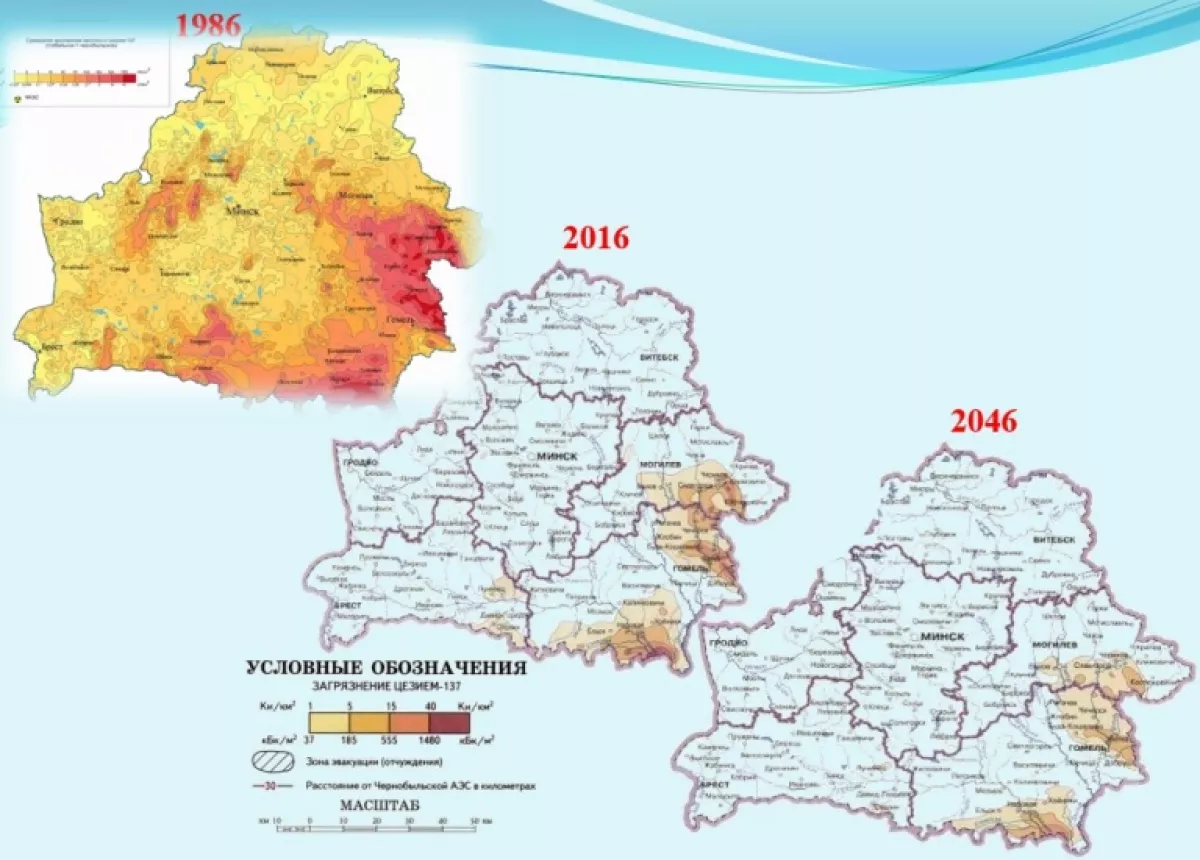
Belarus proved to be the country most affected by the Chernobyl disaster. Some 23% of the territory of the Belarusian SSR was contaminated with radionuclides (compared to 7% in Ukraine and 1.5% in Russia). In Belarus, 3,678 settlements, home to around 2.2 million people, fell within the zone of radioactive contamination.
Evacuation of the population began as early as May 2—first from the 10-kilometre zone, and then from the 30-kilometre zone around the Chernobyl Nuclear Power Plant. Resettlement primarily affected areas of the Gomel region (up to 75% of its territory) and the Mogilev region. Tens of thousands of people were forced to leave their homes and became so-called Chernobyl resettlers. More than 137,000 Belarusians were evacuated in an organised manner, while a further 200,000 left their homes independently.
As a result, 479 villages and settlements ceased to exist. More than 43,000 hectares of agricultural land and about 25% of forest areas were withdrawn from economic use.
Immediately after the accident, assistance to those affected was provided through numerous all-Union programmes. The first state programme aimed at addressing the consequences of the Chernobyl disaster was launched in 1990, but shortly afterwards the Soviet Union ceased to exist. Following its collapse, Belarus was effectively left to confront the Chernobyl problem on its own. Nevertheless, after gaining independence, the country managed to build a comprehensive system for rehabilitating the population and restoring an economy damaged by the catastrophe.
State programme to address the disaster
The development of modern Chernobyl-related legislation took place largely after the country gained sovereignty. In the Republic of Belarus, a state register of individuals affected by radiation was established, containing data on 1.6 million people, including 344,000 children. A dedicated law—“On the Social Protection of Citizens Affected by the Chernobyl Nuclear Power Plant Disaster and Other Radiation Accidents”—was adopted, providing assistance, benefits, and compensation to those affected. A system of regular medical monitoring was also introduced, aimed at prevention, early detection, and timely treatment of diseases.
Belarus positions itself as a social state, implementing programmes that provide free sanatorium and spa treatment for children from contaminated areas, as well as for persons with disabilities in Groups I and II. In addition, in regions affected by the disaster, children receive free meals at school, and kindergarten fees are reduced. The country currently operates 12 children’s rehabilitation and health centres.

During the years of independence, Belarus has established new medical institutes, centres, and clinics specialising in Chernobyl-related issues. In particular, in 2003, the Republican Scientific and Practical Centre for Radiation Medicine and Human Ecology began operating in Gomel.
Every five years, a State Programme to address the consequences of the Chernobyl disaster is adopted, providing for a comprehensive approach to resolving problems across various sectors. For the 2021–2025 period, more than 3 billion Belarusian rubles ($350 million) were allocated. To date, six such programmes have already been implemented.
According to the Belarusian news agency BELTA, the country has spent an amount comparable to 32 annual national budgets on dealing with the consequences of the Chernobyl disaster. At the same time, a number of international programmes are being carried out.
The measures taken by the state have produced tangible results. In particular, Belarusian scientists have developed scientifically grounded soil treatment methods—for example, the application of phosphorus reduces the concentration of radionuclides. Thanks to the natural decay of radionuclides and the recovery efforts undertaken, the area of contaminated land has significantly decreased—by 1.8 times for caesium-137 and nearly 1.9 times for strontium-90.
Some 20,500 hectares of land have been returned to agricultural use, all of it under strict radiological control. Monitoring shows that agricultural products produced in these areas meet safety standards. The same applies to timber, which is abundant in the Polesia region.
According to recent reports from the State Nuclear Supervision Authority (Gosatomnadzor), more than 150 additional settlements may soon be removed from the list of contaminated areas.
Infrastructure in the Chernobyl-affected regions is actively developing: gasification projects are underway, roads are being built, access to clean drinking water is being ensured, and healthcare institutions are being equipped with modern medical technology.
Today, Belarus is setting goals not only to mitigate the consequences of the disaster, but also to ensure the sustainable development of previously affected territories.
Can nuclear energy be environmentally friendly?
The Chernobyl disaster inflicted enormous damage on both the Belarusian economy and public health. However, many of the myths that emerged 40 years ago have, fortunately, not been confirmed. In the late 1980s, a deeply alarmed public actively discussed the issue of genetic mutations. Rumours circulated about a “two-headed” moose in the Chernobyl forests and other anomalies. Today, scientific data indicate that no large-scale genetic abnormalities have been recorded in either humans or animals.
There has been no population decline. The incidence of diseases potentially linked to radiation exposure in the affected areas today is virtually no different from the national average. Moreover, according to the Department for the Mitigation of the Consequences of the Chernobyl Disaster of the Belarusian Ministry of Emergency Situations, in some contaminated regions birth rates even exceed those in a number of “clean” areas.
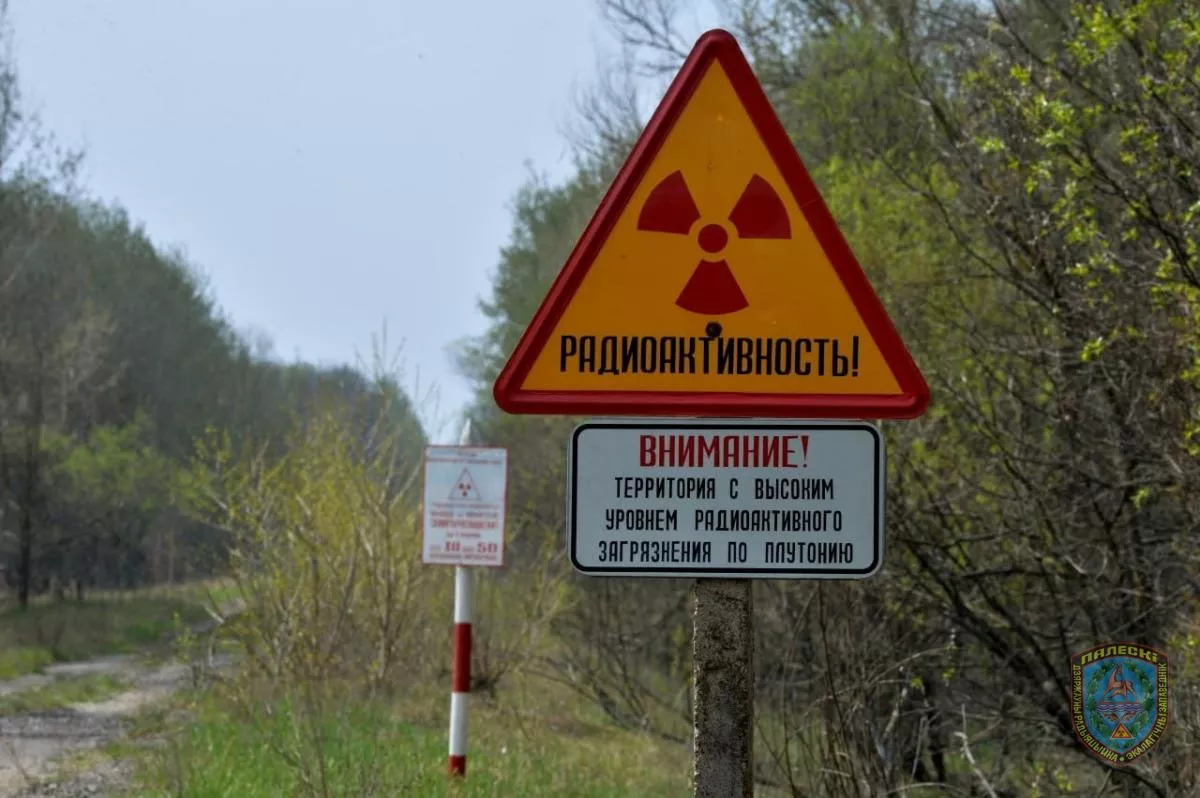
The Polesia State Radiation and Ecological Reserve has become a unique platform for studying the impact of radiation on wildlife and for developing methods to minimise its consequences. Belarusian scientists conduct research not only in the national interest but also share their findings with the international scientific community, as these challenges are global in nature.
Despite the tragic experience of Chernobyl, Belarus has not abandoned the use of peaceful nuclear energy. The conclusion was clear: the problem lay not in nuclear power itself, but in the human factor. In 2020, the Belarusian Nuclear Power Plant in Ostrovets was commissioned. At the same time, it is evident that man-made disasters can be associated with a wide range of achievements of modern civilisation.
At the same time, the responsible development of nuclear energy can not only support economic growth but also reduce the burden on the environment by cutting emissions typical of traditional thermal power plants and transport. In Belarus, including thanks to the capacity of the Ostrovets NPP, electric transport is developing actively.
As of 2025, Minsk alone has 527 public electric vehicle charging stations. Through the gradual substitution of fossil fuels, greenhouse gas emissions in the country have decreased by more than 28 million tonnes.
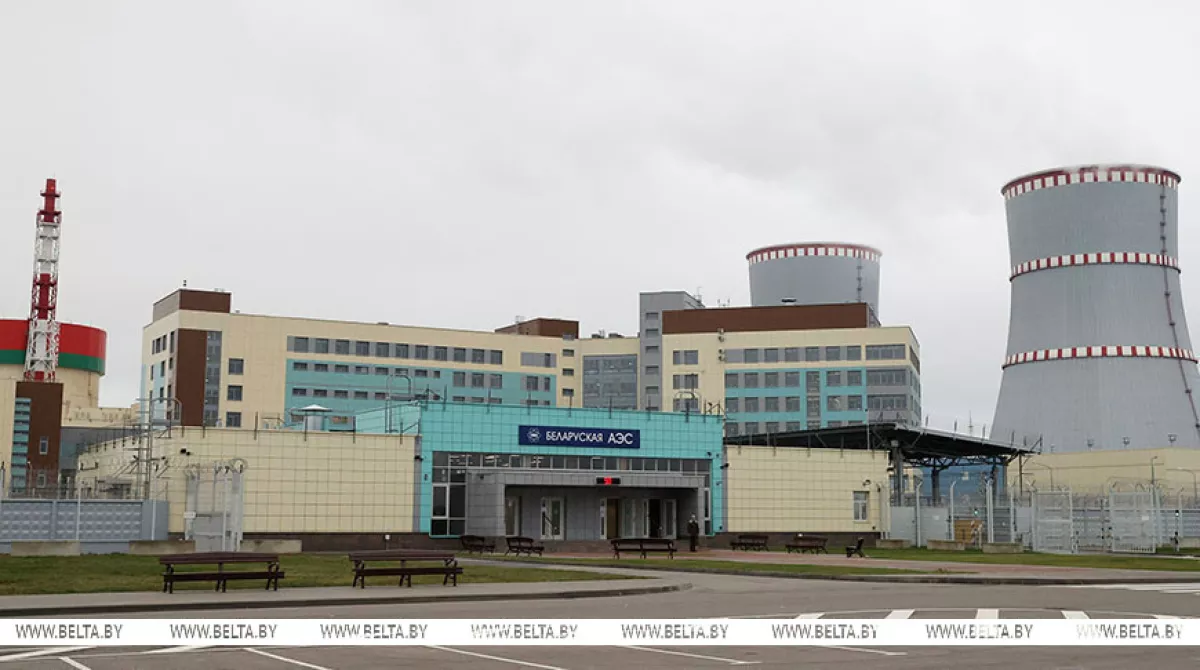
At the same time, the Belarusian Nuclear Power Plant operates in full compliance with the strictest safety standards. As the country most affected by the Chernobyl disaster, Belarus has a clear and practical interest in ensuring the highest level of safety in the use of nuclear energy.
Today, the tragic events that followed the Chernobyl accident are remembered mainly through the abandoned settlements within the exclusion zone, which have become a site of so-called “dark” or extreme tourism. Even now, one can still find children’s toys, old issues of the Pravda newspaper, and other personal belongings hastily left behind during the evacuation forty years ago.







 editor@caliber.az
 +994 55 444-88-98
 Азербайджан, Баку, ул. Низами, 203, Af Business House, 5-й этаж