










Minsk Group: symbol of diplomatic failure in Karabakh conflict From mandate to political corpse
In his speech on May 10 at a meeting with families who moved into the first residential complex in the city of Zangilan, liberated from Armenian occupation, President Ilham Aliyev highlighted important aspects of Azerbaijan’s state policy regarding the settlement of the Karabakh conflict.
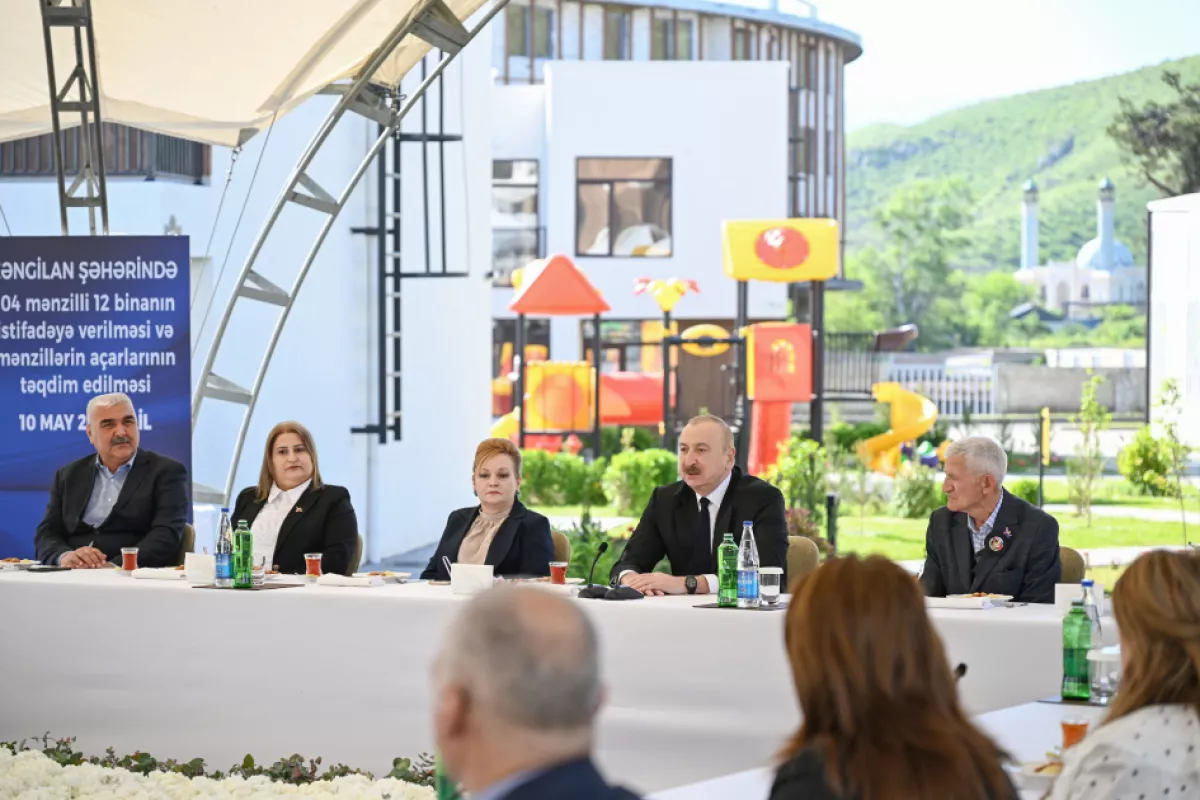
In this context, the Head of State pointed to the now defunct and discredited OSCE Minsk Group as one of the key international mechanisms that contributed to the continuation of the long-term occupation of Azerbaijan’s ancestral lands.
Speaking about external pressure on Azerbaijan, Ilham Aliyev stressed that no matter how much pressure was exerted on Azerbaijan during the Second Karabakh War, it was all in vain, although there are many such examples.
“First of all, there were the co-chairs of the OSCE Minsk Group. Each of those countries wanted to stop us for its own reasons. Throughout the 44 days, pressure was repeatedly placed on us. Those countries are not ordinary states—they are nuclear powers and permanent members of the UN Security Council. Look at who we were facing. Each of them was doing its utmost to make this occupation permanent, to use it as a tool, and ultimately to deny the Azerbaijani people the opportunity to breathe freely. Not only them, but other countries as well did not want our victory,” said the leader of Azerbaijan.
In this context, it is also worth noting that, despite its nearly 30-year status as the main international mechanism for the settlement of the Armenian–Azerbaijani conflict, the activity of the OSCE Minsk Group throughout all these years has clearly demonstrated an undeniable truth: a structure ostensibly created to achieve peace effectively turned into an instrument for freezing the conflict, maintaining the occupation of Azerbaijani territories, and creating conditions for their subsequent annexation.
At the same time, as the Head of the Azerbaijani state rightly pointed out, particular attention should be given to the fact that its co-chairs were states belonging to the world’s nuclear club and permanent members of the UN Security Council — the United States, Russia, and France — which, despite their enormous political capabilities and international influence, did nothing to ensure the implementation of the four resolutions of this international body calling for the immediate and unconditional withdrawal of Armenian armed forces from the occupied territories of Azerbaijan.
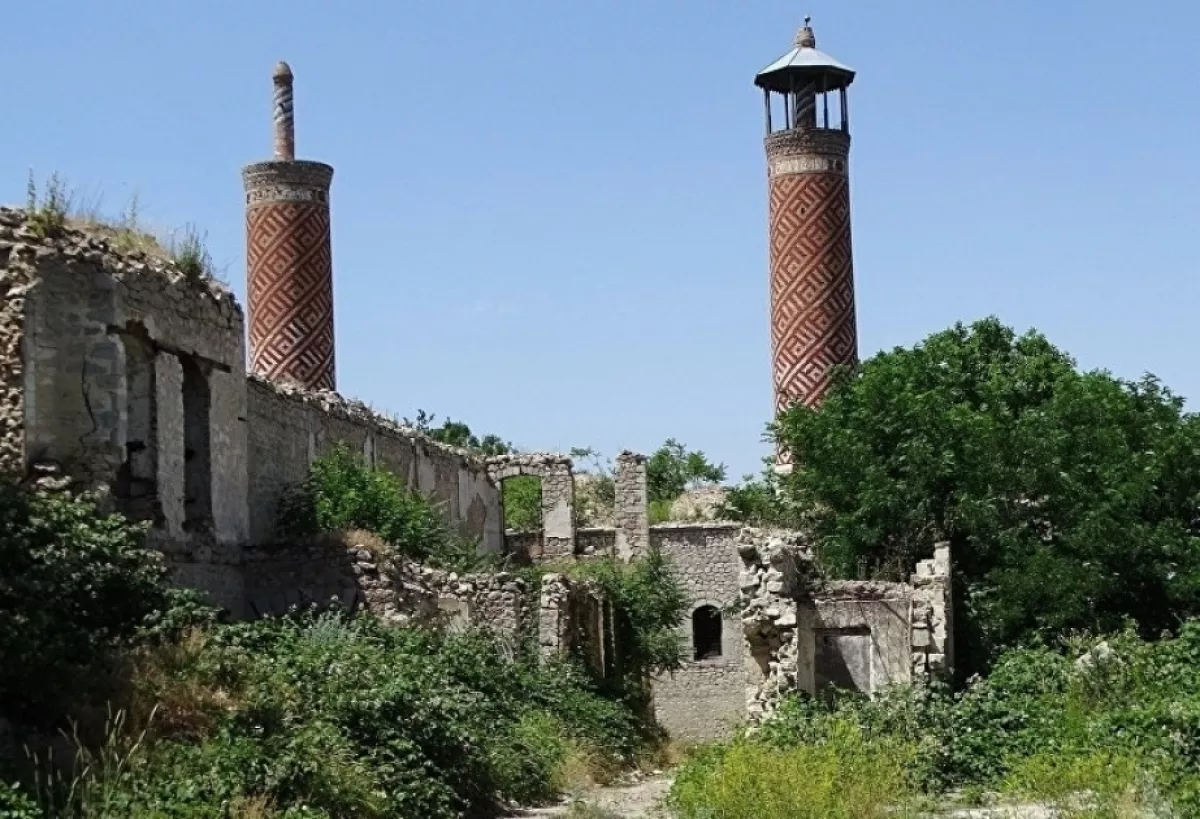
The Minsk Group’s inaction appeared especially cynical against the backdrop of the large-scale destruction of Azerbaijani towns and villages in Karabakh. In full view of international mediators, mosques, cultural and historical monuments were destroyed, and entire settlements were reduced to ruins. At the same time, illegal settlements were carried out in the occupied territories, while property belonging to the Azerbaijani state was looted.
The conduct of certain representatives of this structure also fueled public outrage in Azerbaijani society. In particular, the endless and contentless travels of the Personal Representative of the OSCE Chairperson-in-Office, Andrzej Kasprzyk, as well as reports of his renting villas in Baku, Khankendi, Tbilisi, and Yerevan, were met with indignation. His activities were widely perceived as a simulation of work, allegedly sustained by “Armenian cognac diplomacy.”
In addition, throughout the entire occupation period, the Minsk Group co-chairs actively promoted the narrative that the “conflict has no military solution.” This message effectively became their leitmotif and a key element of international diplomatic rhetoric in addressing the Armenian–Azerbaijani conflict.
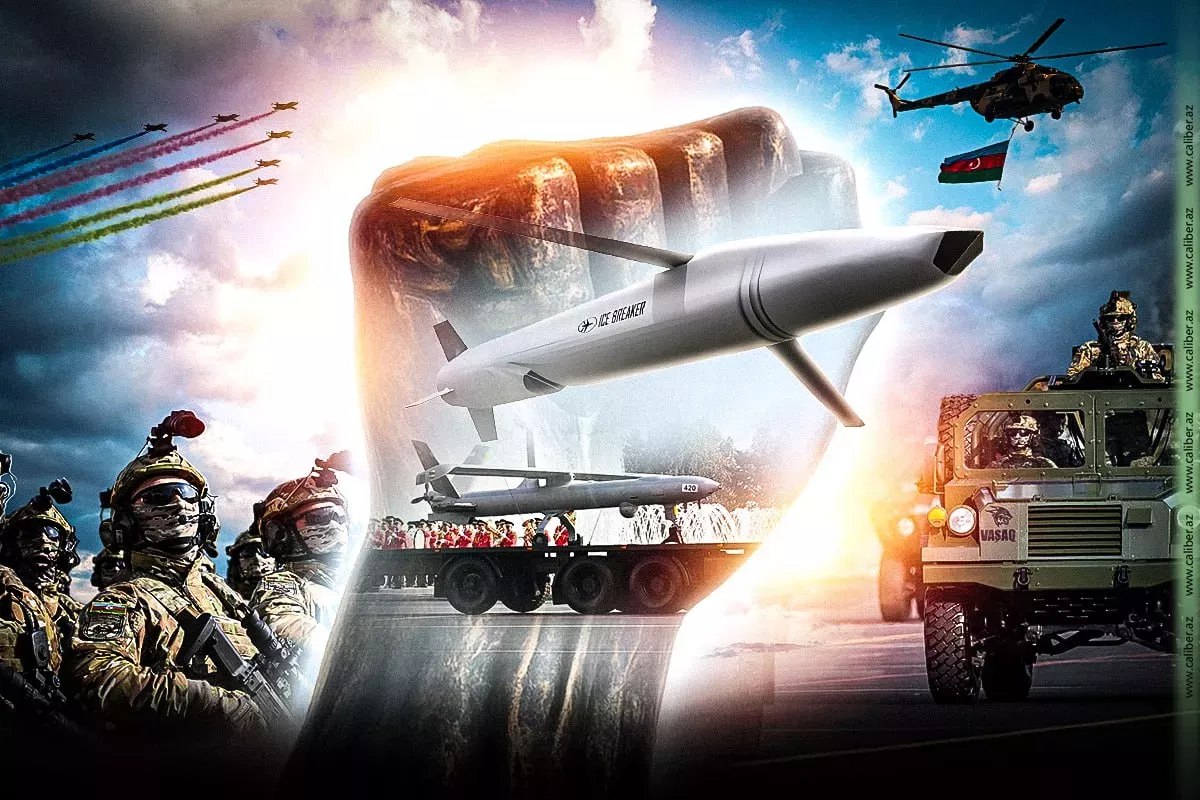
However, subsequent events demonstrated the complete failure of such an approach. As a result of the brilliant Victory in the Patriotic War of autumn 2020, the Azerbaijani state not only restored its territorial integrity but also proved that international law can be enforced not through endless, empty negotiations, but through concrete action.
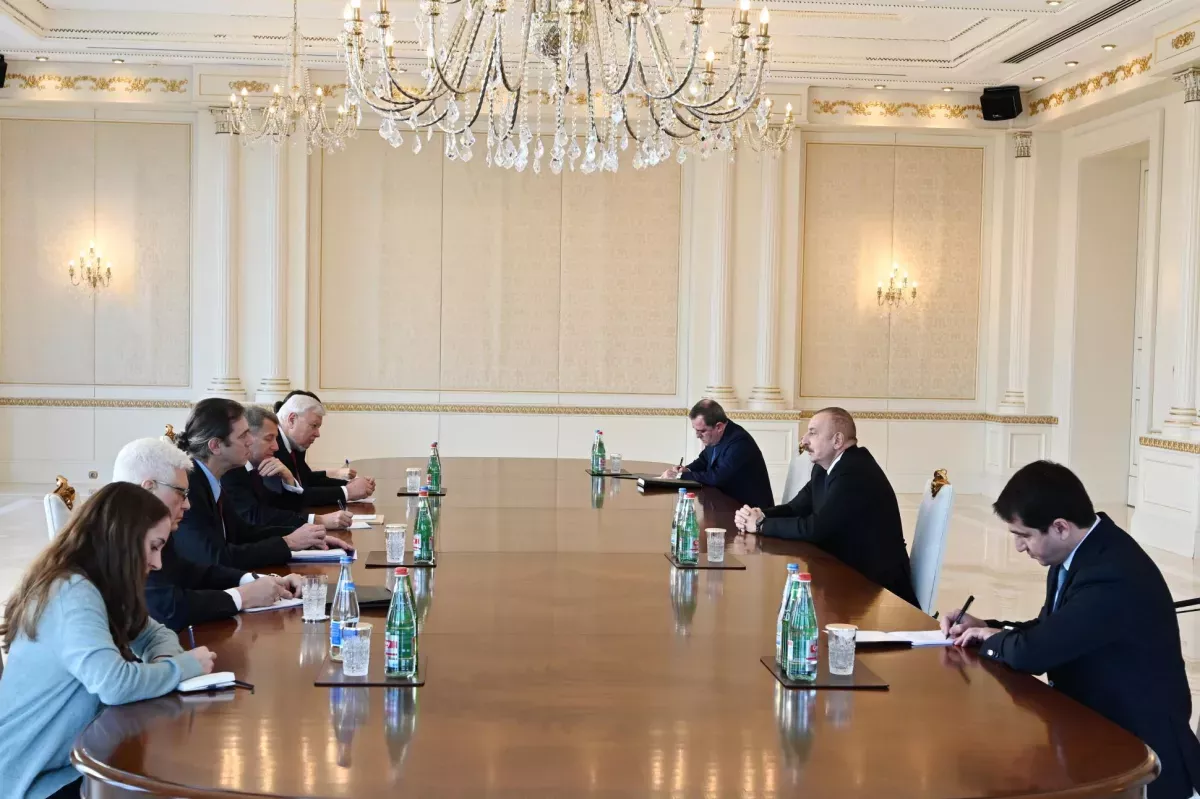
The words of Ilham Aliyev addressed to the co-chairs at the meeting on December 12, 2020, in Baku are particularly symbolic and highly indicative in this regard: “I did not invite the Minsk Group to come. But when I was informed that the Minsk Group wants to come, I said okay, I don’t mind, maybe they have something to tell me,” — a statement that effectively amounted to a political verdict on a structure which, over decades of activity, had failed to achieve any tangible result.
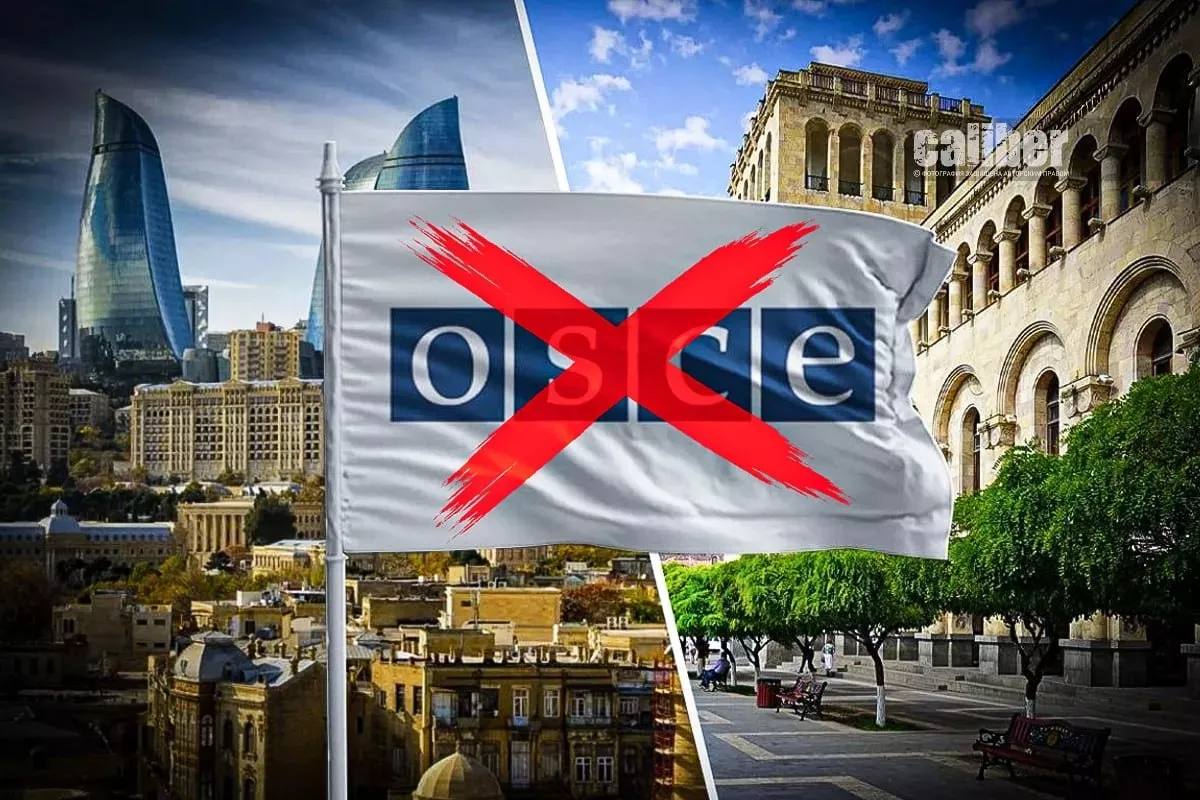
As a result, following the historic joint declaration signed in Washington on August 8, 2025, by Ilham Aliyev and Nikol Pashinyan, and witnessed by U.S. President Donald Trump on November 30, 2025, at 23:59 in accordance with the decision of the Ministerial Council MC.DEC/1/25 adopted on September 1, 2025, after the joint appeal of Armenia and Azerbaijan to the Finnish OSCE Chairmanship, the Minsk Group was officially consigned to the dustbin of history, becoming one of the most disgraceful examples of international diplomatic failure, compounded by hypocrisy, double standards, and a colonial mindset.
In conclusion, it is worth recalling the statement made by President of Azerbaijan Ilham Aliyev at the 5th Congress of World Azerbaijanis held in the city of Shusha in 2022: “This group was established not to resolve the problem, but to perpetuate the fact of occupation [...] I was indeed asked a few months ago, before the Russia-Ukraine war, what the Minsk Group should be doing now. I said that 2022 would see the 30th anniversary of their establishment. They will celebrate the anniversary and then retire.”
As subsequent events have shown, these words of the Azerbaijani president proved to be prophetic.







 editor@caliber.az
 +994 55 444-88-98
 Азербайджан, Баку, ул. Низами, 203, Af Business House, 5-й этаж