










Poland as Washington’s new military hub Is Warsaw reshaping the balance of power in Europe?
Amid rising tensions between the United States and its NATO allies, the Polish government is actively negotiating with Washington over the possibility of increasing the American military presence in the country. This was stated by Deputy Minister of National Defence Paweł Zalewski in an interview with RMF24 radio.
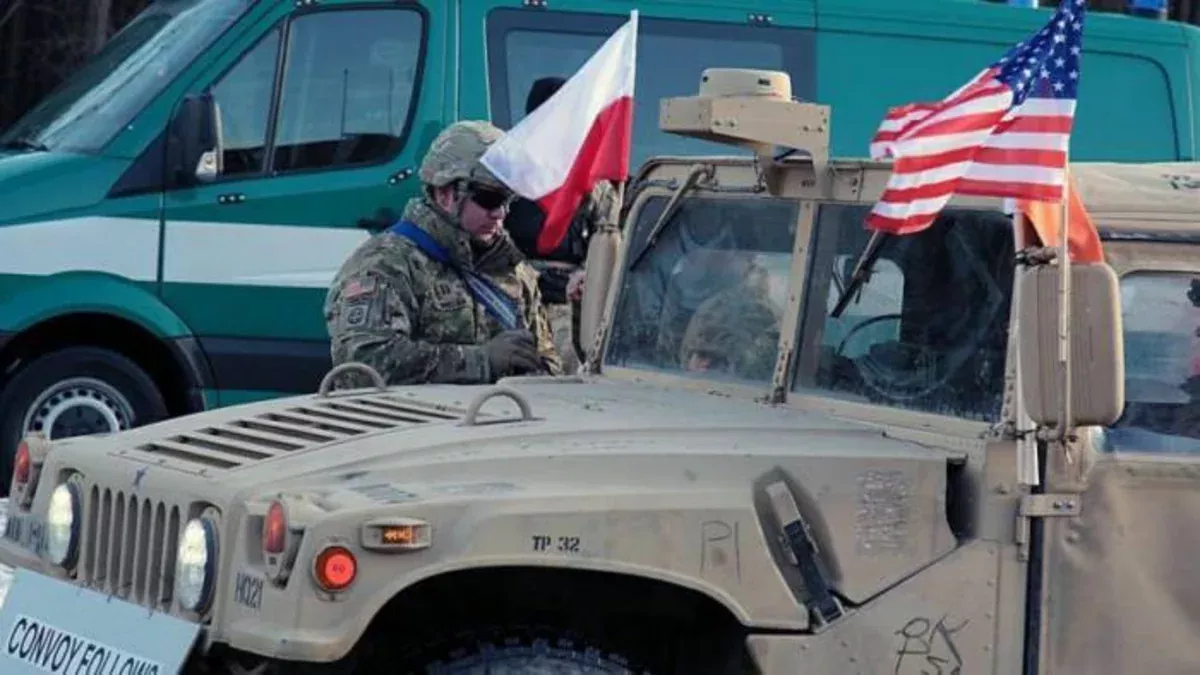
The deputy minister’s remarks effectively confirm reports that had been circulating in the media as early as 2024. In March of that year, then-Deputy Chief of the General Staff of the Polish Armed Forces, General Karol Dymanowski, said that the number of U.S. troops in Poland could be increased to as many as 100,000.
“American soldiers have long been stationed in Poland. There are several thousand of them. They regularly train with us... Their number could rise to 100,000. These are proposals from the latest NATO plans approved at the political level at the most recent summit in Vilnius,” the General Staff representative said in an interview with TVP.
If this figure is confirmed in the current negotiations, it would represent a significant increase—especially considering that the current U.S. military presence in Poland stands at around 10,000 personnel, including the forward headquarters of the U.S. Army’s V Corps in Poznań (Camp Kościuszko).
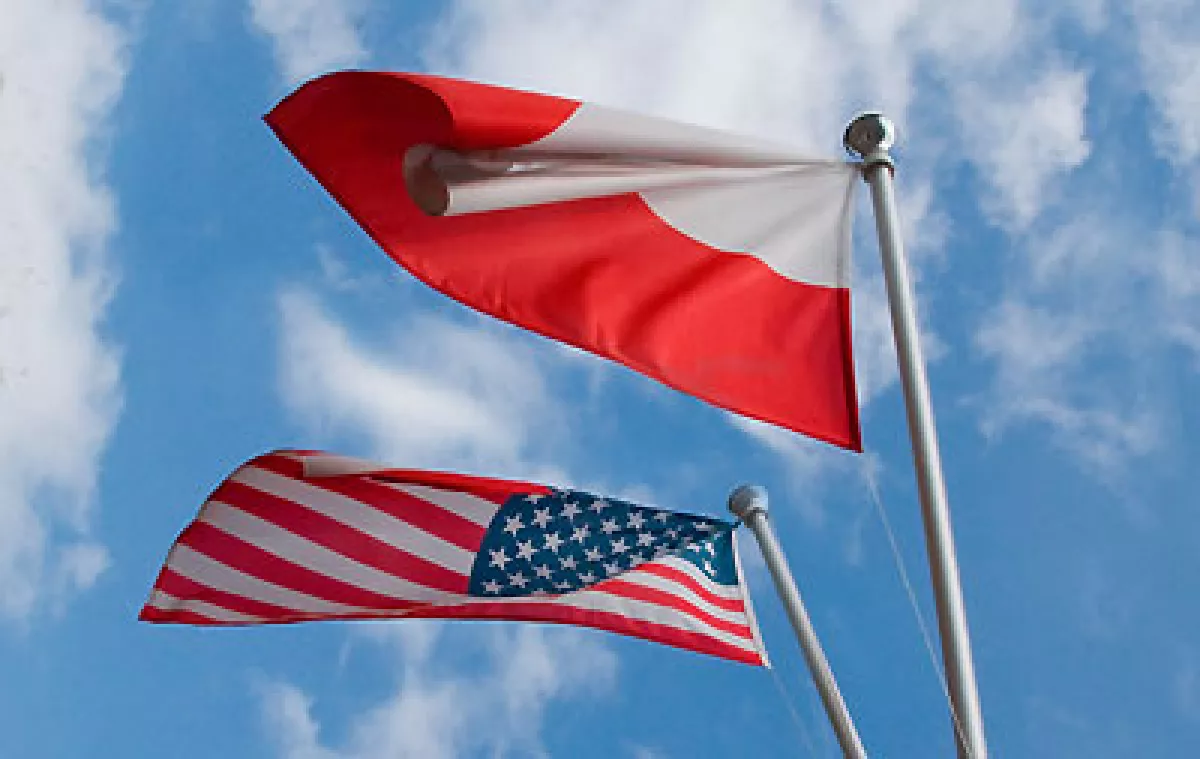
In light of the above, a logical question arises: why has Washington chosen Warsaw for such a role? To begin with, the United States and Poland are strategic partners whose interests intersect across a wide range of issues. In particular, Poland provides key logistical support for Operation Atlantic Resolve, aimed at strengthening NATO’s eastern flank: the ports of Gdańsk and Gdynia, along with overland infrastructure, serve as major entry points for U.S. and allied forces arriving from the United States and Western Europe for deployment to the Baltic states and other regions. This is the first point.
Secondly, the strategic partnership between Warsaw and Washington is geared toward containing Russia in the context of the ongoing Russia–Ukraine war. The energy factor is also embedded in this geopolitical framework: Poland imports liquefied natural gas from the United States primarily to reduce its dependence on Russian energy resources.
The third aspect is that Poland opposes any effort to strengthen the EU’s defence capabilities at the expense of its alliance with the United States, and has been notably consistent in this position. This is clearly illustrated by the fact that, in advancing the “Eastern Shield” project, Warsaw also looks to the United States for support.

This programme, notably, envisages the creation of a multi-layered defence system along Poland’s eastern and northern borders — with Belarus, Russia’s Kaliningrad region, and the strategically important Suwałki Gap between Poland and Lithuania. The system includes trenches, anti-tank concrete barriers such as “hedgehogs” and “dragon’s teeth,” the use of natural obstacles, as well as shelters and counter-drone capabilities.
Thus, Warsaw is facilitating the advancement of U.S. policy in the region, consolidating its status as Washington’s key ally in Eastern Europe in exchange for long-term American security guarantees. At the same time, Poland is building what it aims to be the most capable army in Europe, allocating 4.7% and 4.81% of its GDP to defence in 2025 and 2026, respectively.
At the same time, as international experts note, the country has become the largest recipient of funding under the EU’s SAFE programme, with a €44 billion rearmament agreement expected to be signed in the coming days. In this way, the Polish authorities are consistently pursuing the course outlined by Prime Minister Donald Tusk, who has stated that “Poland will not remain passive” on security matters.
For its part, Washington welcomes Warsaw’s stance and continues to invest actively in Poland’s military infrastructure. For example, in early 2026, more than $500 million was officially approved for the development of four military bases — Drawsko Pomorskie, Powidz, Wrocław, and Łask — in order to support the presence of U.S. troops and ensure logistical capabilities.
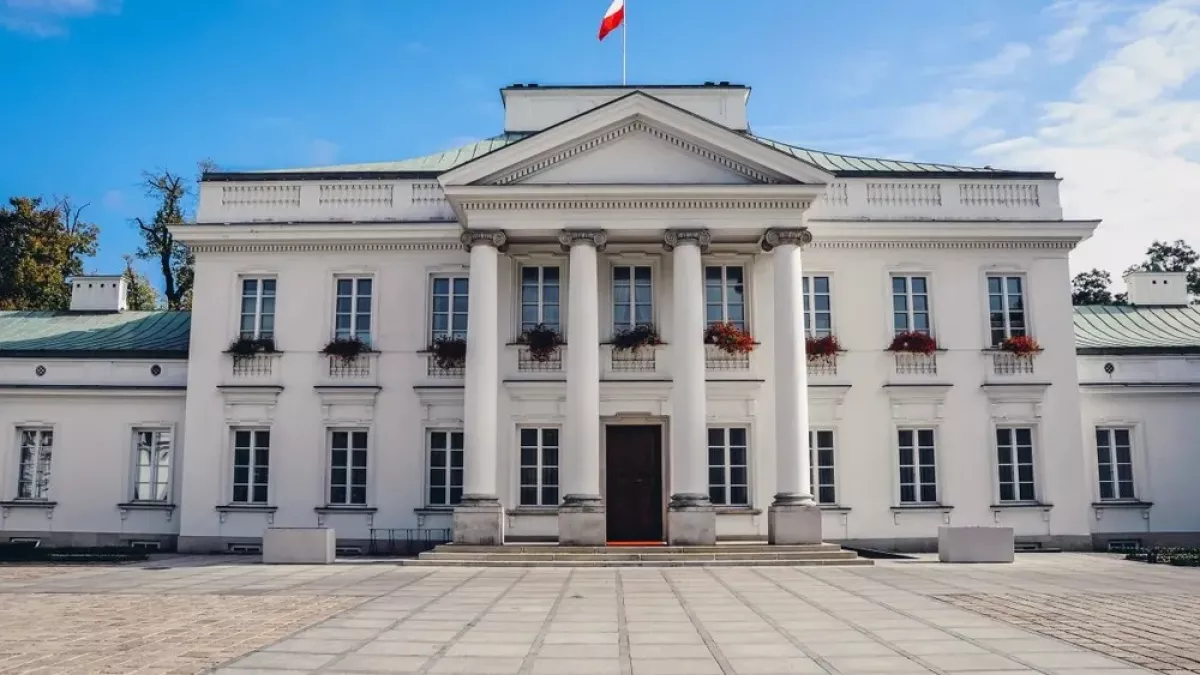
At the same time, despite this level of mutual understanding and strategic military partnership, differences between the two countries remain in a number of areas. In particular, the Polish side has declined to take part in a U.S. military campaign in the Middle East, viewing it as contrary to its national interests. Prime Minister Donald Tusk was unequivocal on this issue, stating that Poland would not deploy troops to participate in a potential U.S. war with Iran, arguing that such a conflict does not directly affect Polish security. This stance indicates that the Polish authorities do not intend to follow the White House’s lead unconditionally.
Moreover, Warsaw is skilfully manoeuvring between Washington, the EU, and NATO, seeking to strike a balance in its relations with these major actors in order to strengthen its own position, consolidate its role as a leading state in Central and Eastern Europe, and emerge as a counterweight to Berlin within the European Union. The latter point is underscored by the fact that negotiations on expanding the U.S. military presence in Poland are taking place against the backdrop of the withdrawal of 5,000 American troops from Germany. Such a coincidence is unlikely to be accidental, making it plausible that U.S. forces currently stationed in Germany could be redeployed to the Republic of Poland.







 editor@caliber.az
 +994 55 444-88-98
 Азербайджан, Баку, ул. Низами, 203, Af Business House, 5-й этаж