










Diverging paths Will MAGA be great again?
The split within the MAGA movement over U.S. policy toward Iran has become one of the most visible tests of Donald Trump’s second presidential term. For some of his supporters, the conflict appears to mark a departure from a key promise — not to drag the United States into new protracted wars. This pledge formed a significant part of Trump’s campaign platform: voters weary of foreign policy adventures over recent decades expected a focus on domestic priorities, reduced spending abroad, and greater attention to internal economic challenges.
Against this backdrop, any large-scale military action inevitably generates tension among those who took the “America First” slogan at face value.
However, portraying what is happening as a simple “betrayal of MAGA” would be an oversimplification. In reality, the movement has always brought together several distinct strands. It includes isolationists who advocate minimal U.S. involvement in global conflicts; economic nationalists for whom trade, migration, and industry are the top priorities; as well as traditional Republican “hawks” who view strength as the primary instrument of American leadership. As long as Donald Trump focused on migration, tariffs, and cultural conflicts, these contradictions could be overlooked. The Iran crisis has now brought them into the open.
To understand Trump’s own motivations, several factors stand out. First is the desire to project strength. Throughout his political career, Trump has frequently been criticised for preferring grand rhetoric to the hard work of governing and for avoiding responsibility in times of crisis. Taking a hard line on Iran allows him to present himself as a decisive leader, willing to use force where, in his view, previous administrations showed weakness. For a politician highly attuned to matters of image, this is a powerful incentive.
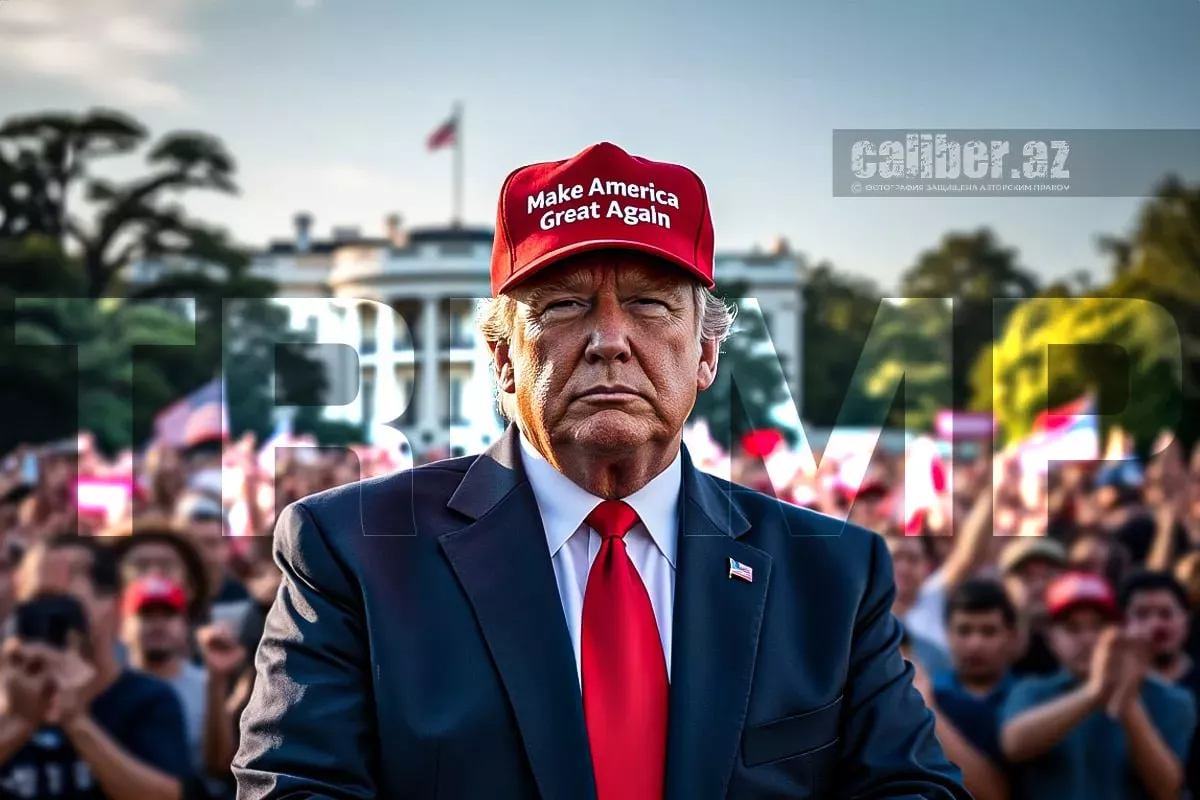
The second factor is the logic of deterrence. Even many of Donald Trump’s critics acknowledge that Iran’s nuclear programme remains one of Washington’s key security concerns in the Middle East. From the White House’s perspective, the use of force may be seen not as a desire for war for its own sake, but as an attempt to prevent a far more dangerous scenario in the future. From this standpoint, Trump may view his actions as a continuation of a longstanding principle: applying maximum pressure today to avoid a larger war tomorrow.
The third factor is rooted in domestic politics. Donald Trump has consistently sought to present himself as a leader independent of external expectations—whether from allies, party elites, or even his own media base. When prominent conservative commentators, including Tucker Carlson, spoke out against the White House’s course, the president’s sharp response was not only about Iran but also a demonstration of control over the movement. His formula, “MAGA is Trump,” reflects an effort to emphasise the personalised nature of the movement: he is keen to convince supporters that the brand is tied not to a doctrine, but to a specific leader.
This is where the central intrigue emerges. MAGA was created as a mass movement, yet over time it has evolved into a structure in which ideological boundaries are defined by Trump himself. As long as his decisions align with the expectations of his supporters, the system remains stable. But when his course diverges from campaign promises, debates begin over what constitutes the “real MAGA”: adherence to its original principles, or personal loyalty to its leader.
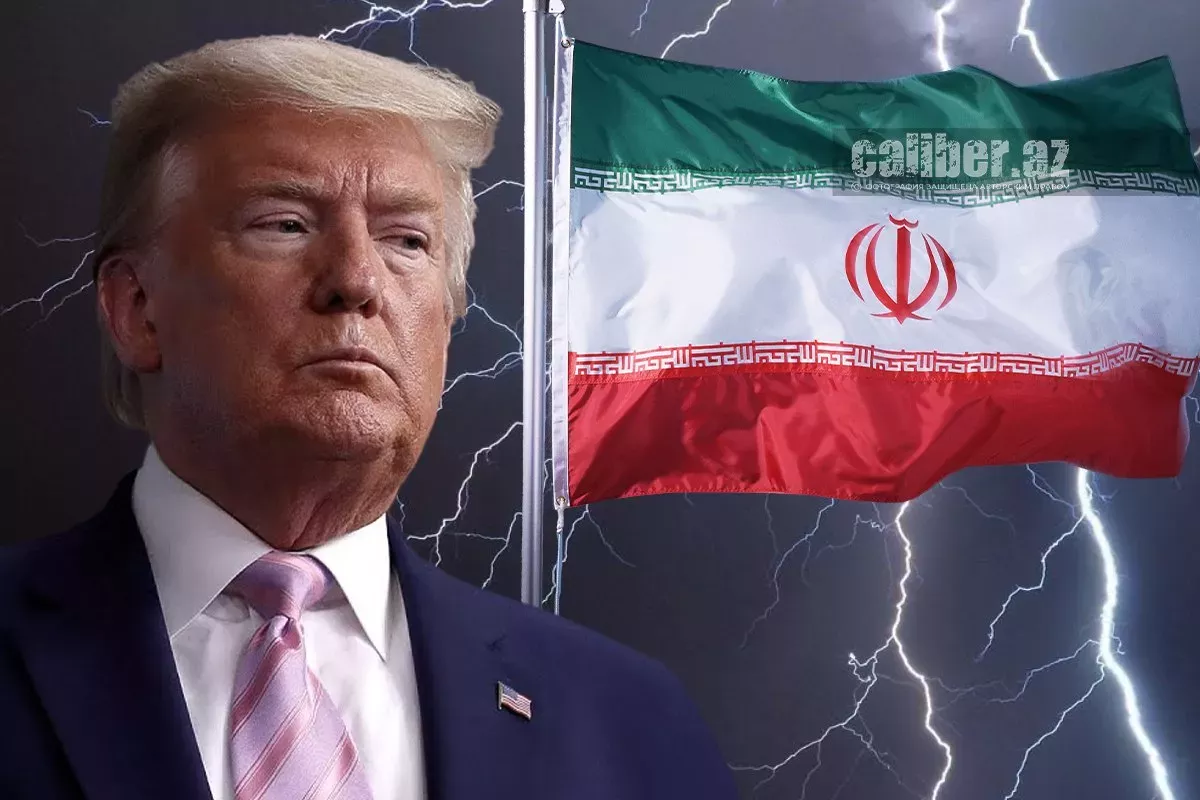
The current conflict shows that some of Donald Trump’s former allies have evolved into independent centres of influence. Media figures, activists, and politicians who once helped mobilise his electorate no longer wish to act merely as amplifiers of the White House’s position. They now command their own audiences and are capable of publicly challenging the president. For Trump, this creates a new reality: a movement that long sustained his strength is gradually acquiring its own agency.
At the same time, it would be premature to speak of a complete breakdown of the coalition. Trump retains a solid base of support, and his political track record demonstrates an ability to weather conflicts with former allies. Moreover, some voters may back a hard line on Iran as a sign of strength and a defence of national interests. In American politics, external crises often serve to temporarily consolidate support for those in power.
For this reason, the current developments are better understood not as a sensational revolt against Trump, but as the natural maturation of the coalition he created. The president is attempting to balance the roles of peacemaker, pragmatist, and strong commander-in-chief all at once—and, for now, he is managing to do so.







 editor@caliber.az
 +994 55 444-88-98
 Азербайджан, Баку, ул. Низами, 203, Af Business House, 5-й этаж