










Kazakhstan’s tungsten deposits: US–China battle for rare metals Expert opinions on Caliber.Az
Kazakhstan is a country with large reserves of rare metals, among which significant deposits of tungsten and molybdenum occupy a special place. Global demand for these resources has recently increased considerably, which has also been reflected in rising prices.
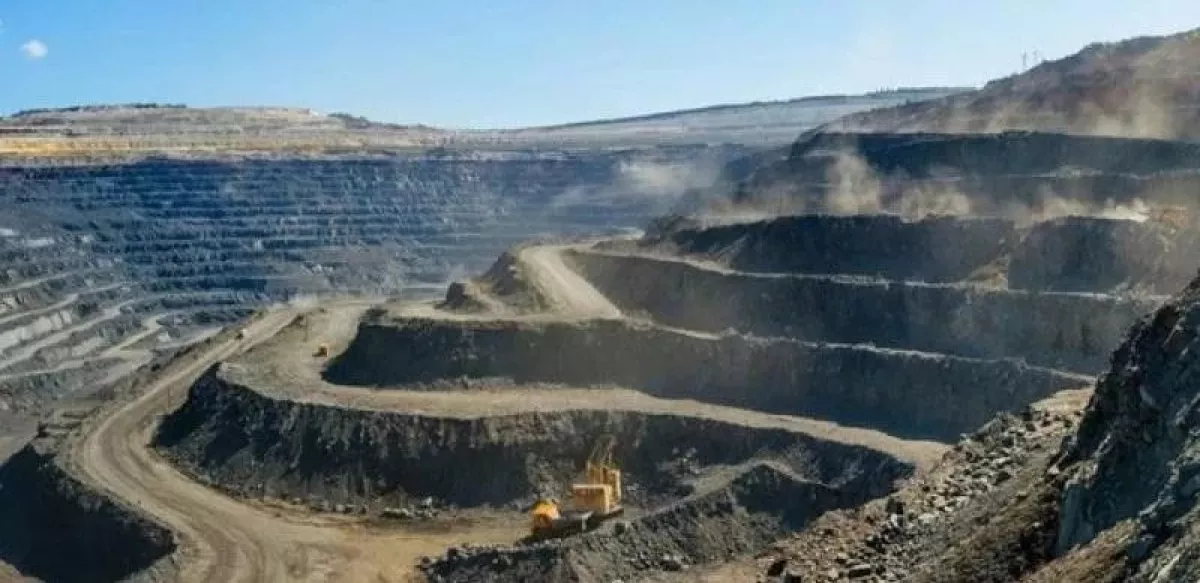
However, Kazakhstan’s own needs for these types of mineral raw materials are quite limited; therefore, the main task is to find export markets for these metals. It has recently become known that Kazakhstan’s national company Tau-Ken Samruk, which is part of the Samruk-Kazyna sovereign wealth fund, has concluded a deal to sell a 70% stake in the Severniy Katpar deposit in the Karaganda region to the American investment company Cove Kaz Capital Group.
Under this agreement, which began in February 2026 and is part of a broader strategy to develop the critical minerals sector, Cove Capital has committed to investing at least $1.1 billion in the project.
Such a move could well contribute to strengthening the position of the Kazakh state in the global rare metals market; however, on the other hand, it raises questions about the balance between attracting investment and maintaining control over strategic resources. It also suggests that the competition between the United States and China for Kazakhstan’s rare minerals has entered a decisive phase.
But how is the situation viewed within Kazakhstan itself? Kazakh political scientists and analysts shared their opinions on this topic with Caliber.Az.

In particular, according to Sharip Ishmukhamedov, Candidate of Political Sciences, economist and political analyst, the competition between the United States and China for Kazakhstan’s rare earth resources has long taken on a systemic character, rooted in the policies of these major powers.
“The fact is that the United States and Western countries have effectively acknowledged that, in this area, they are largely losing out, as they missed the moment when control over the world’s largest deposits of rare earth metals needed to be established. Although the topic was discussed, it was China that first recognised the strategic importance of these resources and raised the issue of the demand for rare earth metals in modern batteries, superconductors, high-tech alloys used in electromechanics and missile production. As a result, China managed to secure a significant advantage — it has established a strong position in the largest deposits in developing countries and simultaneously remains the world’s number one in terms of its own rare earth reserves.
From a political perspective, the confrontation between these two states became more visible with Donald Trump’s return to the White House, who was the first to raise this issue at the highest level, although it was also discussed during the Biden administration.
As for Kazakhstan, it is only now that it is possible to speak about a full-scale competition for its resources — it is precisely at this stage that real rivalry is beginning between investors and major mining companies from China, the United States, the United Kingdom and South Korea for access to Kazakhstan’s deposits,” he said.
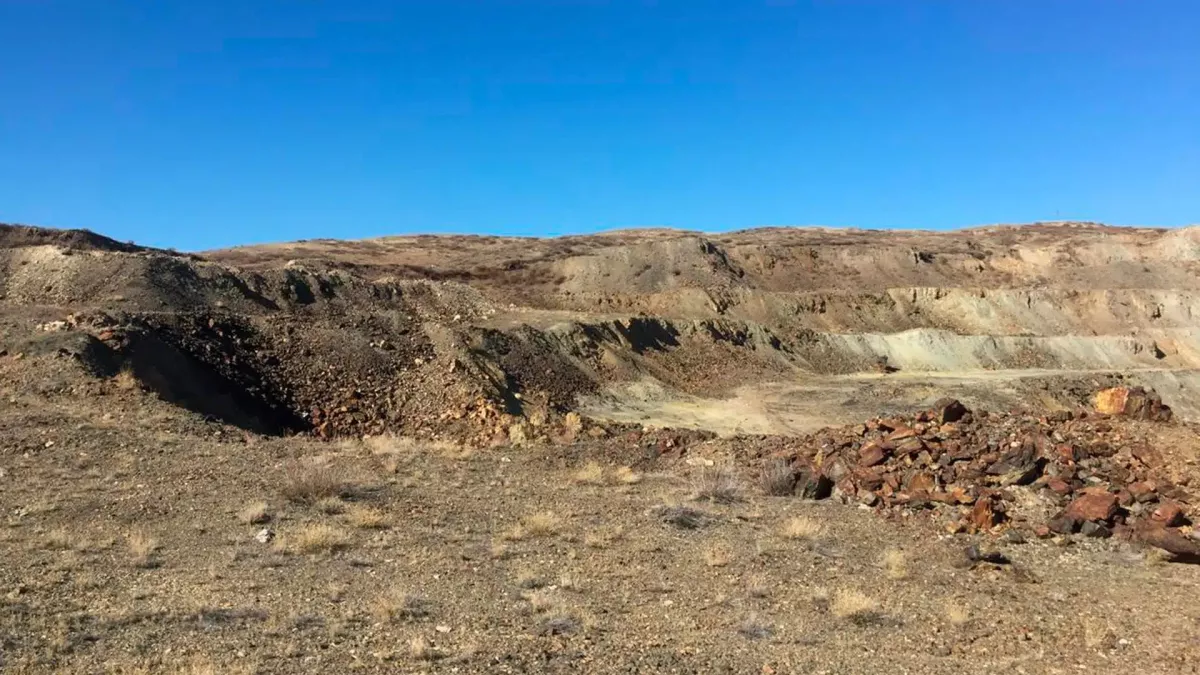
Highlighting Kazakhstan’s uniqueness and its resource base, the expert noted that by ranking second in the world in rare earth metal reserves—second only to China—the country automatically becomes a key object of interest for global powers.
“The main feature is that these resources are vast, yet practically undeveloped—requiring enormous capital investment for their extraction. In addition, there is no established system for bringing them to the global market, and there are no long-term contracts securing the development of deposits. At present, only about one-third of the deposits are under the control of Kazakh companies, and even these are being developed on a very limited scale.
More specifically, we are talking about approximately 28 million tonnes of rare earth metals, but of all deposits, only about 30% are actually being developed, and even then in a limited capacity, while the remaining 60–70% remain completely untapped. We are aware of their existence, but the exact volumes have still not been confirmed, as we largely continue to rely on geological data and Soviet-era cartographic surveys. This, in turn, means that further exploration could reveal even larger volumes and significantly expand the understanding of Kazakhstan’s resource potential,” the expert said.
Moving on to concrete examples, the economist stressed that the Severniy Katpar deposit was initially offered to the Chinese side.
“China considered the investment opportunity and offered around $750 million, but ultimately withdrew due to excessively high risks and the need for substantial financial injections. The American side, in contrast, proposed a larger amount and declared its readiness to bring extracted resources to the global market. It is important to understand that the issue is not only extraction, but also the specific nature of tungsten, which is not in demand everywhere, as it is a specialised material with critical importance primarily for the military industry. It is used in the production of high-strength alloys, modern types of armour, weapons, and missile systems. At the same time, tungsten does not play a central role in China’s current industrial strategy, as the country is focused on batteries, electric vehicles, and microchips. If the discussion were about metals critical for batteries and electronics, the situation could have been completely different.
As for the United States, it has long-term interests, as we can see that it is willing to invest significant funds and take on higher risks. The American side has access to substantial investment resources and likely possesses additional information about actual reserves and extraction prospects. The company involved in the project has been operating in Kazakhstan for several years and has a good understanding of the market’s potential. All this indicates that we are not dealing with a short-term deal, but with a strategy of long-term presence—around 20–30 years,” the expert stated.
In conclusion, Sharip Ishmukhamedov focused in detail on the most complex part of the entire chain—logistics and access to the global market: “The key issue is not so much extraction as the subsequent sale and transportation of rare earth metals. China will not allow its territory to be used for transit, and Russia is also unlikely to do so. At the same time, such resources cannot be efficiently transported by pipelines or by air—this is exclusively about railway transport. As a result, there remains only one route: through Azerbaijan, using the Kuryk port and ferry crossings, or, in the future, via Afghanistan. Thus, delivering finished products to the global market remains the most difficult element of the entire chain, given that the main consumers of tungsten are the United States and Western European countries.”
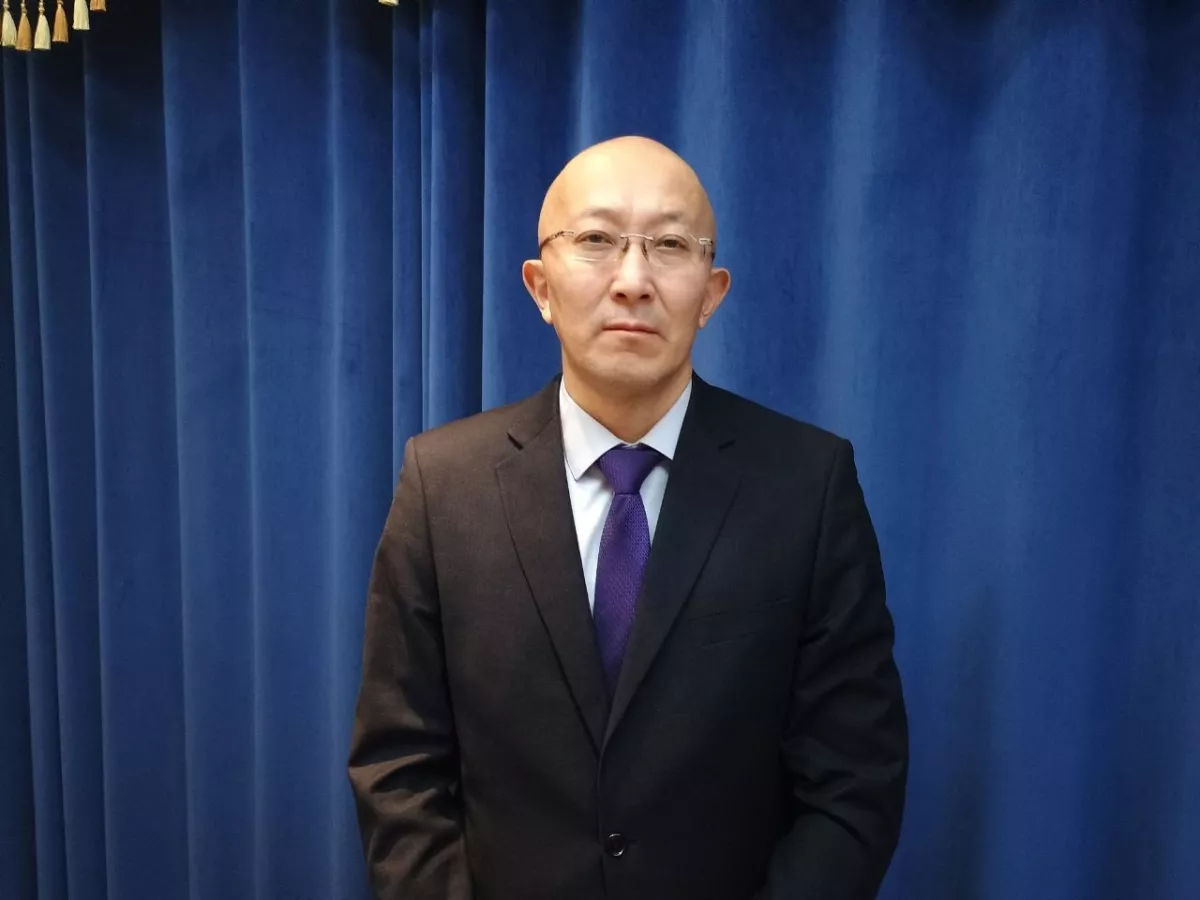
In turn, Farhad Kasenov, a Kazakh political analyst and head of the research centre A+Analytics, noted that the world’s largest tungsten deal received a “green light” following the C5+1 summit in Washington.
“The United States has actively joined in, covering the bulk of the deal and taking on the technological component and development,” he said.
The expert also recalled that China is the global leader in rare earth metals and, in many cases, a de facto monopolist. Naturally, it is extremely disadvantageous for Beijing to see competitors emerge, especially amid the intensifying confrontation with the United States, where each side is seeking additional leverage. “China dictates terms not only to the Americans but also, for example, to Japan and South Korea, which are forced to purchase resources from Beijing despite strained relations—for instance, between Japan and China over the Senkaku Islands in the East China Sea.”
At the same time, he believes that Japan is one of the important participants in the Kazakh rare earth metals deal, as it is actively seeking alternatives, and Tokyo is already planning imports of rare metals from Kazakhstan. “In particular, starting from the end of 2026, Mitsubishi Corporation will purchase gallium—around 15 tonnes annually—for its high-tech industry. This is being done to diversify supply chains and reduce dependence on China. As a result, Tokyo welcomes such deals with Kazakhstan and is interested in the export of rare earth metals, effectively shifting from the Chinese to the Kazakh side,” he added.
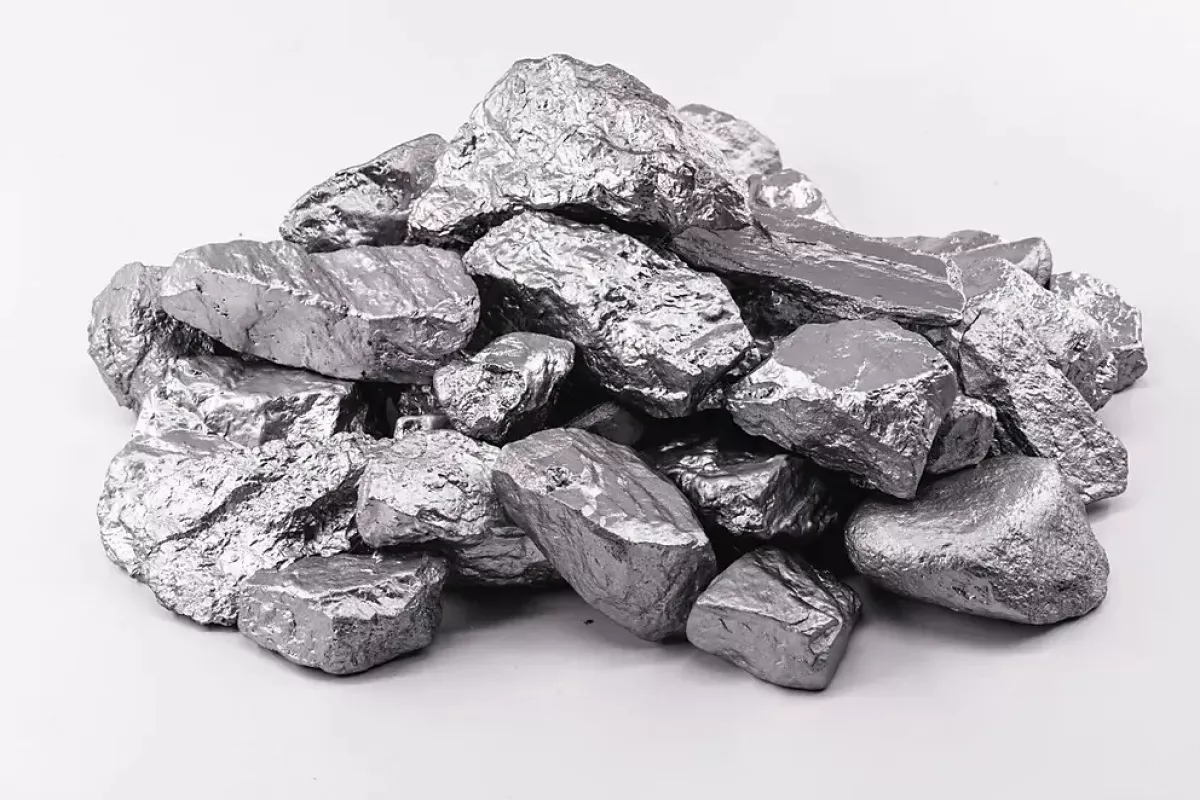
To clarify the essence of the issue, the expert gave a detailed explanation of the specifics of rare earth metals and the industrial base.
“It is important to understand that rare earth metals are not actually rare in nature. They occur quite frequently, but are almost always found as by-products of the extraction of other metals—such as copper, lead, and so on. In other words, they exist in very small proportions: a large volume of base metal contains only a minimal amount of rare earth components. Therefore, their extraction is only possible where a developed mining and metallurgical industry already exists. In this respect, Kazakhstan is ideal: we have the Balkhash copper smelting plant, enterprises in Ust-Kamenogorsk, a titanium-magnesium plant, and an aluminium plant in Pavlodar.
These are major metallurgical giants that are already processing ore. However, the problem is that Kazakhstan currently does not have the capability to extract these elements, because it requires specialised technologies for sorting, filtration, purification, and processing, which are currently provided by the Japanese rather than the United States—American solutions are less energy-efficient in this case. Therefore, most likely, a kind of Japanese–American consortium will be formed: special technological lines are already being installed at enterprises in Ust-Kamenogorsk and Pavlodar. Essentially, additional workshops are simply being added to existing capacities. As for the tungsten deposit itself, it will have to be developed from scratch—open pits will need to be built, and equipment purchased,” the expert noted.
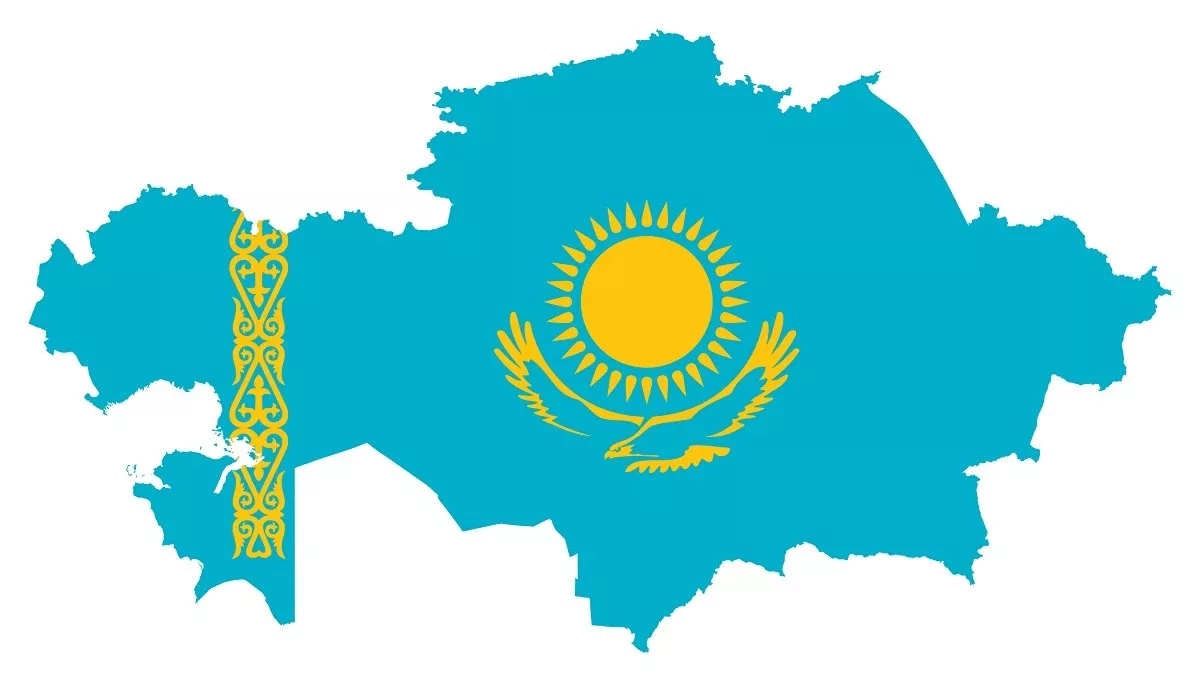
In his view, Kazakhstan’s multi-vector foreign policy plays a fundamental role in this issue.
“China, of course, is not pleased that Kazakhstan is so actively entering the rare earth metals market. But this is a long-term process: building plants, launching production—some projects are implemented within one to two years, others over five to seven years. Therefore, in the short term, China will not openly express its concern, but it will closely monitor the process. At the same time, Kazakhstan has no intention of entering into conflict with China—that is out of the question, as China remains a key partner and is capable of exerting significant pressure. Most likely, Astana will conclude additional deals with Beijing in order to maintain balance and avoid escalation in relations.
However, Kazakhstan is also attempting to diversify its influence, including through the United States. This is a classic balancing policy: by bringing in American actors, it slightly weakens China’s position. Moreover, US influence in Kazakhstan has declined in recent years—after active participation in oil projects in the 1990s, American companies have gradually been exiting the Kazakh market. For example, Chevron has recently expressed such intentions, not renewing certain contracts. However, against the backdrop of a strategically important rare earth metals deal for Washington, there is a possibility that the State Department will exert pressure to ensure the company remains and continues operating on terms favourable to Kazakhstan.
Overall, a highly interesting situation is emerging: Astana does not seek to act as a monopolist or push China out, but instead strengthens its position by attracting other players. Japan is also involved, viewing Kazakhstan as a key node in the Middle Corridor. Raw materials would be transported from East Kazakhstan through Azerbaijan, then to Türkiye, onward to the Mediterranean Sea, and via maritime routes to Japan. This route is longer than the one through China, but politically safer. In the end, this is no longer just economics, but a major geopolitical game. Thus, President Kassym-Jomart Tokayev is pursuing soft diplomacy, balancing interests, and altogether this enhances Kazakhstan’s status on the global stage,” Kasenov concluded.







 editor@caliber.az
 +994 55 444-88-98
 Азербайджан, Баку, ул. Низами, 203, Af Business House, 5-й этаж