










Armenia ahead of elections: opposition bets on war rhetoric Expert opinions on Caliber.Az
As Armenia approaches its parliamentary elections, the wave of political attacks against Prime Minister Nikol Pashinyan is intensifying significantly. Opposition parties are holding press conferences, unveiling their electoral platforms, and simultaneously levelling accusations against the government.
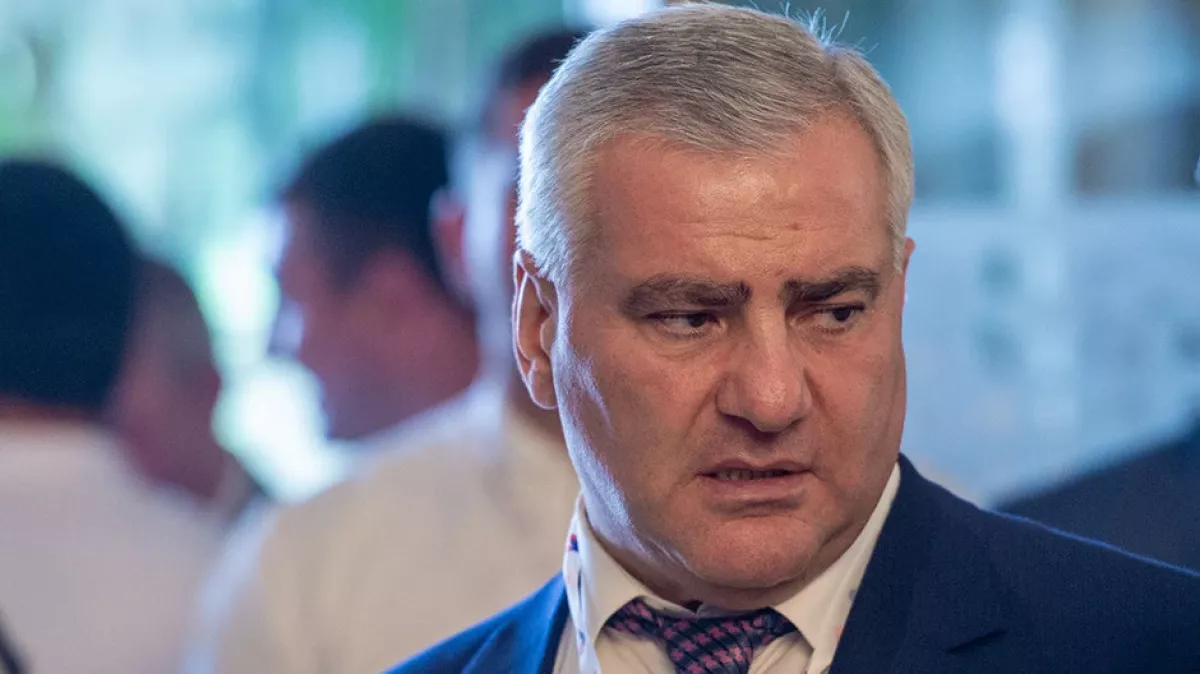
One of Pashinyan’s main opponents — Russian businessman Samvel Karapetyan, who presents himself as a candidate for prime minister from the Strong Armenia party — stated that if Pashinyan is re-elected, Armenia will become “a province of Azerbaijan.”
“He [i.e. Pashinyan] is now acting as a governor of Azerbaijan,” Karapetyan said. He also added that Armenia’s economic dependence on Russia is currently at its peak. According to him, the financial transfers coming from Russia are comparable to Armenia’s state budget.
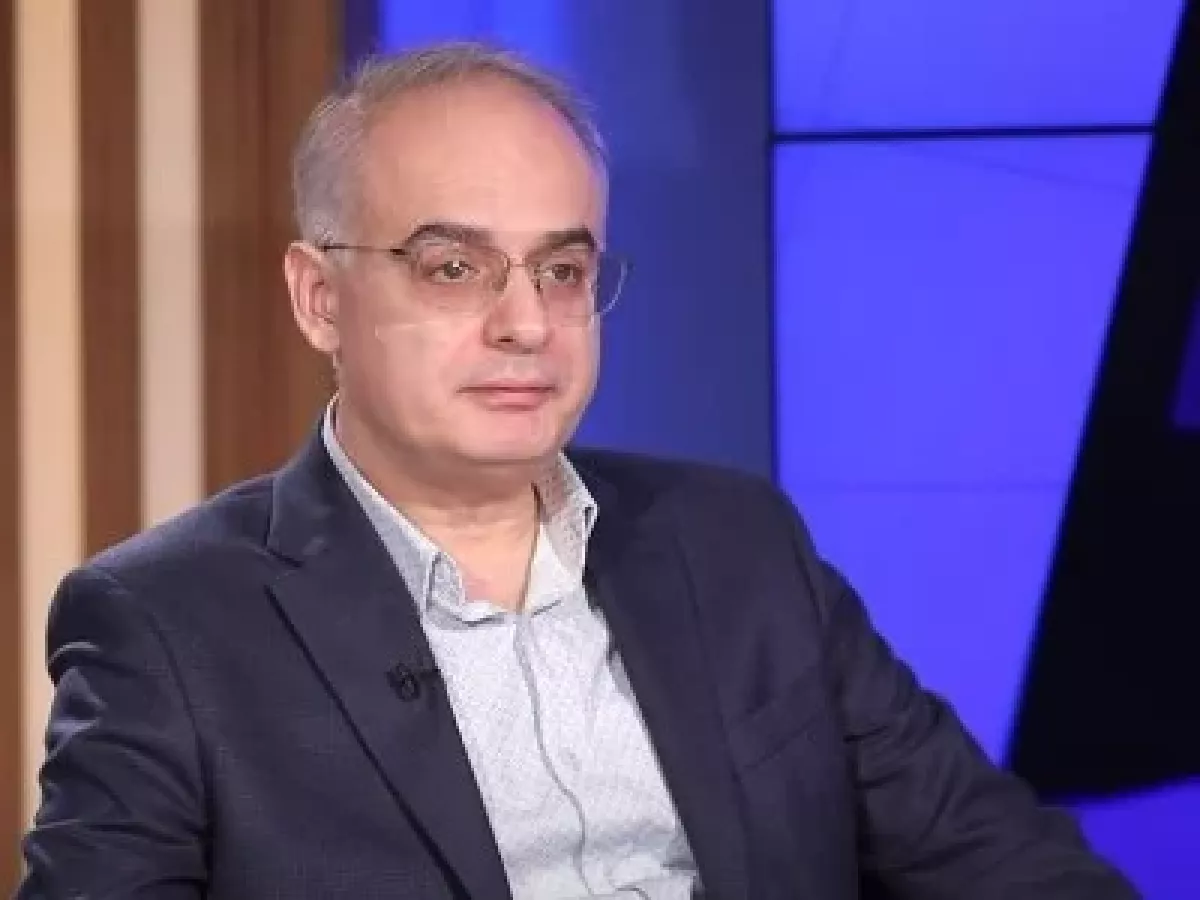
On the same day, Levon Zourabian, Vice-Chairman of the Armenian National Congress (ANC) (the party of former President Levon Ter-Petrosyan), stated that “there are now two concepts of peace. One is the [PM Nikol] Pashinyan concept of ‘peace,’ which assumes that we will achieve peace if Azerbaijan becomes the master and ruler of Armenia. Nikol Pashinyan does not say anything else. This is unacceptable for us as a prospect. This is a false peace and a dangerous formula. It will bring us nothing other than Azerbaijan becoming the master and ruler [of Armenia], and we will no longer decide anything.”
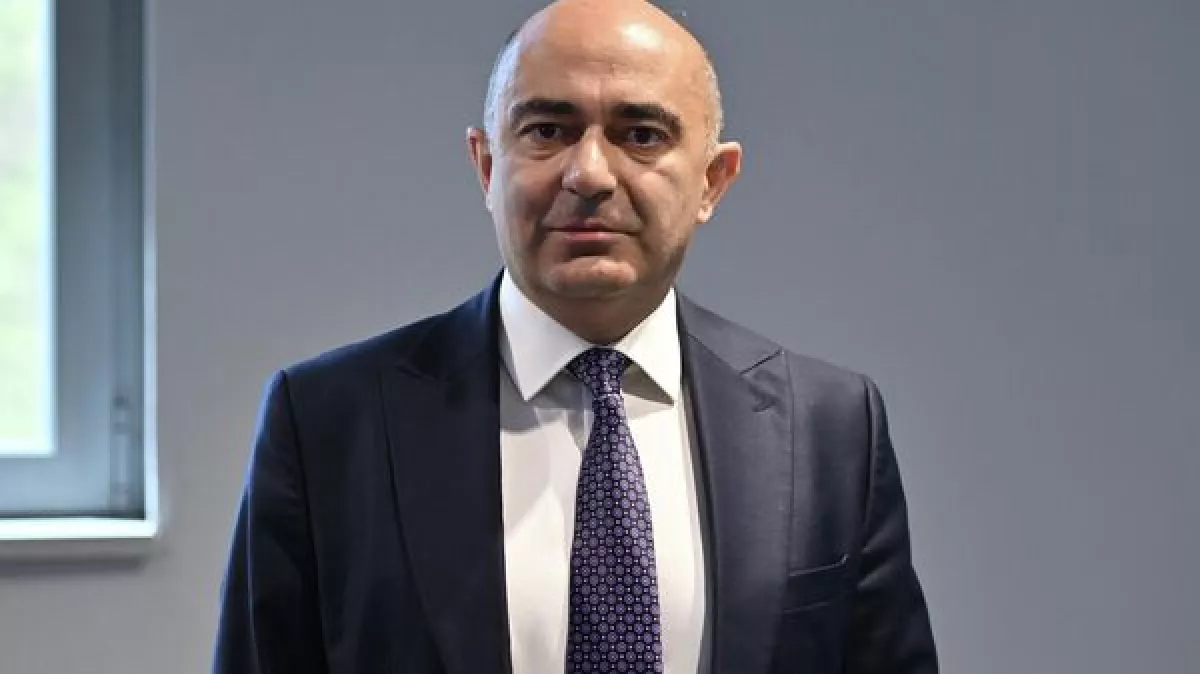
Another opposition figure, the chairman of the Bright Armenia party, Edmon Marukyan, who leads the party’s proportional list of parliamentary candidates, told journalists that the “TRIPP project does not provide any reasons for support and requires revision.”
According to him, Armenia should not sign any documents related to regional communications until “the issue of the rights of the people of Nagorno-Karabakh (NK)” is resolved. Marukyan emphasised that his party maintains a clear and unwavering position: “No Karabakh — no corridor.”
Notably, such radical statements continue to be made almost daily.
How dangerous is this kind of rhetoric for the ruling party in terms of its impact on voter sentiment? And what can Nikol Pashinyan and his team counter with?
Experts shared their assessments on this matter with Caliber.Az.
Armenian journalist and blogger Roman Baghdasaryan immediately noted that Samvel Karapetyan’s statements about the comparability of transfers from Russia with the volume of Armenia’s budget do not correspond to reality.
“They do not make up even 5 per cent of the budget — the whole of Armenia knows this. So these are empty statements that have no influence on voters.
As for how dangerous all these statements are in general, they can, of course, affect some kind of deranged provocateurs. But still, the majority of Armenia’s population consists of clear-thinking people who, over the past eight years, have mostly learned to distinguish lies from the truth. So let’s hope that everyone will have enough sense to understand who is who.
As for Pashinyan, apart from rhetoric and statements, he has actually been working all these eight years. I don’t think it is worth comparing Pashinyan, behind whom there is eight years of work experience, with an uneducated oligarch. Everything will be fine,” Baghdasaryan believes.
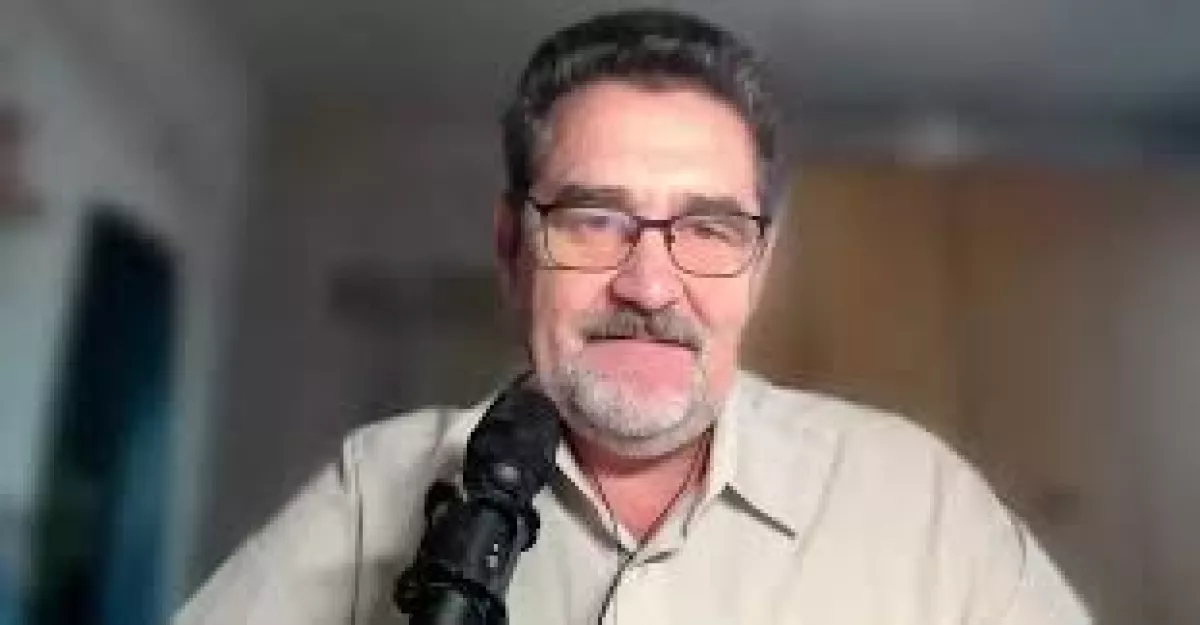
According to Ihor Semyvolos, Executive Director of the Center for Middle East Studies (Kyiv), opposition rhetoric represents a serious but not decisive threat to Pashinyan.
“The thesis about a ‘governor of Azerbaijan’ is painful, but counterfactually weak: none of the opposition leaders offers a realistic alternative to the already occurred military defeat. Karapetyan is under arrest, Kocharyan is toxic, Marukyan is too small.
The most likely scenario is a victory of the Civil Contract in the first or second round, with Pashinyan remaining in power, but now with a parliament in which there will be a real and sizable opposition, something that has not existed since 2018. This will be a fundamentally different configuration — not a monopoly, but a competitive environment in which every government decision will face public challenge,” Semyvolos predicts.
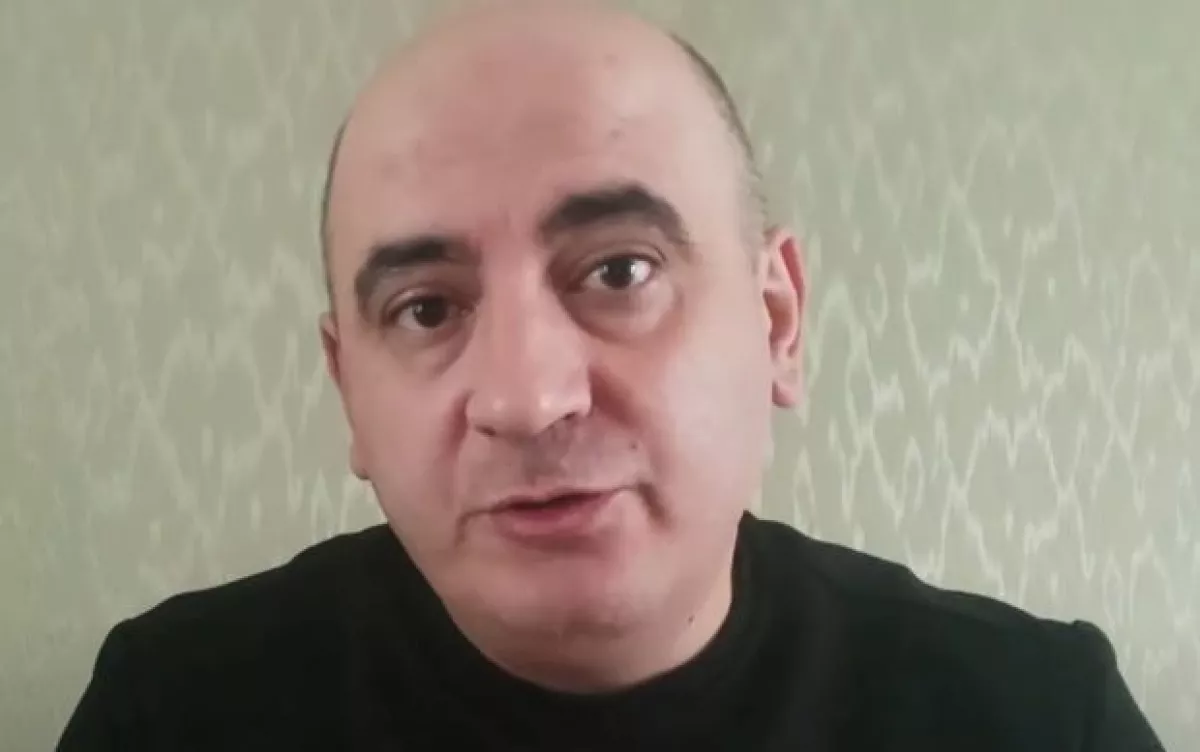
Armenian analyst and publicist Ishkhan Verdyan began by clarifying that Samvel Karapetyan himself presents himself as a candidate for prime minister, although he is not officially one.
“The Constitution of Armenia clearly prohibits individuals with foreign citizenship from being elected to parliament, and Samvel Karapetyan has two of them — Russian and Cypriot. Thus, Samvel Karapetyan is misleading foreign media by presenting himself as a candidate for the position of prime minister without actually being one, and the media are quoting this.
Regarding Samvel Karapetyan, it can be said that he is disoriented in the environment in which he finds himself. His statements such as ‘Pashinyan brought one ton of hallucinogenic mushrooms from China,’ as well as his openly clan-based and criminal mindset and understanding of laws, are nonsense for a person claiming to be a politician of such a level.
Let it not sound like a sweeping accusation, but his denial of the sovereignty of Azerbaijan and Türkiye in the current conditions leaves the impression of a person who does not understand what exactly he is communicating,” the expert noted.
Overall, he continued, opponents of peace have mobilised their forces and are attacking in all possible directions, and statements from representatives of the heterogeneous opposition clearly confirm this.
“If we try to truly understand the essence of the process, then TRIPP, in essence, connects Azerbaijan with Azerbaijan. Therefore, Armenia can provide Azerbaijan with a strategic link to its exclave and to Türkiye. Thus, stability and predictability of Armenia can be considered a high priority for Azerbaijan. Today, Nikol Pashinyan can be considered the only force in Armenia capable of ensuring this connection.
Taken together, these forces can be called ‘Dashnaks.’ Their goals are clear — to obstruct the peace agenda by all available means. To achieve these goals, deception, manipulation, denial of legality, emotional exploitation, as well as coercion and terror are used. And all of this is aimed at preserving Russia’s political influence in Armenia and, in the longer term, in the Caucasus.
But what kind of Armenia will it be — the one proposed by Nikol Pashinyan, or the one proposed by his opponents? Nikol Pashinyan advocates full mutual recognition of sovereignty, development, and peace. His opponents offer revenge and war,” Verdyan concluded.







 editor@caliber.az
 +994 55 444-88-98
 Азербайджан, Баку, ул. Низами, 203, Af Business House, 5-й этаж