










Moscow–Yerevan duel: rhetorical battle heats up Russian and Armenian analysts on Caliber.Az
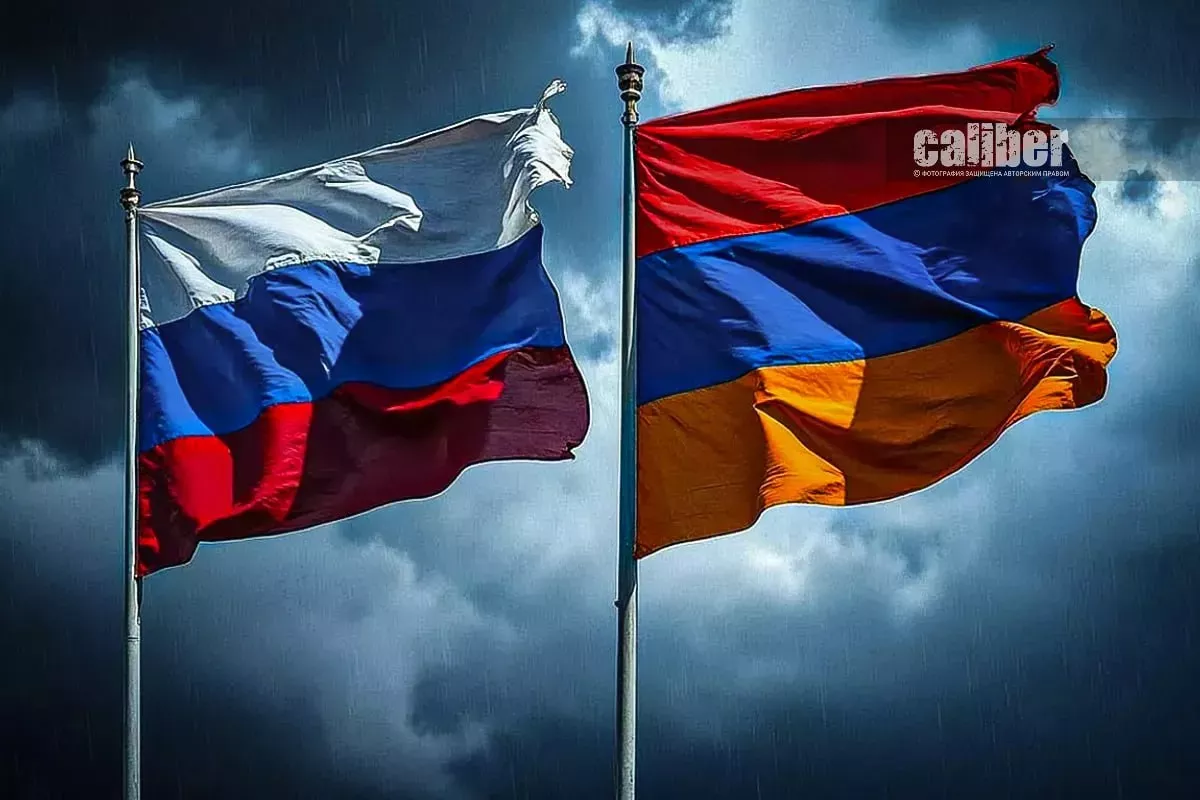
“A state of acute political tension” — this is perhaps the best way to describe the level of rhetoric that has recently characterised relations between Moscow and Yerevan. A whole range of actions by the Armenian authorities has come under harsh criticism from representatives of the Russian establishment, ranging from their “political orientation” to their economic priorities.
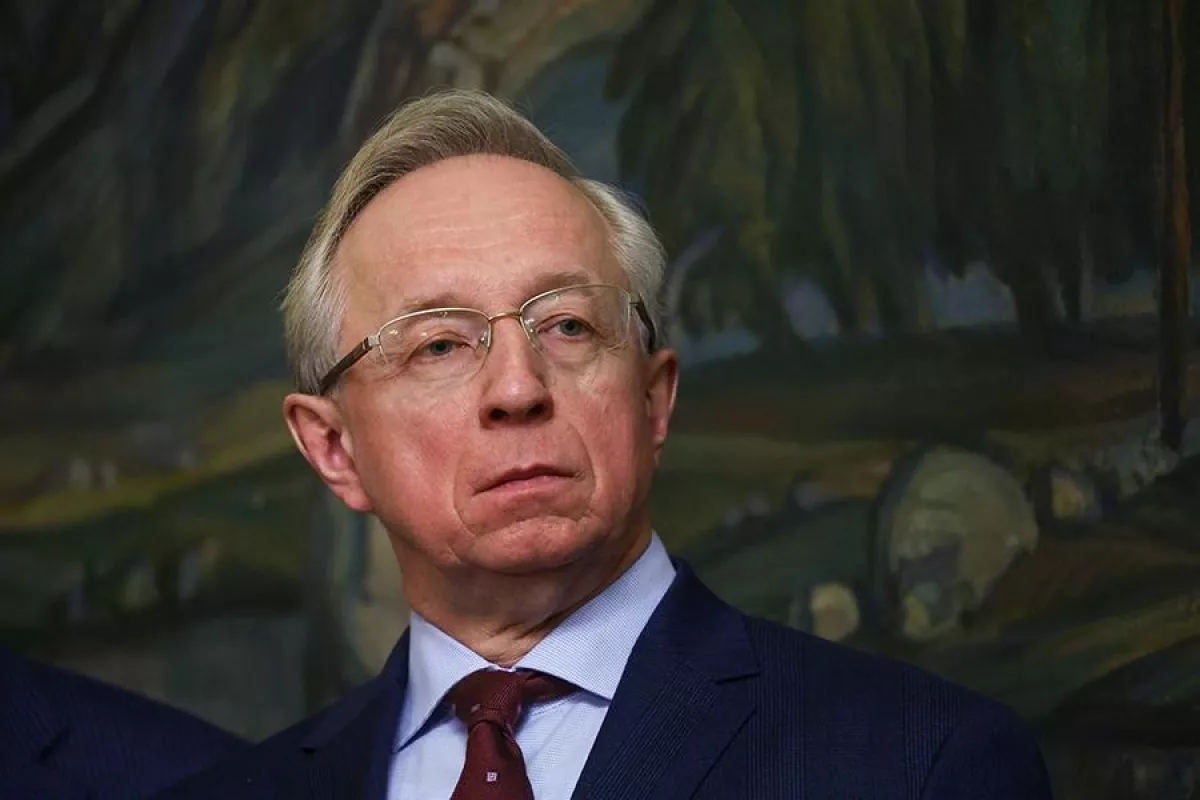
In particular, Russian Deputy Foreign Minister Mikhail Galuzin recently condemned Yerevan’s foreign policy course, stating that Russia no longer intends to tolerate Armenia’s pro-European trajectory while the country simultaneously remains part of an organization such as the Eurasian Economic Union. According to him, “Armenia will not be able to dance at two weddings simultaneously.”
In response, Prime Minister Nikol Pashinyan remarked that “we sometimes confuse interstate relations with marriage.” According to him, Armenia is guided by interstate logic and remains a full-fledged member of the EAEU, participating in all its processes.
So, why is Russia exerting such obvious pressure on Yerevan? And how is this political duel connected to the pre-election situation in Armenia? Russian and Armenian experts answer these questions for Caliber.Az.
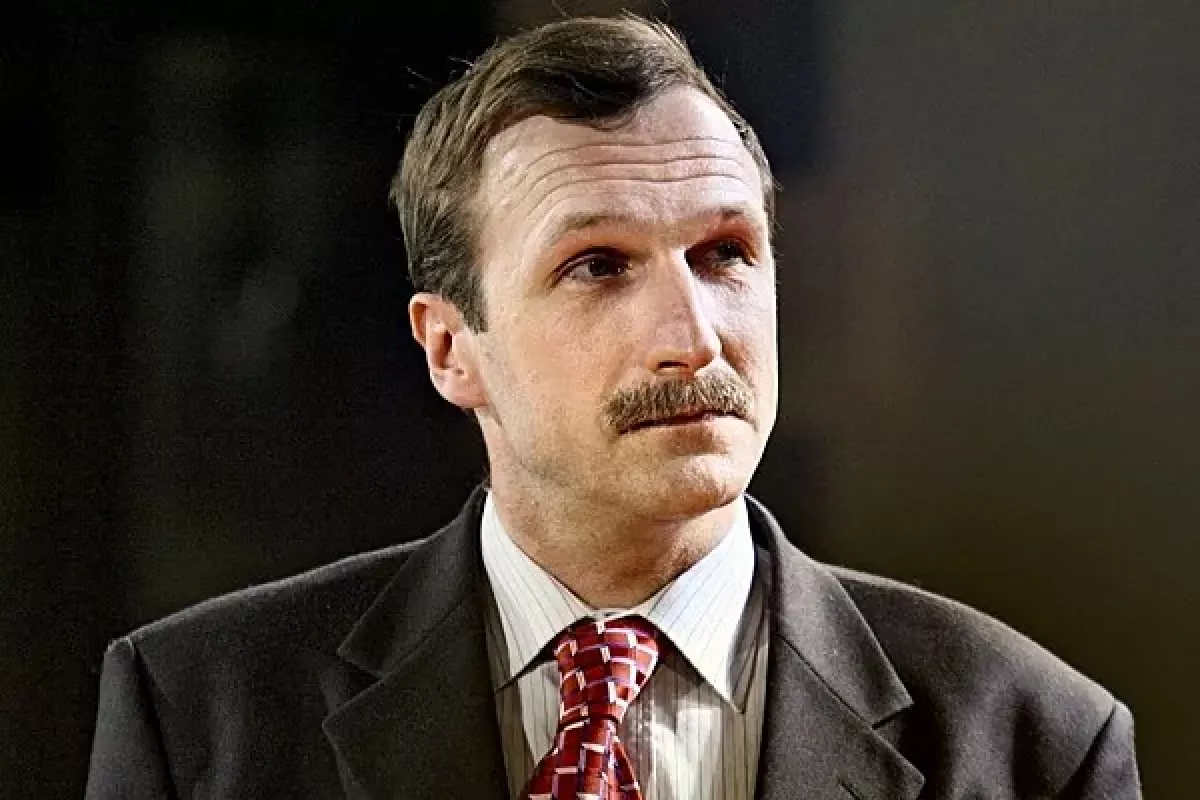
In particular, Russian political analyst Georgy Bovt believes that with excessively harsh rhetoric and pressure, Russia risks not “forcing” Yerevan into line, but rather pushing it away and prompting it to adopt an even more anti-Russian stance.
“In Moscow, the issue is being framed as if Armenia has already obtained candidate-country status and the accession process has been launched. But in reality, this is not the case. Even if Brussels continues to court Yerevan, it will only do so in order to ‘poke the anthill with a stick’ — that is, to irritate Russian politicians, and nothing more. This element of political manoeuvring and a kind of provocation aimed at eliciting different reactions from Russia must be taken into account,” he said.
According to the analyst, the European Union is in no hurry to accept Armenia into its ranks, which makes it unclear why Moscow is now trying to escalate the situation through such actions.
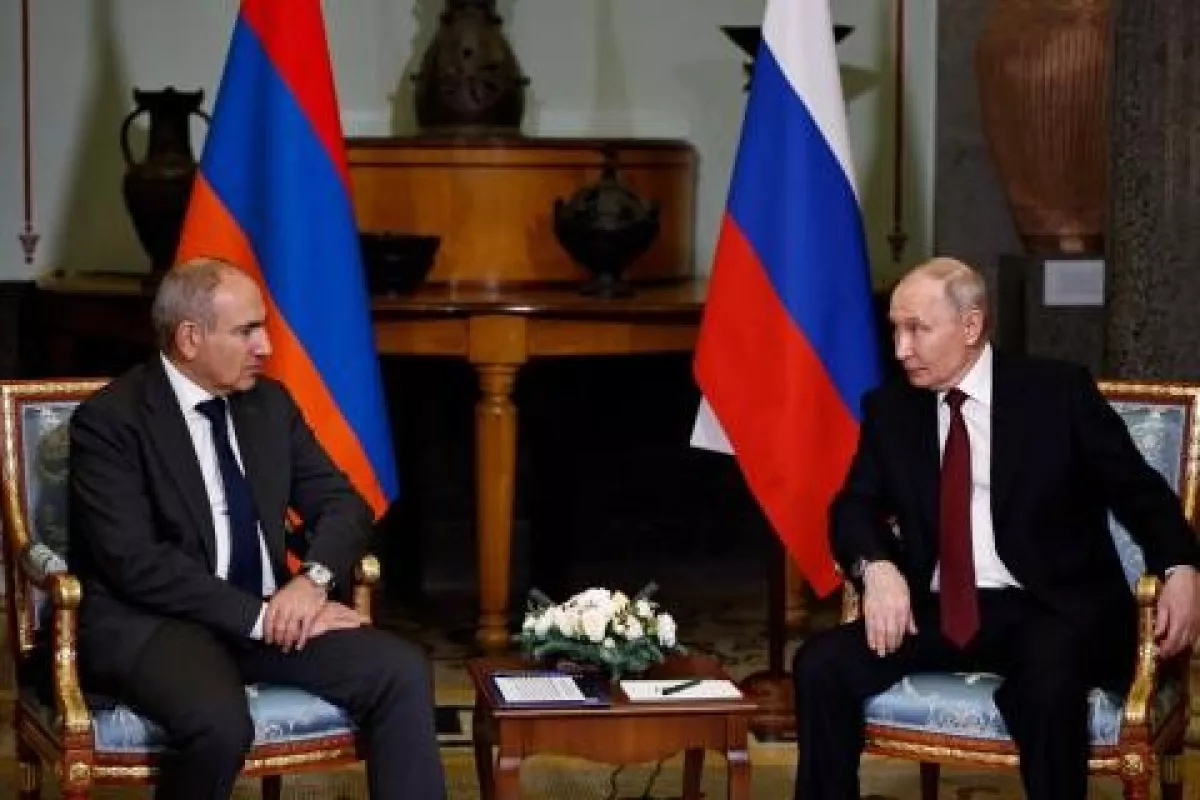
“By effectively resetting relations with Yerevan and speaking about a possible harsh response, Russia is depriving itself of certain advantages — for example, one of the routes for circumventing sanctions — while pushing the Armenian side toward stricter compliance with them. Although such steps may simply be revenge for the fact that during his visit to Moscow, Nikol Pashinyan spoke insolently to the Russian president, and European integration may be far from the main reason behind the deterioration in relations. Still, one would hope that this does not go too far and that Russia will not decide to revise its gas contract with Armenia and raise prices for energy supplies.
It should be understood that the Armenian prime minister’s political idea regarding European integration is not about ‘escaping to Europe,’ but rather an attempt to effectively replace the ‘Karabakh idea,’ which throughout the entire post-Soviet period served as the ideology of the Armenian nation and suffered a crushing defeat in the war with Azerbaijan. Thus, instead of returning to the old slogans of ‘miatsum,’ Pashinyan is calling on Armenians to become ‘a little bit European.’ Rather than endless ressentiment, this is an attempt to build a different image of the future — one that contains far less anti-Russian sentiment than some Russian politicians believe,” Bovt stated.
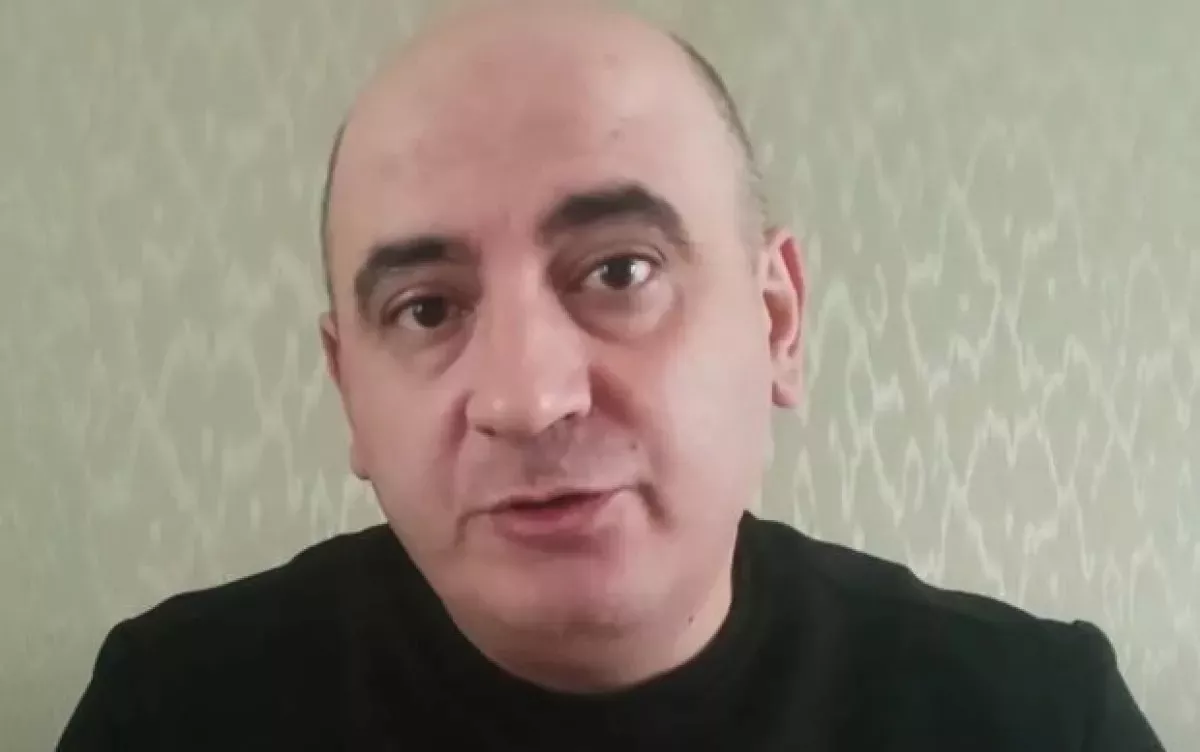
Meanwhile, according to Armenian political analyst and blogger Ishkhan Verdyan, the Kremlin’s only objective is, by any means necessary, to remove Nikol Pashinyan from power.
“To see the full picture, it is necessary to understand that from the moment of its creation in 1991 up to the present day, Armenia has not possessed full political sovereignty. The complete delegation of foreign policy to Russia was the reality in which the country lived before Pashinyan came to power. At the same time, this situation was permanently accompanied by conflict, which from time to time resulted in brutal wars. Even today, political forces directly affiliated with Russia place the so-called ‘Artsakh’ at the centre of their election rhetoric, effectively exposing Armenia to a harsh response from Azerbaijan, along with all the resulting consequences.
From the Russian side, this appears entirely logical, because if — God forbid — the possibility of renewed military confrontation between Armenia and Azerbaijan were to emerge, then Russia would become the only state capable of ‘saving’ it. In this way, Moscow would return Yerevan to its familiar ‘manageable’ mode, and the history of the Third Republic would continue along its usual course. According to this logic, Nikol Pashinyan represents a direct threat because, through his refusal to continue the Karabakh conflict and his recognition of Azerbaijan’s territorial integrity, he is effectively creating the conditions for the country’s sovereignty, politically cutting it off from Russia.
However, the issue extends far beyond Armenia alone. From Russia’s perspective — as a power deeply invested in the South Caucasus as a whole — Armenia’s attainment of genuine sovereignty would significantly reshape the regional balance of power. In such a configuration, Azerbaijan would be able to leverage its capabilities far more effectively, potentially strengthening the sovereignty of the entire South Caucasus, possibly including Georgia as well. This is extremely serious, and, logically, Moscow’s reaction to such an attempt to change Armenia’s status would be as comprehensive as possible. That is precisely what we are witnessing today,” Verdyan concluded.







 editor@caliber.az
 +994 55 444-88-98
 Азербайджан, Баку, ул. Низами, 203, Af Business House, 5-й этаж