










Armenia’s “divorce” from the EAEU and Moscow’s warning Expert opinions on Caliber.Az
Yerevan may lose all privileges within the Eurasian Economic Union (EAEU), Russian Foreign Minister Sergey Lavrov has said.
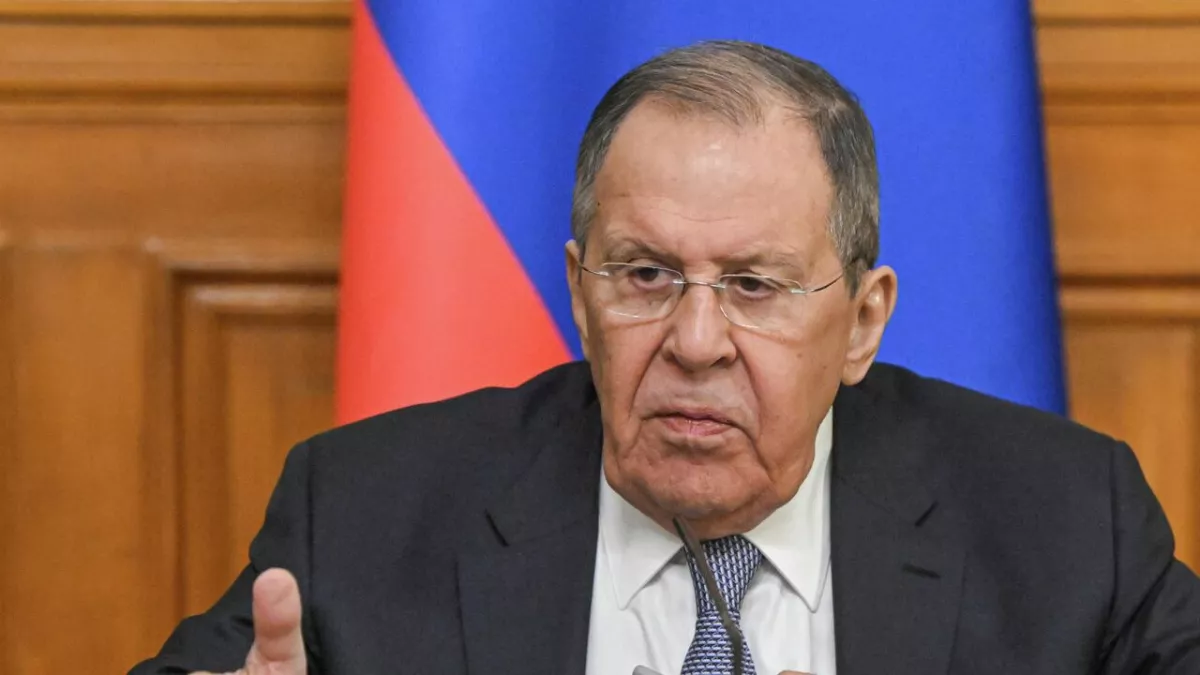
“We [i.e. Russia] have relations with Armenia, these relations are close, allied, but at the same time complicated, taking into account how the West is trying to subjugate Armenia, as in the case of some other members of the Commonwealth of Independent States, again, and also to break Armenia’s mutually beneficial economic, trade and, investment ties with its partners in the CIS and the Eurasian Economic Union,” Lavrov said.
He noted that the current state of Russian-Armenian relations will be one of the topics of discussion at the upcoming EAEU summit. The event is scheduled for the end of May in Kazakhstan.
Armenian Prime Minister Nikol Pashinyan has already stated that he will be unable to attend the summit due to his election campaign.
Discontent with Armenia’s actions is also reflected in the media. Armenia’s withdrawal from the EAEU would cost the republic at least $5 billion, according to the well-known Russian Telegram channel Baza. It warns that the largest costs would come from higher prices for natural gas purchased from Russia. Currently, its price for Yerevan is $177.5 per thousand cubic meters, but after leaving the EAEU, it could rise to $550. Thus, the annual additional expense would be about $800 million.
It is also reported that Armenia may face large-scale multibillion-dollar losses due to the risk of the suspension of re-export of sanctioned goods to Russia, which in 2024 brought the country significant income, as well as due to a potential decline in the volume of direct exports to Russia. Analysts also warn about the lack of suitable alternative export markets for Armenian products.
On May 5, Pashinyan avoided giving a direct answer to the question of whether Armenia would leave the EAEU in favour of joining the EU if he is re-elected in the parliamentary elections on June 7. During a briefing in Yerevan attended by European Council President António Costa and European Commission President Ursula von der Leyen, Pashinyan stated that there is huge potential in Armenia’s relations with the EU, which is already being realised, and expressed confidence that the sides would implement very serious strategic projects.
How much would Armenia lose if it left this economic union, or could such a step, on the contrary, benefit it in the long term? Could the country gain other preferences, and is it possible to compensate for these losses by developing new ties — for example, with neighbouring Türkiye and Azerbaijan?
Well-known regional experts tried to answer these questions for Caliber.Az.
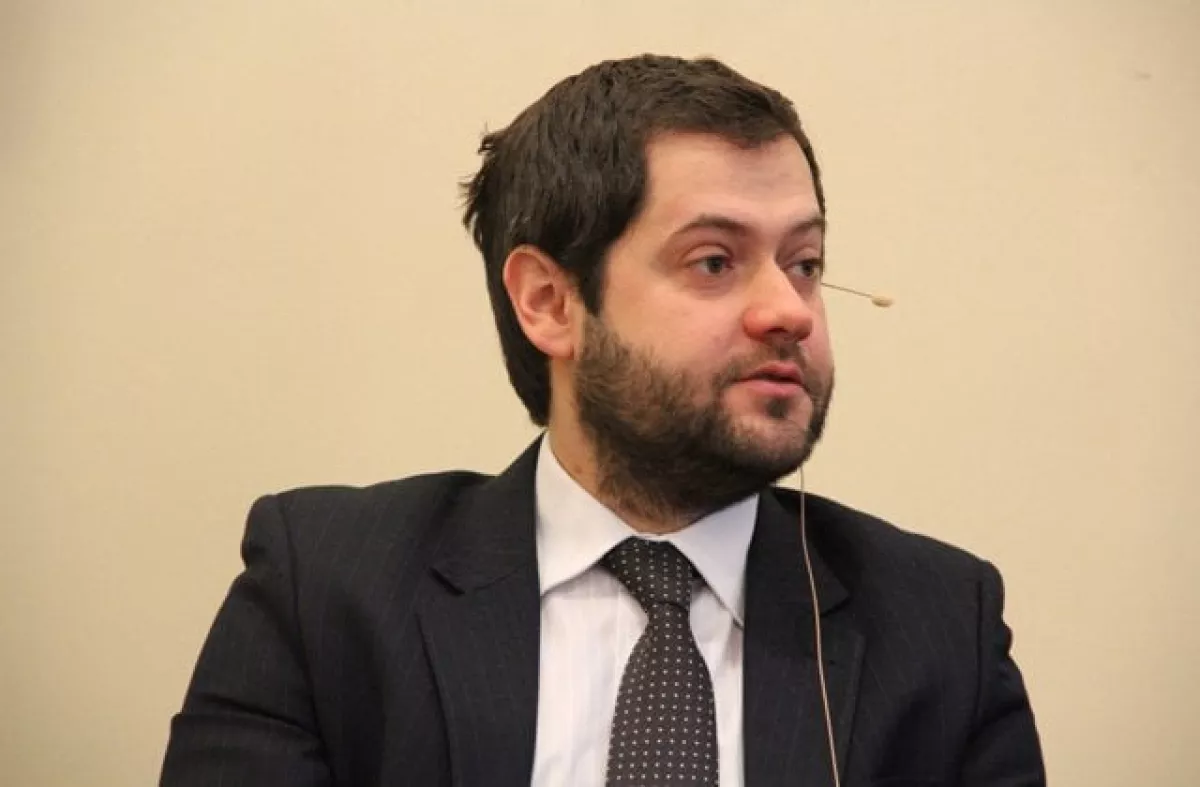
As noted by Polish political scientist, Caucasus expert, and PhD holder at the Faculty of Oriental Studies of the University of Warsaw, Konrad Zasztowt, before answering these questions, he would like to add that Putin proposed a “friendly divorce” from the EAEU to Armenia, to which Nikol Pashinyan responded that relations between states and international organisations are not like a marriage.
“The Kremlin is now trying to weaken Pashinyan’s government as much as possible ahead of the parliamentary elections on June 7, but it has few tools of influence. Russia indeed has deep economic ties with Armenia, and Yerevan also benefits from acting as a supplier of goods subject to sanctions to Russia; however, this is unlikely to significantly affect the election results.
The threat of a sharp rise in gas prices is, of course, an attempt by the Kremlin to influence Armenian society. Russia will try to destabilise the situation in Armenia during Pashinyan’s rule. However, in my view, the prime minister’s policy aimed at restoring relations with neighbouring countries — Azerbaijan and Türkiye — could bring long-term economic benefits to the country. It cannot be ruled out that Turkish and Azerbaijani investments may flow into Armenia. Azerbaijan may, in the future, be able to meet Armenia’s energy needs,” Zasztowt suggests.
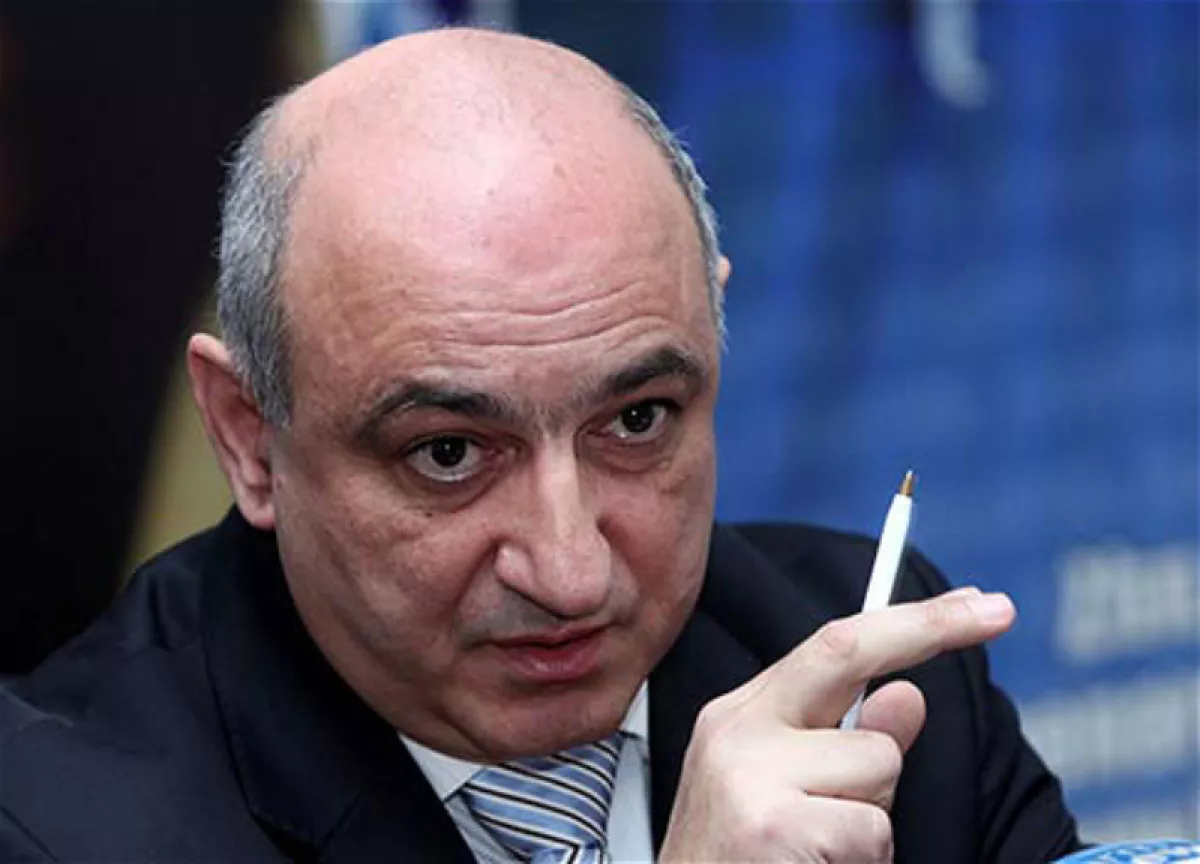
Armenian analyst and honorary president of the Yerevan Press Club, Boris Navasardyan, stated that, in his understanding, Moscow is increasingly concluding that Armenia’s drift away from Russia has become a stable and potentially irreversible process.
“The ‘European Days’ held in Yerevan in early May served as a catalyst for this realisation. At the same time, Armenia continues to attach great importance to its membership in the EAEU as a key pillar of economic stability and has no intention of revisiting its status in the foreseeable future.
Recent statements by Vladimir Putin and Sergey Lavrov, which came across almost as warnings, as well as remarks by Deputy Prime Minister Alexey Overchuk and Mikhail Kalugin from the Russian Foreign Ministry—who elaborated in detail on the full scope of Armenian-Russian cooperation and the consequences of its possible unwinding—along with the increasingly confrontational media narrative surrounding these ‘warnings,’ suggest that Moscow is dissatisfied with the trajectory set by Yerevan.
While most actors are awaiting the results of Armenia’s parliamentary elections in order to shape the next phase of relations, Russia appears to be seeking clearer answers already now. The formula of ‘maintaining loyalty in exchange for continued economic benefits’ may become a key element of the agenda concerning Armenia at the upcoming EAEU summit,” the expert noted.
On the other hand, the expert believes that it cannot be ruled out that Moscow, in a complex political and economic situation, is simply artificially raising the stakes and exerting pressure on Yerevan ahead of the elections.
“After all, Russia would also stand to lose quite a lot if Armenia were excluded from the EAEU, especially in the context of its partial international isolation. Of course, the scale of losses would not be symmetrical, but only careful calculations can show which side is more prepared for a rupture at this particular moment.
To increase its own agency, Armenia has no alternative but to diversify its external engagement in the fields of the economy, energy, and security. The United States—if it does not revise its plans due to the war in Iran—the European Union, Central Asian countries, and immediate neighbours should all be considered priority partners by Yerevan.
However, in order to realise the potential of such partnerships, it is necessary to promptly develop strategic cooperation programs comparable to the Trump Route for International Peace and Prosperity (TRIPP), but not based on exclusivity.
Lack of alternatives in today’s global instability carries serious risks. And the bilateral Armenia–Azerbaijan format is one of the key ones in developing regional projects. Let us hope that in the near future it will be filled with diverse and substantive content,” Navasardyan said.







 editor@caliber.az
 +994 55 444-88-98
 Азербайджан, Баку, ул. Низами, 203, Af Business House, 5-й этаж