










Is Germany preparing for a major war? Expert opinions on Caliber.Az
Germany’s Interior Minister, Alexander Dobrindt, has announced that the German government plans to significantly expand the country’s civil protection capabilities in response to existing security threats.
“We are strengthening public protection and civil defence,” he said. According to Dobrindt, Germany is taking a tougher stance on hybrid threats and increasing support for volunteer emergency responders.
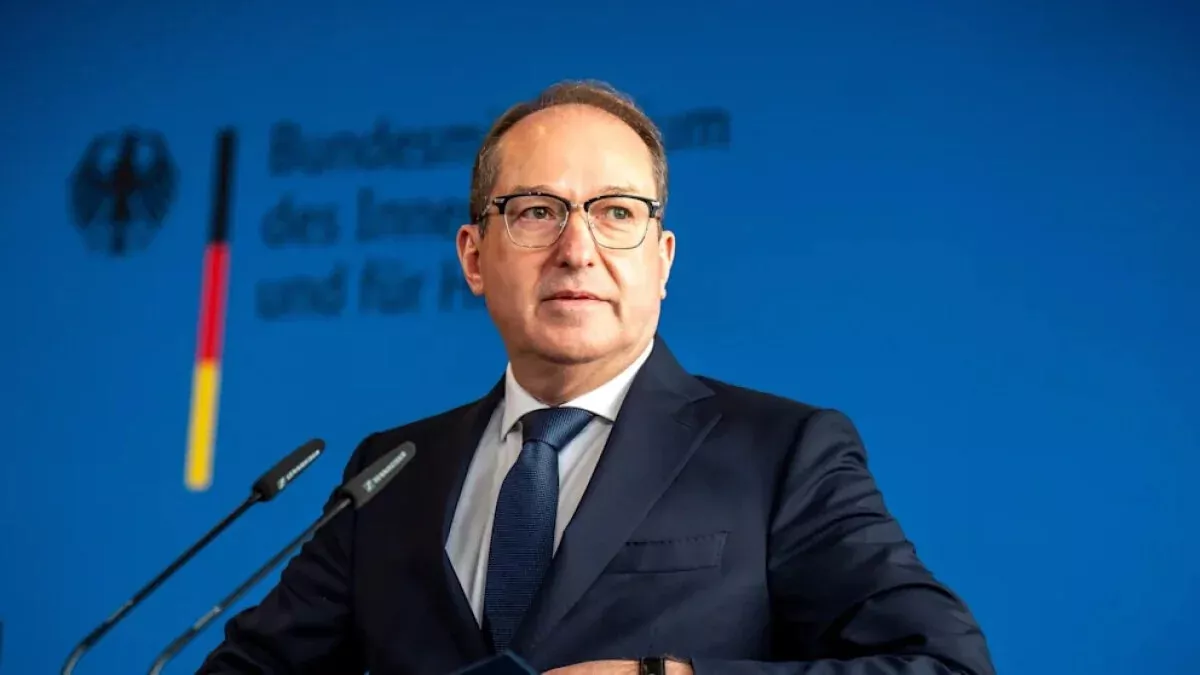
Dobrindt stressed that “military and civil defence structures will be more closely integrated to enhance the country’s security and resilience.”
According to German media reports, the Cabinet’s proposal includes a dedicated €10 billion programme. The funds will be used to procure additional equipment, construct new facilities, expand personnel, and introduce new technologies, including for the Federal Agency for Technical Relief (Technisches Hilfswerk, THW).
In addition, Germany plans to procure 1,000 new specialised vehicles and 110,000 field beds by 2029. Dobrindt also intends to introduce civil defence training elements into school curricula.
The draft legislation proposed by Dobrindt is expected to be approved by the federal Cabinet in Berlin in the near future. According to media reports, it is based on the so-called “3A model”: Auftrag (“clear mission”), Ausstattung (“better equipment”), and Ausbildung (“comprehensive training”) for the civil protection system. The government also plans to improve public warning mechanisms and direct citizens more quickly to shelters or assistance centres through a dedicated mobile application.
How well do these plans correspond to Germany’s existing and potential security threats? Are the proposed measures sufficient to ensure the survival and protection of the civilian population in the event of a major crisis?
International experts shared their views on the matter with Caliber.Az.

Isa Javadov, a German political scientist and holder of a Master’s degree in International Relations from the University of Bremen, believes that the current emphasis on strengthening civil defence and ensuring comprehensive preparedness for its implementation is one of the first steps towards making the idea of militarisation more acceptable to society.
“At present, many German citizens view the prospects of reintroducing compulsory military service, increasing spending on military rearmament, and expanding the defence industry very negatively. Interestingly, both right-wing and left-wing movements, which are gaining increasing popularity in Germany, share the belief that such measures will draw the country even deeper into confrontation with Russia.
Moreover, economic difficulties have been mounting in recent years, already forcing people to pay higher social contributions and taxes, as well as spend more on electricity and health insurance. The need to modernise the Bundeswehr, combined with Germany’s commitments to supply weapons to Ukraine, is seen by part of the population as an inevitable increase in the tax burden and, consequently, as pushing any resolution of the socio-economic crisis even further out of reach,” the analyst said.
Although the prospects of an open confrontation between the EU countries and Russia appear doubtful in his view, the need to strengthen the Bundeswehr nevertheless remains, given that the United States is increasingly distancing itself from the coordination of NATO armed forces and seeking to reduce its military presence in Europe.
“As a result, European states are increasingly left to deal with potential conflicts on their own. Nevertheless, Chancellor Friedrich Merz’s rearmament initiative is still likely to face difficulties and delays, considering the intense debates surrounding the issue in the Bundestag and opposition from segments of civil society. Politicians on both the left and the right describe the initiative as ‘militarisation’, whereas supporters of the government’s course speak of ‘restoring the country’s defence capabilities’. Meanwhile, the Social Democrats advocate a more restrained approach to military modernisation while maintaining a strong emphasis on diplomacy and humanitarian programmes,” Javadov explained.
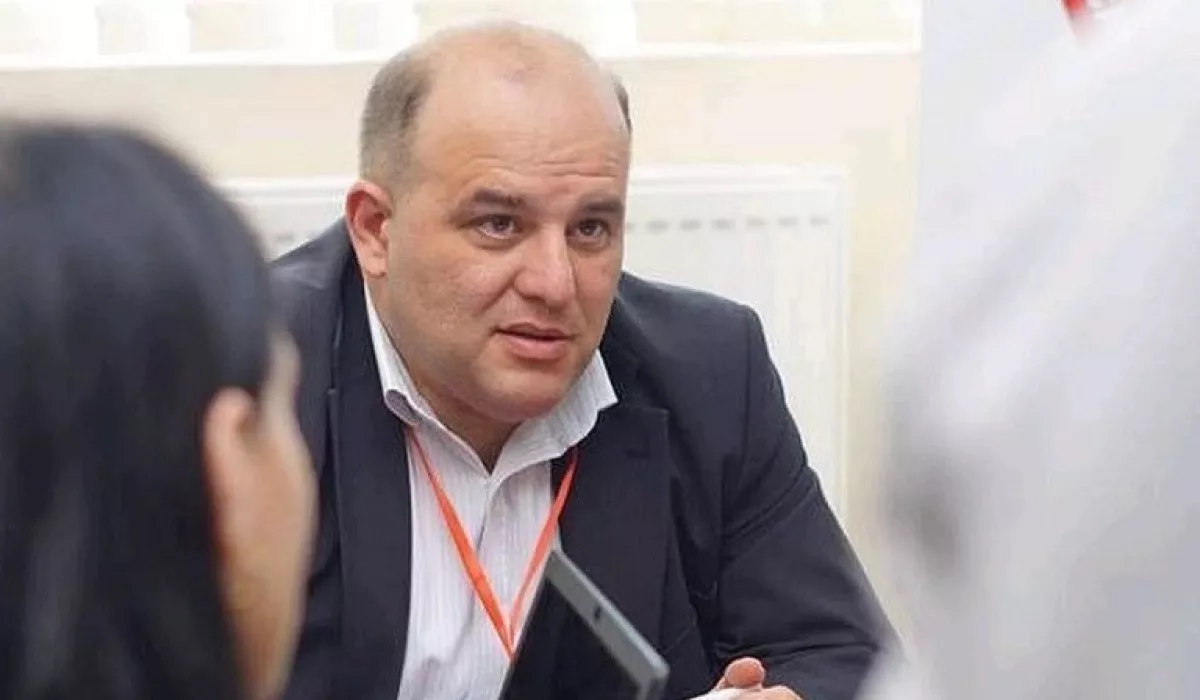
For his part, Vakhtang Maisaia, Doctor of Military and Political Sciences from Georgia, said that the new initiative put forward by Germany’s interior minister represents a highly noteworthy approach, one that is being implemented for the first time since the end of the Cold War.
“During that period, Germany was divided into two states, and after reunification it pursued a distinctive approach to military policy. The measures outlined are more closely related to military policy than to defence strategy and constitute steps aimed at protecting the country from external hybrid threats, most likely originating from the Russian Federation.
The possibility of not only hybrid warfare but also a full-scale conventional conflict is being taken into consideration. As Russia poses a threat to Eastern European countries, tensions in the Baltic region could intensify, where Germany has vital national interests. The Baltic Sea is one of the key geostrategic areas underpinning Germany’s defence capabilities,” the professor believes.
All the measures that Germany intends to actively develop by 2029, in his view, represent preparation for potential scenarios involving hybrid warfare conducted by the Russian Federation.
“This includes the use of fifth-generation warfare elements—technological tools through which Russia may escalate tensions on NATO’s eastern flank.
The experience of the war in Ukraine is also being taken into account. The combination of these factors places Germany at a new level of defence capability within its military policy framework. A logical continuation of this process will be the creation of a new military strategy, which Germany is likely to adopt as early as next year,” Maisaia concluded.







 editor@caliber.az
 +994 55 444-88-98
 Азербайджан, Баку, ул. Низами, 203, Af Business House, 5-й этаж