










On the fault line: How will the US–Europe NATO dispute end? American and European experts on Caliber.Az
“Everything was in confusion in the Oblonskys' house” — perhaps this phrase, which has become synonymous with disorder and confusion, best describes the current state of relations between the United States and its European allies in NATO.
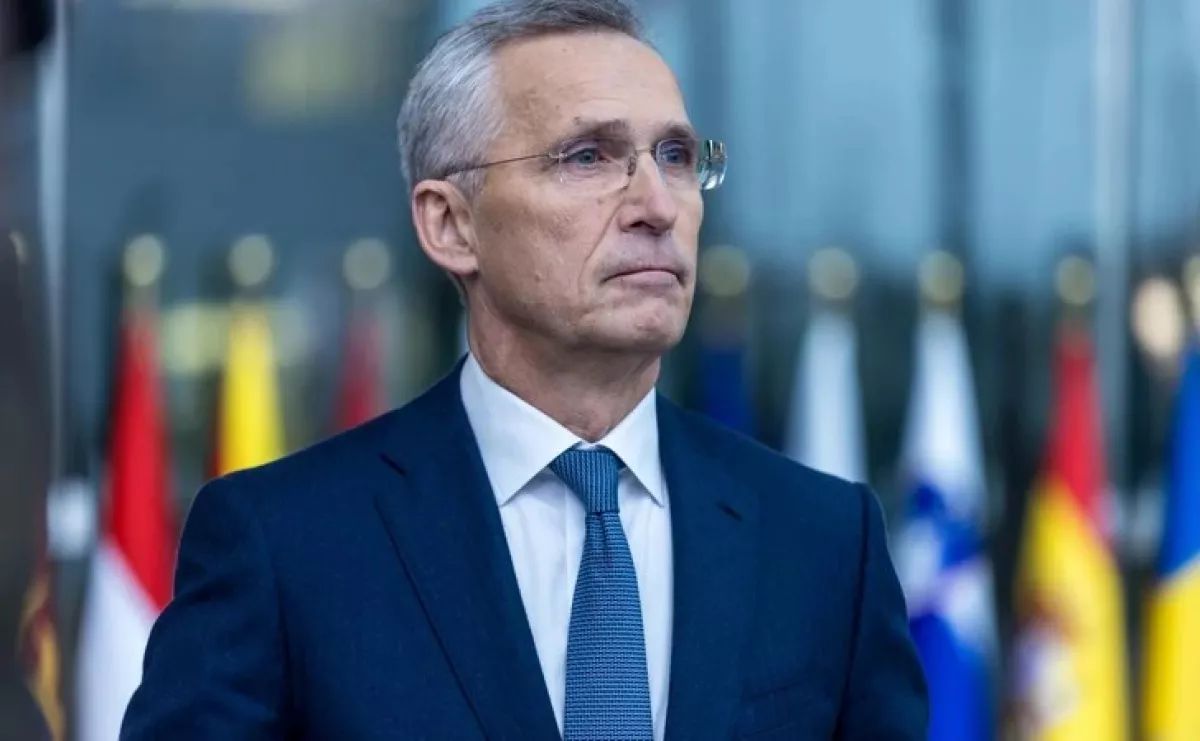
This situation is also confirmed by recent statements by former NATO Secretary General Jens Stoltenberg, who said in an interview with Bloomberg that governing NATO has become more difficult because the unity between the US and Europe is under threat: “I'm not more optimistic now than two years ago, if anything it has moved in even worse direction.” He also stressed that US pressure on allies, in particular Denmark in the context of Greenland, is unacceptable, and compared the Alliance to a “marriage” that requires constant renewal of agreements between partners.
So, why are disagreements between the United States and some EU and NATO member states steadily growing? American and European political analysts answer this question for Caliber.Az.

In particular, American analyst Andrew Korybko believes that Stoltenberg is speaking as a representative of the European elite rather than as a former NATO Secretary General, since Trump and his team represent the most pro-NATO administration in American history.
“This assessment is a consequence of Trump’s call for Europeans to step up, increase defence spending, and take greater responsibility for their own security. The President of the United States and his administration never shy away from constructive criticism of NATO, which is necessary to stimulate reforms within the organisation.
However, the European elite, with the exception of Polish conservatives and the Baltic states, reject this criticism outright because they want the continuation of what Trump called a ‘free ride’—that is, for the US to continue doing everything within the bloc while they, in turn, invest funds that could be directed to defence into other sectors. Such self-centred policies are what motivated Stoltenberg, whose statements reflect the interests of the European elite,” he said.
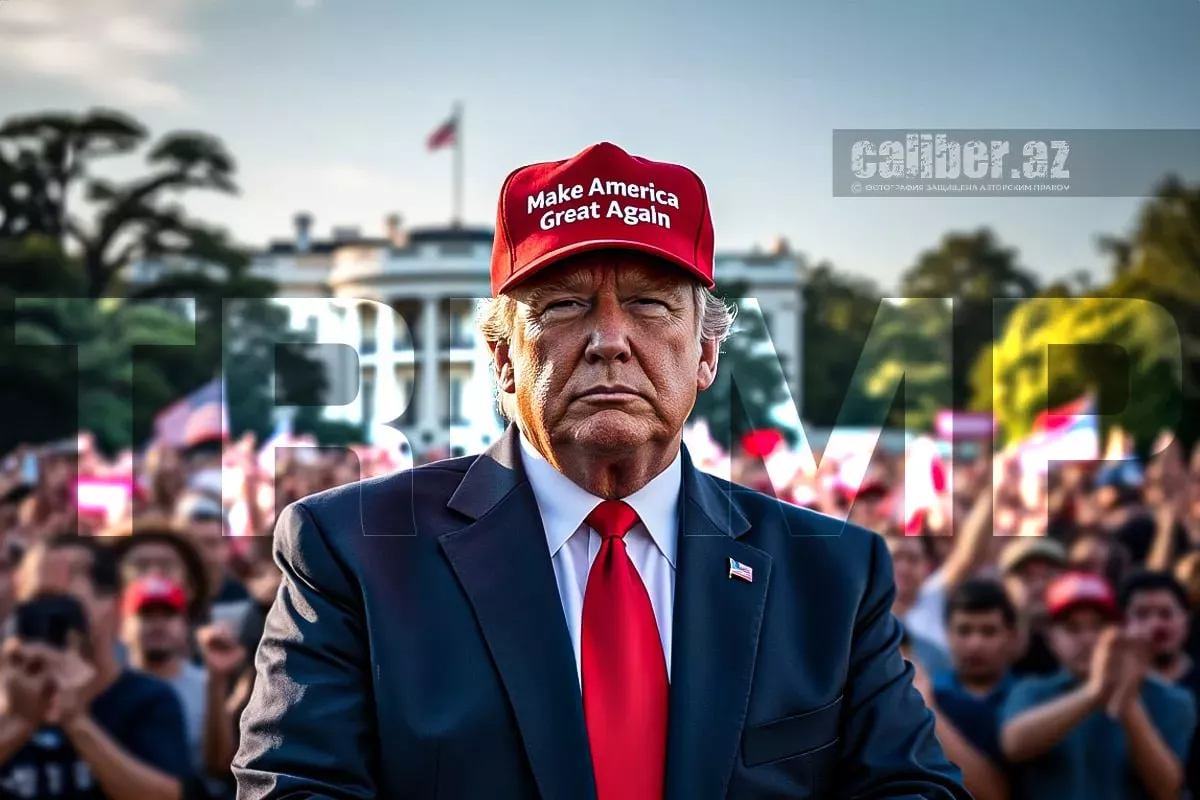
The analyst noted that the European establishment strongly opposes what Trump refers to as “NATO 3.0”, as European politicians fear that increased defence spending — and, consequently, cuts in social welfare funding — could turn voters against them.
“Trump’s National Security Strategy, which European elites have heavily criticised, demonstrates that the White House leader harbours no illusions about cooperation with these conservative structures and considers them a serious obstacle to effective military cooperation,” Korybko emphasised.

At the same time, Austrian political analyst Rudolf Valeev believes that the hardline pressure policy on NATO European member states, along with Trump’s contradictory statements, is generating distrust among Europeans, producing an effect that is the opposite of fostering cooperation in a new format.
“Trump completely ignores the fact that transforming the alliance requires time, resources, as well as a quorum of all member states. In addition, it should be taken into account that, despite the fact that the NATO charter and structure are closely correlated with the EU Treaty, each of the member states of these organisations can take decisions that differ from the common agenda, and no one will penalise them for it. Thus, as can be seen, modernising the alliance is fraught with a whole range of dilemmas, and therefore requires lengthy negotiations and consultations between the states belonging to the bloc.
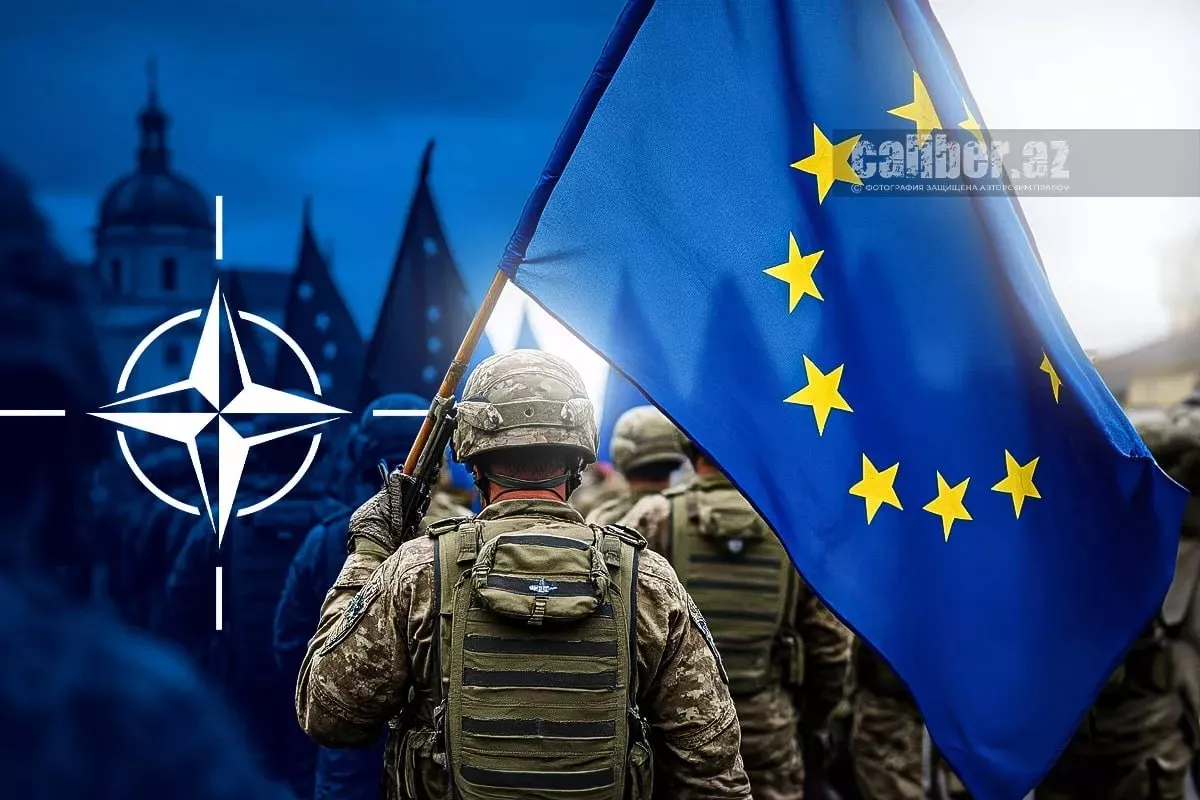
However, the American president is not willing to wait and is issuing rather sharp demands to the Alliance, such as the immediate inclusion of member states in actions related to the war with Iran and US operations in the Strait of Hormuz. But, as I would emphasise once again, in order to take such steps, Europeans need to reach a common agreement. As a result, Donald Trump voices accusations and grievances regarding the bloc’s strategy, without taking into account that NATO is not a division or a regiment obliged to immediately execute the order of its commander-in-chief.
At the same time, Washington did not coordinate the operation in Iran with Alliance members, nor did it attempt to develop a common position in the context of hostilities against the Islamic Republic of Iran: Europeans were simply presented with a fait accompli and then faced subsequent demands and criticism. It is clear that this is only one of the irritants, and virtually all of Trump’s actions at present are aimed either at creating an atmosphere of competition or at complete isolation in areas where the sides previously acted in a coordinated and joint manner.
Such a policy by Washington appears entirely unconstructive; therefore, Europe is inclined to move towards creating its own NATO-like mechanism without the United States, which provokes anger from the White House and its team,” Valeev concluded.







 editor@caliber.az
 +994 55 444-88-98
 Азербайджан, Баку, ул. Низами, 203, Af Business House, 5-й этаж