










Will Moldova disappear to join the European Union? Expert opinions for Caliber.Az
Moldovan Foreign Minister and Deputy Prime Minister Mihai Popșoi, who is a Romanian citizen, supports unification with that country and says he would vote for it if a referendum were held. He made this statement on the Vocea Basarabiei radio station.
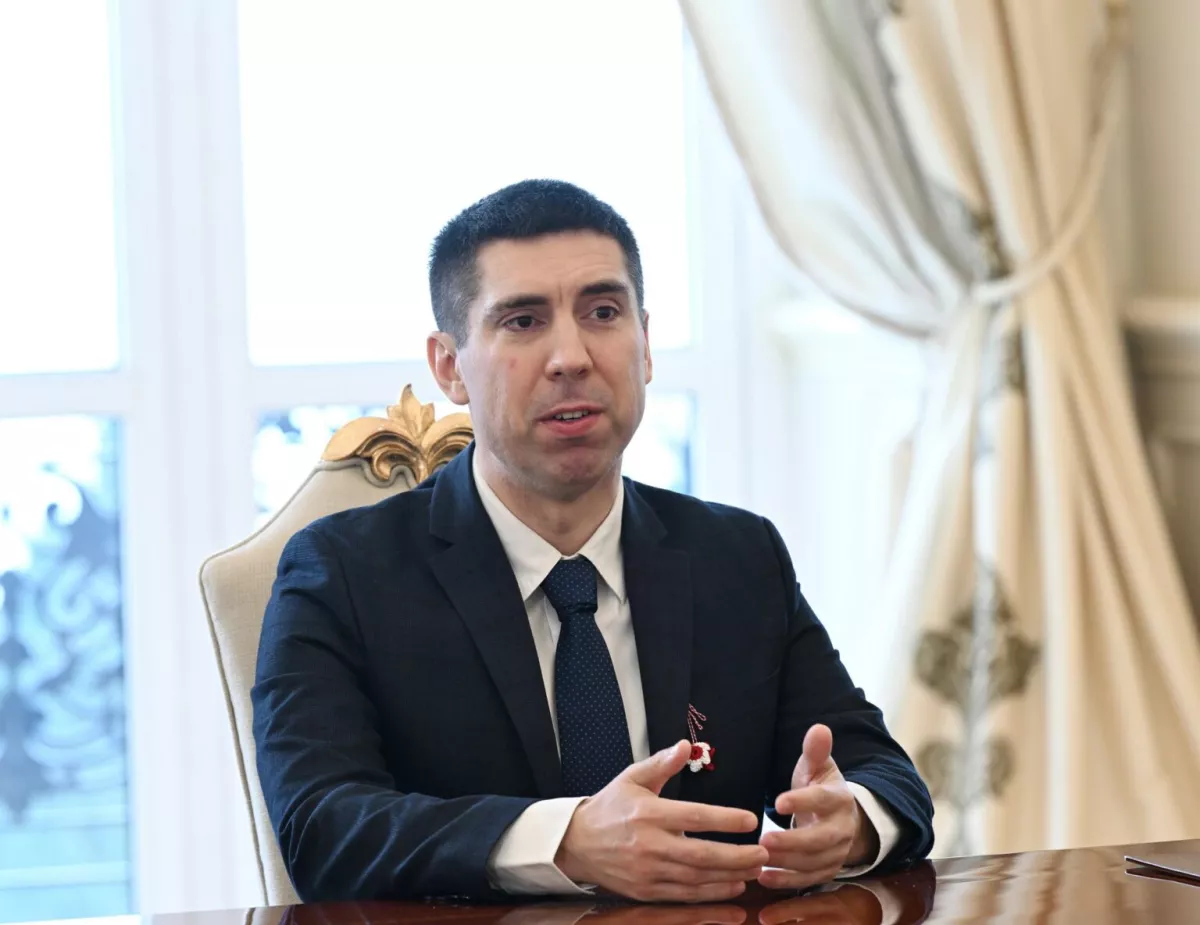
“In our country, a unionist current still exists today. Undoubtedly, this discussion is part of the political process. …Being a Romanian citizen, I cannot vote against unification,” Popșoi said.
According to him, discussions on concrete steps toward unification could become possible if there is “significant openness.”
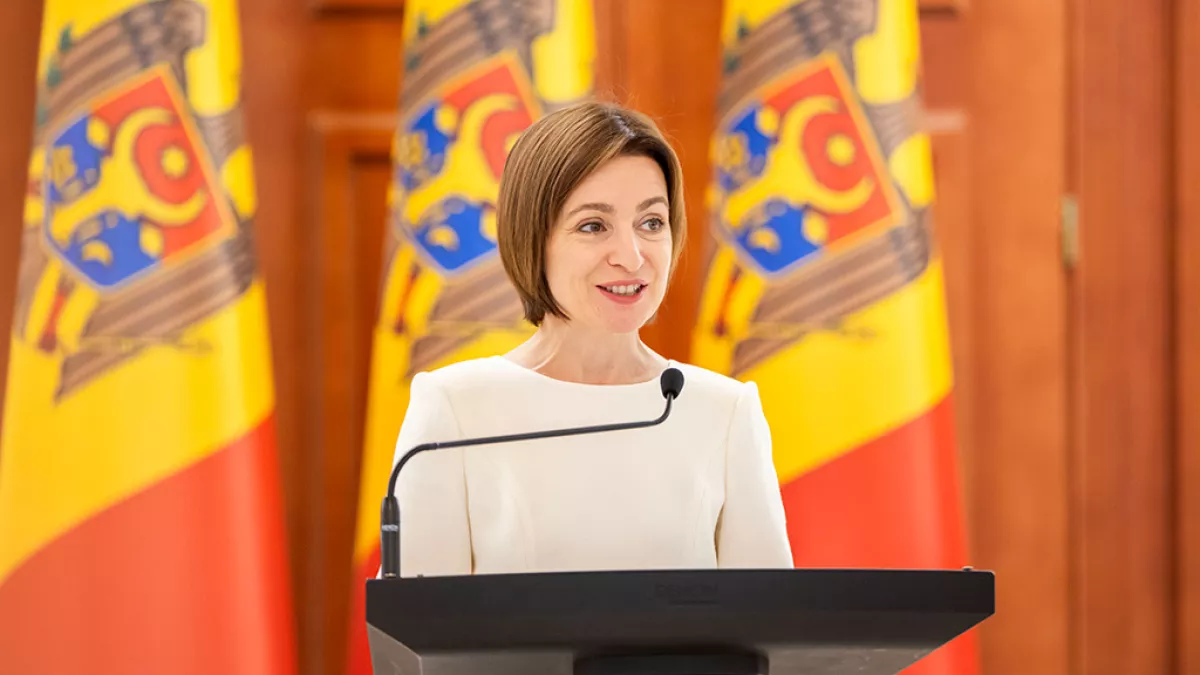
On 28 April, Moldovan President Maia Sandu suggested unification with Romania as a way to accelerate the process of joining the European Union. She also stated that accession to the EU could be achieved even without taking into account the unrecognised “Pridnestrovian Moldavian Republic.”
Sandu confirmed the intention to prepare Moldova for EU membership by 2030.
What does Minister Popșoi mean by “significant openness,” after which discussions on steps toward the unification of Moldova and Romania could become possible? Is the scenario of unification of the two countries as a way to accelerate Moldova’s EU accession realistic? How much faster could this happen compared to the standard accession procedure?
Well-known Moldovan analysts shared their assessments on this matter with Caliber.Az.
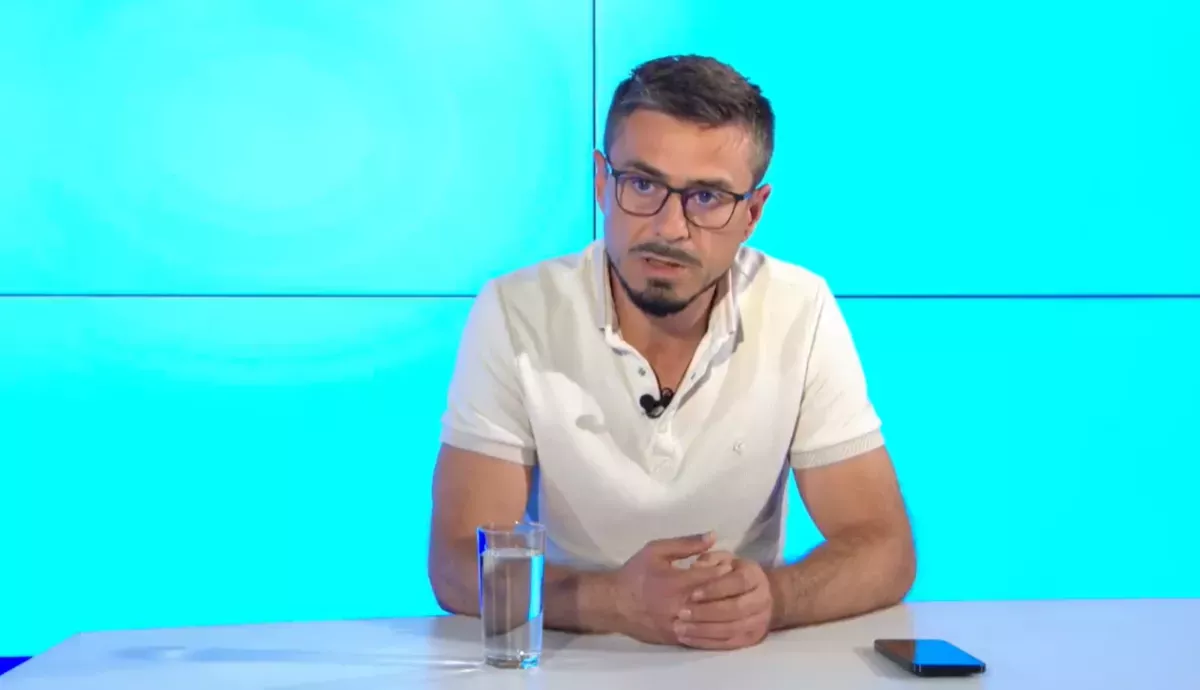
As noted by the head of the Intellect Group analytical centre, Ian Lisnevschi, it is first of all necessary to distinguish between a politician’s personal position, the position of the state, and real political processes.
“Mr Popșoi has every right, as a citizen of Romania, to hold his own views on the issue of unification. However, when such statements are made not just by a politician, but by the Minister of Foreign Affairs and Deputy Prime Minister of the Republic of Moldova, they are inevitably perceived as an official political signal. This is especially the case when the issue concerns scenarios affecting the sovereignty and statehood of the Republic of Moldova.
As for the wording ‘significant openness’, it most likely refers to the emergence of a stable public majority in favour of unification, both in Moldova and in Romania. Today, such conditions do not exist.
The latest Intellect Group poll shows that the majority of citizens would like to see the country’s future as a neutral and independent state — 52.3%. Another 32.1% see Moldova’s future within the European Union. These two positions are not contradictory, as a significant part of EU integration supporters advocate accession as an independent state. Only 4.5% of citizens see the country’s future as part of Romania, while 4.1% support membership in the Eurasian Economic Union.
Under these conditions, it is premature to speak of a public majority in favour of unification. In addition, the experience of recent electoral campaigns shows that the idea of unification has never managed to form an independent parliamentary majority and has not become a dominant political agenda.
This is also confirmed by election results. No openly unionist party has managed to achieve significant political success on its own. Even those political forces associated with the unionist segment have gained support mainly due to other issues — protest voting, anti-system rhetoric, anti-corruption agendas, or European integration,” the analyst explains.
Therefore, he believes, at this stage Mr Popșoi’s words should be viewed more as a political declaration and an attempt to normalise the very discussion about unification, rather than as a description of a real political process that could begin in the near future.
“Theoretically, the unification scenario could indeed become one of the ways to accelerate the inclusion of the territory of the Republic of Moldova into the legal space of the European Union. However, in practice, its implementation appears extremely unlikely.
Moreover, the existence of the unresolved Transnistrian conflict makes such an option significantly more complex and risky than the European integration process itself.
However, the problem is not limited to Transnistria alone. Any attempts to revise borders in Eastern Europe inevitably create dangerous international precedents and raise questions in other countries of the region, where similar historical, territorial, and ethnopolitical disputes also exist.
Unfortunately, in the discussion of various models of joining the European Union, Moldova is increasingly forgetting the key point: successful foreign policy always begins with effective domestic policy.
Unresolved internal problems — demographics, migration, the state of the economy, the level of trust in state institutions, and political polarisation — remain today the main obstacles on the path to European integration.
Therefore, the most likely scenario remains the continuation of a complex and lengthy negotiation process with the European Union. In my assessment, the chances of Moldova joining the EU by 2040 are around 35%, while the probability of maintaining its current intermediate status remains significantly higher. Scenarios of unification with Romania (both with or without Transnistria) currently appear unlikely and remain within single-digit probabilities.
The key question is not how to enter the European Union faster, but whether the Republic of Moldova itself can become a state capable of taking full advantage of all the opportunities offered by European integration,” Lisnevschi says.
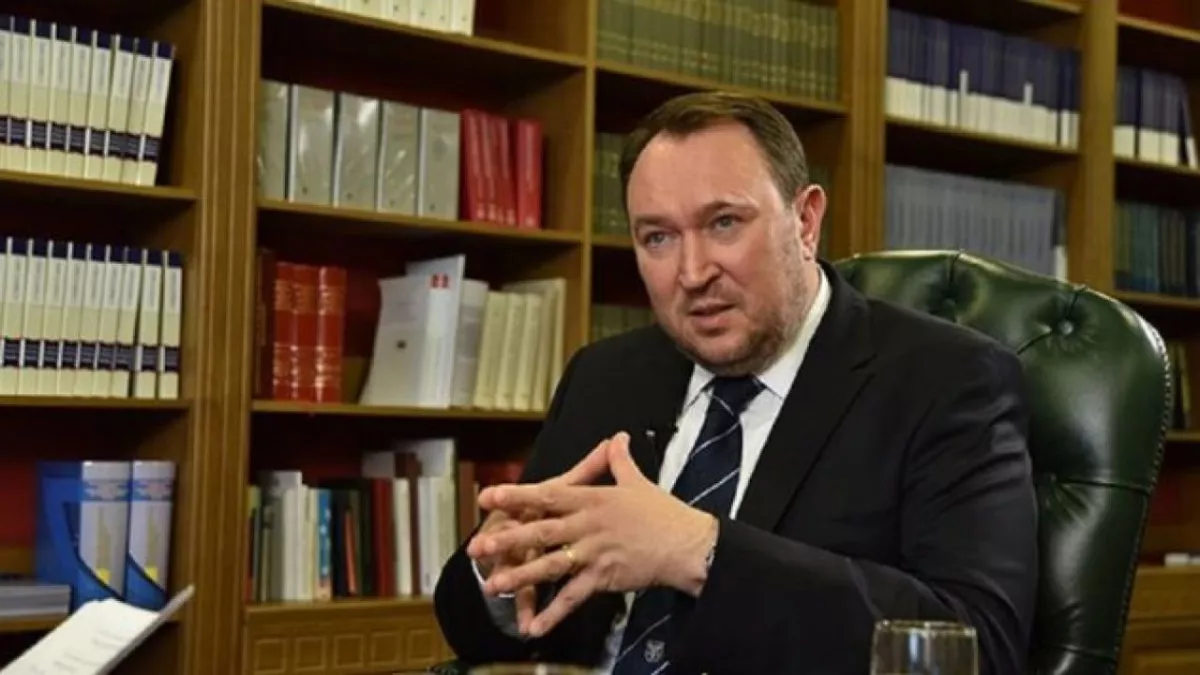
Former Moldovan Justice Minister and former member of the Council of Europe’s Venice Commission, Alexandru Tănase, believes it is important to understand that discussions about a possible reunification of Moldova and Romania have always been a natural part of the country’s political life.
“For many states, such a situation may seem unusual; however, to understand this specificity, one must turn to history.
Unlike most modern European states, the lands of present-day Republic of Moldova were for centuries part of the medieval Principality of Moldavia. Only in 1812, following the Russo-Turkish War, Bessarabia was occupied and annexed by the Russian Empire. After the collapse of Tsarist Russia in 1918, Bessarabia returned to the Romanian state. This lasted until 1940, when, as a result of the Molotov–Ribbentrop Pact between Nazi Germany and the Soviet Union, Bessarabia was re-annexed by the USSR.
In 1991, the Republic of Moldova declared independence from the Soviet Union. Since then, a fundamental political dilemma has emerged in Moldovan society: whether to build an independent Moldovan state as a second Romanian state, or to seek reunification with Romania, from which we were forcibly separated in 1940.
The situation changed after February 24, 2022. Russia’s invasion of Ukraine forced many Eastern European countries to reconsider their own security issues. In Moldova, the idea of unification with Romania has once again become an active political topic, but now not only as a historical ideal, but also as a potential project of political realism. Many citizens have begun to see reunification as one of the ways to protect the country from potential Russian aggression and the risk of losing independence again.
We clearly understand the neo-imperial ambitions of the Kremlin and we see what is happening in the occupied territories of Ukraine,” the former minister said.
Naturally, he continued, Moldovan society does not wish to repeat its own historical tragedies of the 20th century.
“It is precisely in this context that the messages about ‘significant openness’ should be understood. This is not about any secret plans or prepared scenarios, but about the formation of a stable social consensus. Any decision of such magnitude can be taken only through democratic means and only if it is supported by a majority of citizens on both sides of the Prut River.
As for European integration, theoretically, reunification with Romania would indeed mean the automatic extension of the European Union’s legal framework to the territory of the Republic of Moldova. In such a case, the path to the EU could be significantly shorter, as Moldova would not need to go through the entire lengthy process of accession and closing negotiation chapters on its own.
At the same time, it cannot be denied that both supporters of Moldova’s independent statehood and advocates of reunification with Romania are increasingly converging on one point — the future of our country lies within the European space. The European Union is a natural civilisational and cultural space for the people of the Republic of Moldova, just as it is for Romania and other European states,” Tănase concluded.







 editor@caliber.az
 +994 55 444-88-98
 Азербайджан, Баку, ул. Низами, 203, Af Business House, 5-й этаж