










Georgia in the US spotlight: reset or temporary rapprochement? Georgian political analysts for Caliber.Az
It appears that relations between the United States and Georgia are undergoing an active reset: at the end of May, representatives of the US State Department visited Tbilisi for talks with the authorities, the opposition, and business representatives.
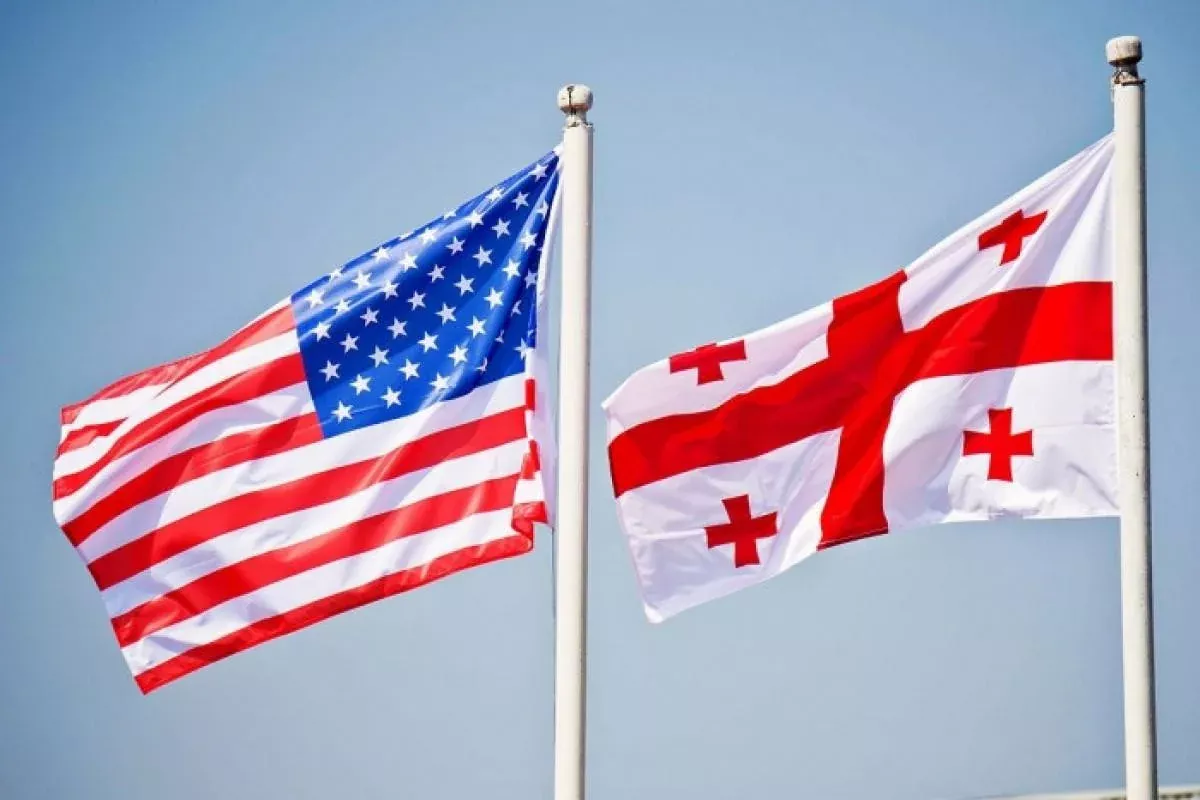
As noted in a statement issued by the US embassy in the country, a State Department delegation met with Prime Minister Irakli Kobakhidze, Deputy Prime Ministers Maka Botchorishvili, Mamuka Mdinaradze, and other government officials from May 25 to 28 to discuss further steps to improve bilateral relations.
“ The delegation shared the Trump administration’s readiness to engage in a constructive, forward-looking relationship with the Government of Georgia, and its interest in starting a new phase in bilateral relations between sovereign partners based on mutual respect, shared interests, and honest dialogue.
The two sides discussed potential areas of convergence between the United States and Georgia, including: a shared commitment to national sovereignty, a fair economic environment, resilience against harmful external influences, and the fundamental values that define both nations,” the statement said.
In turn, Georgian Prime Minister Irakli Kobakhidze, during a meeting with representatives of the US State Department, reaffirmed the Georgian government’s readiness to restore bilateral relations with the United States on the principles of mutual respect and cooperation.
So, how strong are the chances of reviving the previous level of political engagement on the Washington–Tbilisi track? Caliber.Az asked Georgian political analysts for their views.
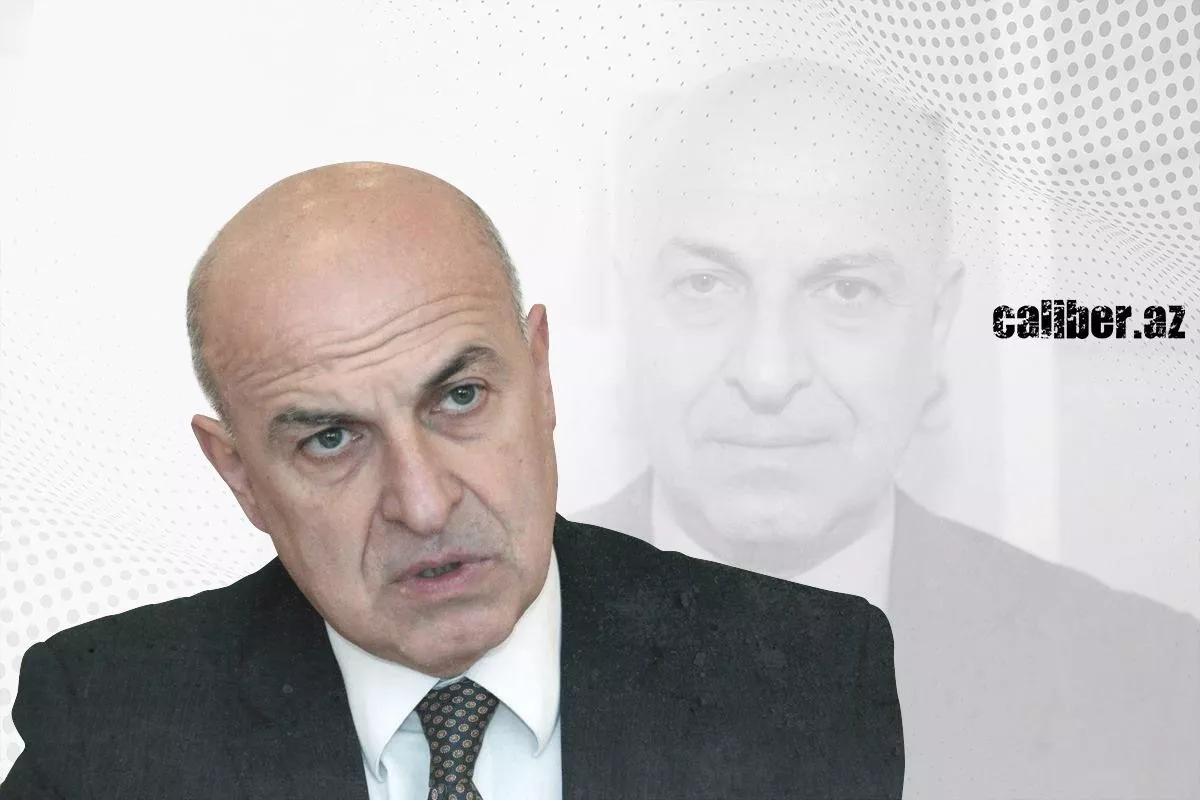
Thus, Georgian diplomat and politician, former Deputy Foreign Minister of Georgia, ex-Secretary-General of GUAM, and member of the political movement Georgia First, Valery Chechelashvili, noted that an improvement in relations between the two countries is indeed observable today.
“The process of returning to dialogue with Georgia is often explained by the fact that the country occupies such a geopolitical position in the region that many international projects are significantly easier to implement with its participation. This is well understood both in Washington and Brussels, although at this stage the United States is showing more visible activity. In a sense, this is a legacy we have inherited thanks to the historical development of the country and its unique geographic location. However, for this potential to be fully realised, Georgia needs to restore strategic partnership with key geopolitical centres of power — the US, the EU, and, more broadly, NATO. At present, the official Tbilisi and the ruling Georgian Dream party still face certain challenges in this direction,” he said.
According to the expert, certain positive signals can currently be observed primarily on the American track; however, it is still premature to speak of a full restoration of relations — at this stage, it is more about mutual adjustment and a very cautious dialogue.
“The current approach of Washington appears to be more transactional, that is, pragmatic and focused on achieving concrete results and mutual benefit. Apparently, the American side is ready to put forward a whole package of conditions for restoring a strategic partnership, which can be broadly divided into three main categories. The first relates to the issue of political prisoners who, according to some international observers, are held in Georgian prisons. The second concerns the revision of a number of laws recently adopted by the Georgian authorities. The third involves the holding of free and fair elections that would help address existing questions regarding the state of democratic institutions in the country.
Such a position by Washington is also reflected in recent diplomatic signals coming from the American side, for example, in a press release issued by the US Embassy in Georgia following a meeting between State Department representatives and the new Georgian Patriarch. It particularly emphasises the historical role of the Georgian Orthodox Church in overcoming social divisions, strengthening national unity, and fostering an atmosphere of tolerance and respect for different viewpoints. Such emphases are not accidental and may be interpreted as a certain political message.”
In his view, the further development of relations between Tbilisi and Western partners will depend directly on the willingness of the Georgian authorities to make compromises on key issues.
“If the Georgian Dream does not demonstrate a willingness to compromise on the three aforementioned directions, it will be extremely difficult to imagine any serious improvement in relations with both the United States and the European Union. If such willingness is shown, then truly significant opportunities may open up for Georgia.
This concerns not only foreign policy advantages, but also internal changes: a reduction in the level of political confrontation in the country, a decrease in societal fragmentation and the divide that remains one of the most serious problems today, as a fragmented society is much more easily exposed to various hybrid instruments of influence, creating additional risks for the state.
The restoration of a strategic partnership with the United States would mean more reliable guarantees for Georgia within the international system, strengthening the country’s position on the global stage and its ties with the European Union. As a result, the country’s security system would rest on a more solid foundation, creating additional conditions for long-term stability and increasing its resilience to external challenges,” the expert stated.

He also paid special attention to the economic consequences of a possible rapprochement with Western partners and to new regional opportunities in the South Caucasus.
“Such a level of relations would inevitably lead to an increase in prosperity, while Georgia’s investment potential would be unlocked to a much greater extent. Transport and communications projects, which largely determine the country’s future as an important transit hub, would also develop further. This is especially relevant today, as conditions for trilateral cooperation are emerging in the South Caucasus, and there remains the prospect of signing a peace agreement between Azerbaijan and Armenia. If this process is successfully completed, the region will gain fundamentally new opportunities for development, expansion of economic ties, and the implementation of large-scale infrastructure initiatives.
Therefore, I would view Georgian–American and Georgian–European relations not only as a matter of Georgia’s foreign policy alone. This is a much broader context connected to the future of the entire South Caucasus. The nature of these relations will largely determine regional security, economic prospects, and the potential to unlock a new stage of development for the whole region,” Chechelashvili stressed.
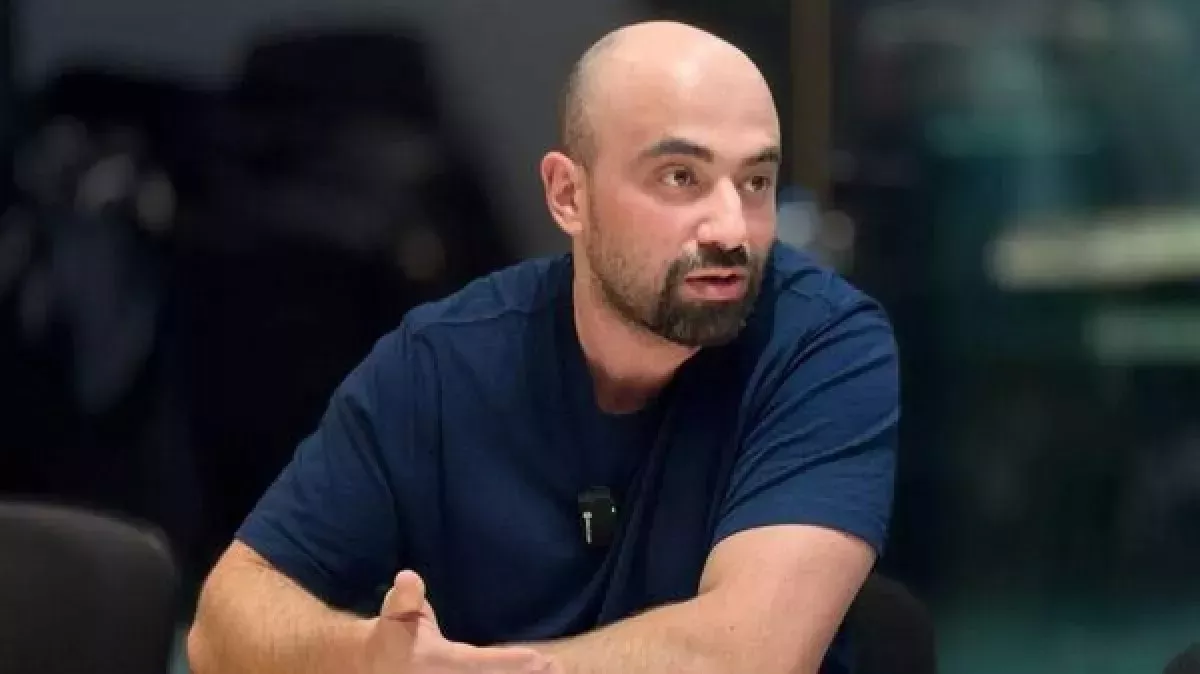
In turn, according to Georgian political scientist and founder of the SIKHA Foundation research centre Archil Sikharulidze, previous US–Georgia relations were rather nominal in nature and relied on the legacy of George W. Bush, who had hoped to create in Georgia a kind of model of democratic development in the post-Soviet space.
“When tensions emerged between the West and Russia, and Georgia could not be integrated into NATO, the country became for Washington more of a symbol of the success of a democratic model in the region rather than a real partner in terms of resources, trade, or other pragmatic interests. Relations were largely maintained due to the inertia of earlier policies and the political capital that had been invested in the Georgian track in previous years,” he noted.
According to the political scientist, the change of administration in the United States has led to a revision of American foreign policy priorities.
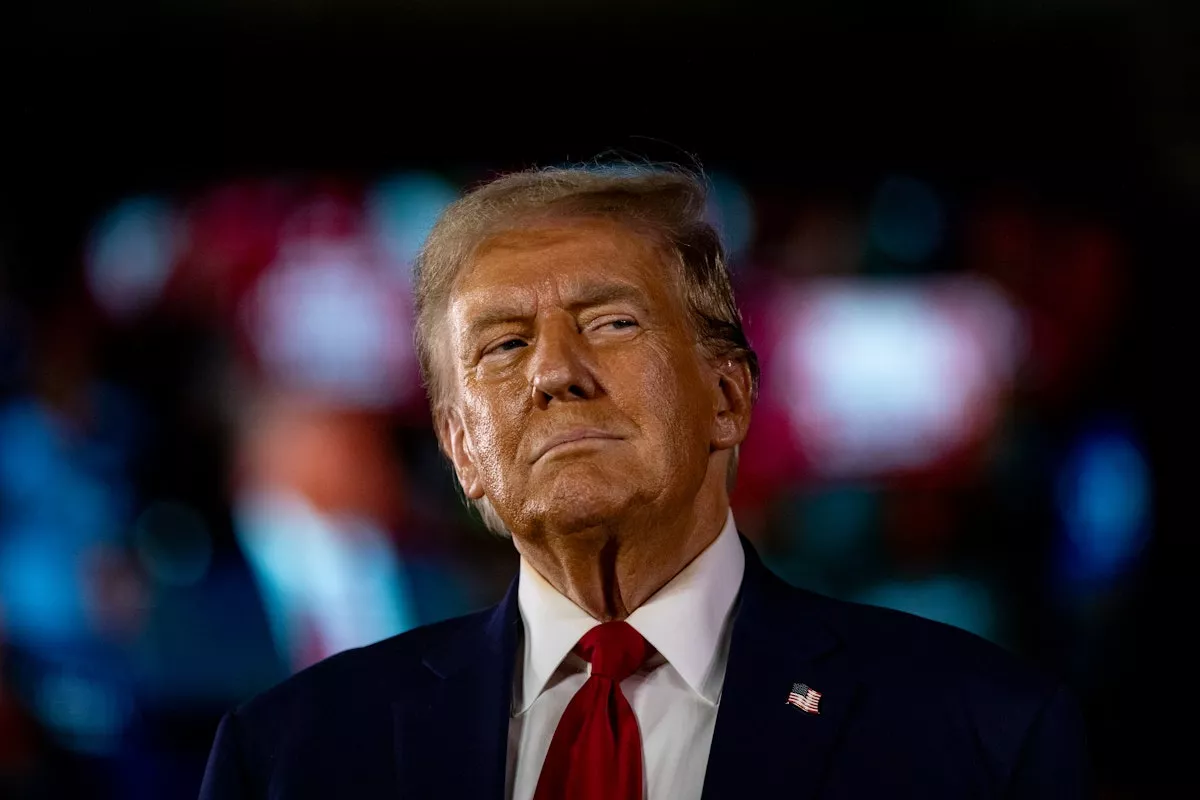
“As soon as Donald Trump returned to the White House, he immediately identified countries that, in his view, appeared more advantageous, and first of all this was Azerbaijan with its energy resources and economic potential. In addition, Armenia gained importance in the context of achieving peace in the region, which opened up opportunities for additional geopolitical gains and for strengthening the United States’ position in the South Caucasus.
Against this backdrop, Georgia found itself, in a sense, outside US priorities, since in the near term it was not possible to obtain any significant dividends from it. At present, the United States is trying to find common ground with Tbilisi and understand what exactly can be obtained in return for restoring a strategic partnership. This is no longer about symbols and declarations, but about concrete interests and practical benefits that the two sides can offer each other,” the expert said.
According to him, prospects for restoring cooperation between the two countries remain in place.
“Most likely, the partnership in one form or another will be restored, however the main question is what exactly the United States wants to receive in return. For Tbilisi, key importance is attached to national interests, primarily related to the construction of the Anaklia deep-water port, which is viewed as a major infrastructure and economic project. In addition, the Georgian authorities are interested in Western partners refraining from interfering in the country’s domestic politics and showing greater respect for its interests and its right to independently determine its development path.
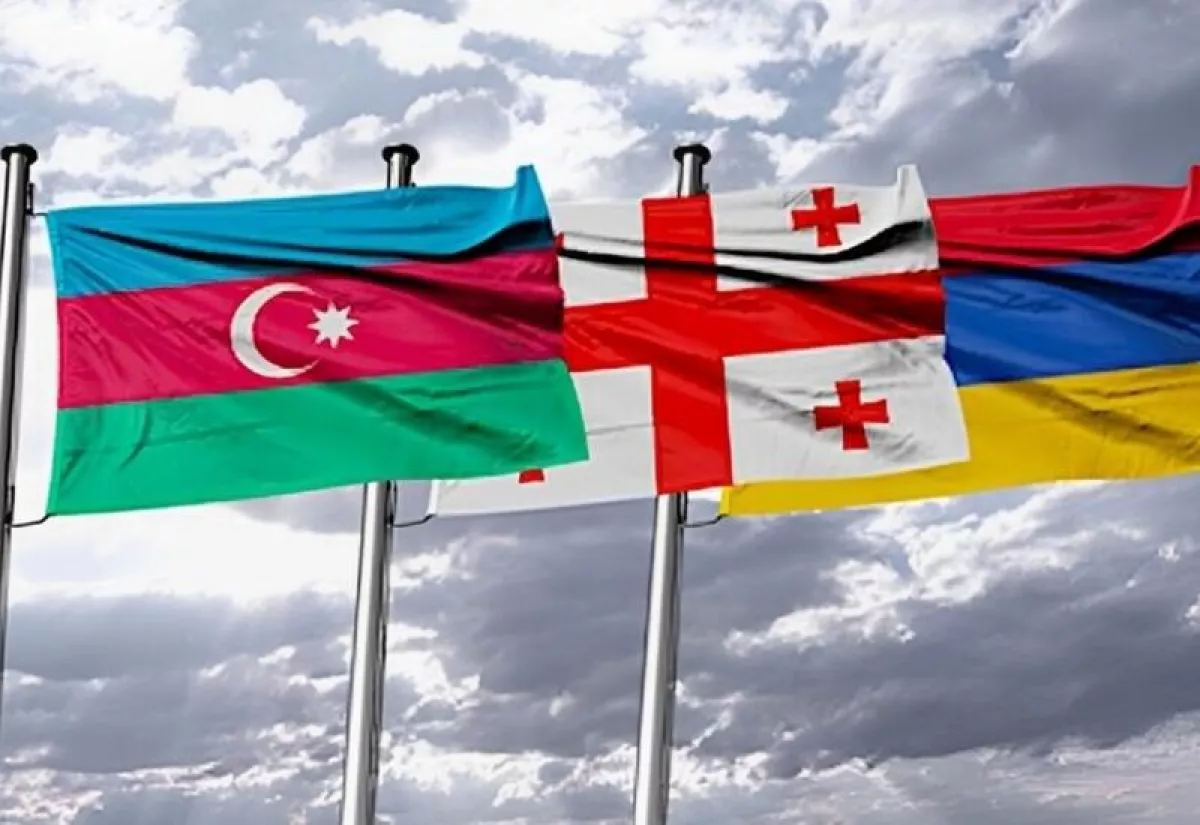
As for the foreign policy vector, Tbilisi does not intend to abandon its current regional strategy and will continue to maintain friendly relations with Azerbaijan, Türkiye, and Armenia, while also seeking to preserve a neutral and pragmatic approach in relations with Iran and Russia.
Such a course corresponds to the Georgian leadership’s understanding of national interests and regional stability. If the United States is ready to accept this model of Georgian behaviour and does not demand a revision of its core foreign policy principles, then it will be possible to speak of a full restoration of partnership and a return to closer cooperation,” he stated.
Regarding Georgia’s relations with Europe, the political scientist noted that this is a separate track: “The European political nomenclature will exert maximum pressure on Tbilisi until the war in Ukraine ends and, possibly, for some time after its conclusion. This is due to the fact that there is a widespread view within European political circles that if Georgia truly wants to become part of the European Union, it must be more actively involved in policies aimed at inflicting a strategic defeat on Russia. However, such an approach does not find support among the majority of Georgian society: a significant part of the population does not want the country to become involved in such processes or to assume additional risks associated with the confrontation between Russia and the West.”







 editor@caliber.az
 +994 55 444-88-98
 Азербайджан, Баку, ул. Низами, 203, Af Business House, 5-й этаж