










Crisis in Moscow–Yerevan relations: the masks are off Armenian and Russian experts on Caliber.Az
Relations between Russia and Armenia, as is well known, are going through a deep crisis marked by increasingly harsh rhetoric from both sides. In particular, Russia is demanding that Yerevan clarify its position regarding membership in the Eurasian Economic Union (EAEU), repeatedly warning the Armenian side that participation in the EAEU is incompatible with a course toward European integration. And it appears that the Kremlin has moved from words to action: on May 30, Russia’s ambassador to Armenia, Sergey Kopyrkin, was recalled to Moscow.
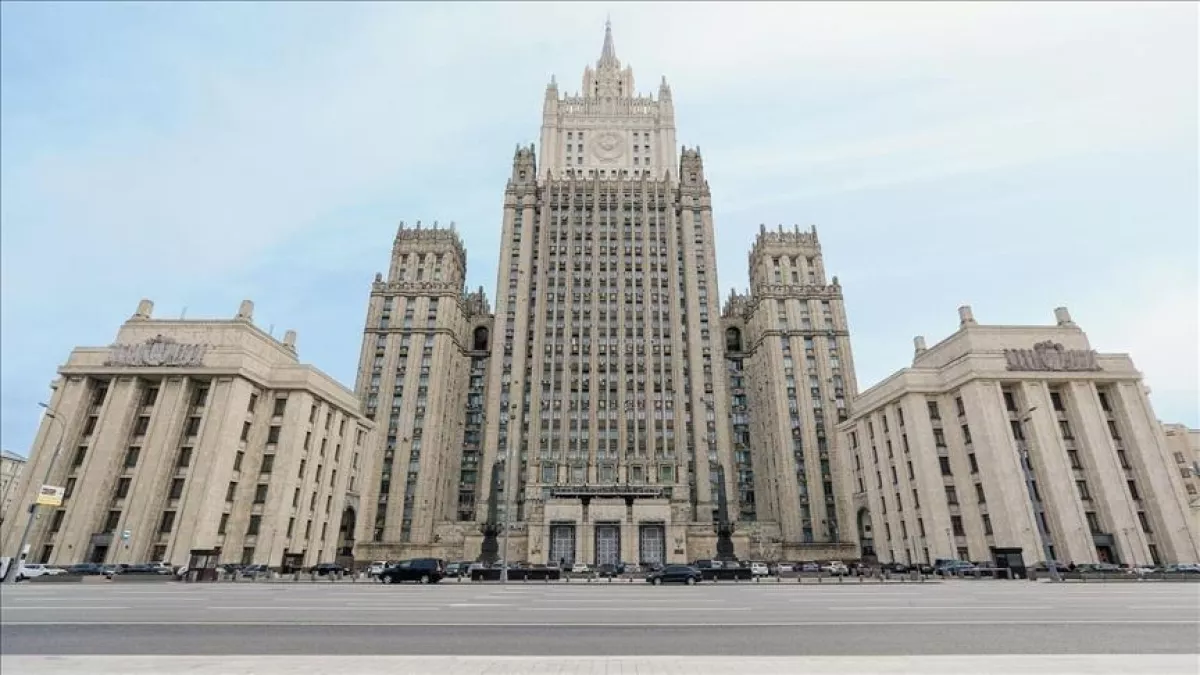
As the Russian Foreign Ministry noted, “The Russian ambassador to the Republic of Armenia, S. Kopyrkin, has been recalled to Moscow for consultations about steps taken by the Armenian leadership on a rapprochement with the European Union, thus undermining cooperation within the Eurasian Economic Union.”
At the same time, the Russian side had previously informed Yerevan of the possibility of suspending or terminating the 2013 agreement that provides for duty-free supplies of natural gas, petroleum products, and diamonds. Meanwhile, Russia’s Federal Service for Veterinary and Phytosanitary Surveillance (Rosselkhoznadzor) introduced restrictions on imports of Armenian products, including fruits and vegetables.
As can be seen, events are unfolding quite rapidly and are taking on an increasingly confrontational character. This naturally raises questions about how these developments are being interpreted in the two countries and whether these steps are connected to the upcoming parliamentary elections in Armenia.
Armenian and Russian experts shared their views on the issue with Caliber.Az.
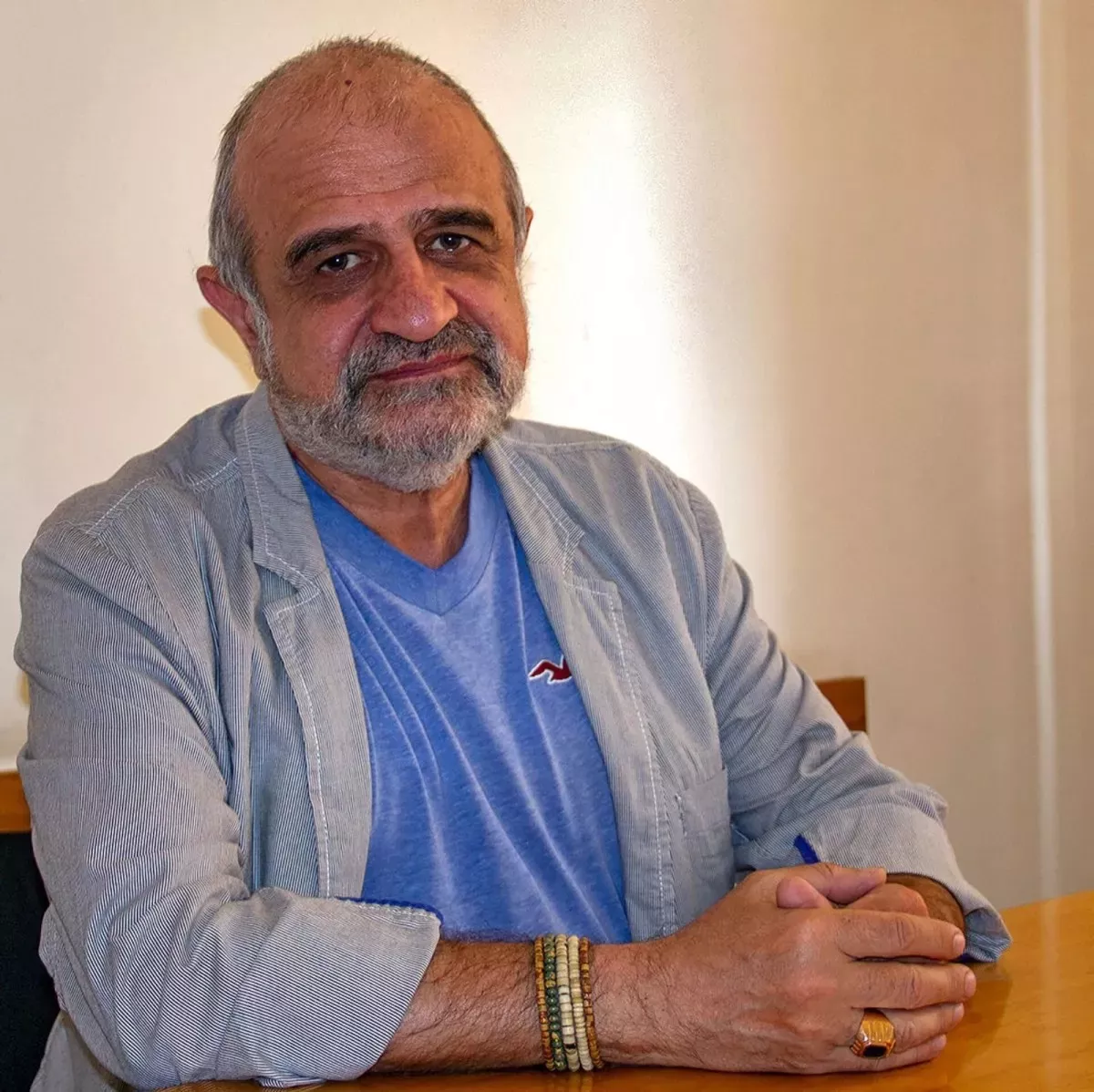
For his part, Armenian expert Ruben Babayan, a participant in the Peace Bridge civic initiative, professor at the Yerevan State Institute of Theatre and Cinema, and Honoured Artist of Armenia, stressed that the country must now make a choice not merely between political parties, leaders, or economic programs—it is a matter of a civilizational choice.
“Earlier, in an interview with Armenian media, I noted that, broadly speaking, what awaits us on June 7 is not an election but an examination. How Armenian society performs on this test will determine the country’s future path of development and its place in the modern world,” he said.
The expert also emphasised that external pressure on Armenia has been one of the key factors shaping the current political process.
“To some extent, I am even grateful that Russia has stated its position so openly and continues to exert significant pressure on Armenia. As the saying goes, all the masks have been removed: Russia, which for many years presented itself as a friend and benevolent patron of the republic, has now shown its true face. Those who still believed in Russian promises and fine words will now have to look at what is happening without rose-colored glasses.
At the same time, for those who are interested in politics and closely follow global developments, there is nothing surprising about this. It was virtually impossible to imagine that Russia, which actively interferes in the internal affairs of many states, would allow events in Armenia to unfold in the way the Armenian people want. Therefore, what is happening today fits perfectly into the logic of its policy. I believe the most important thing now is to develop immunity. When you understand where the danger is coming from and know the methods the other side may resort to, you become better protected.
Personally, I have become increasingly concerned in recent years with the question of unity in the face of a common threat, because a society’s ability to consolidate during critical moments can become the key factor in preserving a state's independence and resilience.
The Baltic states understood this much earlier. Ukraine arrived at this understanding later, and Moldova has likely drawn similar conclusions as well. I believe the time has now come for the peoples of the South Caucasus, despite all their differences, historical contradictions, and still-unhealed wounds, to recognise where the real threat to their independence originates.
This is not only about the political sovereignty of states, but also about preserving national identity, self-awareness, and everything that defines a nation as a historical community.
I believe that the most pragmatic and clear-minded segments of our societies already understand this—among Armenians, Azerbaijanis, and Georgians alike. Perhaps not all the mechanisms needed to counter such threats in the modern world have yet been developed, but circumstances themselves will compel people to adapt more quickly and gain a better understanding of what is happening around them.
The history of the past century and more, beginning with the proclamation of the first independent republics of Armenia, Georgia, and Azerbaijan, shows that third parties have repeatedly and skillfully exploited our internal conflicts and divisions.
Today, Moscow is once again trying to promote the narrative that it alone is capable of resolving the ‘Karabakh issue,’ effectively bringing the conflict agenda back to the forefront. This is necessary in order to preserve its own influence and maintain opportunities for interference in regional affairs. Such a strategy has been employed many times before, and we understand its logic very well.
However, I hope that past experiences and tragedies will help people draw the right conclusions, because what they have endured has made them wiser. That is why I place far greater hope in society than in political parties. History shows that even the most democratic political forces cannot maintain a democratic course if society itself is not prepared for it.
I sincerely hope to live to see the day when we congratulate one another on shared holidays, and when relations among the peoples of the region are built on mutual respect and cooperation rather than confrontation and suspicion,” Babayan stated.
The expert also commented on the upcoming elections and the possibility of external influence on the electoral process.
“I believe that the forces seeking to re-establish a Russian protectorate over Armenia are not placing much hope in support from the population, since the majority of citizens who permanently reside in the country have already made their choice. That is why, in my view, there is an active effort to involve Armenians living in Russia in the republic’s political processes, including enabling participation in elections by those who hold Russian citizenship. Various post-election scenarios are also being considered in case the results do not turn out as expected.
If those attempting to dismantle the new system of relations truly had strong hopes for domestic political resources, they would not be acting so vigorously on the external front.
As for the issue of citizenship and participation in making decisions that determine the country's future, as I mentioned in a recent interview, the very concept of ‘citizenship’ needs to be reconsidered. The fate of the state should be decided by the people who live in it: they pay taxes, have the right to demand accountability from the authorities, and at the same time bear corresponding responsibilities toward their country,” the Armenian expert emphasised.
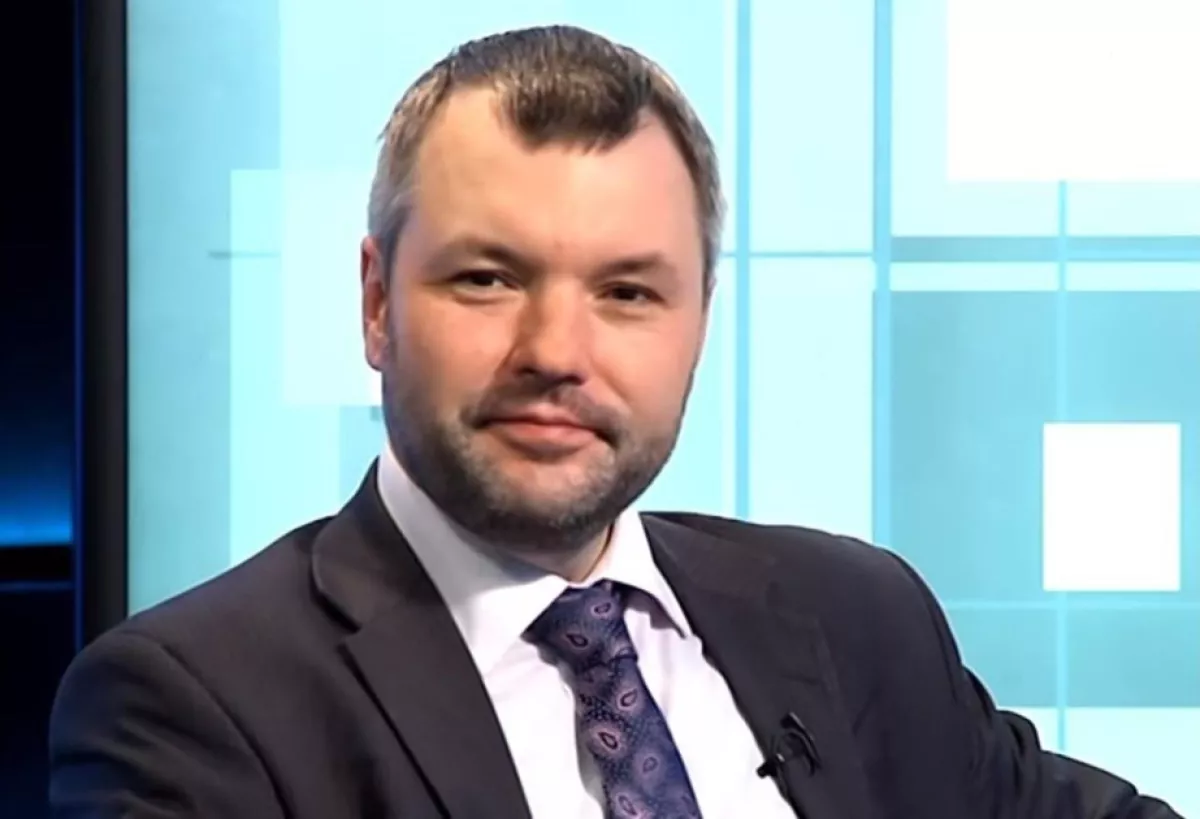
For his part, Russian political analyst Dmitry Solonnikov, head of the Institute of Contemporary State Development, noted that Russia’s position regarding Armenia has been stated repeatedly, with the most vivid comparison being a remark by a Russian Foreign Ministry representative that “Armenia cannot dance at two weddings simultaneously.”
“Moscow is now giving Yerevan an opportunity to make a clear choice. If Armenia chooses to move toward the European Union, then it must accept the rules of the game that exist within the EU. If it remains within the framework of the Eurasian Economic Union, then it should continue to live and work according to those rules, refrain from joining European structures, and stop participating in European political projects.
Pretending that it is possible to be both here and there at the same time is no longer realistic. The time has come to make a decision. This is not only about the country’s foreign-policy orientation, but also about the need to clearly and unambiguously state its position.
Pashinyan must decide where he stands—here or there. Responsible and self-respecting politicians should also express their views unequivocally on this matter. A clear decision must be made, and that is precisely what Russia is seeking from Armenia,” he said.
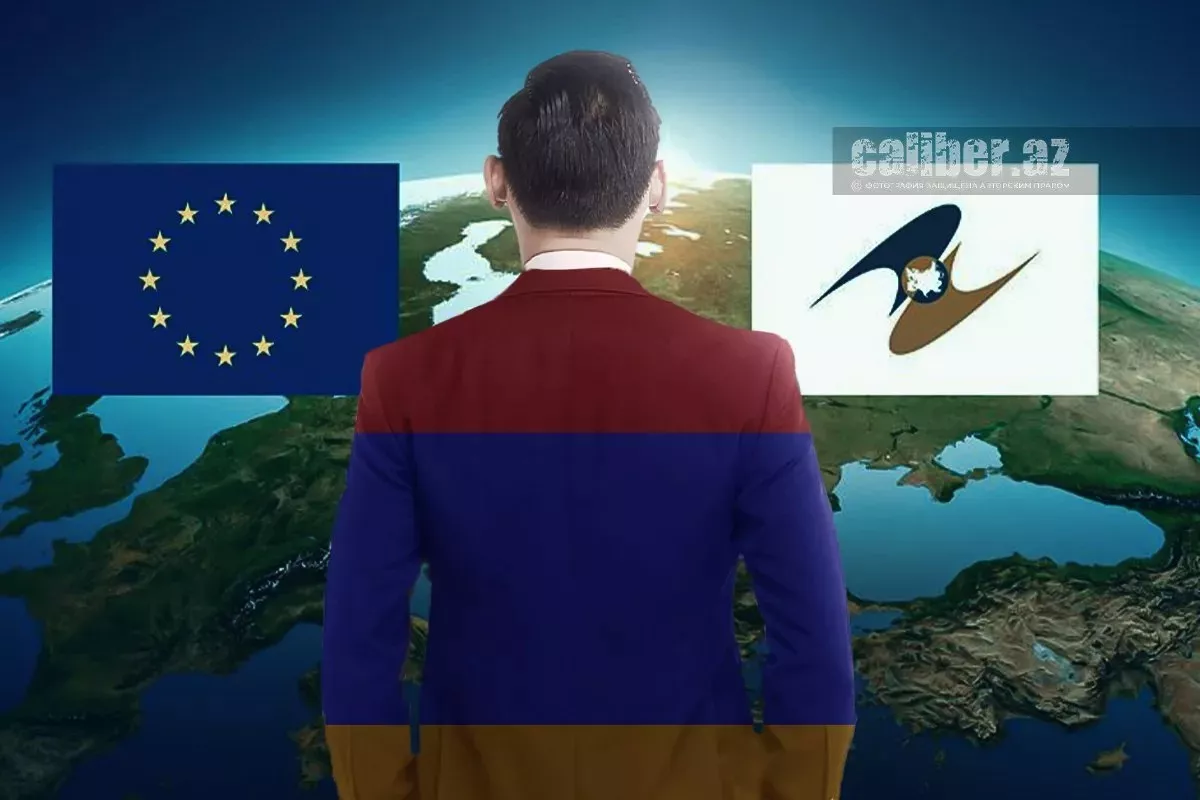
The expert also addressed the practical consequences of each possible scenario for relations between Armenia, the EAEU, and the European Union: “If Armenia remains in the EAEU, it will continue to benefit from the same energy prices, and the market of the union will remain open to Armenian goods. If Yerevan moves toward the EU, then energy resources will be supplied at European prices, while the EAEU market will be closed both to Armenia and to European goods entering through Armenia.
At the same time, the doors to Europe may open, making it possible to try to sell Armenian agricultural products, alcoholic beverages, and other goods there, as well as purchase oil, gas, and electricity. In other words, anything is possible—but it is a matter of either one option or the other.”
The political analyst also linked Moscow’s current diplomatic steps to upcoming political developments in Armenia and the need to prepare in advance for different possible scenarios.
“Most likely, to a large extent, the choice mentioned above will be made after the vote held in a week, and apparently it is in this context that Ambassador Kopyrkin was recalled to Moscow, because it is necessary to seriously discuss what steps will be taken promptly by the Russian side in one case or another, to coordinate the position of the Foreign Ministry, and to determine how it will be further communicated to the embassy.
I believe that nothing extraordinary is happening. Armenia can indeed continue to live according to one or another variant of its future, but this must be determined by the Armenian leader, whether it is Nikol Pashinyan or someone else. In any case, a clear and firm decision must be made and an appropriate statement issued,” concluded Solonnikov.







 editor@caliber.az
 +994 55 444-88-98
 Азербайджан, Баку, ул. Низами, 203, Af Business House, 5-й этаж