










Peace is off the table: Kyiv prepares for a protracted war Expert opinions on Caliber.Az
Ukrainian authorities have begun preparing for a prolonged war. According to The Economist, citing government sources, Vladimir Zelenskyy has instructed preparations for another two to three years of hostilities.
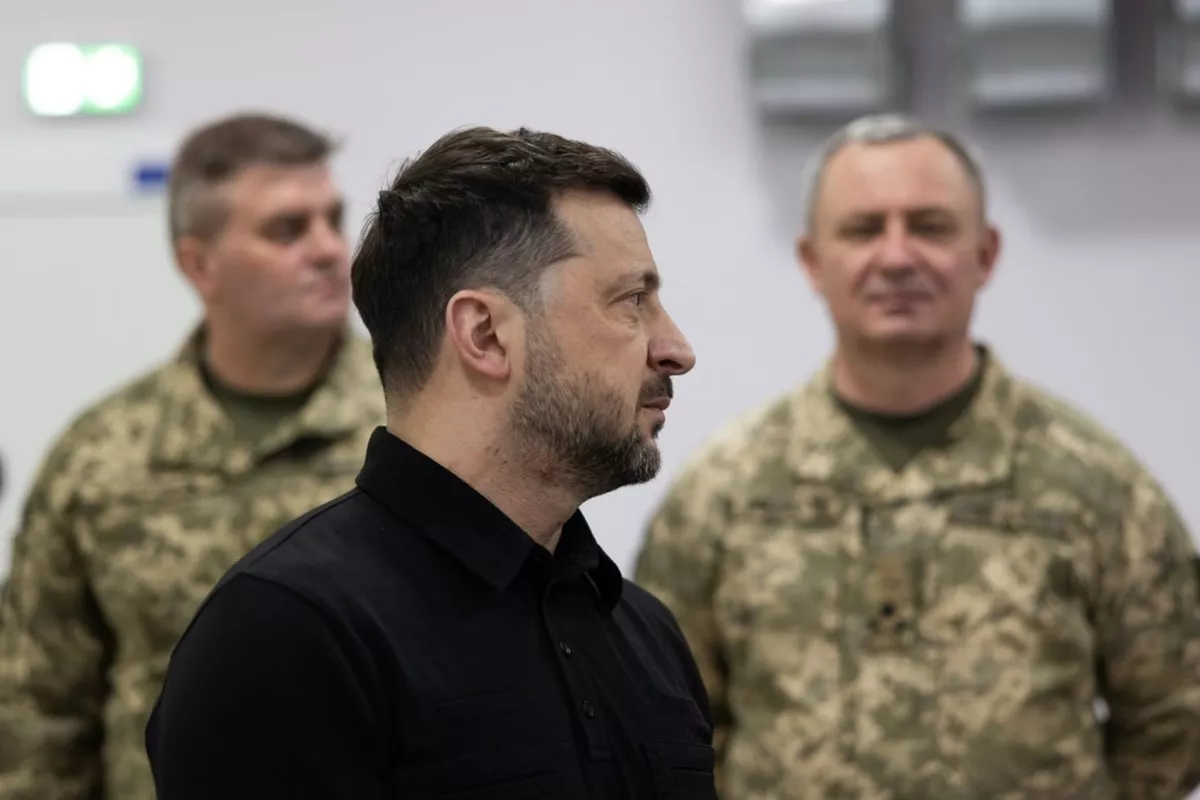
According to the publication, earlier this year, Kyiv expected that US-mediated negotiations could lead to a temporary agreement. Ukraine was ready to discuss the withdrawal of troops from Donbas on the condition of a mutual pullback of forces, while the Kremlin demanded a unilateral withdrawal of the Ukrainian Armed Forces and refused to accept security guarantees for Ukraine that would involve the deployment of foreign troops. Putin did not approve any of the proposed settlement options. On May 22, the United States announced that it was withdrawing from the negotiation process.
The Economist suggests that the diplomatic process may resume in the summer; however, it is considered far more likely that the war will continue until either Ukraine or Russia finds itself in a weaker position.
Russia’s calculations regarding the war have not changed, and it still intends to continue military operations, The Guardian reported recently, citing sources close to the Kremlin. According to one of them, Putin expects to establish full control over Donbas by the end of the year.
“Putin is fixated on Donbas and he will not stop before that,” one of the sources said.
Zelenskyy, in an interview with The Atlantic, also said that he would rather continue military actions than agree to an unfavourable settlement.
But why is the discussion specifically about two to three years? Are there any signs that the war in Ukraine could last that long? Is there at least some possibility that it could end significantly earlier?
Well-known political analysts have shared their assessments on this matter with Caliber.Az.
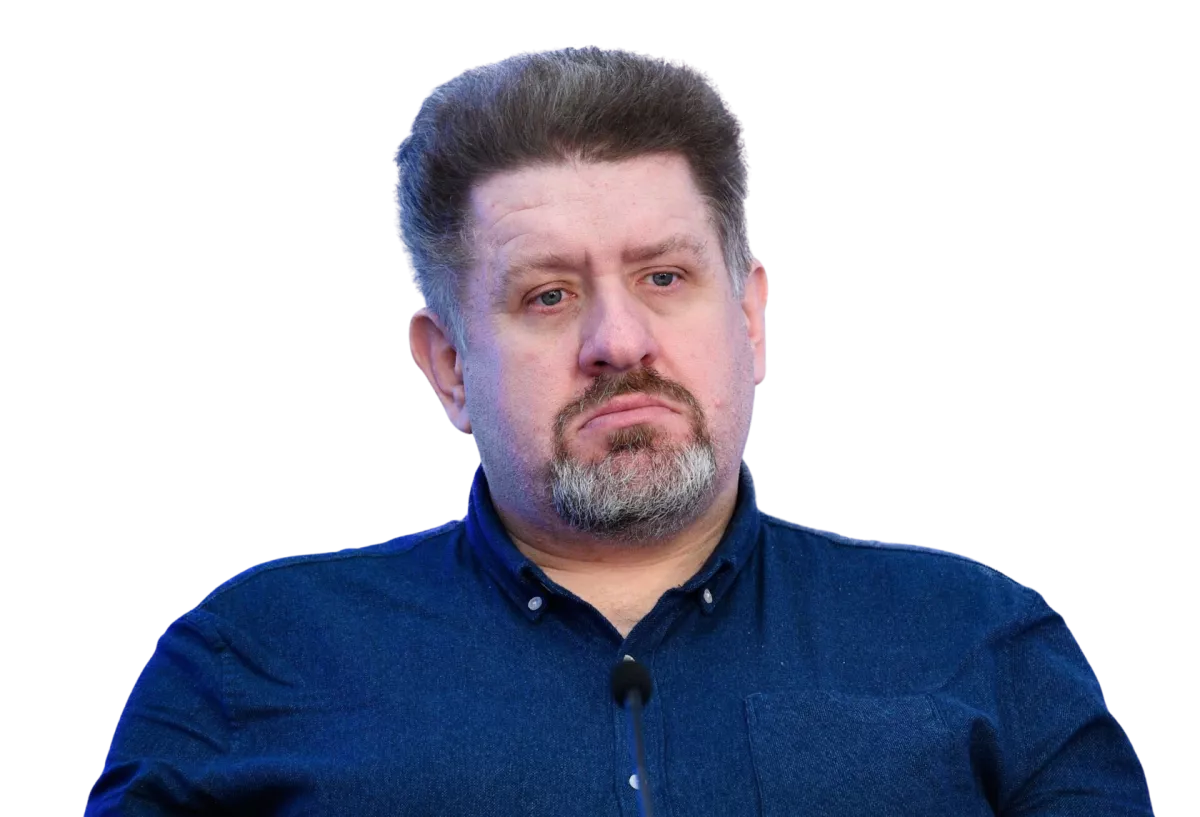
Konstantin Bondarenko, head of the Ukrainian Policy Foundation, analyst and historian, believes that the continuation of the war with Russia is primarily determined by European politicians — Ukraine’s so-called “partners.”
“It is they who insist that Ukraine must continue fighting for several more years, exhausting Russia (this is openly stated by both Finnish President Stubb and German Chancellor Merz). Ukraine has been allocated $90 billion for the next two years, and the issue of further funding is also being considered. And this is funding specifically for war, not for achieving peace. And if the next 2–3 years of war are already paid for, then the war will last that long,” Bondarenko concludes.
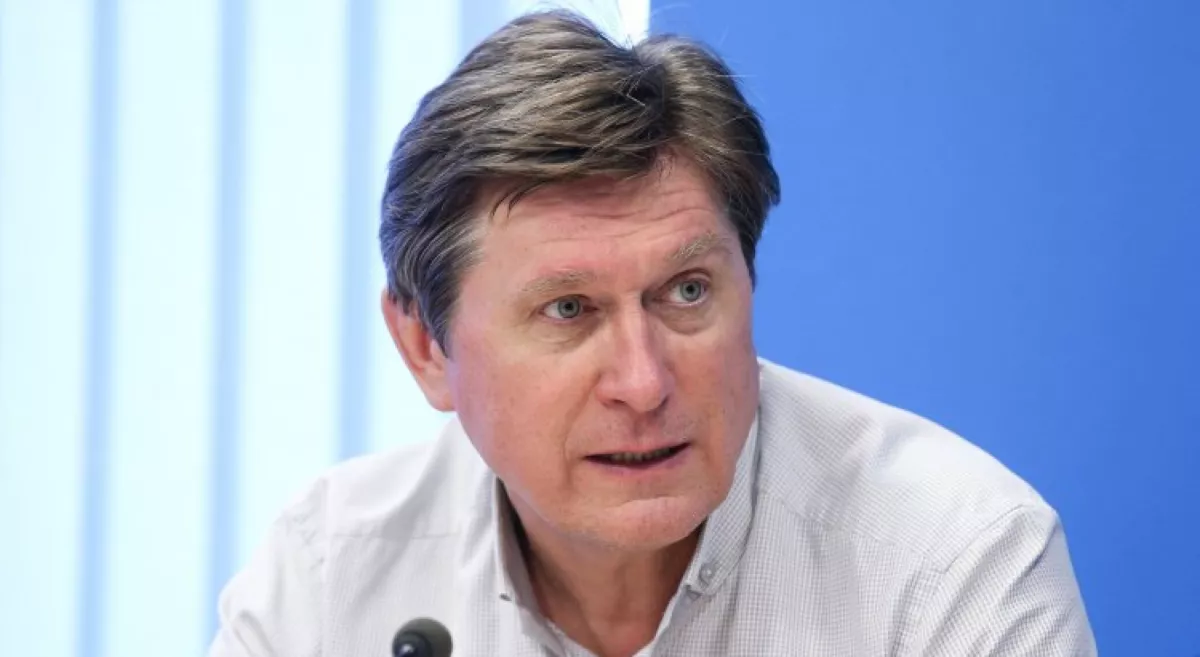
Volodymyr Fesenko, Director of the Penta Centre for Political Studies (Ukraine), noted that no one knows how long the war may last.
“A country that starts a war can plan its duration. But, as practice shows, such plans often fail. In any case, Russia’s military plans regarding Ukraine have not been realised. Even less so can the side that is defending itself plan the duration of the war.
The information that Kyiv is preparing for another 2–3 years of war is perceived by many as sensational. But in fact, there is nothing sensational about it, and the information is also incomplete. The Office of the President of Ukraine neither confirms nor denies it, responding rather ironically.
It should be noted that information about the war potentially lasting 2–3 years first appeared three months ago on the pages of The Economist. At that time, it was reported that Kyiv was working in two directions simultaneously: trying to negotiate an end to the war through peace talks in a trilateral format, and at the same time preparing for the possibility of another 2–3 years of war if Putin refused to agree on a compromise.
The situation has not fundamentally changed since then. Yes, peace talks are currently on pause. In the near term, during the summer months, escalation of military actions appears to be the more likely scenario. The Kremlin still expects success from the planned summer offensive of the Russian army. But neither side is walking away from negotiations — rather, both Moscow and Kyiv are hoping to strengthen their bargaining positions through military means,” the researcher believes.
In his view, information that the war could last 2–3 years is not a directive to prolong it, but rather a conservative, inertia-based scenario, based on the assumption that Putin will not want to end hostilities.
“At the same time, Zelenskyy is not abandoning negotiations. On the contrary, he hopes that due to increased pressure on Russia, including military pressure from Ukraine, additional opportunities for peace talks — and even for ending the hot phase of the war — may emerge in the autumn.
At a meeting with members of his faction on May 25, President Zelenskyy said that in about six months, by November, Russia could be brought to a state in which it would be ready for real negotiations on ending the war. However, I would add that this is far from guaranteed, as the practice of peace negotiations shows. Therefore, there is also a conservative scenario of readiness for the war to continue for another 2–3 years. This is understood in Kyiv, and it is understood by our partners as well. That is why the EU has allocated a large financial support package for Ukraine, amounting to €90 billion, designed for two years.
Why is the figure of 2–3 years used specifically? It is a highly conditional estimate — essentially a scenario of a prolonged war with a certain buffer for medium-term resource planning. At the same time, expectations are taken into account regarding the gradual accumulation of internal problems in Russia.
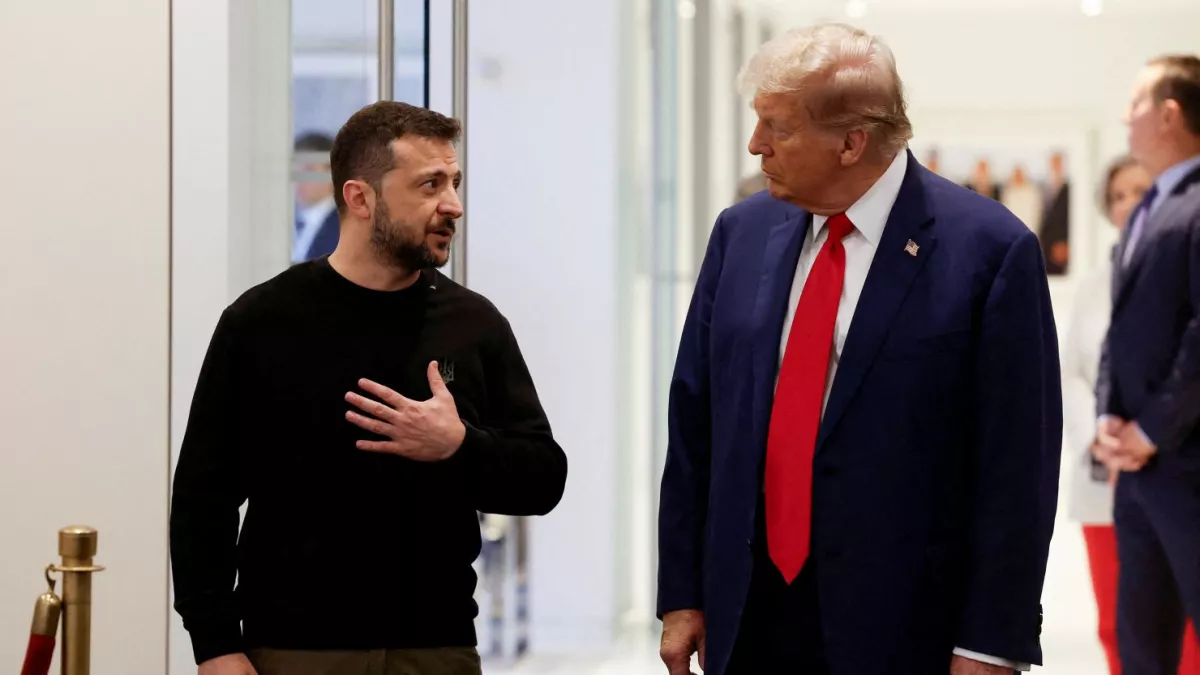
It is also considered that in November 2028, in about two and a half years, the United States will hold presidential elections, and in January 2029, the country will have a new president. This could almost certainly influence the negotiation process on ending the Russia–Ukraine war, although in what way remains unknown.
Could the Russia–Ukraine war end earlier? Yes, it could, but this depends on a combination of several factors: the emergence of a military stalemate, a significant increase in Ukrainian strikes — including missile strikes — on Russia’s rear, a substantial deterioration of the internal situation in Russia, stronger economic and political pressure on it, primarily from the United States, as well as the readiness of Putin (or the collective Kremlin leadership) to agree to a ceasefire,” Fesenko concluded.







 editor@caliber.az
 +994 55 444-88-98
 Азербайджан, Баку, ул. Низами, 203, Af Business House, 5-й этаж