










“EU–Azerbaijan ties under pressure from lobbyists and agents of influence” Bulgarian political analyst on Caliber.Az
Amid Europe’s ongoing energy crisis and shifting geopolitical landscape, Azerbaijani gas has emerged as a strategic asset for the continent’s energy security. In an interview with Caliber.Az, Bulgarian political analyst Theodore Dechev explores the growing role of the Southern Gas Corridor, the influence of lobbying networks on EU–Azerbaijan relations, and the broader implications of political shifts across Europe—from Bulgaria and Hungary to NATO’s uncertain future without the United States.
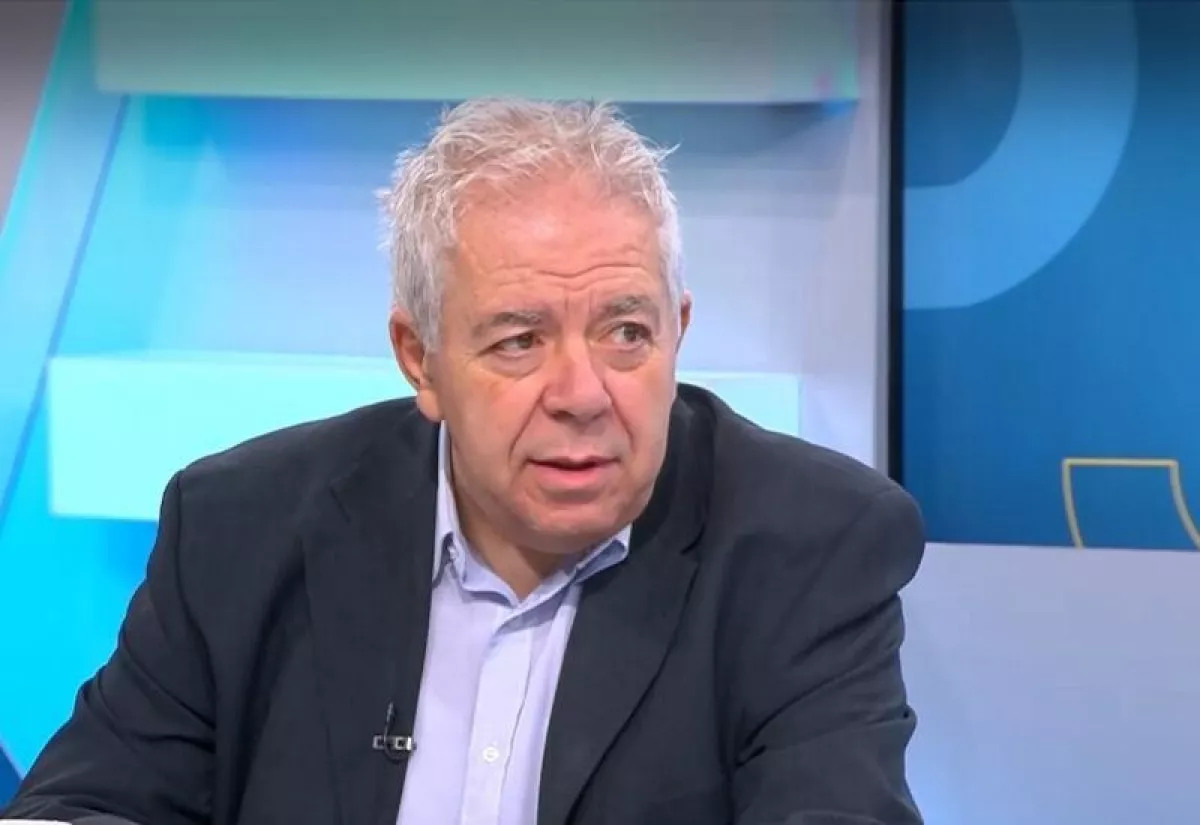
— The energy crisis in Europe amid the Russian-Ukrainian and Middle Eastern wars has led to increased European interest in the Southern Gas Corridor. How important are Azerbaijani energy resources for European countries at the moment?
— The emerging energy crisis is a fact, but it should not be forgotten that it is far from the first. We have witnessed a whole series of crises characterised by sharp changes in the prices of both gas and oil since the second half of the 20th century, for example, after the war of the coalition of Arab states against Israel in 1973, which triggered economic turmoil and downturns for decades ahead.
In fact, the closure of the Strait of Hormuz is a serious problem for global trade, since, according to RANE-Stratfor, it accounts for 38% of global seaborne crude oil exports, 29% of liquefied petroleum gas, 19% of liquefied natural gas, 19% of petroleum products, 13% of fertilisers and other chemicals, 2.8% of container traffic, and 2.4% of dry cargo, including grain.
Against this background, countries that currently maintain direct business relations with Azerbaijan and use natural gas supplies via the Southern Gas Corridor are in a very advantageous position. One can only regret that they are constrained by current volumes, but, on the other hand, it is an indisputable fact that Azerbaijani supplies cover a significant number of states across a fairly large territory.
When Russian and other agents of influence attempt to downplay the role of the Southern Gas Corridor, they usually compare today’s supply volumes through the SGC with the volume of Russian supplies to Germany prior to the Russian-Ukrainian war. However, it should be remembered that Germany is a huge consumer of natural gas—both as fuel and as feedstock. At that time, the prices of Russian natural gas for it were significantly lower than for Bulgaria, mainly due to differences in volumes, as well as because Moscow did not believe it would gain any particular benefit from concessions to “some ungrateful Bulgarians.”
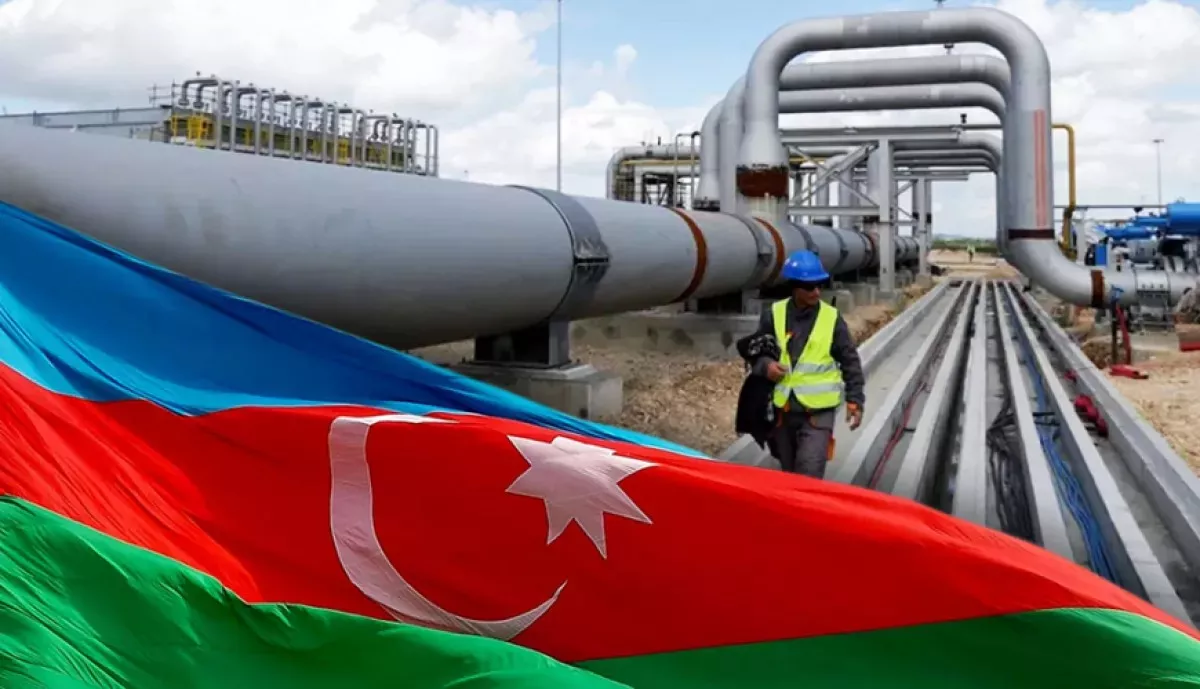
Bulgaria’s situation has its own specifics, as the country purchases natural gas mainly as a feedstock for industry (two large fertiliser production plants), since less than 18% of the Bulgarian population uses so-called district heating. The fact that we have long-term contracts for Azerbaijani gas at a very favourable and reasonable price can be of extremely important significance for the Bulgarian chemical industry, especially against the backdrop of an impending fertiliser crisis.
In general, Azerbaijani gas today is important for Türkiye, Greece, Bulgaria and Italy, for the whole of South-Eastern Europe, and we can only hope for the safety and integrity of the Southern Gas Corridor. Very soon, Albania will also be fully gasified through the Trans Adriatic Pipeline. In turn, the Sofia–Niš interconnector will diversify natural gas supplies to Serbia.
If the obstacle of blocking the construction of the Trans-Caspian Gas Pipeline can be overcome — and this is happening due to opposition from Russia and, to a certain extent, Iran — then “blue fuel” from one of the three countries with the world’s largest natural gas reserves, Turkmenistan, could flow into Azerbaijan’s infrastructure. Of course, there is no need to harbour illusions that the Russian Federation will easily abandon its position on the Trans-Caspian Gas Pipeline issue, as this would amount to a requiem for the collapse of its geopolitical ambitions and of the already weakened “Gazprom”.
In addition, it should be emphasised that Azerbaijan is also a reliable supplier of oil to a number of European countries, which currently represents an important economic and political asset.
— The European Parliament and Azerbaijan. Is a warming of political relations possible against the backdrop of an understanding that Baku is a reliable partner, especially in recent times, in terms of energy supplies for the EU?
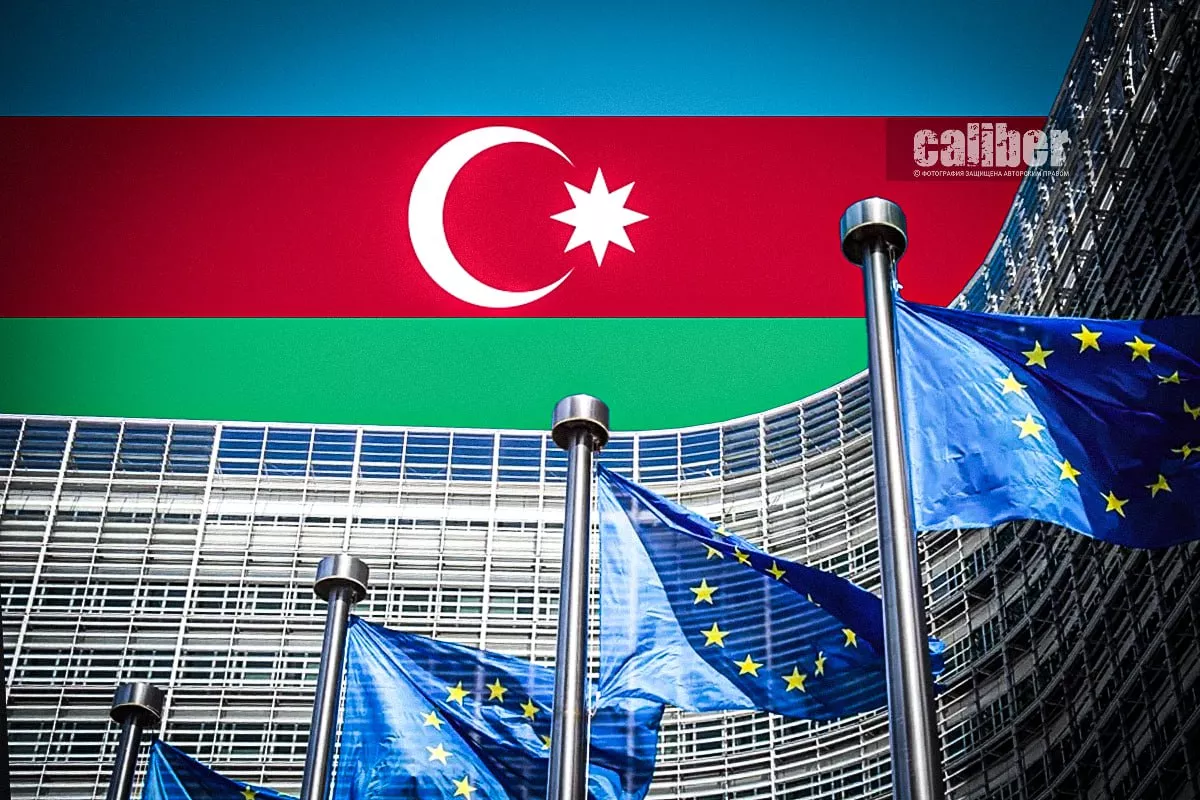
— From the perspective of common sense, at present, there should be no problems in relations between the European Union and Azerbaijan. At the same time, negative pressure on EU–Azerbaijan relations is primarily exerted by interested lobbying groups and agents of direct influence who serve the interests of various actors.
In turn, importers of liquefied natural gas are also constantly “assisted” by their own agents of influence (referring to unregistered lobbyists), among whom there are individuals with academic degrees who are hostile to the Southern Gas Corridor and who have worked against its construction, especially against the completion of the Trans Adriatic Pipeline. The same applies to supporters of ties with Russia. These people use biased facts, most often half-truths and other disinformation, and speculate on various issues, such as: whether Azerbaijan has sufficient resources; whether the SGC route is reliable; whether the Azerbaijani state is “democratic enough” to be “worthy” of trade with the EU, and so on.
It should be emphasised here that these same individuals have not shown the slightest remorse over imports from Russia, compared to which Azerbaijan is an incomparably more democratic country with greater political tolerance. They were also not concerned about the democracies of the regimes in the Gulf states, compared to which Azerbaijan has advanced incomparably further in its democratic development.
It is also worth mentioning at least two more categories of opponents of EU–Azerbaijan cooperation. On the one hand, there is the Armenian lobby, which maintains a negative attitude towards Baku despite the enormous progress in the peace process. In this regard, Armenians living in Armenia are much more realistic than members of the diaspora. On the other hand, there are those I call “abstract democrats,” mainly political or civic activists. Many of their critical remarks about Baku are literally identical to the aforementioned insinuations of Russian agents of influence and various corporate interests, mainly linked to gas imports. They do not view things in context and have no understanding of the evolution of Azerbaijan’s political order and economy — as if frozen around a single isolated case, creating unnecessary hype around it.
In fairness, it should be emphasised that relations between the European Commission and Azerbaijan can be described as excellent. In fact, many critical remarks directed at Baku are, in reality, rather clumsy intrigues against Ursula von der Leyen, who, by virtue of her position, is a natural target for all kinds of both justified and, even more so, unjustified attacks.
— What does Viktor Orbán’s electoral defeat in Hungary signify for Europe? How is this political shift perceived in Bulgaria?
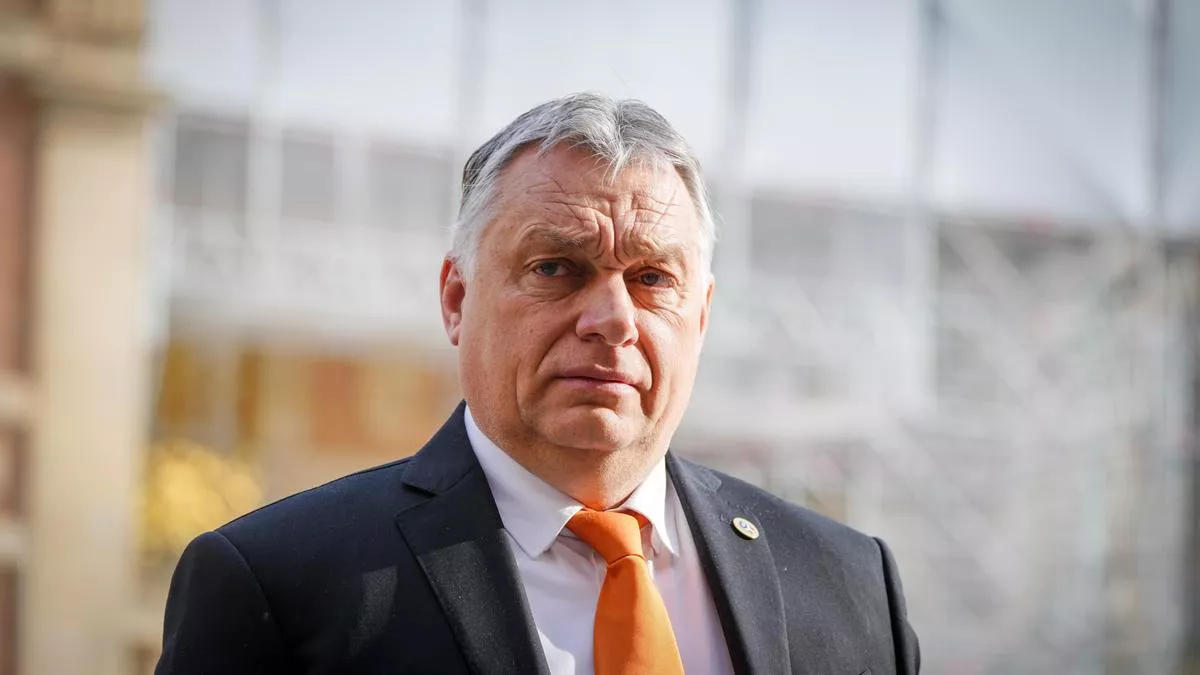
— When we speak about Orbán’s departure from the post of prime minister, we should remember that the only part of his foreign policy that can be considered rational and beneficial both for Hungary and in the broader European context is his policy towards the South Caucasus and Central Asia. At the same time, year after year Orbán adopted an increasingly Eurosceptic stance and went as far as flooding the country’s streets with posters carrying anti-European rhetoric.
And here lies the paradox: in the countries of South-Eastern Europe in general, and in Bulgaria in particular, Orbán was often perceived negatively precisely by supporters of cooperation with Azerbaijan, because they had for years advocated freeing the country from dependence on Russia. Azerbaijani gas turned out to be the instrument through which Bulgaria achieved this liberation. Moreover, the Greece–Bulgaria Interconnector (IGB) was commissioned right at the start of the heating season on October 1, 2022 and effectively neutralised the energy crisis that Russia had prepared for our country. At that time, the Russian Federation unilaterally announced the suspension of gas supplies to Poland and Bulgaria, and it seems that in doing so we received a kind of “medal” as the “most hated country.”
As for Russia, it may have lost a stronghold of its presence in Central Europe. In this context, it is worth noting that Budapest’s interest in Azerbaijani “blue fuel,” as well as in the import of “green” electricity from Azerbaijan and Central Asia, is far from accidental, since Russia supplies gas to Hungary at a very high cost. Therefore, it is quite expected that difficult times are ahead for Russian economic interests.
— And what can you say about the victory of the Eurosceptic Rumen Radev in the recent elections in Bulgaria?
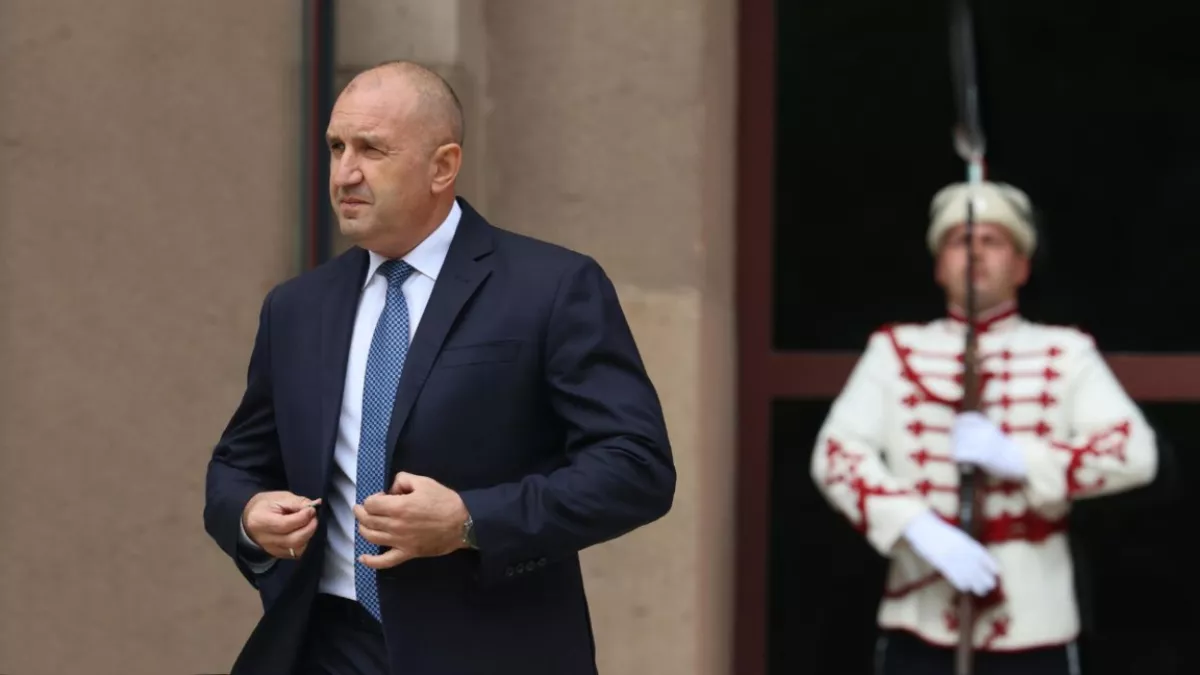
— As for Rumen Radev’s victory, I believe it would be premature to draw parallels between him and Orbán, although he did everything possible to win the votes of pro-Russian voters in Bulgaria. It is no coincidence that several small pro-Russian parties failed to enter the National Assembly, as their electorate was effectively absorbed by Radev. Even the strongly pro-Russian, populist, anti-vaccination party Vazrazhdane (“Revival”) was on the verge of not making it into parliament. At the same time, Radev’s campaign statements were music to the Kremlin’s ears—so pleasing, in fact, that Dmitry Peskov even said that they were “impressed” in Moscow.
These circumstances are prompting pro-European politicians and citizens to remain vigilant. They view Radev and the legacy of his eight-year presidency with considerable restraint. At the same time, a campaign has already begun to reassure public opinion, suggesting that Radev’s pro-Russian remarks were merely pre-election pragmatism and that otherwise he will follow a pro-European course. His supporters point out that the caretaker governments appointed by him supplied large volumes of weapons to Ukraine, among other actions. However, what course the government led by Radev will ultimately take remains to be seen. As the saying goes, time will tell.
— US President Donald Trump has spoken about a possible withdrawal of the United States from NATO, and Europe is already outlining the contours of this military bloc without Washington. Is this initiative likely to succeed? Is a North Atlantic Alliance possible without the United States?
— As is well known, NATO is a defensive alliance, primarily intended to respond to aggression against one of its member states. At the same time, for many years there has been a practice of forming “coalitions of the willing,” which do not involve the North Atlantic Treaty Organisation as a whole, but rather individual member states—as was the case during the second Gulf War, in the “Shock and Awe” operation.
However, neither the head of the White House nor any senior officials of the US administration held such discussions with their European allies; they were approached only after the fact, and primarily for logistical and material support. In other words, the United States launched the operation against the Islamic Republic unilaterally and on the personal initiative of the American president. Consequently, Trump has no justified grounds to be angry with them, as allies are not obliged to participate in offensive operations about which they were not properly informed.
On the other hand, to speak frankly, despite the numerous violations by the Iranian regime of the norms and principles of international law, carrying out a legitimate armed intervention in Iran would be extremely difficult, if not impossible. Such a move would require authorisation from the UN Security Council; however, Russia and China would veto any measures against Tehran, let alone a military operation.
In fact, the only country that could be said to have a moral right to strike Iran (if one can speak of morality in international politics at all) is Israel. The ruling Iranian elite has repeatedly declared its intention to wipe Israel off the face of the earth and turn it into a radioactive desert, and in my view, anyone facing such threats is obliged to take measures to ensure their own security.
As for the prospect of NATO without the United States, the organisation would undoubtedly become less powerful, but it would remain strong enough to deter a potential aggressor. Regarding the question of who would provide the “nuclear umbrella” for alliance members in the absence of the United States, it should be emphasised that the amount of nuclear weapons in the world today is still incomparably smaller than it was in the 1950s. Moreover, there are now conventional types of weapons that are no less dangerous and destructive than nuclear ones, such as thermobaric weapons, kinetic weapons, and other alternatives. Europe’s defence industry is also extremely well developed—European conventional weapons are not inferior to their American counterparts.
At the same time, a US withdrawal from the alliance would also mean the country’s departure from the Old Continent, which would most likely entail significant budgetary expenditures and affect the welfare of Europeans, but would simultaneously mobilise many sectors of industry and lead to technological breakthroughs. Thus, as a defence alliance, the North Atlantic Treaty Organisation is viable even without the United States and without Trump, but its member states would have to pay the price for their security—and every eurocent would be worth it.
Incidentally, NATO without the United States would likely become far more vigilant regarding the linear infrastructure that supplies Europe with energy resources—or even electricity. In this respect, facilities such as the Southern Gas Corridor, the Baku–Ceyhan and Kirkuk–Ceyhan oil pipelines, transmission lines for “green” energy from Azerbaijan and Central Asia to Europe, and many others would be protected much better than they are today.
So, if Moscow has so far earned several “awards” as NATO’s best “headhunter” by effectively driving the alliance’s expansion through the accession of two previously neutral countries, then Trump will likely also make his contribution to a sharp increase in the bloc’s combat readiness on the European theatre of potential military operations.
At the same time, an interesting process is unfolding within the European Union. Following Brexit—which was actively supported by Russian intelligence services—we are witnessing increasingly intensive discussions about the United Kingdom potentially returning to the EU. Furthermore, Iceland, a NATO member that had previously abandoned its EU integration initiative, is now reconsidering its intentions, and we may soon witness a strengthening of the EU’s “Arctic flank.” In addition, Montenegro could well be admitted to the EU in the near future, while Orbán’s departure from the political scene may provide momentum for various innovative proposals regarding Ukraine’s integration into the European Union.







 editor@caliber.az
 +994 55 444-88-98
 Азербайджан, Баку, ул. Низами, 203, Af Business House, 5-й этаж