










Kazakhstan’s Israel outreach: what’s behind the strategic rapprochement? Expert opinions on Caliber.Az
Kazakh President Kassym-Jomart Tokayev is placing a strategic emphasis on deepening ties with Israel, highlighting the significant potential for bilateral cooperation. The statement was made during his meeting with Israeli President Isaac Herzog in Astana, according to the press service of the Kazakh leader.
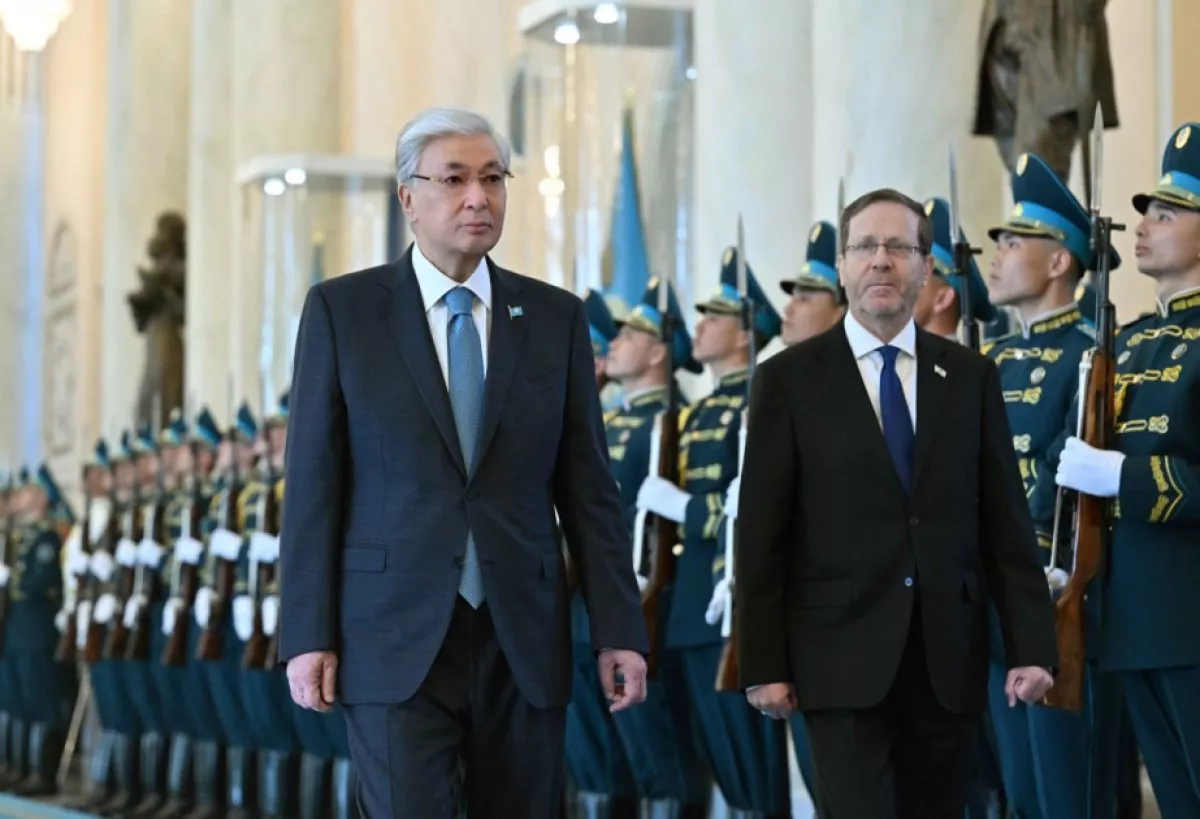
“I would like to note that your esteemed father, the former President of the State of Israel, was one of the major architects of the relationship between Kazakhstan and Israel. We have been enjoying very close, friendly relations for many years, starting from 1992, and we have achieved many positive results in our mutual ties, first and foremost in economic cooperation and political dialogue. Kazakhstan has decided to join the Abraham Accords. This gesture symbolizes our readiness and intention to contribute to the normalization of relations between Middle Eastern countries and Israel. Today we will discuss many issues relating to our economic ties, as their potential is extremely vast,” Tokayev said.
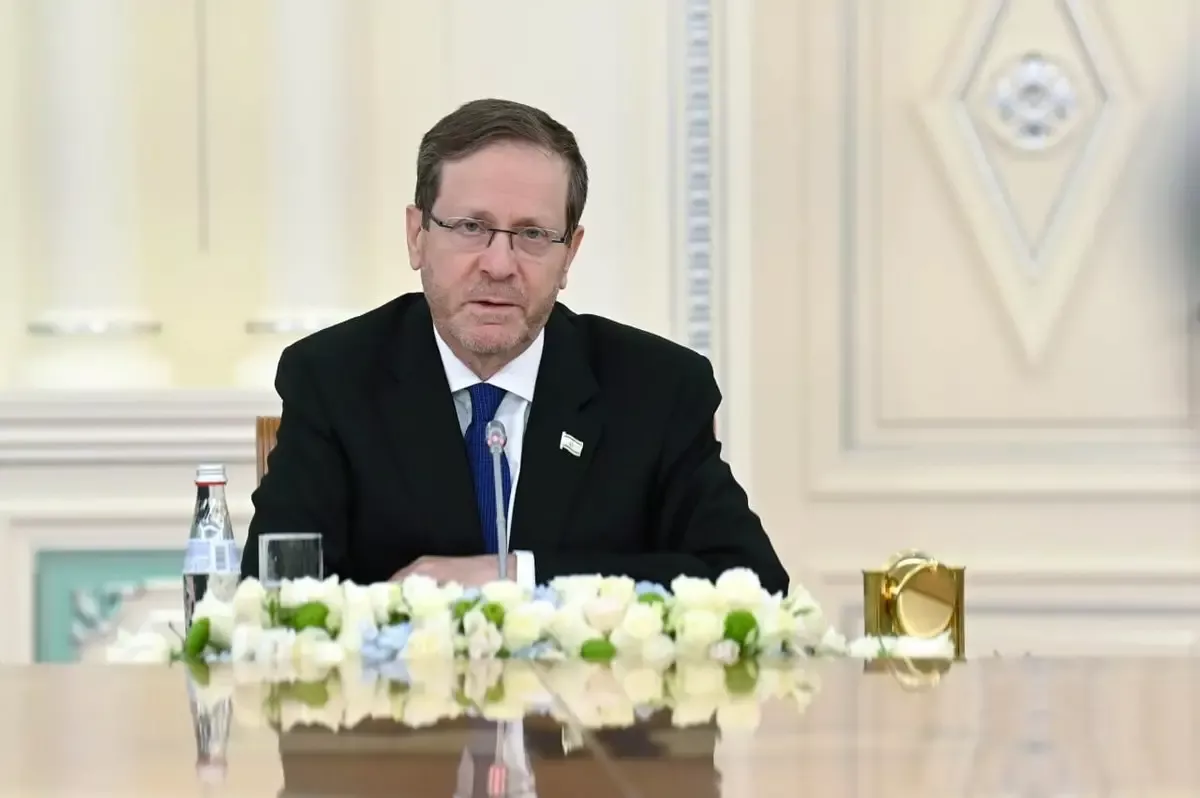
In turn, Herzog expressed deep satisfaction with his stay in Astana, noting that this is a continuation of the mission of his father, Chaim Herzog, who visited Kazakhstan in 1993.
“I’ve always dreamed of visiting Kazakhstan. I heard about the incredible beauty of your land and the culture of the Kazakh nation. I brought a very representative delegation of leaders and experts in fields that are vital to the future of cooperation between our nations, especially in the advancement of technology. As the world steps into a new era, the potential between our nations is immense,” said the Israeli president.
What does this rapprochement between Kazakhstan and Israel mean? What benefits do both sides see in such cooperation?
Renowned experts from both countries shared their views on these questions with Caliber.Az.

Kazakh political analyst Gaziz Abishev believes that such relations with Israel generally reflect Kazakhstan’s foreign policy course.
“Here it is important to understand that in the broader confrontation between the Arab monarchies and Iran, Kazakhstan’s economic cooperation, trade, cultural and humanitarian ties, and investments with the Gulf monarchies (primarily the United Arab Emirates, as well as Saudi Arabia and Qatar) are many times greater than its level of engagement with Iran.
With Iran, the North–South railway project was developed through Turkmenistan to Kazakhstan, from which Iran could also benefit economically, but the scale of this cooperation is significantly smaller compared to that with the Arab countries. Therefore, Kazakhstan has made its assessment here, concluding that attacks on peaceful Dubai do not fit into its understanding of rational actions.
At the same time, we see that Kazakhstan’s partners in the Middle East — the UAE, Qatar, and Saudi Arabia — are generally establishing constructive cooperation with Israel and do not have a negative attitude toward the Abraham Accords.
I believe that Kazakhstan’s current direction reflects this trend, especially since the country has no serious contradictions with Israel. Traditionally, such a bridge between Kazakhstan and Israel was Alexander Mashkevich, thanks to whom stable relations were established,” the analyst outlined.
According to him, this may conflict with other alliances of Kazakhstan, for example, with Russia.
“This became evident when Herzog arrived in Astana at the same time as Iran’s Foreign Minister was visiting Moscow. However, Kazakhstan pursues a sovereign course and acts based on its own interests. This may be linked to a focus on diversifying partnerships, partial integration into the Western world, and attracting investment. It is also taken into account that Israel has influential lobbying networks in Western countries. Notably, Azerbaijan maintains very good relations with Israel; in this regard, the motivations of the countries may overlap, although they are not identical,” Abishev added.
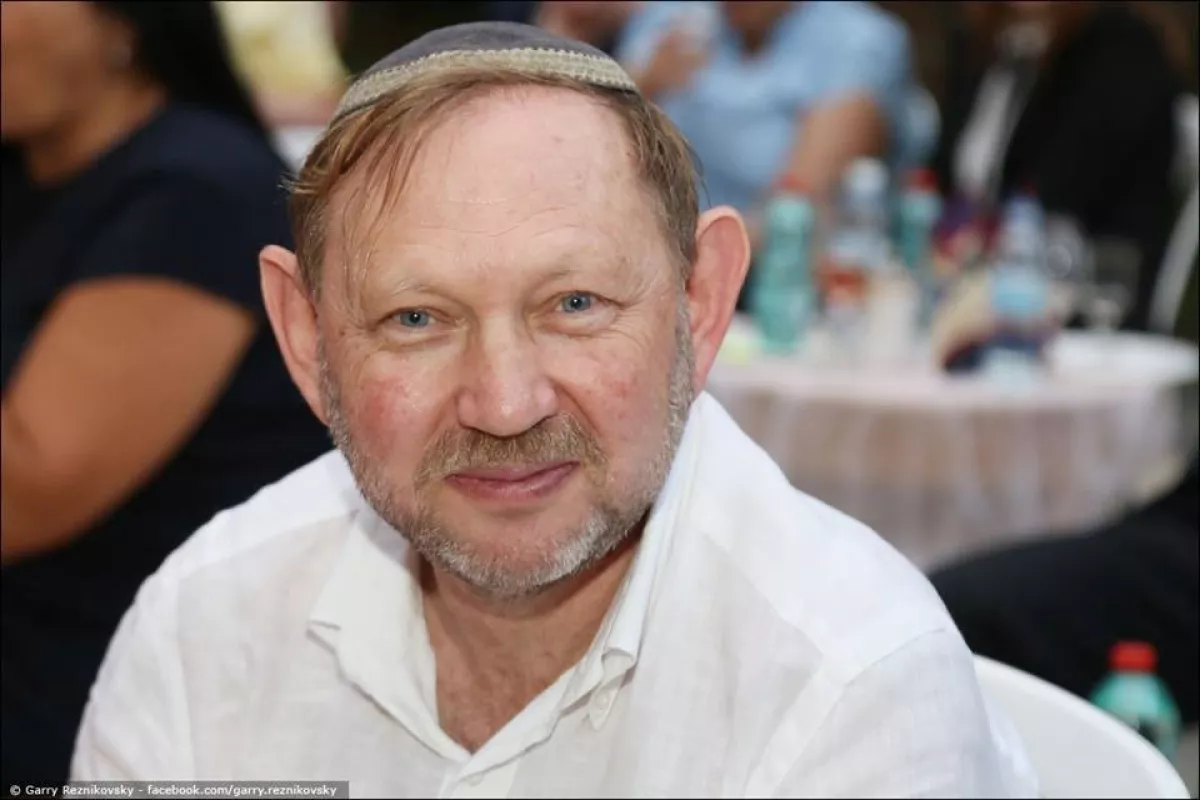
Israeli political scientist, Professor at Bar-Ilan University, Ze’ev Khanin, noted that two key aspects can be highlighted in this issue.
“The first is Kazakhstan’s strategic interest in its relations with the United States. Kazakhstan positions itself not as a participant in the Middle Eastern conflict, but as a regional power in Central Asia and an active global player.
Trump’s concept of ‘Abraham Accords 2.0’ goes beyond the simple settlement of the Arab-Israeli conflict, as it was during his first term in 2020.
The Abraham Accords can be viewed in a broader context as an economic, diplomatic, and defence bloc. It may include not only states that do not have diplomatic relations with Israel, but also those that already maintain them, such as Egypt and Jordan, as well as the first participants of the agreements — the UAE and Bahrain. Later, Morocco joined them, and Sudan also showed a certain level of interest,” the professor explained.
One of the candidates among non-Arab countries for joining was considered to be Azerbaijan, he recalled.
“However, Azerbaijan does not need to formally join the second model of the Abraham Accords, as it is already connected to Israel through close bilateral strategic partnership relations. For Kazakhstan, participation in such initiatives is important in order to raise the level of dialogue with Washington. If earlier contacts in the ‘C5+1’ format (the United States and Central Asian countries) took place at the level of foreign ministers, now they have reached the level of heads of state.
Formally speaking, Astana does not have any particular interests in the Middle East itself, but it does have an interest in projects such as the Middle Corridor. Cooperation with Israel in this context can significantly strengthen Kazakhstan’s international status and that of the entire Central Asian region,” Khanin emphasised.







 editor@caliber.az
 +994 55 444-88-98
 Азербайджан, Баку, ул. Низами, 203, Af Business House, 5-й этаж