










Rubio’s Latin America push: Washington’s bid to reclaim the region Analysis by Matanat Nasibova
The United States is building a new framework for relations with Latin America around three priorities: security, combating drug trafficking, and trade. A clear example is Secretary of State Marco Rubio’s upcoming tour of Colombia, Ecuador, and Peru from September 8 to 10. In Colombia, he will meet with President Abelardo de la Espriella, who took office on August 7, and discuss US assistance in responding to the aftermath of the recent earthquake. In Peru, Rubio will hold talks with Keiko Fujimori, while in Ecuador he will meet with President Daniel Noboa, whom he met during his visit to Quito last September. What lies behind the trip, and why has Washington chosen these three countries?
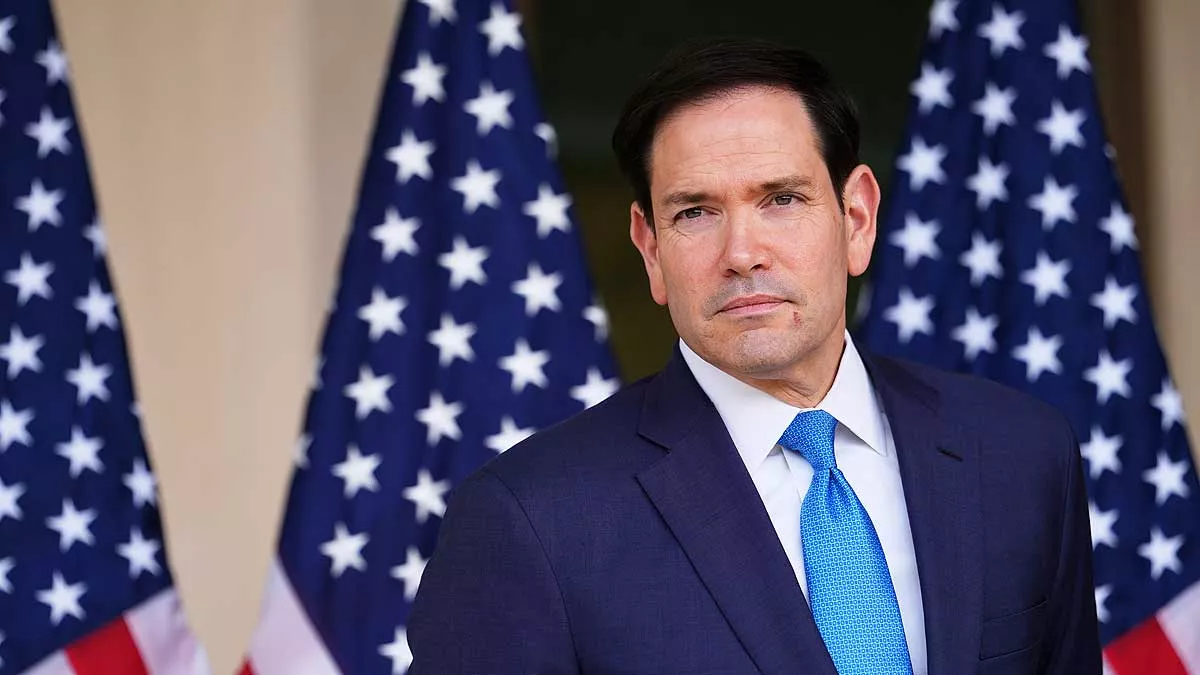
The US strengthens its position in the Western Hemisphere
The choice of these three countries is no coincidence. Colombia, Ecuador, and Peru are currently among the Latin American governments most willing to pursue close cooperation with Washington. Rubio’s trip should therefore be seen as more than another round of diplomatic meetings. It is part of a broader effort to build a new regional security framework and create a common front against the growing influence of China, Russia, and Iran.
At the same time, Washington is seeking to consolidate a bloc of Latin American governments prepared to work closely with the Trump administration. Colombia, Ecuador, and Peru are now led by governments with which the White House expects to develop significantly closer ties than with their predecessors.
Bogotá, for example, has already joined a US initiative aimed at strengthening joint efforts to combat drug cartels, with an expansion of these operations now under discussion. This fits squarely into Washington’s broader strategy of making Colombia one of the key pillars of its regional policy. The fight against drug trafficking lies at the heart of the new US approach to Latin America and is expected to feature prominently throughout the secretary of state’s tour.
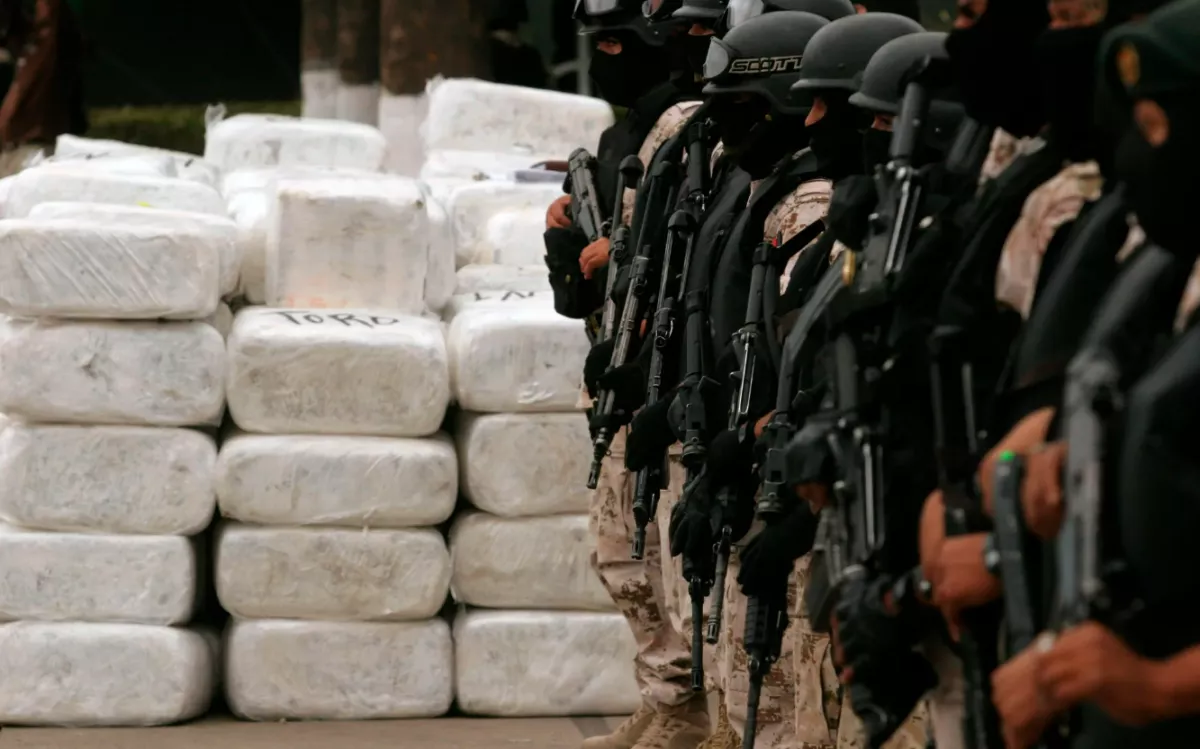
According to analysts, the United States is seeking to move away from the traditional model of providing assistance to Latin American countries toward a system in which governments across the region become direct participants in a broader US security architecture.
Ecuador is a case in point. President Daniel Noboa has demonstrated a strong willingness to cooperate with Washington, while the two countries’ security forces are already conducting joint counter-narcotics operations. Rubio is likely to push for a more integrated model of cooperation encompassing intelligence sharing, data exchange, joint operations, and greater control over maritime routes — and, ultimately, an expanded US military presence. For Washington, Ecuador represents a strategically important foothold on the Pacific coast of South America.
Rubio’s visit to Peru, where he will meet with Keiko Fujimori, is aimed in part at consolidating a new political alignment. For Washington, the trip offers an opportunity to establish working relations with Peru’s new government at an early stage and prevent China from further expanding its economic influence. Beijing has significantly strengthened its position across Latin America in recent years, including in Peru, prompting Washington to offer regional governments an alternative to deeper economic dependence on China.
Peru’s strategic importance goes beyond its political orientation. The country has a long Pacific coastline and is one of the world’s major producers of copper and other critical minerals. Previous Peruvian governments actively deepened ties with Beijing, and Washington now appears determined to regain the initiative. The US administration hopes to capitalise on the rise of Fujimori’s right-wing government to expand its economic presence and secure greater access to critical minerals, while preventing Peru from emerging as China’s dominant logistics hub in South America.
The China factor
The United States is unwilling to cede further ground in Latin America to China’s expanding economic and infrastructure footprint. This gives Washington’s trade discussions with Colombia, Ecuador, and Peru a broader geopolitical significance: the US is offering Latin American governments deeper integration with the American market as an alternative to growing economic dependence on China. Over the past 15 years, Beijing has made major inroads across the region, and Washington is now seeking to reverse or at least counter that trend.
Why is Venezuela not on the itinerary?
Venezuela remains one of the most important fronts in US policy toward Latin America, yet it is absent from Rubio’s official itinerary. According to international analysts, Washington appears to be pursuing a two-track regional strategy: treating Venezuela as a separate strategic challenge while positioning Colombia, Ecuador, and Peru as the core of a network of stable and cooperative partners. At the same time, the United States is selectively expanding economic engagement with Caracas. A telling development came on September 2, when Venezuela’s parliament approved a major oil agreement with a US energy company.
The bottom line
The United States is pursuing several interconnected objectives: strengthening its military and intelligence footprint in the Andean region; expanding the coalition against drug cartels; consolidating governments in Colombia, Ecuador, and Peru that are aligned with Washington; tying security cooperation to trade so that regional governments have tangible economic incentives to work more closely with the United States; and countering China’s growing economic and technological influence.
In the medium term, Rubio’s trip could mark an important step toward making Latin America an unequivocal priority of US foreign policy once again. More broadly, it represents a test of a new model of American leadership in the region. The key question is whether Washington can move beyond a pattern of episodic intervention and build a system of sustained regional coordination. If the United States succeeds in bringing Colombia, Ecuador, and Peru together around a common security and trade agenda, the emerging framework could serve as a blueprint for its relations with the rest of Latin America.







 editor@caliber.az
 +994 55 444-88-98
 Азербайджан, Баку, ул. Низами, 203, Af Business House, 5-й этаж