










Armenian media storm: Pashinyan under pressure as election race heats up Expert opinions on Caliber.Az
Recently, Armenia has been witnessing massive attacks on Prime Minister Nikol Pashinyan and the ruling Civil Contract party. It gives the impression that opposition forces are acting in a coordinated manner — Armenian media are literally overflowing with statements from various parties “exposing” the head of government and accusing him of “cooperating with Türkiye and Azerbaijan.”
Such information attacks are, of course, nothing new; however, the current wave is noticeably greater in scale and intensity than previous ones.
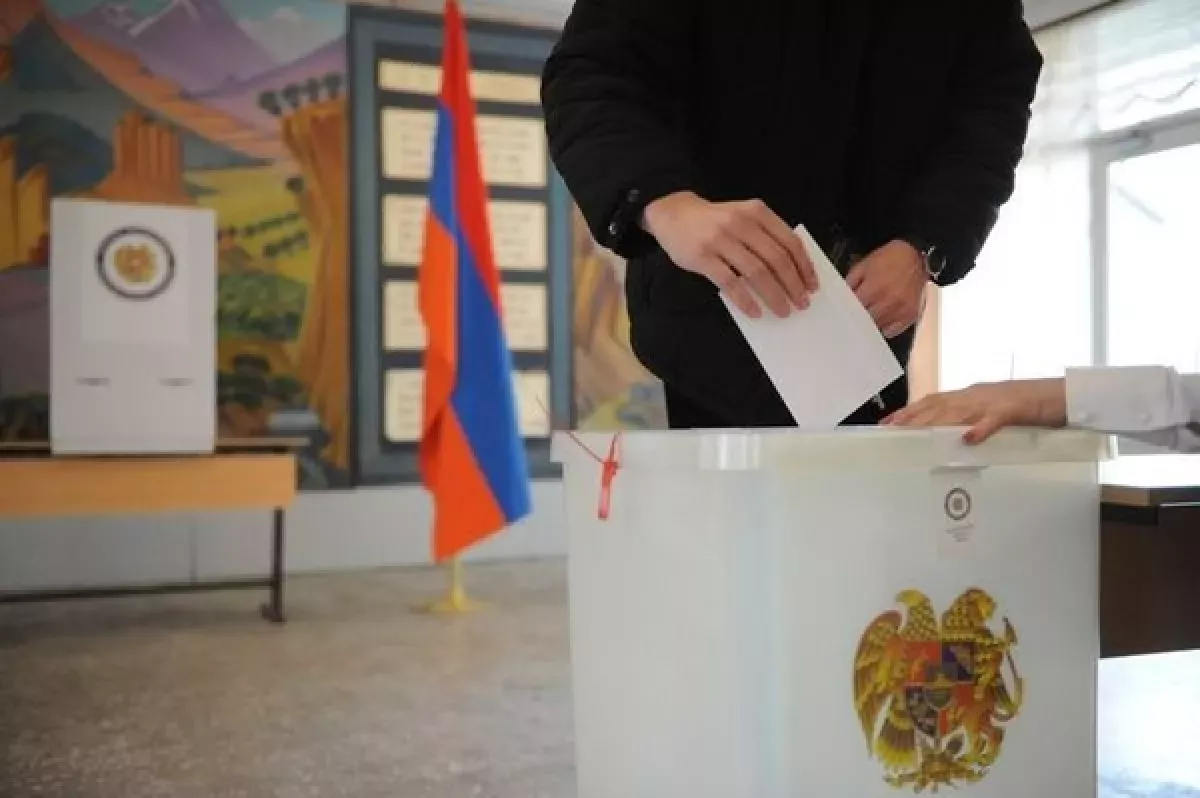
Thus, a highly tense information environment is forming in the country, which is evidently linked to preparations for the parliamentary elections scheduled for June 7, 2026.
Not only traditional media but also social networks are showing a high level of criticism toward Nikol Pashinyan and his party. Among the key narratives are accusations of a “pro-Turkish” policy. Another line of criticism concerns economic difficulties. Pashinyan is being accused of worsening the socio-economic situation and failing to fulfil his earlier promises. In addition, claims are being spread that the government is becoming increasingly authoritarian and is using administrative resources to maintain power.
Will this wave subside after the elections, or should one expect a prolonged and large-scale information campaign against the current government? And can such a media strategy influence the sentiments of the majority of voters?
Well-known Armenian experts shared their assessments of this issue with Caliber.Az.
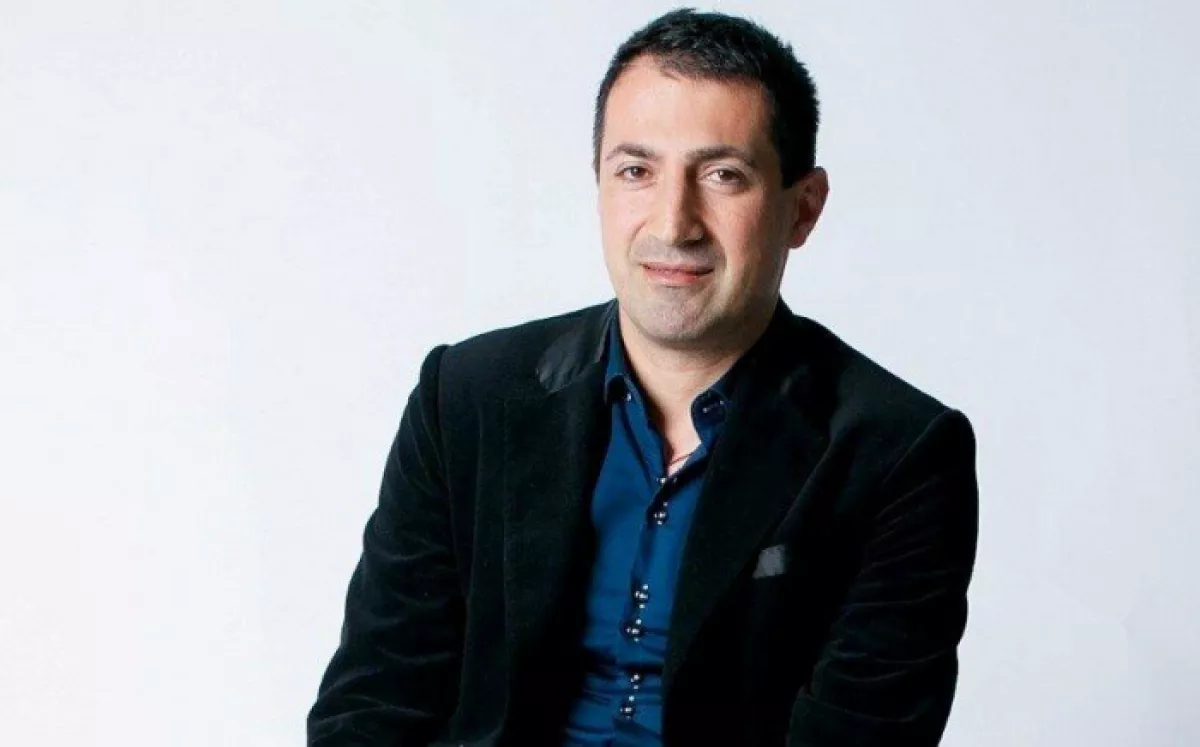
Armenian journalist and blogger Roman Baghdasaryan believes that the current wave of attacks will subside immediately after the elections, since the financial resources allocated for such activity are limited.
“Journalists and politicians appearing in these media are currently simply working off the funds allocated to them. However, financing cannot be endless. After the elections, there will be no one left to pay for it, so the attacks will quickly stop,” the expert noted.
At the same time, he says such an information campaign is not capable of changing the overall mood of society.
“Over the past 35 years, people in Armenia, having gone through wars and crises, have learned to distinguish truth from falsehood. Yes, such campaigns can influence part of the electorate and help certain candidates enter parliament, but they cannot fundamentally change the general sentiment of society. The majority of people are inclined toward peace and constructive development.
Opposition parties are receiving significant funding. At the same time, many of those in the circles of opposition leaders themselves understand that victory is unlikely. Nevertheless, they demonstrate loyalty because journalists, printing houses, lawyers, and politicians are being paid for their work. They need to justify these funds and publicly support their leaders,” Baghdasaryan emphasised.
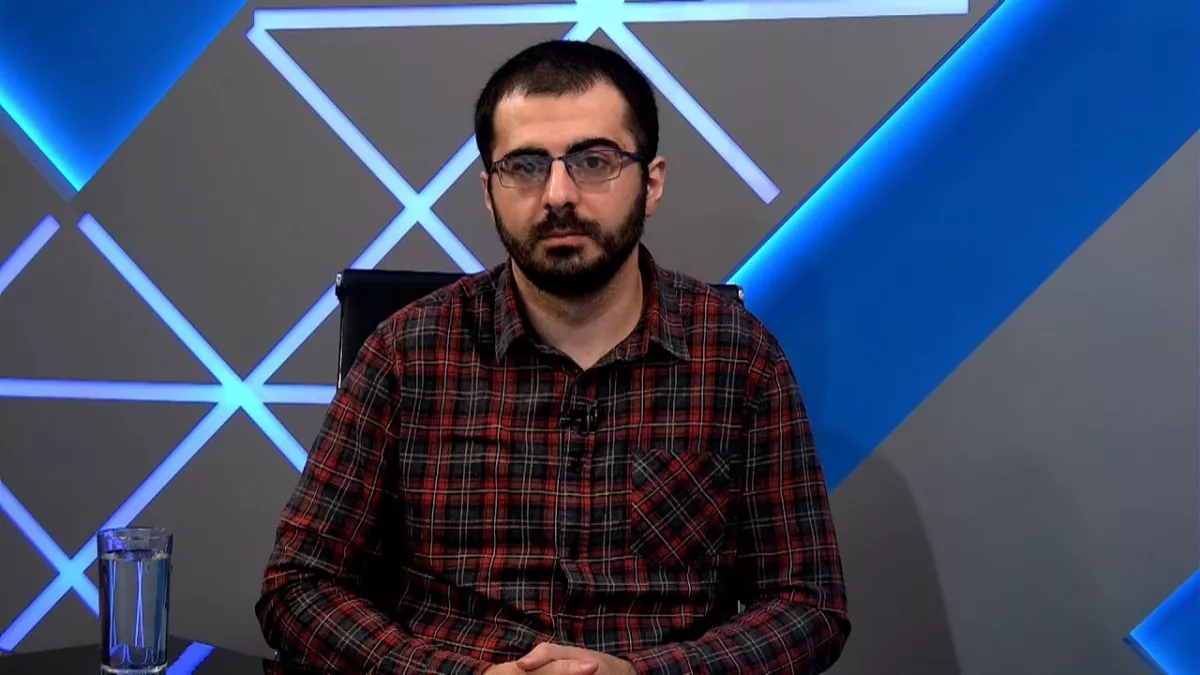
Associate expert of the Security Policy Research Center and Armenian Council expert Samvel Meliksetyan noted that, in his view, the current situation is even calmer than during the early parliamentary elections of 2021, which were held immediately after the Second Karabakh War.
“This is related to the restructuring of Armenia’s political space and changes in the methods of public political struggle. It is important to highlight several factors. First, in addition to media outlets supporting specific political forces, new publications have emerged that have agreed to jointly counter the wave of disinformation and hybrid attacks.
Armenia’s media landscape can be roughly divided into three groups: pro-government, neutral-independent (such as Factor TV and CivilNet, which adhere to the principle of balanced representation), and opposition outlets, which are more numerous in quantity.
The second important factor is the emergence of new threats — systemic hybrid attacks and information campaigns. At present, this process is organised in nature: fake materials are being created, and political statements—primarily those of Nikol Pashinyan and his supporters—are being distorted. There are suspicions of external interference, primarily from the Russian side.
In response, the European Union has approved a new partnership mission in Armenia aimed at combating hybrid threats, cybercrime, and illegal financial flows during the electoral process,” the expert noted.
Speaking about public sentiment, he emphasised that criticism of Pashinyan and harsh accusations against him are widely spread on social networks and in opposition media.
“However, this does not always reflect the position of the broader population. A significant part of Armenian citizens represents a ‘silent majority’ that is currently refraining from openly expressing its position.
At the same time, the government’s social policy in the pre-election period has somewhat increased the popularity of Pashinyan’s party. Despite the fact that more than a month remains until the elections and new waves of disinformation are possible, at present, this party appears to be the strongest.
The key question is what the result will be according to sociological surveys (for example, IRI): whether the party will gain a majority (50+1 per cent), whether the result will fall below that threshold, leading to the formation of a coalition or a second round, or whether the party will manage to secure two-thirds of the vote.
The last scenario is of fundamental importance in the context of normalising relations with Azerbaijan.
The Azerbaijani side raises the issue of the preamble of the Armenian Constitution, while Armenia has initiated the process of adopting a new constitution. In order to hold a constitutional referendum, the ruling force needs precisely a two-thirds majority in parliament. I am sceptical about the likelihood that Pashinyan’s party will be able to achieve such a result. Therefore, the key question remains how the peace process with Azerbaijan will proceed in the absence of a constitutional majority,” Meliksetyan concluded.







 editor@caliber.az
 +994 55 444-88-98
 Азербайджан, Баку, ул. Низами, 203, Af Business House, 5-й этаж