










US–China rivalry in global context: what awaits Trump’s Beijing trip? Foreign experts on Caliber.Az
The planned visit of the President of the United States, Donald Trump, to China in May is gaining increasing relevance and a certain subtext in light of developments in the Middle East.
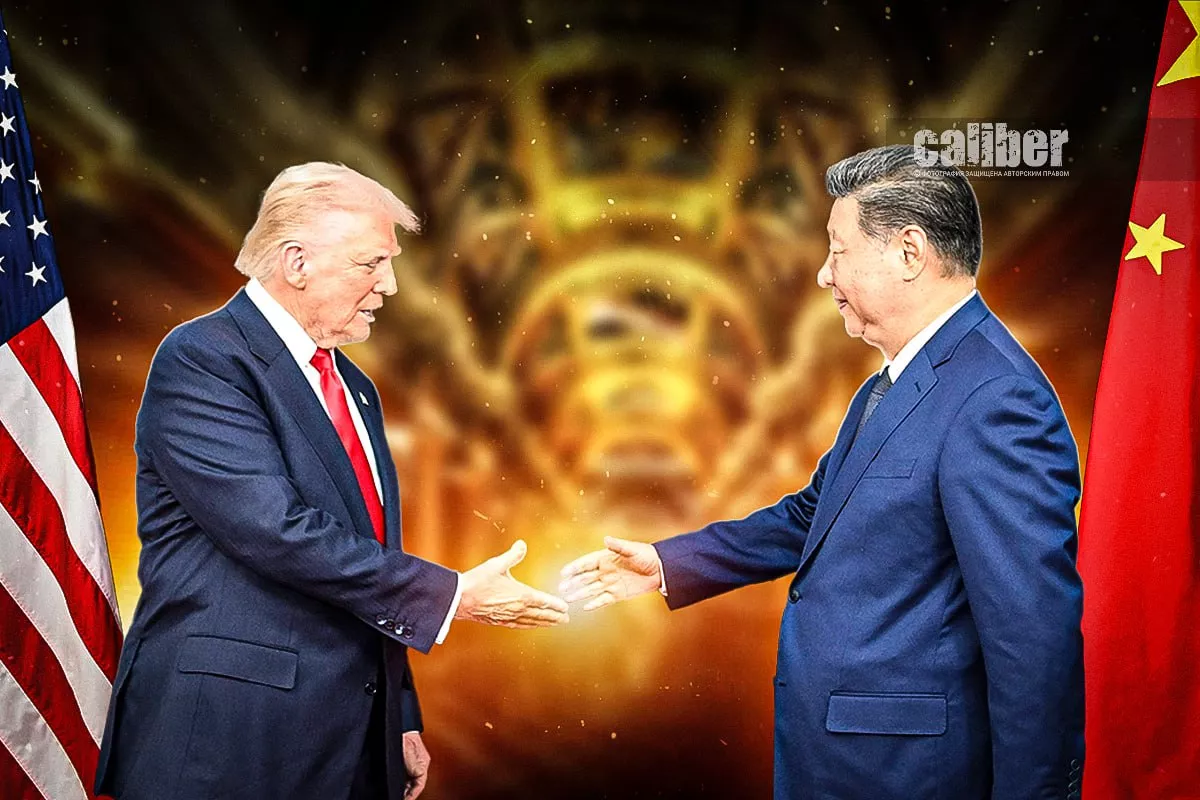
According to reports from several media outlets, there is an “increasingly visible remote presence of China in the Middle Eastern conflict zone, where Beijing is acting as a party providing both political and, according to US intelligence, military-technical assistance to Tehran.” Against this backdrop, the White House chief, in particular, stated that he had exchanged letters with Chinese President Xi Jinping regarding the issue of possible arms supplies from China to Iran.
“He's somebody I get along with very well, just wrote me a beautiful letter. He had responded to a letter I wrote, because I had heard China is giving weapons to [Iran]… I wrote him a letter asking him not to do that, and he wrote me a letter saying that, essentially, he's not doing that,” Donald Trump said.
In this context, it is quite expected that the US President’s May visit and the talks between the leaders of the two powers may have a significant impact on global geopolitics. What do experts in the analytical community think about this? Foreign international affairs experts shared their views with Caliber.Az on Washington and Beijing’s strategies and the objectives of Donald Trump’s upcoming visit to China.
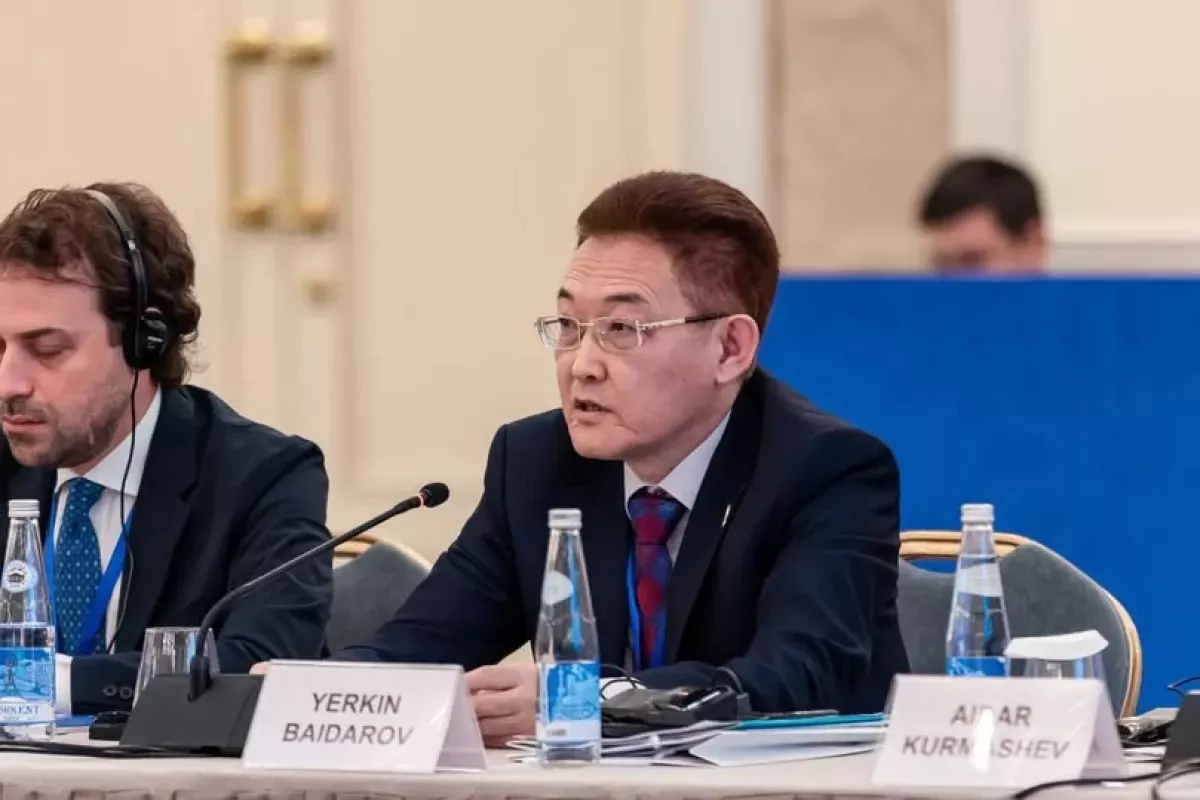
Kazakh political scientist, Doctor of Philosophy, Professor and Chief Research Fellow at the Center for China Studies and Asia-Pacific Region of the R.B. Suleimenov Institute of Oriental Studies, Erkin Baidarov, noted that the planned visit of the US president, which is expected to take place amid geopolitical turbulence and global uncertainty, is a subject of discussion among politicians, political scientists and economists alike, as it may provide answers to many questions left unresolved by the previous White House administration, as well as those arising from the policies of the current one.
“Donald Trump, by threatening to raise tariffs on Chinese goods, has, so to speak, added fuel to the fire of the trade war and the US–China confrontation. At the same time, many of his statements and decisions are not supported either by European allies or by neighbouring countries, for example Canada.
We see that the White House and its leader have become overly focused on the idea of reviving America, seeking to turn the world into a sphere of its own geostrategic interests, as was the case before. In addition, Trump’s statements about excellent mutual understanding with Xi Jinping are based on his meetings with the Chinese leader during his first term,” he said.
The political scientist also stressed that the escalation of the situation in the Middle East has triggered a rise in energy prices, and the resulting economic crisis has hit European countries, India, Australia and other states.
“If, for Israel, Iran is a ‘near enemy’ and an existential threat, then for Washington, Tehran is not only a potential ‘irritant factor’ for the American presence in the Middle East and, consequently, for US strategic interests in the region, but also an ally of its global competitor—China. In this context, the neutralisation of the Iranian regime is also linked to the prospect of changing Iran’s foreign policy vector towards Beijing, cutting off Iran’s oil ‘tap’ for China’s economy, and depriving China of the ability to use the transport corridors of the Belt and Road Initiative towards Europe, West Asia, and further into Africa,” the expert stressed.
However, according to him, Washington’s hopes that China would make a mistake under time pressure have not materialised. China not only held its traditional “Two Sessions” but also approved the plans for the 15th Five-Year Plan for 2026–2030: “Xi Jinping’s position has strengthened a year ahead of the 21st CPC Congress. As a result, amid the Middle East crisis, Beijing’s influence in the region has even increased: China’s assistance to Iran may not be very overt, but it exists. Moreover, China’s efforts to help resolve the conflict are finding support from Tehran. In this situation, in my view, China looks quite confident, remaining faithful to its principles in ensuring security not only in the region but globally.
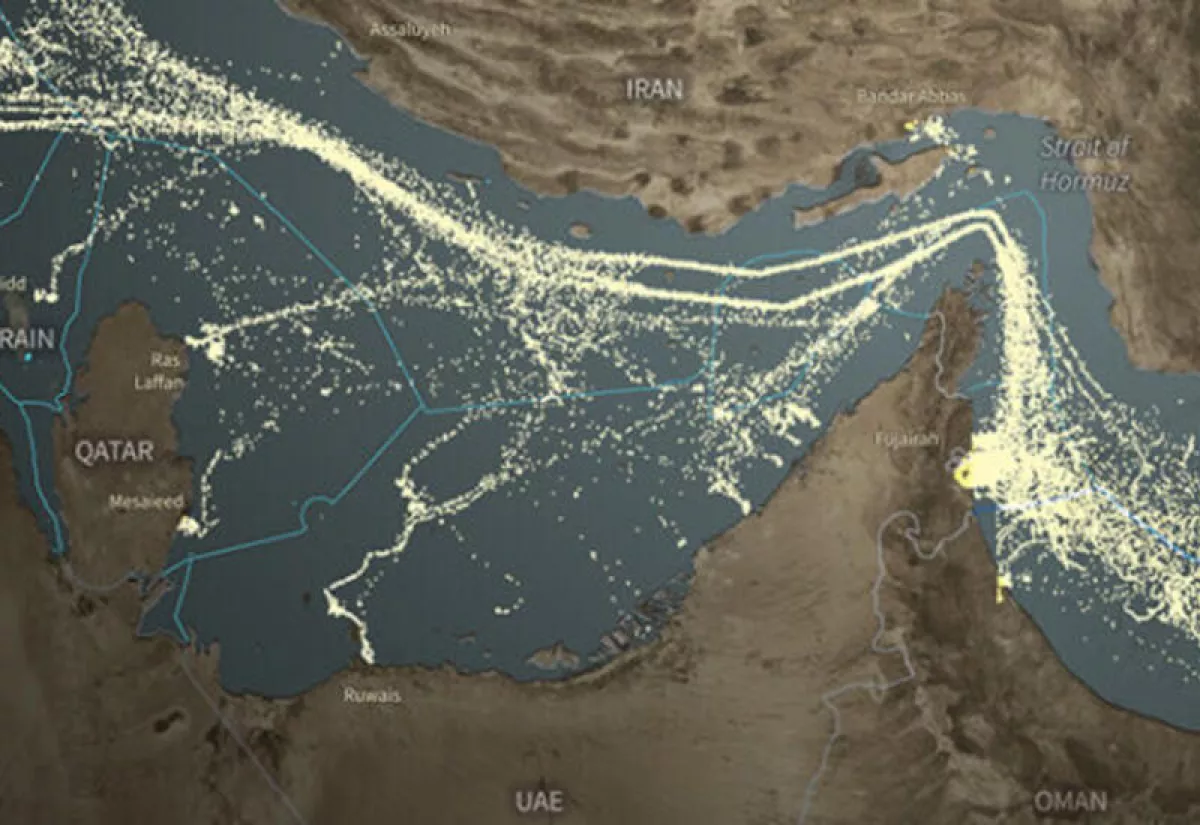
Whether Trump will actually visit China remains an open question for now. However, in light of a possible US naval blockade in the Strait of Hormuz, such a visit may not take place at all, as in this scenario Beijing could lose the initiative it currently holds—given that oil tankers bound for China benefit from certain preferential arrangements. As long as the threat of a blockade persists, Zhongnanhai (the official residence of the President of China – ed.) is unlikely to receive Trump. In addition, the Chinese side is more likely to host the White House chief only after the official visit of Russian President Vladimir Putin to China.”
As for the potential agenda of the talks, the expert believes it would be extremely broad.
“Trump’s visit to China, one way or another, will be linked to the situation in the Middle East—it is important for him to demonstrate the strength and power of the US military, capable of resolving strategic tasks quickly and decisively. Beijing, in turn, will act as an arbiter, calling for an end to military escalation and for all issues to be resolved at the negotiating table. Figuratively speaking, the ‘bad Uncle Sam’ and the ‘good Uncle Xi’ will discuss and defend their respective interests.
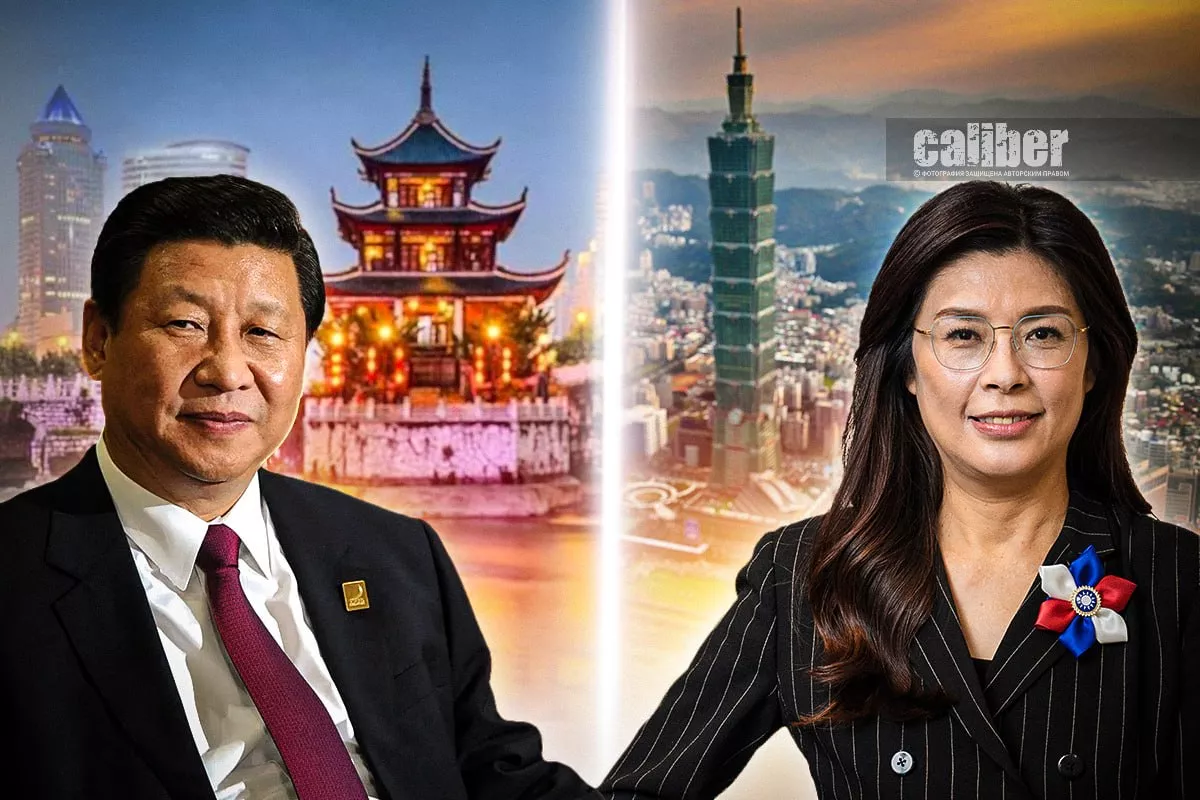
Of course, there will be issues related to US–China trade. The situation around Taiwan and the South China Sea may also be raised, since the visit to Beijing by the leader of the opposition Kuomintang partyCheng Li-wun, as well as the Philippines’ claims to Huangyan Island in the South China Sea, are likely to have attracted the attention of the American side. However, we can only speculate, and conclusions will be drawn only after the visit. In any case, a meeting between the two leaders in Beijing is of great importance and will, to some extent, help clarify what to expect in the future.
Regarding China, it can be said that its strategy is reflected in the decisions and documents of the recent ‘Two Sessions’, which outline goals and tasks for the next five years: by its 100th anniversary in 2049, the PRC is to become a ‘powerful, modernised socialist state.’ This concept envisions the completion of the ‘great rejuvenation of the Chinese nation,’ transforming the country into a global leader in innovation, technology, and quality of life.
Intermediate stages will be the 15th and 16th Five-Year Plans, through which Beijing aims to achieve ‘socialist modernisation,’ becoming a technological, educational, and economic superpower with the largest GDP. Thus, the struggle for global leadership between the United States and the People’s Republic of China will continue,” concluded Baidarov.

In turn, Georgian political scientist, Doctor of Military and Political Sciences, Professor and Orientalist Vakhtang Maisaia stressed that Donald Trump’s visit to China had been planned long ago and is not formally connected to current developments in the Middle East. However, it is quite clear that the agenda of the meeting will inevitably go beyond protocol matters and will touch upon sensitive international issues.
“I believe the Middle East will be the primary topic of discussion, as the United States has accumulated certain questions for China, including regarding possible Chinese assistance to Iran—both in terms of arms supplies and the transfer of intelligence and technical information. In essence, this concerns the possibility that such support may have increased the effectiveness of Iran’s air defence and missile defence systems in countering Israeli and US forces,” he noted.
The expert also drew attention to the broader strategic context in which US–China rivalry is developing, shifting from a regional agenda to global military competition:
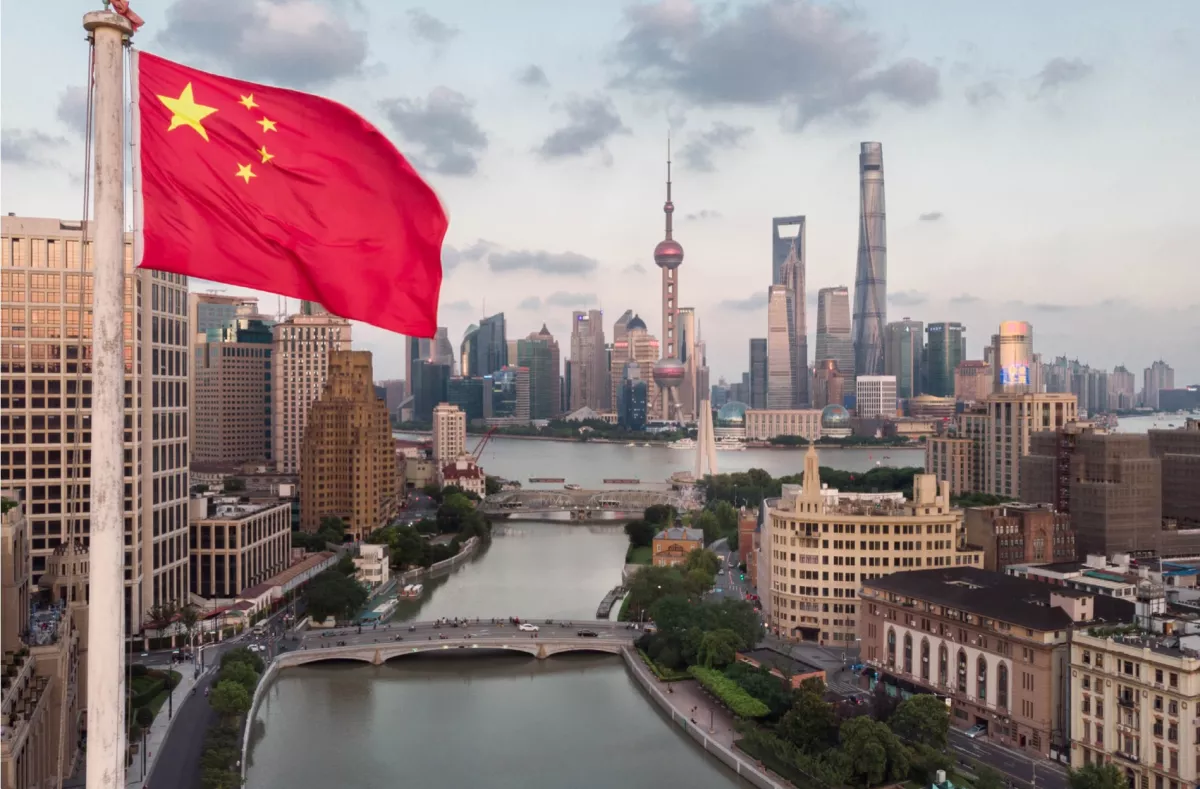
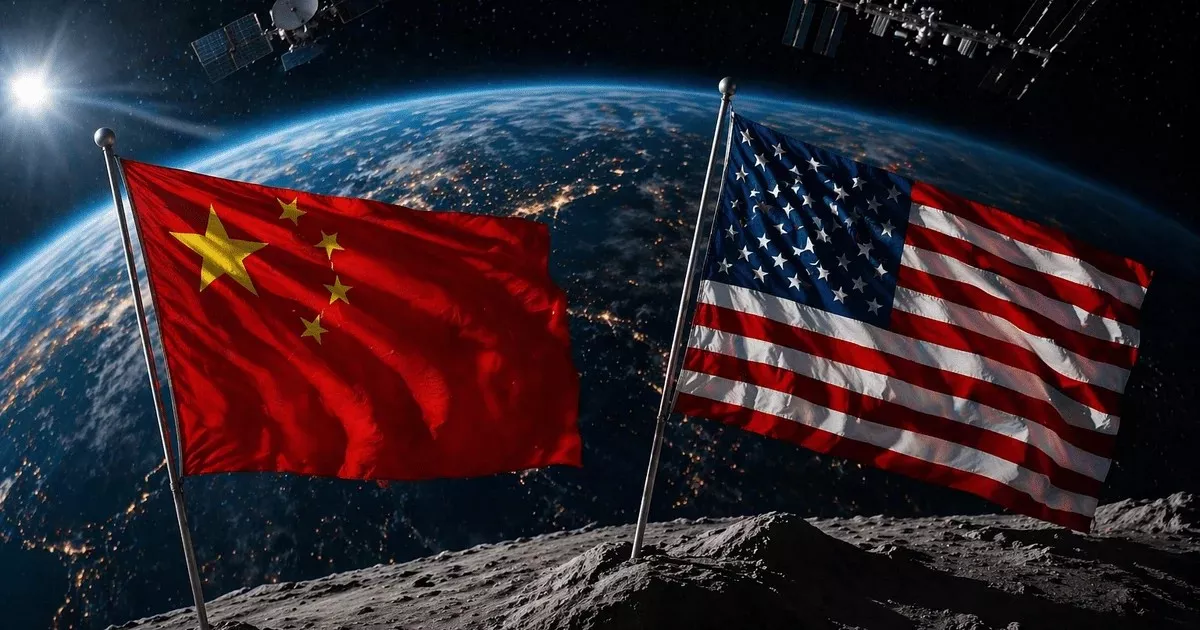
“In the US strategy, Donald Trump has directly identified China as a de facto military rival, if not a military adversary of the United States. This creates a completely different level of tension and, of course, additional points of friction that will also be discussed during the visit. Moreover, we can already speak about an emerging strategic arms race between the US and China, including competition in the lunar programme and space exploration from both military and geostrategic perspectives.”
At the same time, the expert highlighted the paradoxical nature of relations between the two powers, where confrontation coexists with deep interdependence:
“The United States is to a certain extent dependent on China, especially in terms of rare earth metal supplies, as well as within the framework of overall trade turnover, which remains extremely high. Roughly speaking, a significant share of Chinese exports—around 40%—is directed to the US market. Thus, an interesting situation emerges: in geostrategic and geopolitical terms, Washington and Beijing act as rivals, but in geo-economic and foreign trade dimensions there are far more points of convergence than disagreements.”
According to the political scientist, it is precisely this contradiction that will push Washington toward a more flexible approach, meaning the White House will seek to combine pressure and dialogue.
“I think Donald Trump will try to strike a balance in relations with China and is likely to choose the same strategy he applied during his first presidency in relation to North Korea and Kim Jong-un. This is a flexible policy: on the one hand, latent military pressure, and on the other, active use of diplomatic tools in order to prevent China from becoming a fully-fledged, de facto hostile adversary of the United States. It will be a reactive strategy focused on finding common ground and minimising the risks of direct confrontation,” he noted.
In conclusion, the professor outlined in more detail the range of issues that, in his view, will become central in the talks between the leaders of the two countries.
“During the negotiations, key issues will undoubtedly be raised: first of all, the Taiwan question as the main point of tension; secondly, the containment of North Korea as a nuclear state, so that this factor does not evolve into a kind of ‘Iranisation’ in the context of regional security in the Asia-Pacific region. I also believe that the parties will discuss the development of common approaches toward Russia, as this issue remains an important element of global politics.
And, what is particularly interesting, it is not excluded that Trump may propose to China a format of joint space programmes, for example, Mars exploration—similar to the ‘Soyuz–Apollo’ project implemented during the Cold War under Richard Nixon. In my view, these will be the core topics of the negotiations, and it remains to be seen how China will respond to such initiatives and what form the reception of Trump in Beijing will take,” concluded Maisaia.







 editor@caliber.az
 +994 55 444-88-98
 Азербайджан, Баку, ул. Низами, 203, Af Business House, 5-й этаж