










USA — Israel — Iran: A Ceasefire with a hidden agenda? Expert opinions on Caliber.Az
The announced two-week ceasefire in the Middle East conflict could gain a more solid contractual basis at the planned meeting between the United States and Iran in Pakistan’s capital, Islamabad. At the same time, both Washington and Tehran are inclined to view the temporary truce as their own personal victory in the confrontation.
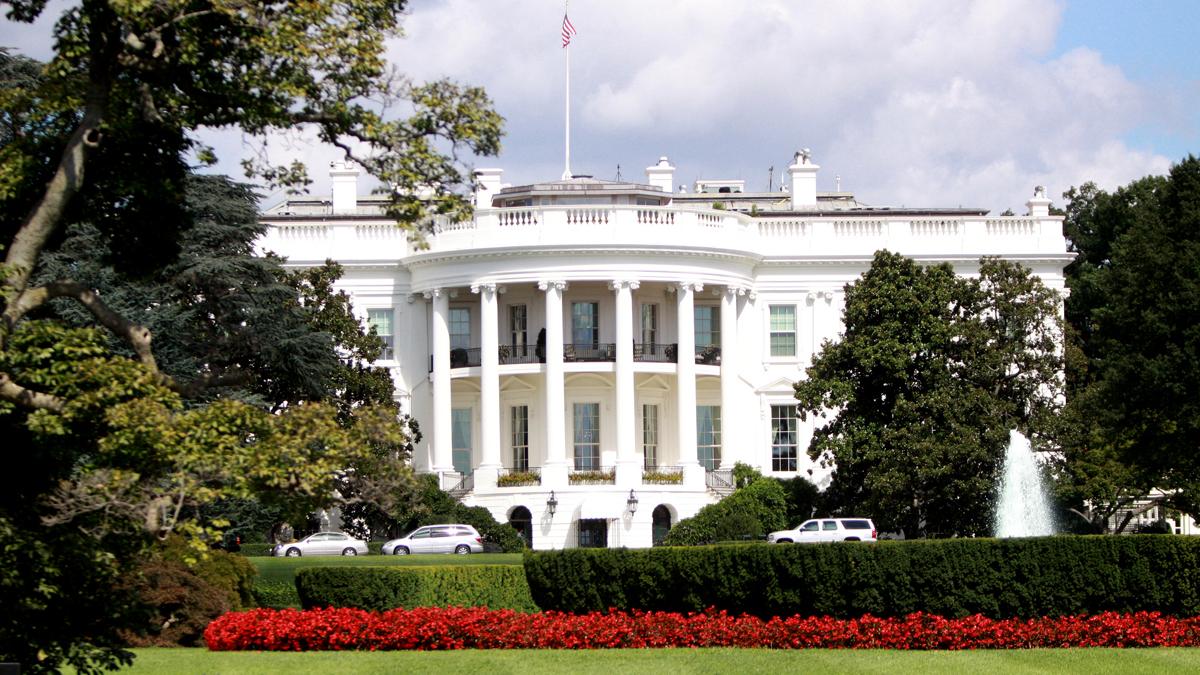
For example, U.S. President’s Press Secretary Karoline Leavitt noted in a post on X that “The success of our military created maximum leverage, allowing President Trump and the team to engage in tough negotiations that have now created an opening for a diplomatic solution and long-term peace.”
Meanwhile, Iran is also emphasising its success in the conflict. In particular, a statement by the Supreme National Security Council of the Islamic Republic of Iran notes that the Republic “achieved a great victory and forced the United States to accept a 10-point plan,” which includes demands such as non-aggression guarantees for the Islamic Republic, control over the Strait of Hormuz, recognition of Tehran’s right to uranium enrichment, lifting all sanctions, and payment of reparations.
Meanwhile, the majority of the international expert and analytical community believes that if Washington were to actually accept the package of conditions presented by Iran, it would nullify all the objectives previously set by the United States and Israel in the Middle East conflict.
So, what are the prospects for the ceasefire? Will the parties to the conflict be able to reach any consensus on substantive issues? On the other hand, will Israel accept the results of the Islamabad negotiations? These questions are addressed by an American political scientist and an Azerbaijani expert on Iran for Caliber.Az.

In particular, political scientist and human rights advocate, former Executive Director of the International Helsinki Federation for Human Rights, Aaron Rhodes, does not consider the announced ceasefire a solid foundation for peace between the United States and the Islamic Republic of Iran.
“On April 7, President Trump threatened the Iranian regime that without reaching an agreement, ‘a whole civilization will die tonight, never to be brought back again,’ effectively promising to punish the Iranian people for the actions of a regime that has oppressed them for 47 years, using language that contradicts American values.
Moreover, the 10-point plan, which the White House now claims serves as the basis for negotiations, is nothing more than a maximalist list of demands by the Islamic Republic of Iran.
On the other hand, the ceasefire may only serve as a stage for resuming military operations and a window to catch one’s breath. For example, it gives Trump the opportunity to step back from his threats and additional time to prepare an attack on Iran, while Tehran gains time to strengthen its defences,” Rhodes stated.

At the same time, former Azerbaijani ambassador to Iran and Latvia, diplomat and political analyst Javanshir Akhundov, believes that there are no winners in this global Middle East conflict.
“The announced ceasefire, which emerged thanks to the mediation efforts of Pakistan, Türkiye, Saudi Arabia, and Egypt, and was finalised following talks between Chinese representatives and Iran’s leadership, seems to be a success. However, it should not be forgotten that it still needs to be officially documented and confirmed,” he said.
According to the diplomat, it can be concluded that many of the region’s geopolitical contours are set to change, as a new regional security system is now taking shape.
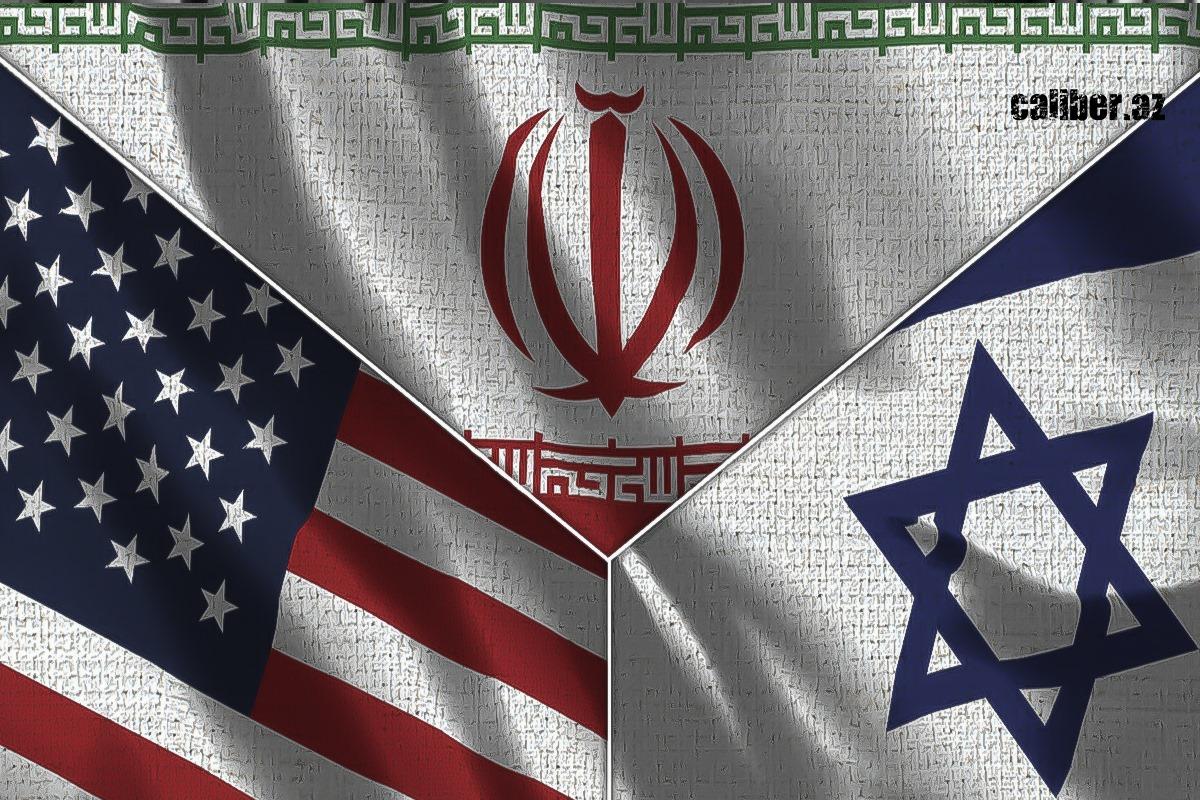
“The region’s military-political system is already undergoing a thorough reassessment. In this war, unfortunately, there are no winners. The United States has not achieved its objectives, and its political image has suffered significant damage, especially in the Gulf countries, which were not protected by the American military umbrella. Additionally, turbulence in the energy market has further undermined the credibility of U.S. foreign policy.
The Islamic Republic, in turn, has suffered enormous military and political losses. Its authorities failed to protect the country from American and Israeli aggression, as well as much of its elite—including Ayatollah Khamenei—from potential physical elimination.
Meanwhile, Israel also faced a tangible military blow: the country came under missile attacks.
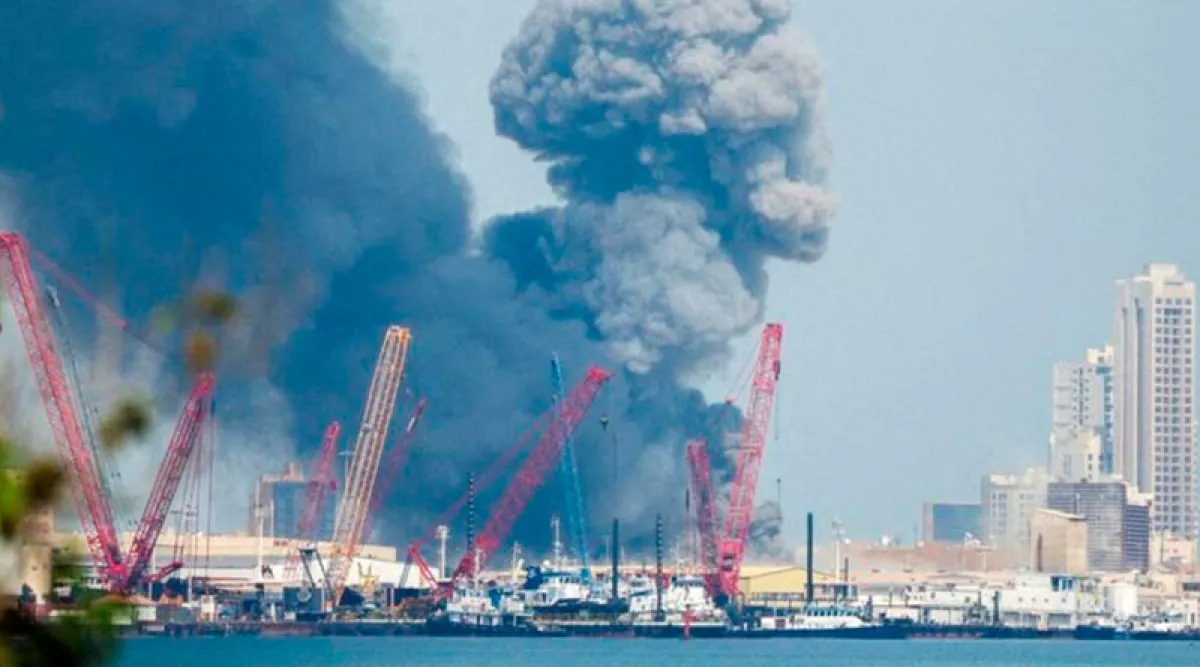
The Gulf countries have also suffered losses, enduring massive economic damage, and they will now fundamentally restructure their entire military-political security system and hydrocarbon supply infrastructure. These states have lost their image as centres of financial stability, and restoring it will be very difficult, just as re-establishing guaranteed LNG and oil deliveries to the global market will be.
Moreover, a ceasefire does not mean peace—each party has its own priorities. For example, Iran needs a breather to calm public opinion, organise the funeral of Ayatollah Ali Khamenei, and celebrate its victory over the United States and Israel.
At the same time, it must not be overlooked that once military operations fully conclude, both the leadership of the Islamic Republic of Iran and, likewise, the U.S. and Israel, will face claims and criticisms. The war is not over, the parties’ demands for a peace agreement remain undefined, and there are significant challenges ahead in the process of decision-making, which will depend on the will of elites and their understanding of the responsibility they bear toward their peoples,” Akhundov concluded.







 editor@caliber.az
 +994 55 444-88-98
 Азербайджан, Баку, ул. Низами, 203, Af Business House, 5-й этаж