










Iran’s power struggle: pragmatists vs security establishment Expert opinions on Caliber.Az
Iranian President Masoud Pezeshkian stated that Tehran should build dialogue with other countries “with dignity,” rejecting radical calls for a complete refusal to negotiate with the United States.
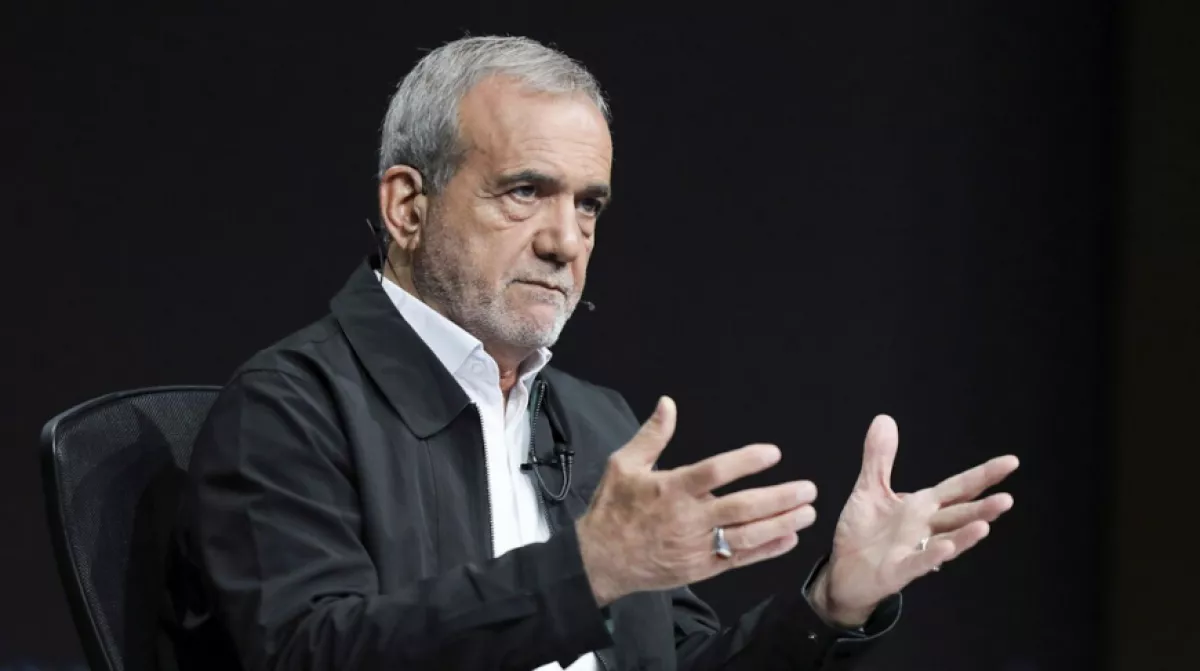
The refusal of dialogue, according to him, effectively amounts to a path toward endless conflict.
“If you do not talk, do you want to fight forever?” he said during a meeting with representatives of public relations services.
Pezeshkian also emphasised the need for more honest communication with the public, stating that it is wrong to create the impression of Iran’s complete success in contrast to the problems faced by its adversaries, as difficulties exist on both sides.
“They have problems, and we have problems too,” he added.
Against this backdrop, can the claim be considered valid that there is no unity of views within Iran’s leadership regarding the continuation of the conflict? Which side holds more influence within the ruling establishment? Is it possible that proponents of a more pragmatic approach will ultimately prevail, leading to progress in negotiations with the United States and reducing the likelihood of renewed escalation?
Caliber.Az invited well-known regional experts to address these questions.
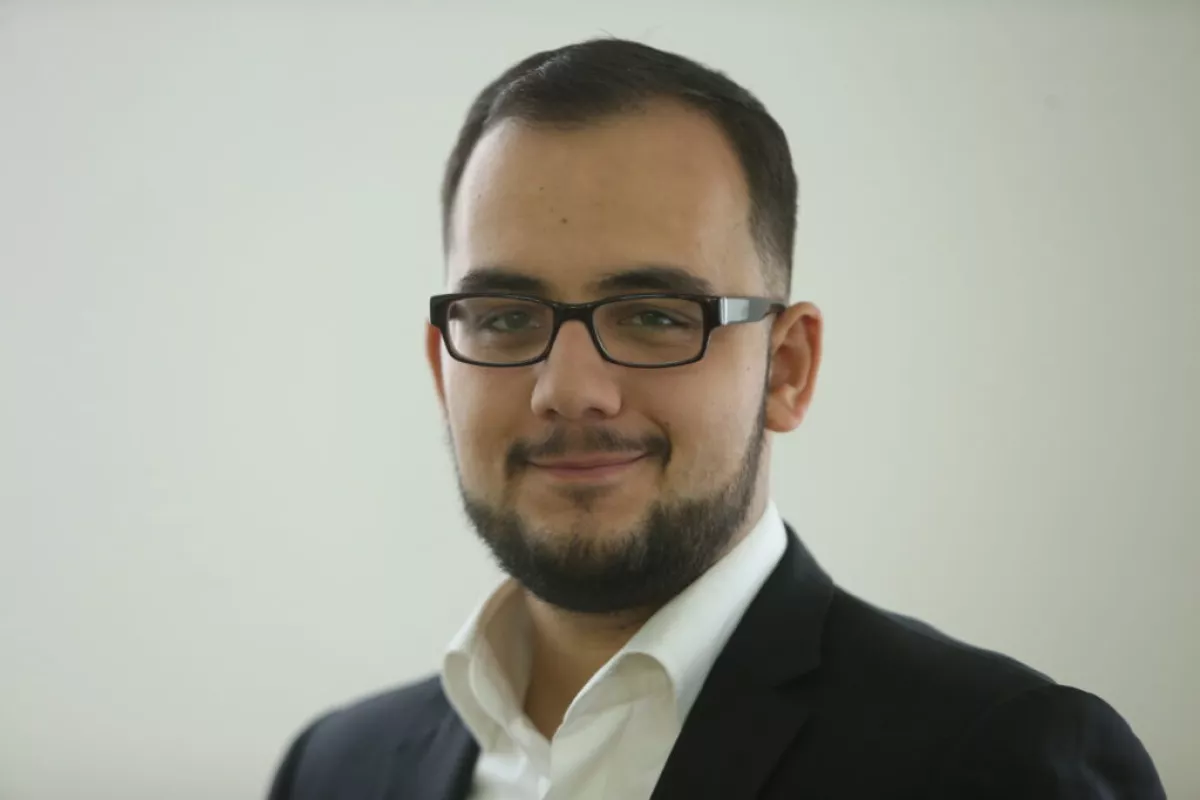
Iliya Kusa, an international relations and Middle East expert at the Ukrainian Institute for the Future think tank, suggested beginning with the question of unity within Iran’s leadership.
“There have always been internal political contradictions in the country, as Iran is politically heterogeneous: different groups compete with one another for power. Iran’s domestic politics remains divided between two major factions — reformists and conservatives — which explains the lack of a unified position.
It is quite likely that serious disagreements are taking place within the leadership on issues of war, negotiations with the United States, and other matters. At present, more resources are concentrated in the hands of representatives of national-conservative circles linked to the senior leadership of the Islamic Revolutionary Guard Corps. In my view, they are effectively running the country at the moment.
At the same time, supporters of a constructive approach, or pragmatists, have not completely lost their position. This is evidenced by the fact that Iran continues to engage in negotiations, while radicals oppose them or support only an ultimatum-based format.
However, the position of the pragmatists has weakened, as the war has strengthened the influence of the military leadership and hardline advocates. The Iranian leadership is not inclined to negotiate under pressure, and the arguments of the pragmatic wing are not being taken seriously, as they are viewed as a sign of weakness and mistrust. Therefore, it is difficult to say whether they will prevail in the future,” the expert noted.
If a new stage of the war begins and the positions of the radicals weaken, the voices of the pragmatists may once again be heard, but for now, no such trend is visible, he added.
“At the moment, I think the resumption of war is quite likely, since neither the United States nor Iran is inclined toward compromise. This is evident both in their public statements and in the proposals they exchange and publish in the media.
However, I would not completely rule out the scenario of reaching a political deal. In fact, I believe that in the end this entire situation will conclude with some form of agreement. At present, it is essentially a struggle over the terms of that deal and over who will achieve a political victory.
One thing is the military phase of the conflict, and another is the current stage, where the struggle is about post-war settlement. At this point, different factors come into play, mainly political in nature,” Kusa believes.
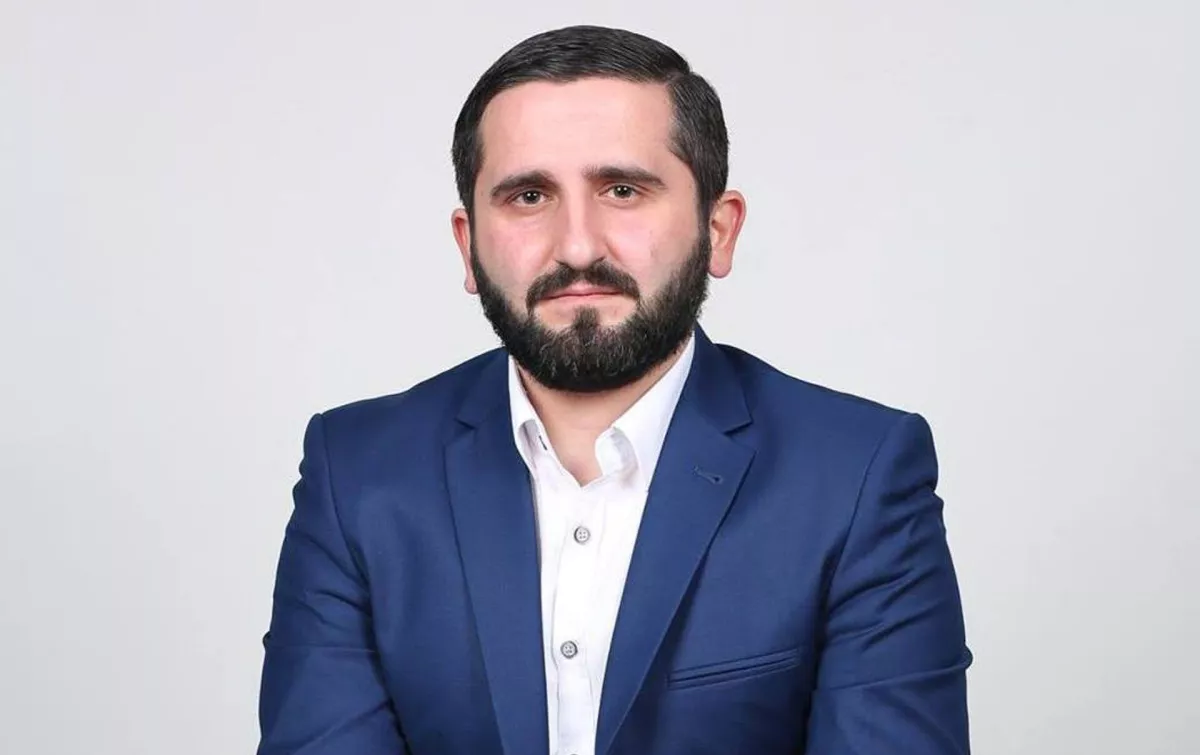
As stated by Middle East specialist and Georgian political scientist Vasily Papava, Masoud Pezeshkian’s speech represents an open acknowledgement of deep disagreements within Iran’s ruling elite regarding the country’s future political course.
“In a context where official propaganda has for years promoted the thesis of the inevitable collapse of Western adversaries, the president’s public remarks about Iran’s own serious difficulties sound like a radical step. This is not merely a call for a change in rhetoric, but an attempt to legitimise the very idea of dialogue with Washington, moving it from the category of ‘betrayal’ into the category of state necessity.
Pezeshkian is directly telling the radicals that the alternative to diplomacy is endless war, for which an exhausted country may not be prepared.
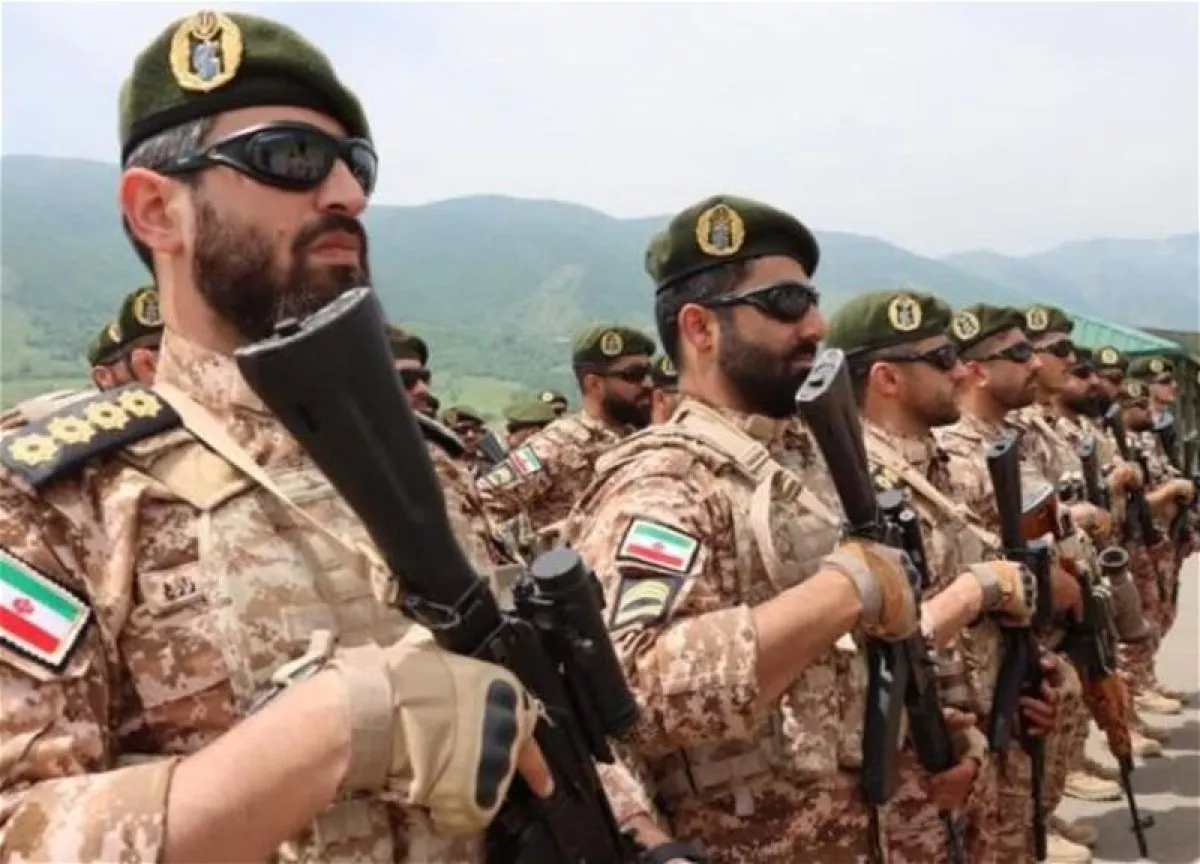
At the same time, it is precisely the Islamic Revolutionary Guard Corps that has historically acted as the main stabilising institution, providing Iran with a strong security foundation that allows the president to conduct foreign policy discussions from a position of strength rather than capitulation. With its unique status, the IRGC effectively performs the function of preserving the sovereignty of the Islamic Republic, protecting its state institutions from external interference and colour revolutions. In the Iranian context, the Corps is not merely a security body, but a core pillar of statehood, consolidating society around the idea of national independence.
Nevertheless, even this powerful security framework cannot fully conceal the growing intra-elite debate over the country’s future development paths. On the contrary, it is precisely against the backdrop of such a rigid and well-established system of coordinates that the current statement by the head of the executive branch appears particularly symptomatic.
This position of the president clearly demonstrates that there is no consensus within Iran’s leadership on key national security issues. The existence of this divide between the so-called pragmatic technocrats and the ‘hawkish’ faction confirms that the post-war reality is forcing the authorities to search for new points of support. However, when analysing the balance of power, it must be acknowledged that real levers of control remain concentrated in the hands of the radical wing, represented by the IRGC and conservative clerical establishment. The president’s powers in Iran’s political system are traditionally limited to executive functions, while strategic decisions on the nuclear program, regional conflicts, and relations with the United States remain the exclusive prerogative of the Supreme Leader and the security structures subordinate to him,” the expert explained.
According to him, the likelihood that supporters of a constructive approach will prevail and achieve sustained progress in negotiations remains low, though it cannot be fully ruled out.
“The key factor in favour of compromise could be the critical state of the economy, aggravated by high inflation and latent social discontent. If pragmatists manage to convince the conservative establishment that continued hardline confrontation threatens the very survival of the Islamic regime, the security apparatus may temporarily step back and give the green light to tactical negotiations aimed at easing sanctions pressure. However, any progress in this direction will face strong counterpressure from the United States, which in turn will allow Iranian hardliners to block agreements at any moment, accusing the Pezeshkian administration of excessive concessions.
Such a scenario appears all the more realistic given that, in Iran’s modern history, the Islamic Revolutionary Guard Corps has repeatedly cracked down on reformist presidents when the security establishment deemed their actions ‘too dangerous’ for the ideological foundations of the republic.
The experience of the administrations of Mohammad Khatami and Hassan Rouhani clearly showed that as soon as civilian technocrats went too far in attempts to normalise relations with the West, the IRGC used its vast political and judicial leverage to roll back reforms. For the Corps, maintaining strict internal control and loyalty to the principles of the revolution has always remained an absolute priority, outweighing any short-term economic gains from diplomatic compromises. Therefore, even today, any steps taken by Pezeshkian’s team will remain under close scrutiny by the security establishment, which is ready at any moment to veto decisions it considers a threat to the stability and sovereignty of the Islamic system,” Papava concluded.







 editor@caliber.az
 +994 55 444-88-98
 Азербайджан, Баку, ул. Низами, 203, Af Business House, 5-й этаж