










Bulgaria against Brussels’ script Expert opinions on Caliber.Az
The victory of the Progressive Bulgaria party, led by former president Rumen Radev, calls into question Europe’s unity in supporting Ukraine, with The Telegraph reporting that Bulgaria’s new leader could assume the role once played by former Hungarian Prime Minister Viktor Orbán in challenging EU cohesion.
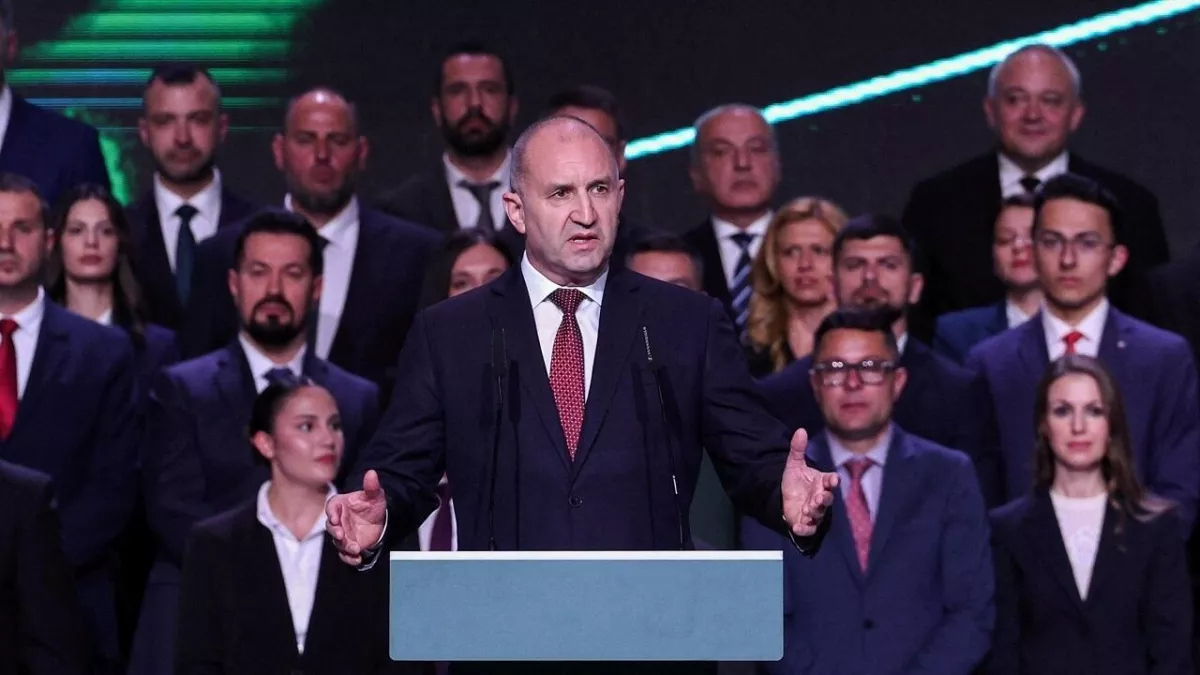
The publication stresses that such a development would be the “EU’s worst nightmare,” as Radev’s potential to undermine European unity on Ukraine raises serious concerns. The authors note that following Orbán’s departure from office, Radev could become the leading voice among those sceptical of the Ukrainian authorities. He may use Bulgaria’s veto power to delay aid to Kyiv or block EU sanctions against Russia.
The article emphasises that Brussels has grounds for such concerns, as Radev has repeatedly opposed military assistance to Kyiv and called for peace negotiations with Russia.
How dangerous is the emergence of a politician like Radev at the helm of Bulgaria—a member of both the EU and NATO—for the European consensus on supporting Ukraine? Can we expect that, under Russian influence, he might obstruct, for instance, EU budget financing for Ukraine? Or are there reasons to believe he will refrain from such steps?
Well-known political analysts shared their assessments on this issue with Caliber.Az.
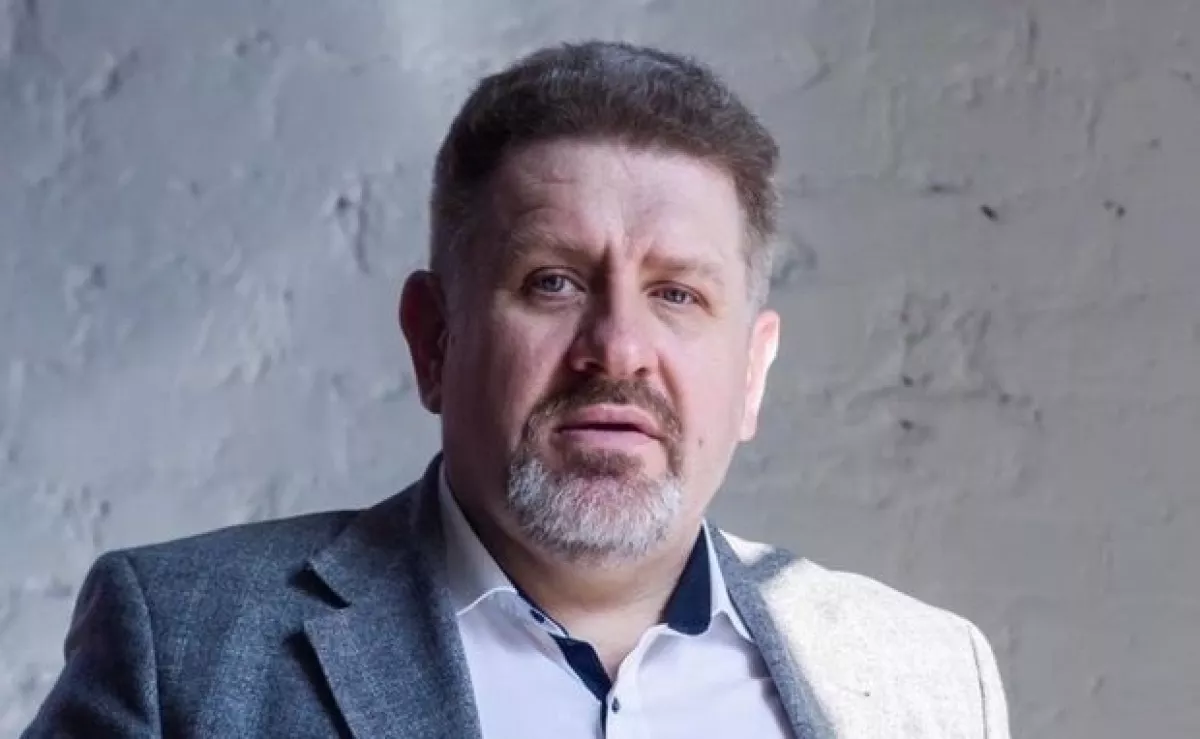
Konstantin Bondarenko, head of the Ukrainian Politics Foundation, analyst and historian, believes it is too early to draw conclusions based solely on the victory of Radev and his party in Bulgaria.
“Radev has repeatedly demonstrated pragmatism in politics, and his pro-Russian rhetoric during elections may shift along with changes in the political situation. Psychologically, Radev does not resemble Viktor Orbán, and his party is not similar to Fidesz. Rather, it is more likely that Radev will negotiate with Brussels on every issue related to Russia and Ukraine, seeking certain concessions for Bulgaria.
In political terms, attention should be paid to the trend emerging in Central Europe, which may lead to unpleasant consequences for Brussels: the region is becoming increasingly unpredictable. A victory over Orbán could turn out to be a Pyrrhic one for Euro-bureaucracy,” Bondarenko noted.
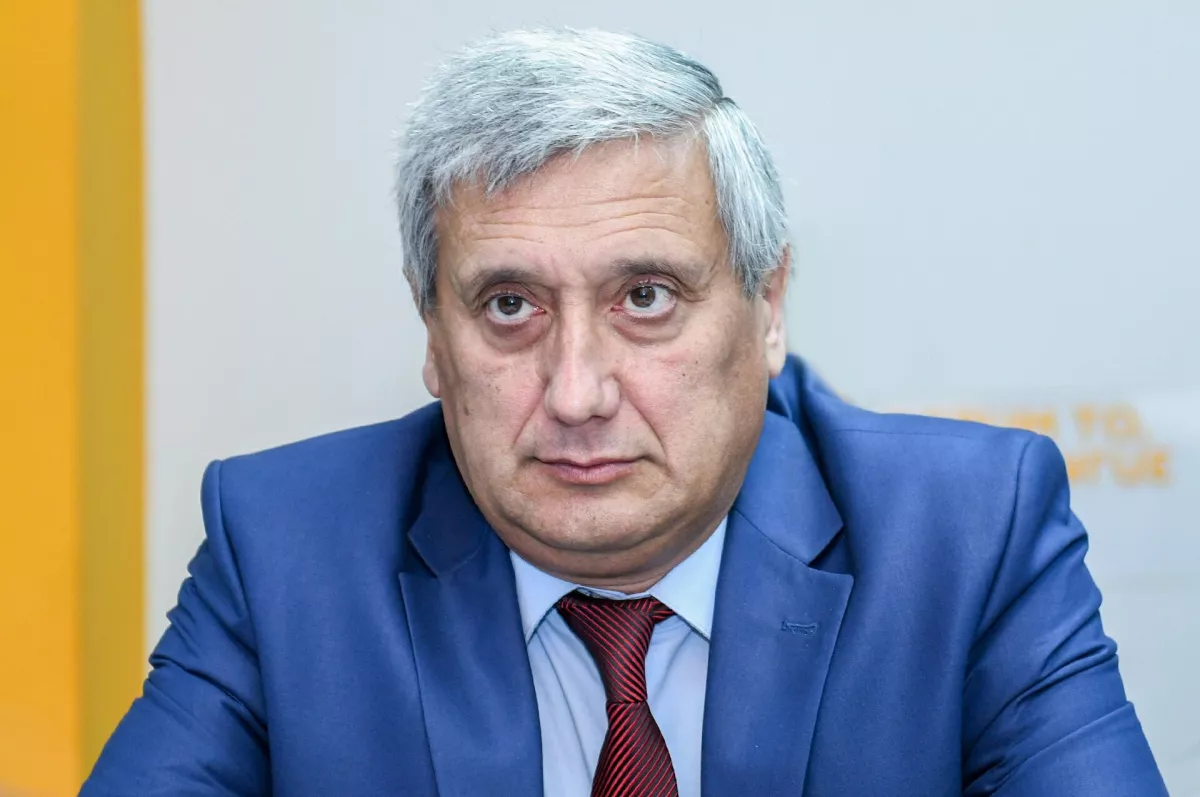
Geopolitical expert Sahil Iskandarov believes that the victory of Progressive Bulgaria, led by Rumen Radev, is undoubtedly an unexpected and unpleasant surprise for Brussels’ Euro-bureaucracy.
“Just a week ago, they were celebrating the victory of a supposedly anti-Russian politician in Hungary — Mr. Magyar. And against the backdrop of that euphoria, in Bulgaria a party and a figure aspiring to the post of prime minister has won, who has long been calling for a ‘voice of reason’ and the restoration of normal relations with Russia.
In this context, it is also worth recalling last year’s presidential elections in Romania. At the end of 2024, through the efforts of Euro-bureaucracy and a Constitutional Court decision, the results of the elections in which Călin Georgescu, considered a pro-Russian politician, had won were annulled. After a series of political manoeuvres, Brussels ensured that a pro-European politician, Nicușor Dan, became president.
What has been happening inside the European Union over the past year is highly indicative: Russia today acts as a factor that simultaneously provokes both disintegration and consolidation within the EU.
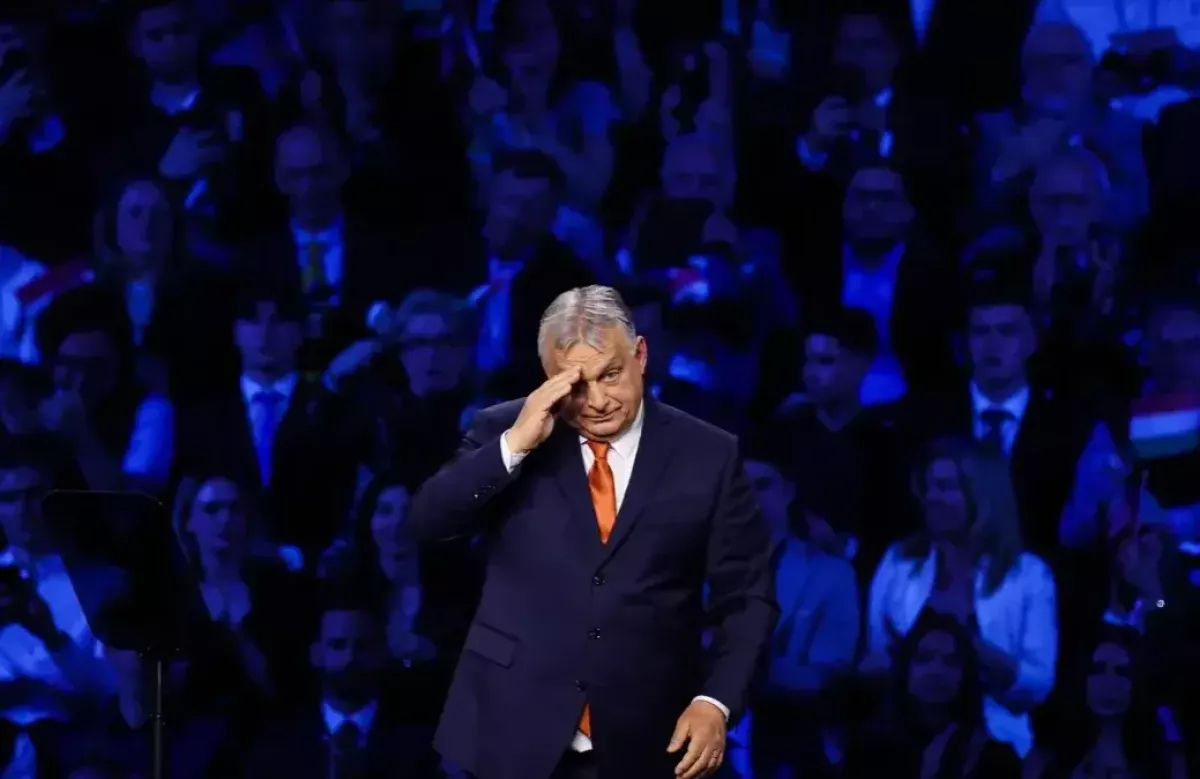
Viktor Orbán, who served as Hungary’s prime minister for 16 years, is stepping down, but his successor, Magyar, is not necessarily expected to take the opposite position on the Ukraine issue or on matters of financing. The euphoria over Magyar quickly faded: he has already made support for aid to Ukraine conditional on his demands regarding loans and arms deliveries. In this respect, he is not much different from Orbán.
If Orbán justified his actions by referring to the suspension of oil flows via the Druzhba pipeline and demanded €30 billion from the EU, Magyar went even further: when discussing a €90 billion aid package for Ukraine, he raised Hungary’s demands to €60 billion. Those who expected a 180-degree shift in Hungary’s policy were mistaken,” the expert noted.
Against the backdrop of uncertainty over the future course of the Hungarian prime minister, the victory of Rumen Radev’s party in Bulgaria casts serious doubt on the allocation of €90 billion in aid to Ukraine, Iskandarov continued.
“It should not be forgotten that a similar position is held by Slovak Prime Minister Robert Fico.
Bulgaria is likely to try to play its own game, sabotaging aid packages and arms deliveries to Ukraine in order to negotiate concessions for itself. It is a mistake to label Orbán, Fico, or Radev purely as pro-Russian politicians — they are rather pro-Hungarian, pro-Slovak, and pro-Bulgarian. They skillfully use the current situation to gain benefits primarily for their own countries. These states seek access to cheap energy resources from Russia to support their economic development and defend national interests.
Brussels, meanwhile, is demonstrating a hard line, refusing concessions and demanding support for Ukraine. But if it makes concessions to one country, others will follow suit.
The factor of Moscow’s influence should also not be ignored, as it is actively working through proxy forces, especially in Eastern European countries.
The internal split within the European Union raises doubts about the willingness of member states to allocate large-scale assistance to Ukraine. It remains unclear which countries are truly ready to sacrifice the interests of their taxpayers.
The victory of forces led by Rumen Radev is a serious signal for the Euro-bureaucracy. Time will show in which direction the situation will develop.
For Ukraine, this is also an important lesson: it should not rely entirely on external partners. In difficult moments, it must depend primarily on its own resources. Overinflated expectations may lead to serious disappointment,” Iskandarov concluded.







 editor@caliber.az
 +994 55 444-88-98
 Азербайджан, Баку, ул. Низами, 203, Af Business House, 5-й этаж