










Moscow vs Yerevan: echoes of a verbal clash Expert opinions on Caliber.Az
After a period of relative thaw, relations between Moscow and Yerevan, judging by Russian statements, have once again begun to deteriorate rapidly.
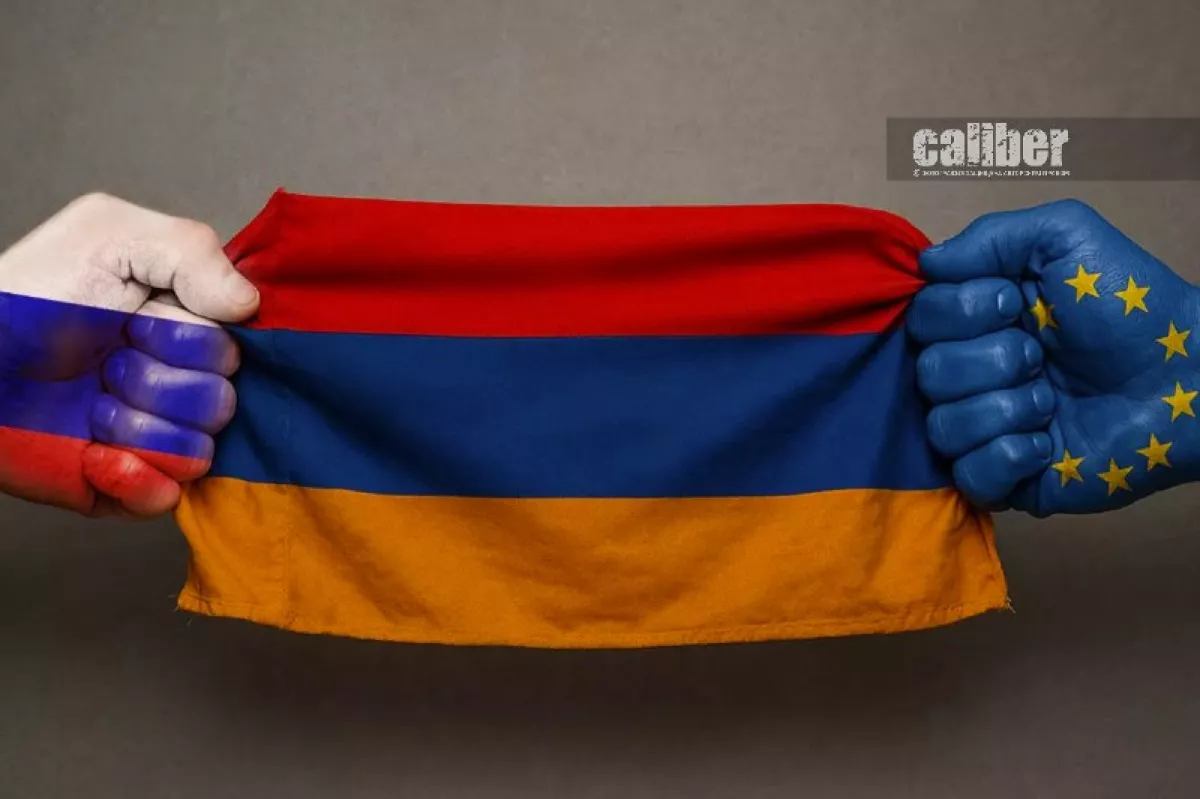
According to Russian Foreign Ministry spokesperson Maria Zakharova, the Armenian prime minister has broken his promise not to take hostile steps against the Russian Federation: “The leadership of Armenia, during recent visits to Moscow, assured us that it would not take any steps against Russia. If this is how assurances are treated, then it is not only in Moscow and not only with Russian citizens that the Armenian leadership behaves this way, failing to keep its promises.” She also explained that by signing the final declaration of the Armenia–EU summit, Pashinyan agreed that Yerevan is being increasingly drawn into standards and mechanisms that are alien to the republic.
However, the matter did not remain limited to statements alone. Armenia’s ambassador to Moscow, Gurgen Arsenyan, was summoned to the Russian Foreign Ministry, where, according to sources, a “rather tough conversation” took place. In turn, Russia’s ambassador to Armenia, Sergey Kopyrkin, stated that “the aggressive remarks made by Zelenskyy (in Yerevan, at the EPC summit — ed.) towards Moscow provoked not only a sharp warning from the Russian Defence Ministry but also misunderstanding within Armenian society.”
So, what can be expected from the further rhetoric of the parties? How severe could a further escalation between Moscow and Yerevan become? Armenian and Russian experts answer these questions for Caliber.Az.

According to Robert Gevondyan, an expert at the Armenian Council research centre and PhD in political science, it should be borne in mind that Armenia is currently in an electoral period, and Russia has its own interests in this process. Therefore, Moscow is escalating tensions as much as its resources allow, and doing so across all dimensions of hybrid pressure on Yerevan.
“Russia is attempting to exert pressure, and this pressure will intensify up to the elections in Armenia. In principle, this was to be expected, and I hope that the Armenian authorities have taken such a possibility into account and will not escalate the conflict with the Russian Federation. Why? Because starting from June 8, when the election results become clear, Moscow will once again move towards normalising relations with the Armenian authorities, since losing Armenia is extremely undesirable and strategically disadvantageous for it. Thus, after the elections, the Russian side will most likely be ready to work with Pashinyan’s team, although at present it is doing everything to ensure his defeat in the elections,” said Gevondyan.
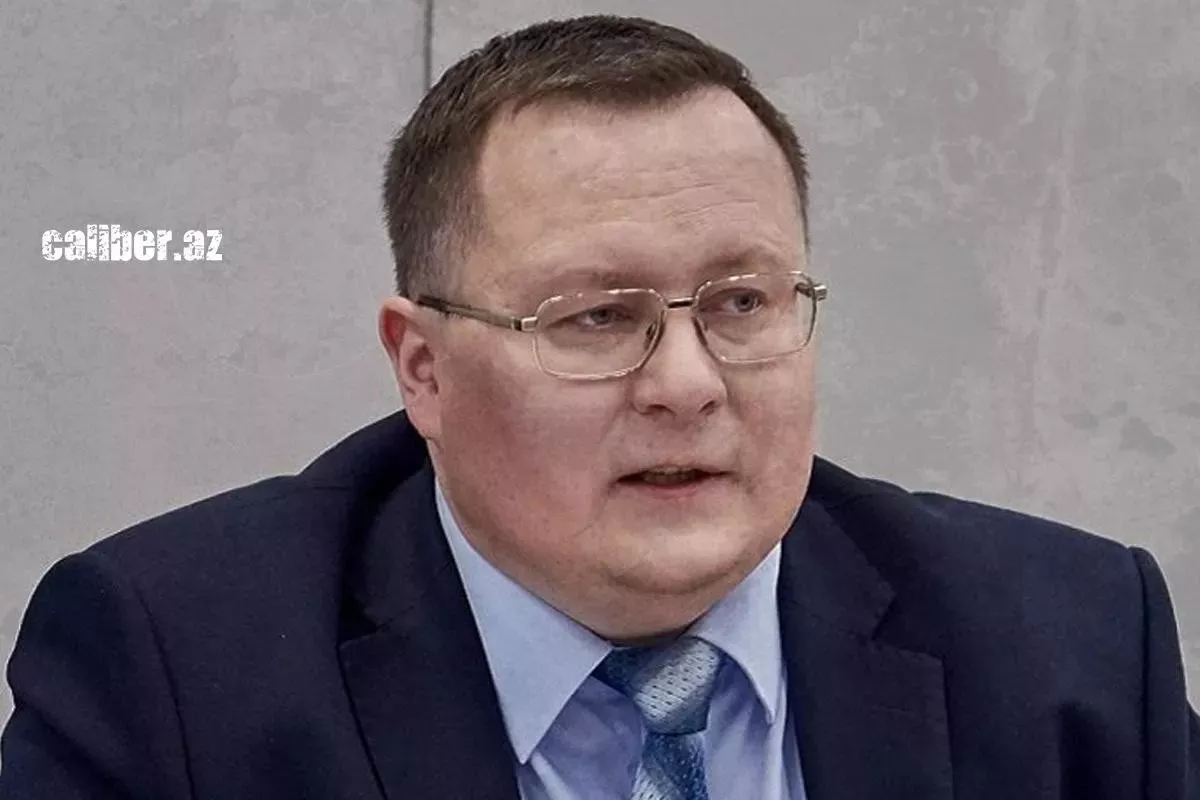
In turn, Russian Eurasia expert Alexander Razuvaev believes that Russia’s reaction to Armenia’s actions in the future will remain relatively calm, similar to its response to Moldova’s shift toward the European Union or Romania—though the latter case, he noted, is still somewhat unclear.
“For the Russian economy, Armenia—despite the presence of Russian business and mobile communications—means very little, as does its military-political significance. It is far more beneficial for us to maintain good relations with Azerbaijan. Yerevan will most likely formally withdraw from the CSTO and the Eurasian Union, but its policy will sooner or later change anyway and become more pragmatic, like Georgia’s, which, despite all grievances, is now building normal relations with Russia.
As for the Armenian lobby in Russia, which has always been very strong—arguably since the era of Catherine the Great—my view is that after what has happened, it will somewhat lose its influence. Overall, I believe Yerevan should not orient itself toward the West but instead maintain good relations with its neighbours. If Armenia chooses to move toward NATO, then its problems will arise not so much with Russia as with Iran. And it should be taken into account that Tehran has already demonstrated that it deals with such issues very firmly,” Razuvaev concluded.







 editor@caliber.az
 +994 55 444-88-98
 Азербайджан, Баку, ул. Низами, 203, Af Business House, 5-й этаж