










NATO blocks new Ukraine aid plan: no funding as war continues Expert opinions on Caliber.Az
Several major NATO countries have blocked NATO Secretary General Mark Rutte’s initiative to increase military assistance to Ukraine, informed sources told The Telegraph.
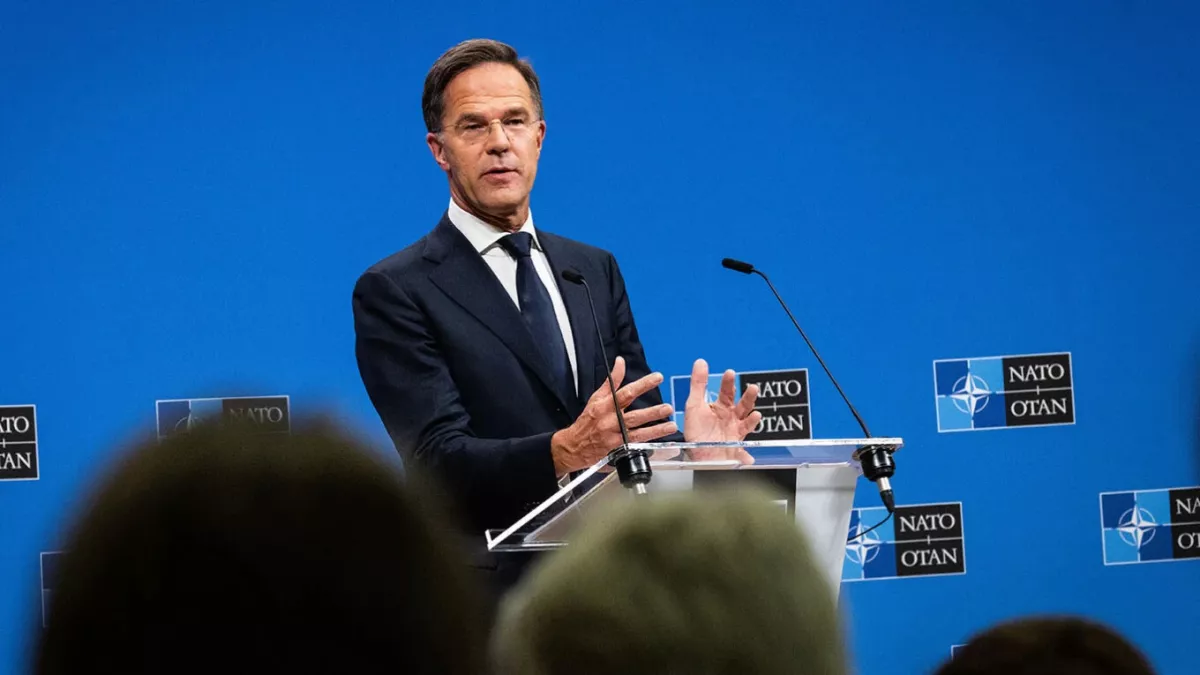
Mark Rutte proposed that allies allocate 0.25 per cent of their GDP annually to support Kyiv; however, this idea was opposed by the United Kingdom, France, Spain, Italy, and Canada.
At the same time, at least seven NATO member states that are already spending more than 0.25 per cent of their GDP on aid supported the proposal. Among them are the Netherlands, Poland, as well as the Baltic and Scandinavian countries. However, NATO decisions are made on the basis of consensus.
The Secretary General of the Alliance was expecting to approve the plan for additional support to Ukraine at the NATO summit, which will take place in July in Türkiye. If the initiative were approved, annual military aid could effectively triple and amount to $143 billion, Politico previously calculated based on an estimate of the combined GDP of NATO countries.
Previously, Rutte had repeatedly noted that aid to Kyiv “is not evenly distributed” among NATO countries and that many are “not spending enough when it comes to the support for Ukraine.” The head of the Alliance emphasised that Europe should take on more responsibility and not rely on the United States in this matter.
The idea of allocating 0.25 per cent of GDP to Ukraine was first put forward by Ukrainian President Volodymyr Zelenskyy in the summer of 2025.
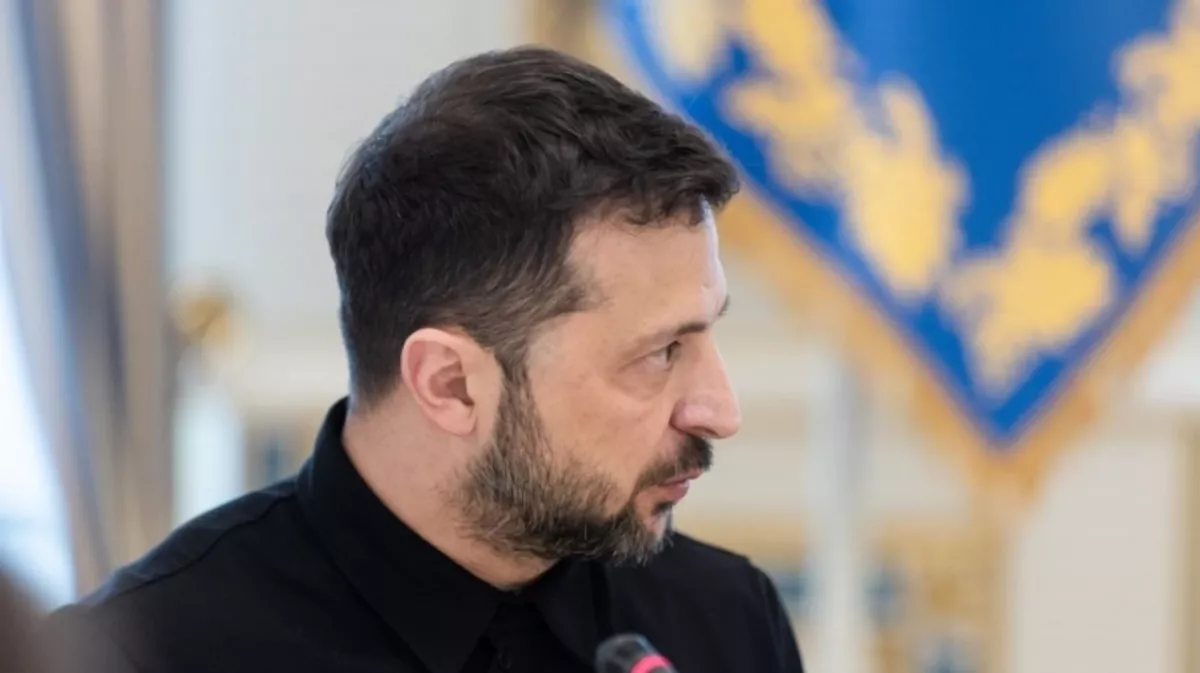
“Ukraine is part of Europe's security and we want 0.25% of the GDP of a particular partner country to be allocated for our defence industry and domestic production,” Zelenskyy said at the time.
In 2025, Kyiv received $45 billion in military aid from its partners. This amount included weapons purchases for the Armed Forces of Ukraine and investments in Ukrainian defence enterprises.
Previously, Rutte noted that Europe and Canada spend €1 billion per month on purchasing weapons for Ukraine from the United States under the PURL program. This mechanism was launched in the summer of 2025 after U.S. President Donald Trump refused to provide Kyiv with non-repayable aid. Under the program, the Ukrainian side compiles a monthly list of required weapons, which are then purchased from the United States by European countries.
In 2026, European countries plan to provide Kyiv with weapons worth more than $15 billion, as reported by Rutte.
Why, then, did five major NATO countries refuse to support this initiative? Is their own security too costly for them? Is it not clear that by strengthening Ukraine’s military capabilities, they are thereby distancing the prospect of their own involvement in this war?
Ukrainian experts shared their views on these issues with Caliber.Az.
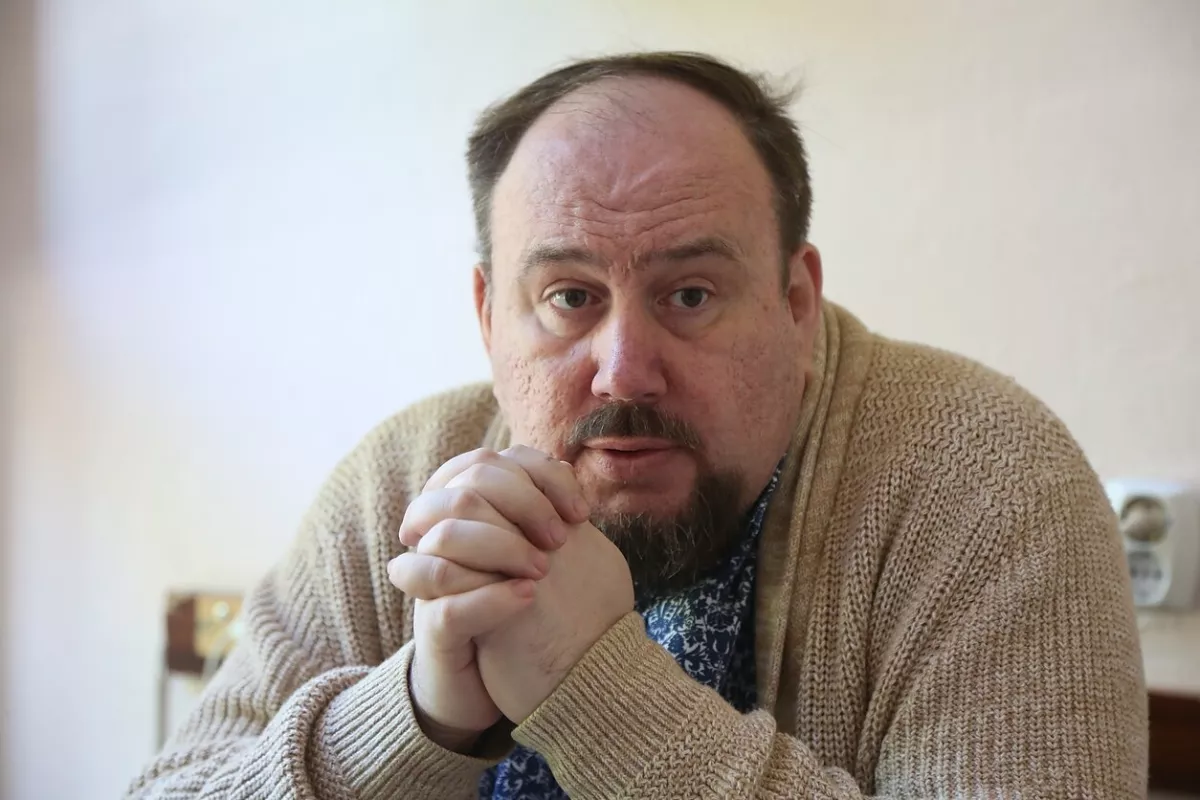
Ukrainian military expert and historian Mykhailo Zhirokhov believes that the level of support for Ukraine directly correlates with whether a particular country shares a border with the Russian Federation.
“Countries that most strongly support Ukraine are the Baltic states and Poland. In Poland, there is a clear understanding that in the event of any conflict, they would be the first in the path of Russian armies.
The political factor is also becoming more important: in a number of European countries, right-wing forces are coming to power, which is a worrying signal. For example, in the United Kingdom, recent local elections have shown a shift in the political climate: politicians are increasingly less supportive of Ukraine. This is linked to the belief that possessing nuclear weapons protects the country from direct conflict with Russia.
As for other countries, such as Spain, it is relatively poor, and its society is not ready to increase military spending. Spain also has its own position: for example, during the recent war with Iran, it even refused the United States access to its military bases. Helping Ukraine, first of all, is something it cannot afford, and secondly, such an initiative is not welcomed by society,” Zhirokhov explained.
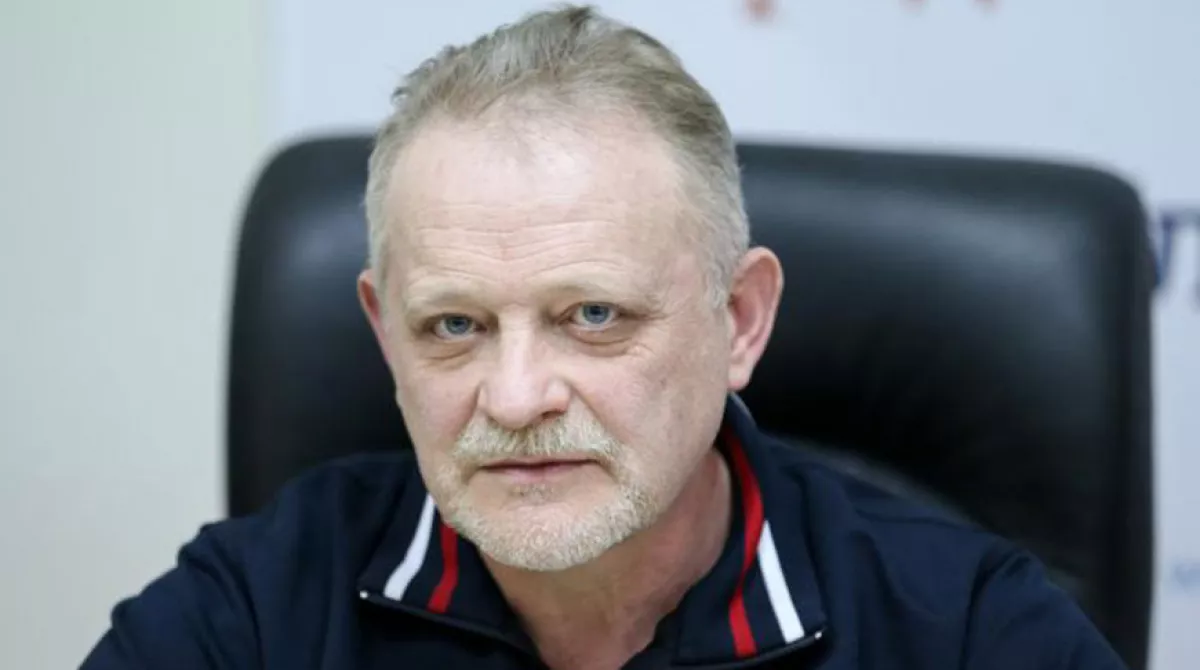
Ukrainian political strategist and head of the analytical centre “Third Sector,” Andrei Zolotarev, notes that this is not the first time serious disagreements have arisen among European partners of Ukraine regarding the scale and level of support.
“One can recall how, back when Olaf Scholz was German Chancellor, he reproached Emmanuel Macron for insufficient support for Ukraine: at that time, France had allocated less than €5 billion, while Germany had provided €27 billion.
Different NATO and EU member states have different perceptions of whether Russia poses a threat. For the Baltic states, Poland, Finland, Norway, and Denmark, this threat is quite tangible, whereas Spain is much more concerned with issues such as illegal migration and the criminalisation of society, rather than the likelihood of an armed confrontation with Russia.
There is a noticeable difference in approaches: one thing is making grand statements about values and the need for joint resistance, and quite another is moving to regular payments.
The United Kingdom has been the most consistent in calling for continued war support, but in practice, things are more complicated. This can be seen in the case of the €90 billion loan to Ukraine. If at the beginning of January this amount was a manageable burden, the outbreak of war with Iran became a ‘black swan’ event for European economies. In a situation where petrol costs €2.05 per litre in Italy, finding funds for Ukraine has shifted from the realm of the possible to the realm of the difficult.
If previously, Hungary’s Orbán was blamed for blocking aid, now there are demands to first carry out reforms and restructure the system of governance. This can be described as a ‘polite refusal.’ Although the proposal to allocate €145 billion annually for military aid and budget support is quite rational and feasible for Europe, for Ukraine it would become a lifeline,” the analyst said.
The Ukrainian economy is destroyed, he continued, and in the 2026 budget, there is a $55 billion hole — the difference between the state’s revenues and expenditures.
“This gap has to be covered somehow. Turning on the money-printing press would lead to inflation, while selling off foreign exchange reserves would result in a severe financial catastrophe. Around $30 billion from that same $90 billion loan could have softened the inevitable problems in the second half of 2026, but the Europeans did not even agree to such a rational solution.
The problem is that loud statements often diverge from real actions. Even the question of increasing contributions — for example, to 1–2 per cent instead of 0.25 per cent, which could solve many problems — is not being discussed at the moment.
At present, Germany provides the largest military and financial support to Ukraine. Poland follows, mainly through the supply of weapons and military equipment. In terms of financial assistance, Norway stands out.
Denmark also deserves attention, as it has transferred virtually its entire artillery fleet to Ukraine — a regiment of French-made Caesar self-propelled howitzers.
However, in a number of other countries, progress is slow and inconsistent. The Netherlands, which awarded Zelenskyy the ‘Honour and Freedom’ prize, has been debating for three years the delivery of Dutch F-16 fighter jets to Ukraine, which are being replaced by F-35s.
War, however, is something where weapons and money are needed here and now, not in some distant and uncertain future. And unfortunately, Rutte’s proposal to allocate 0.25 per cent of national budgets to support Ukraine — although quite reasonable — is not gaining acceptance, as the financial situation in European countries is far from favourable.
And, as we can see, financial problems turn into social ones, and social problems into political consequences. Examples include the defeat of the Labour Party by Nigel Farage’s Reform Party in Britain, or the 28 per cent support for the Alternative for Germany (AfD).
Therefore, the risk that financial aid to Ukraine will be portrayed as irresponsible spending of taxpayers’ money is now a limiting factor for European politicians.
And, of course, at the beginning of the year, no one took into account the prospects of the energy market situation and such a sharp rise in oil prices. At least in January 2026, no one had yet factored this in. Everything changed on February 28, when Trump launched an operation against Iran. That became the ‘black swan’ that altered virtually all calculations,” Zolotarev concluded.







 editor@caliber.az
 +994 55 444-88-98
 Азербайджан, Баку, ул. Низами, 203, Af Business House, 5-й этаж