










Middle East reset: can Trump expand the Abraham Accords? Expert opinions on Caliber.Az
The President of the United States, Donald Trump, continues to actively promote the expansion of the Abraham Accords, calling on various countries to join them in the very near future.
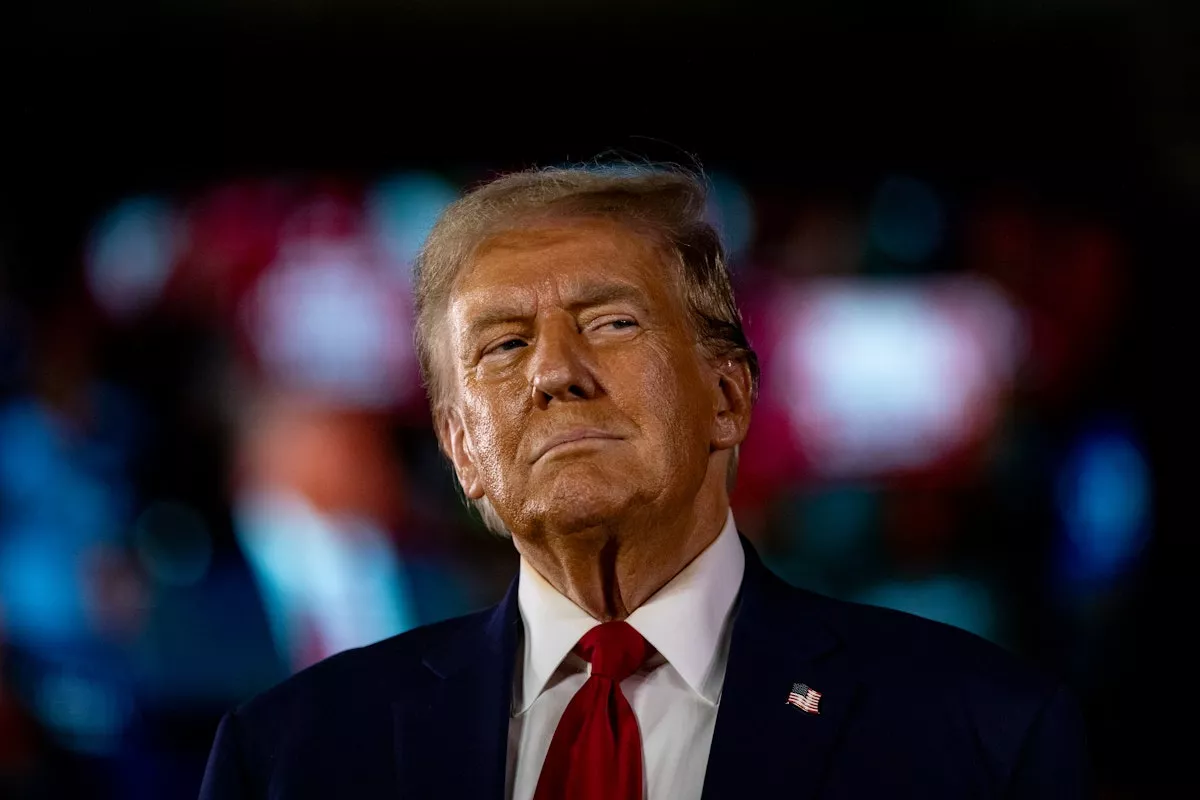
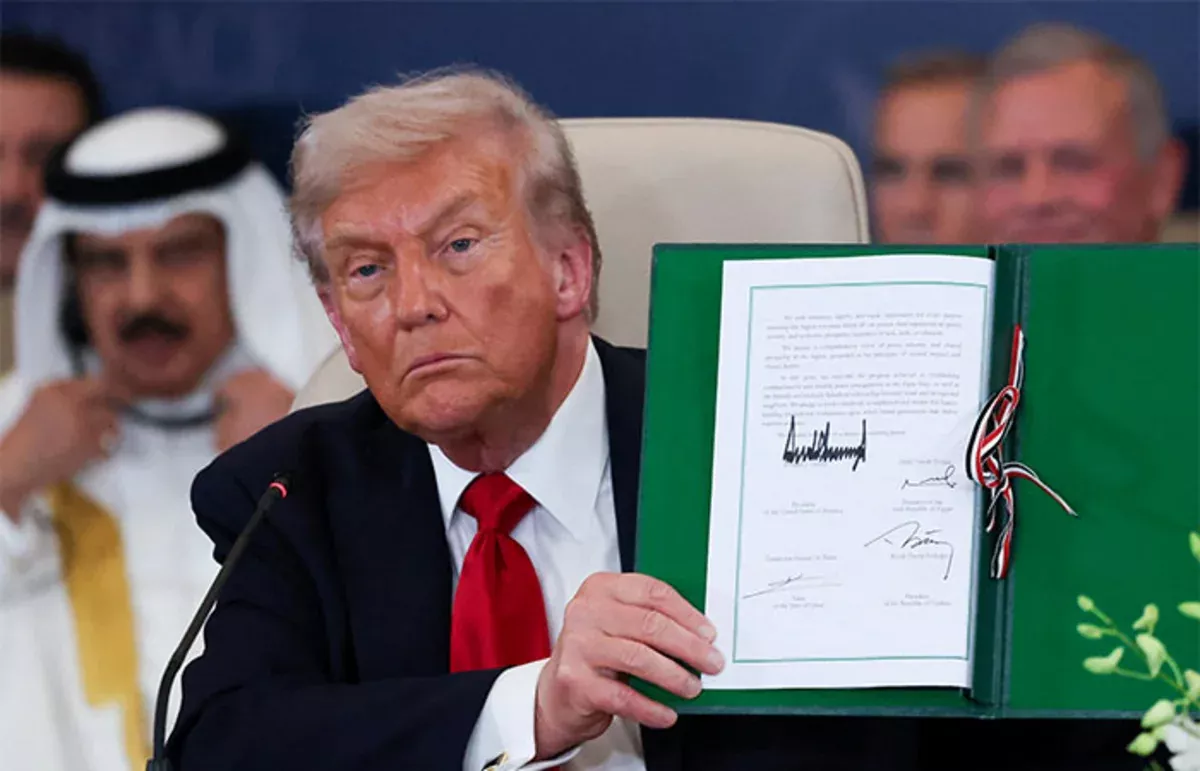
Speaking about the importance of signing these agreements, Trump noted that Saudi Arabia, Qatar, Pakistan, Türkiye, Egypt, and Jordan should join them: “It should start with the immediate signing by Saudi Arabia and Qatar, and everybody else should follow suit.” In his view, this will be the most important deal ever signed by these great but constantly conflict-ridden countries, and “nothing in the past, or in the future, will surpass.”
Overall, the US president’s proposal appears more like a “forceful request,” the refusal of which could “upset” Washington. However, countries such as Pakistan and Türkiye do not see themselves among the signatories of the Abraham Accords.
What do experts in the analytical and academic community think about Donald Trump’s initiative? How high is the likelihood of success for the accession of a whole group of countries, including Saudi Arabia, to the Abraham Accords in the very near future? Foreign political analysts and Middle East experts shared their views on this topic with Caliber.Az.

In particular, a political commentator of the Israeli television channel ITON.TV, Alexander Gur-Arie, noted that the Abraham Accords are a broad package of various documents that also include significant economic incentives, primarily trade benefits, as well as an important factor such as military cooperation.
“We remember that during the war last year, despite talk about the weakness of the agreements, many Arab countries took part in repelling Iranian attacks on Israel. The wave of harsh criticism of Israel comes mainly from Europe — Spain, Italy and other countries — while Arab states act differently. For example, Saudi Arabia, which holds a special status and influence in the Islamic world due to the presence of the main Muslim holy sites on its territory, expresses concern but without harsh rhetoric. Moreover, shortly before October 7, 2023, negotiations with Riyadh on joining the Abraham Accords were in the final stretch. This is exactly what Tehran feared most, which is why it pushed Hamas toward the attack,” he said.
The expert also stressed that the current war with Iran has, for the first time, demonstrated the importance of the Abraham Accords as a fully-fledged military alliance.
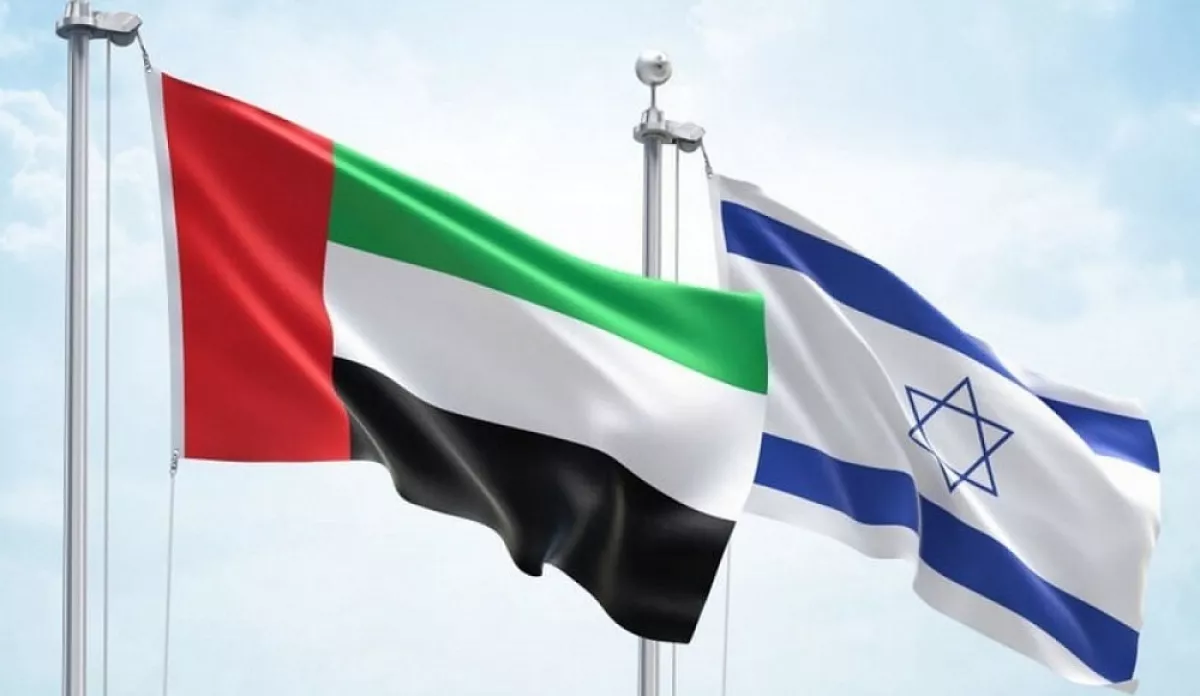
“The United Arab Emirates, in the first days of the war, received significant support from Israel, which deployed a battery of the ‘Iron Dome’ system to the country along with military personnel, as well as the latest laser system ‘Or-Eitan’. This was an unprecedented step, and Arab countries saw that the agreements are not fiction, but a genuinely functioning alliance. At the same time, it should also be noted that other countries are showing interest in the accords; in particular, Kazakhstan wants to join them, and this decision is already being discussed. Azerbaijan was also offered the option, but Baku believes that relations with Israel are already sufficiently close, so additional agreements are unnecessary.
Thus, the process of expanding the accords will continue, although it will not happen quickly, despite Trump’s ‘one-two’ pressure. It is quite likely that Jordan may join them in the near future. Saudi Arabia is still insisting on the start of normalisation with the Palestinians, but is not demanding the immediate creation of a Palestinian state. Rather, it is about a political statement from Israel.
Overall, the situation in the Middle East is entering a new phase, as the recent war with Iran has effectively reset regional relations. Thus, a new reality is forming in the region, directed against Iran. However, such processes do not happen instantly — the East, as is known, is a delicate matter, and the factor of time is crucial,” the expert stated.

In turn, Professor of Turan University, PhD in International Relations, orientalist and Kazakh political scientist Nurbolat Nyshanbayev believes that the US initiative has certain chances of success, but its implementation faces serious political obstacles, as the Palestinian issue remains the key factor and, after the Gaza war, has gained even greater importance for Arab states.
“Many countries of the Persian Gulf are not ready for the official normalisation of relations with Israel without progress on the creation of a Palestinian state. Therefore, in the short term, one can expect a gradual expansion of cooperation rather than a large-scale accession of new participants.
Saudi Arabia is the largest Arab economy and the custodian of the two holiest sites in Islam, which gives its position special weight in the Muslim world. Before the events of October 2023, Riyadh was actively negotiating with the United States and Israel on possible normalisation of relations, however at present the Saudi leadership continues to link recognition of Israel to progress in resolving the Palestinian issue,” he noted.
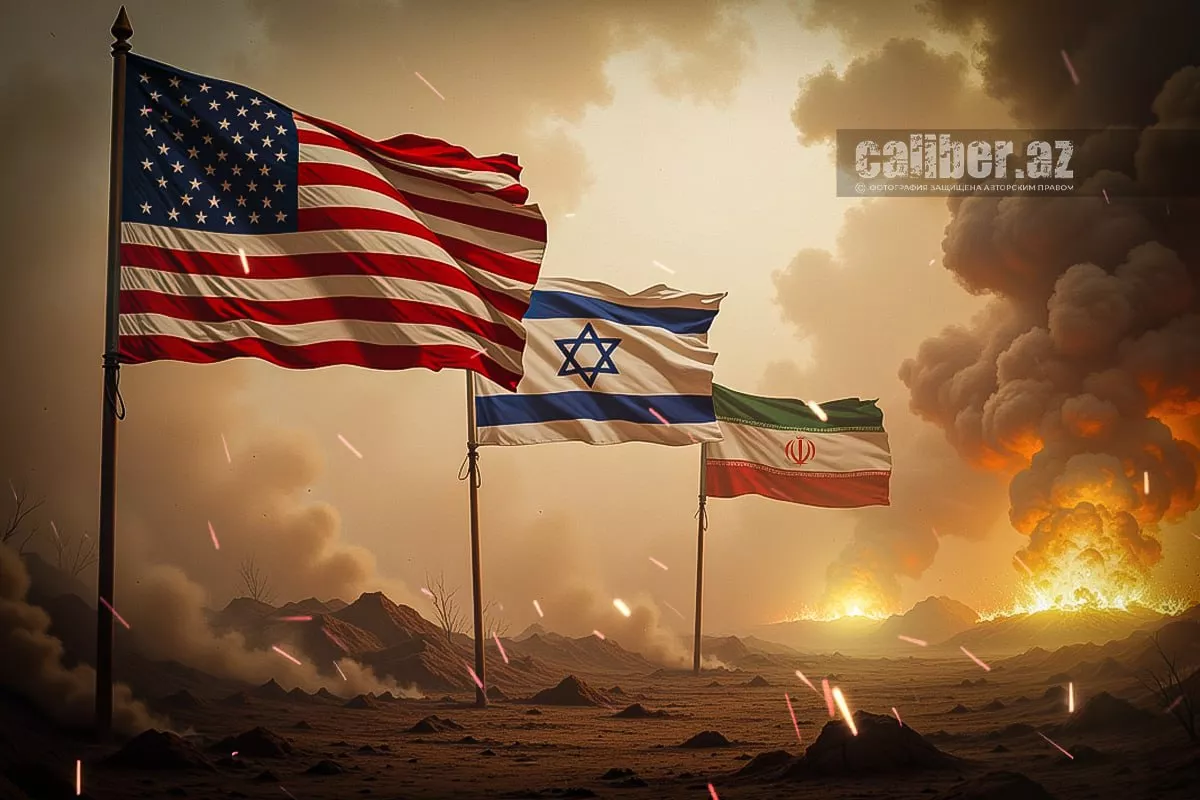
According to the political scientist, the Trump administration views a settlement of relations with Iran as a way to reduce regional tensions. If threats from Iran are perceived as less serious, some Gulf states may become more open to cooperation with Israel. At the same time, many Arab countries are already pursuing a policy of normalising relations with Tehran and do not see Israel as the sole guarantee of their security; therefore, even a successful agreement between Washington and the Islamic Republic of Iran does not automatically ensure the expansion of the Abraham Accords.
“Why are Doha and Islamabad cautious about the idea of normalising relations with Israel? In Pakistan, religious and public sentiment strongly supports Palestine, which makes recognition of Israel a politically sensitive issue. Qatar traditionally pursues a more independent regional policy and seeks to maintain ties with various political forces in the Middle East. As a result, these two states prefer to maintain a cautious stance on the issue of normalisation.
The most likely scenario is the gradual development of existing mechanisms of cooperation between Israel and Arab countries, which may include the expansion of trade, investment projects, technological exchange, and security cooperation.
However, full accession by new major participants — especially Saudi Arabia — will depend on the situation surrounding the Palestinian issue, developments in Gaza, the outcomes of US–Iran negotiations, and the overall dynamics of regional security. Public opinion in Arab countries, which influences government decision-making, will also play an important role.
If these factors develop positively, Washington could achieve a limited expansion of the Abraham Accords. However, a major breakthrough in this process remains unlikely; most probably, the process will proceed gradually and take several years,” concluded Nyshanbayev.







 editor@caliber.az
 +994 55 444-88-98
 Азербайджан, Баку, ул. Низами, 203, Af Business House, 5-й этаж