










OTS summit in Turkestan: a shift towards a new strategic vision Experts from Central Asia on Caliber.Az
The Informal Summit of the Heads of State of the Organisation of Turkic States (OTS), recently held in Turkestan, the spiritual capital of Turkic civilisation in Kazakhstan, marked the organisation’s transition from a cultural and humanitarian brotherhood to the creation of a powerful economic and technological centre of power in Eurasia.
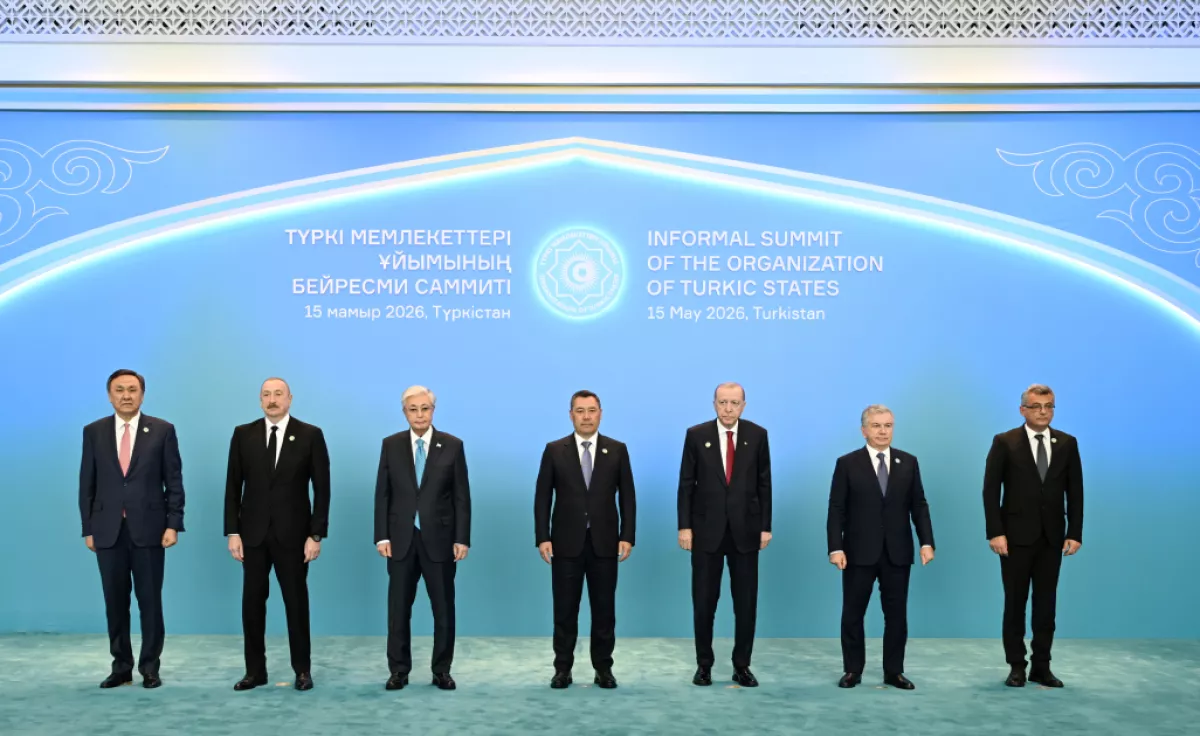
The main focus of the event was on the most advanced challenges of our time — artificial intelligence and digital development, as well as the synchronisation of critical transport arteries amid growing global geopolitical instability.
The participation of Azerbaijani President Ilham Aliyev in the Turkestan summit is of decisive importance both for the organisation itself and for the shifting balance of power in the region, as Baku acts not merely as one of the founders of the union, but also as its key geoeconomic bridge.
Experts from Central Asia shared their views with Caliber.Az on the importance of the summit, its distinctive features, and Baku’s proposals.
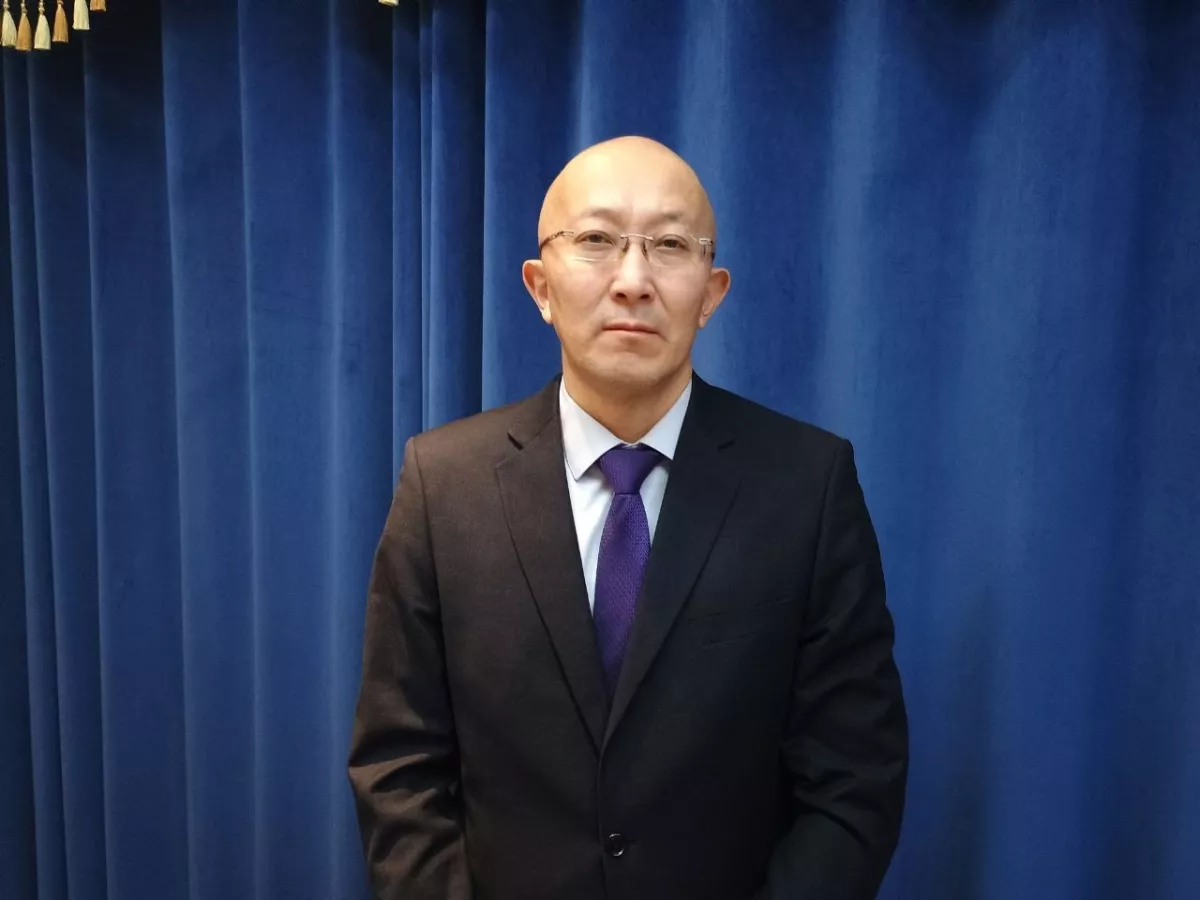
In particular, Farhad Kasenov, head of the A+Analytics research centre and a Kazakh political scientist, emphasised the importance of artificial intelligence and digital development as the central themes of the OTS summit in Turkestan.
“The main objective of the event was to think through the future digital architecture of the entire Turkic world and to find solutions or facilitate the implementation of digital tools across various sectors, primarily in logistics, transport, customs, and industrial cooperation. As we know, significant work is currently being carried out in all countries involved in the Middle Corridor project — the Trans-Caspian International Transport Route (TITR) — and there are already estimates suggesting that up to 30 per cent in benefits can be achieved in terms of reduced financial costs, operational expenses, and shorter cargo transit times solely through digitalisation. Thus, the need to create a unified digital infrastructure for the OTS is evident,” he said.
The expert also highlighted the changing logic and strategic priorities of the organisation: “If the Organisation of Turkic States (OTS) initially focused on a cultural and historical agenda, the emphasis is now shifting towards economic and technological processes. Digitalisation and artificial intelligence are already driving innovation, and when combined with economic geography and broader geo-economic dynamics, the summits are increasingly centred on an economic and technological agenda.”
The expert also highlighted initiatives that, in his view, may have long-term significance for the entire Turkic world.
“Among the important statements, I would highlight President Kassym-Jomart Tokayev’s proposal to establish a joint IT hub centre for OTS member states called Turkic AI, which could be hosted at the International Artificial Intelligence Centre Alem-AI in Astana. This would become a new unified digital platform designed to help build the digital infrastructure of the Turkic world and shape a new vision of it.
Also noteworthy is the head of state’s announcement that an artificial intelligence university will be opened in the country. Kazakhstan is currently developing AI very intensively and already has significant achievements in this field, such as the Alem. Cloud supercomputer and the aforementioned Alem-AI platform, which together provide substantial computing power for testing various digital solutions for the entire Turkic world. In other words, there will be no need to rely on external capacities — everything can be developed within our own countries. I consider this a real breakthrough.
I would also highlight the proposal related to the joint financing of major projects — the creation of a Turkic Investment Fund. This is also a significant idea, as such an institution would make it possible to finance a range of infrastructure projects aimed at eliminating so-called bottlenecks. This applies to the Middle Corridor as well, where there is still a great deal of work to be done and where issues requiring joint funding are constantly being raised. With the establishment of such an investment fund, these challenges could be addressed more quickly and efficiently,” he said.
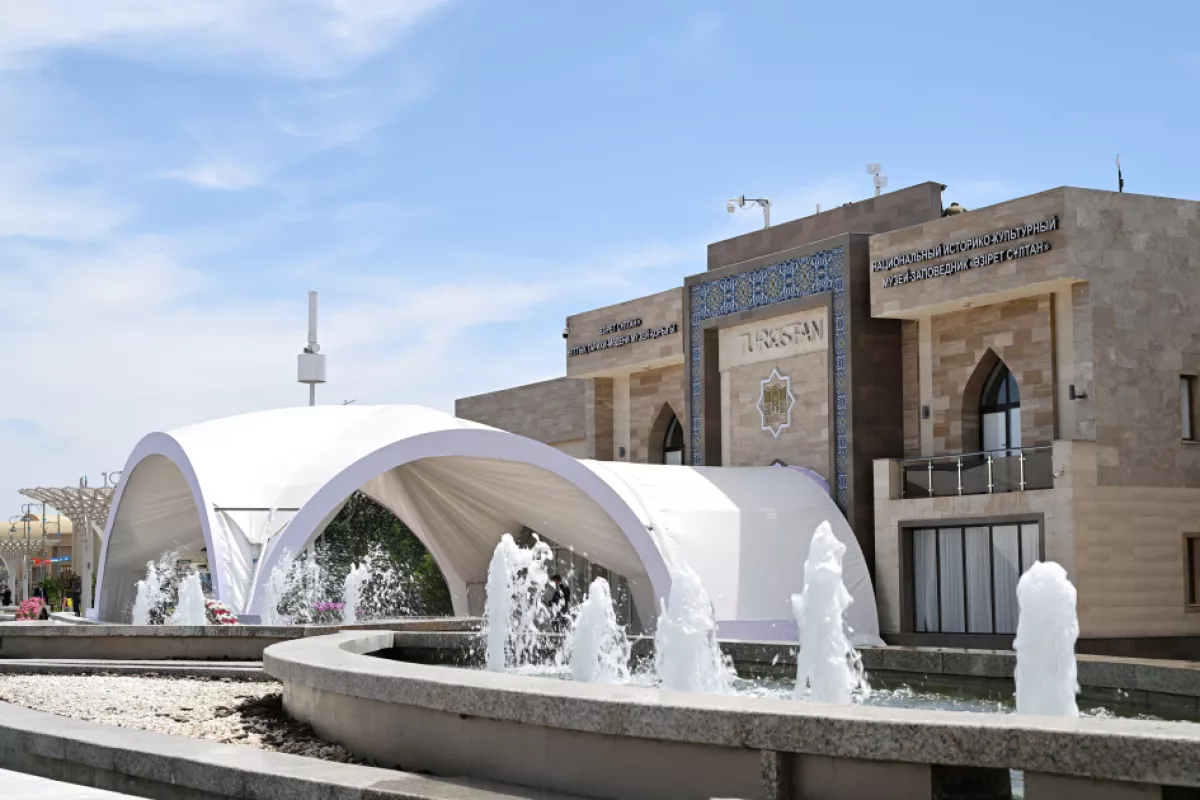
The choice of venue for the summit, according to him, also carried special significance: “Turkestan is the history of the entire Turkic world. And it is precisely in this place that a summit is being held whose theme is artificial intelligence and the most advanced technologies. Thus, in effect, we are witnessing a fusion of the past and the future, which is even visible in the architecture of Turkestan itself: alongside mausoleums and ancient religious structures, new modern buildings have been constructed. This is eclecticism — in a positive sense of the word.”
In conclusion, the political scientist noted the broader meaning of the ongoing transformations for the entire Turkic project: “The most important thing is that the Turkic world is moving from its cultural and historical foundation to a more practical dimension — an economic and technological one. It should be said that it is precisely in our time that the idea of the Turkic world has acquired its own economic dimension, or rather, its economic foundation. A hundred years have passed since the First All-Union Turkological Congress was held in Baku, where issues of a humanitarian and historical nature were raised that required an economic basis. Today, that foundation exists, and it opens up enormous prospects for all OTS member states.”
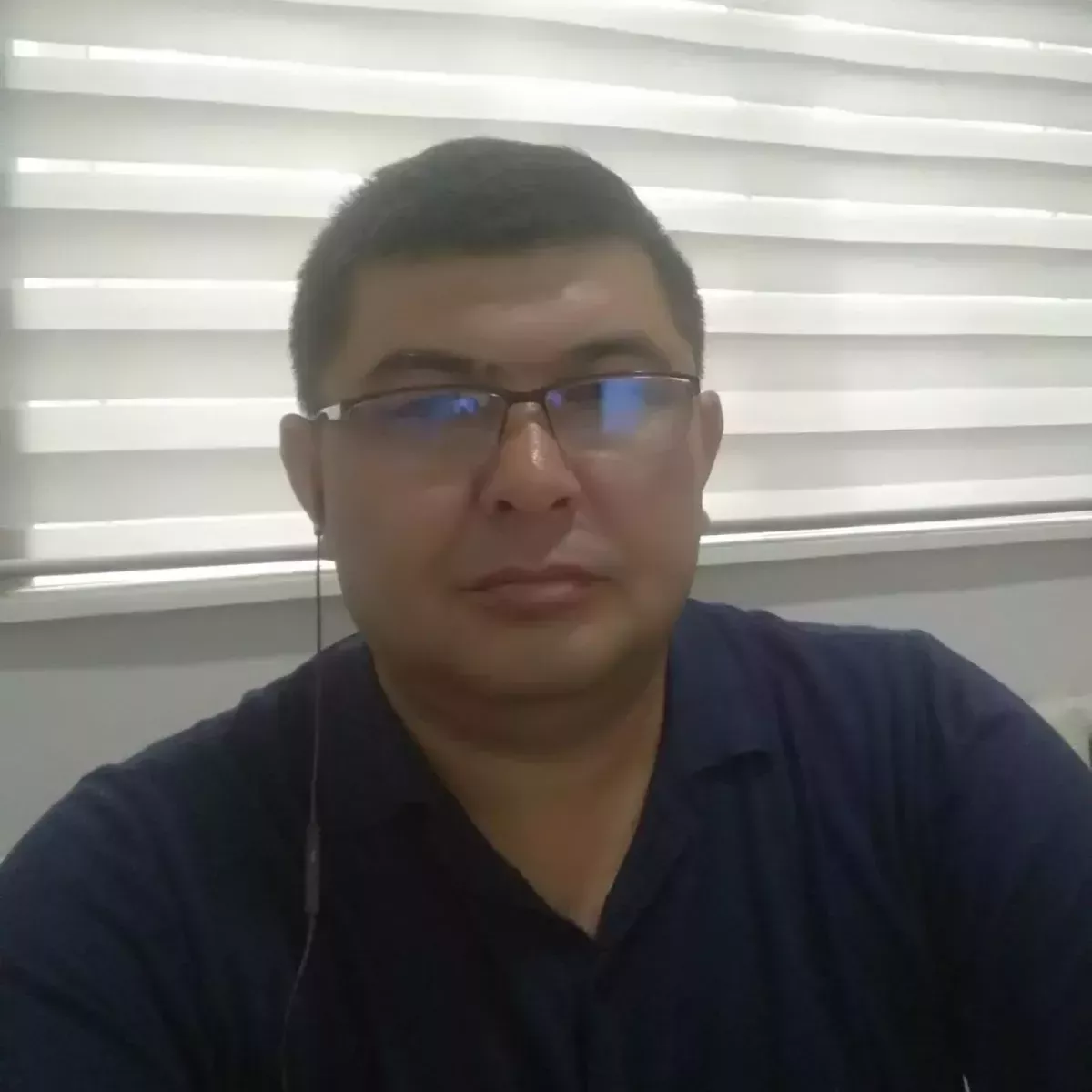
In turn, Kyrgyz political scientist Umar Mutaliev emphasised that among the main directions of the summit, an important place was undoubtedly given to the synchronisation of leaders’ strategic positions amid global instability and accelerating practical integration.
“The main focus of the event is strengthening digital connectivity and the transport framework of Eurasia, where the Middle Corridor serves as a key element. The city of Turkestan was not chosen by chance, as, being the spiritual capital of the Turkic world, it symbolises a strong cultural and historical foundation upon which a powerful geopolitical bloc is now being built,” he said.
Regarding Baku’s position on this platform, the expert particularly highlighted the theses of the Azerbaijani president, which, in his view, were among the key points of the summit.
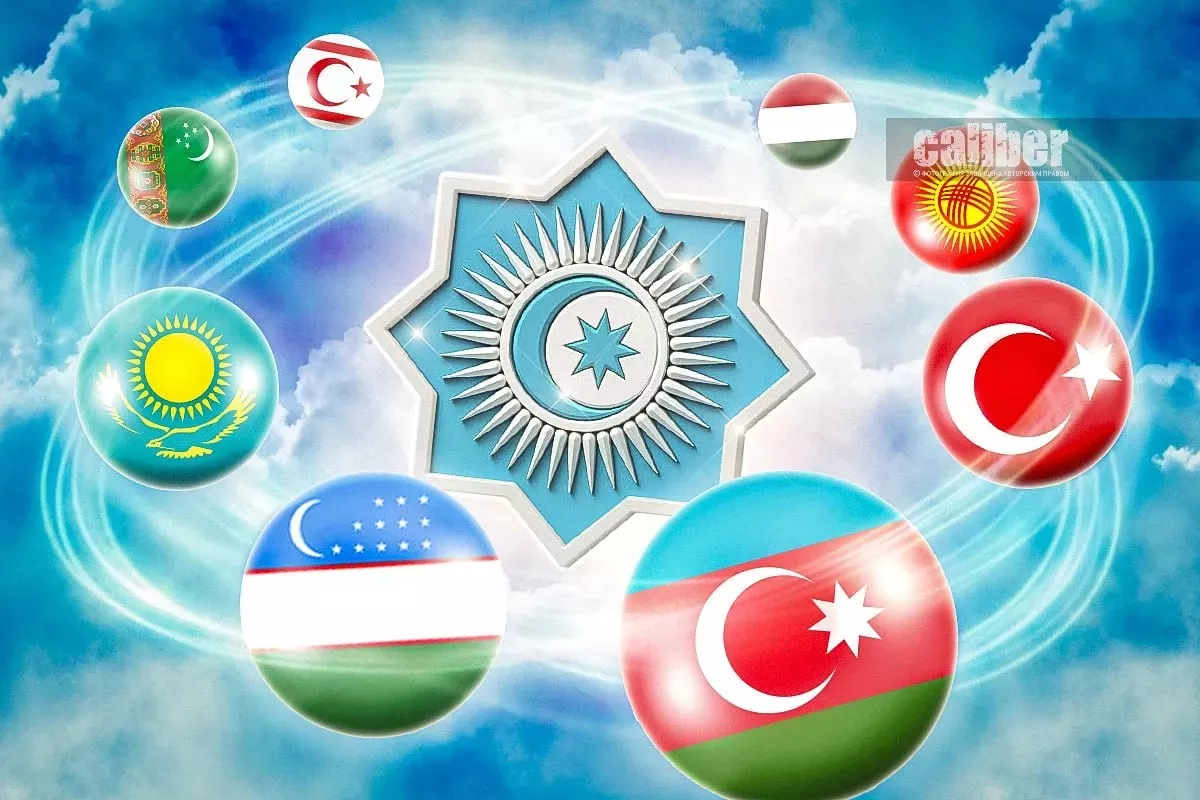
“The statements by Ilham Aliyev clearly outlined the region’s ambitions: the Turkic world must firmly establish itself as one of the key power centres of the 21st century. The Azerbaijani leader directly linked this status to the implementation of the Zangezur Corridor as an integral part of the Middle Corridor, as well as to the launch of the Trans-Caspian fibre-optic communication line. By emphasising the fraternal ties between liberated Shusha and Turkestan, the Azerbaijani leader demonstrated that Baku views the OTS as a unified family capable of converting shared roots into tangible economic, infrastructure, and digital advantages.
The Azerbaijani president also announced a series of important upcoming events in the country, such as the Turkic World Week in June in Baku, dedicated to the 100th anniversary of the First Turkological Congress, which made a major contribution to the scientific and cultural unity of Turkic peoples. Thus, Baku’s role as one of the leaders of the Turkic world is not accidental, and it consistently proves this in practice,” Mutaliev concluded.







 editor@caliber.az
 +994 55 444-88-98
 Азербайджан, Баку, ул. Низами, 203, Af Business House, 5-й этаж