










Sandu’s scenarios vs EU’s harsh reality Analysts weigh in on Moldova–Romania unification
The unification of Moldova with Romania “would make our EU integration very quick,” said Moldovan President Maia Sandu in an interview with French media.
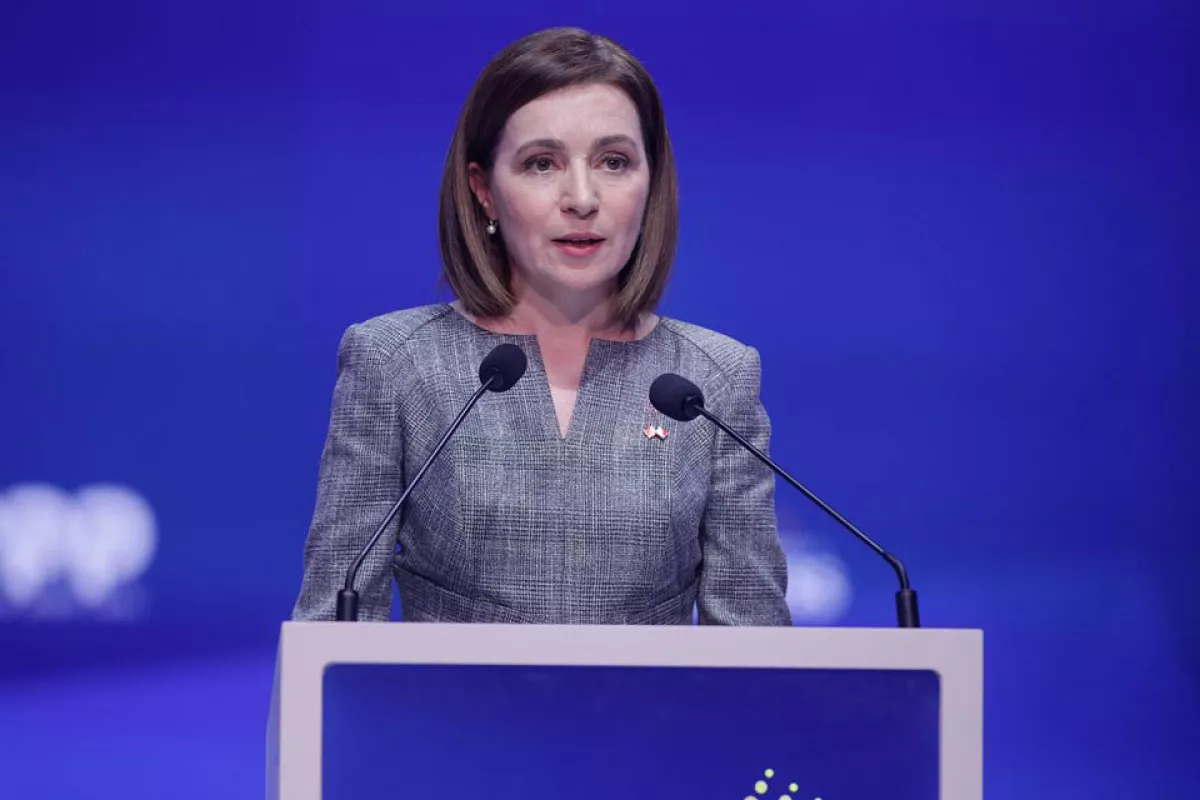
Sandu emphasised that such a decision must be made by a majority of citizens.
The Moldovan president also did not rule out the possibility of the country joining the EU without Transnistria. “Yes, I do believe that this is one of the solutions,” Maia Sandu noted.
According to her, joining the EU is not only a dream but also a survival strategy for a democratic state.
And once again, the topic of unionism arises. How likely and feasible is the idea of unification between Moldova and Romania under today’s conditions? Is a scenario acceptable in which such unification takes place without Transnistria, where separatists are in power? Is it appropriate to give up internationally recognised territories?
Moldovan analysts shared their assessments on this issue with Caliber.Az.
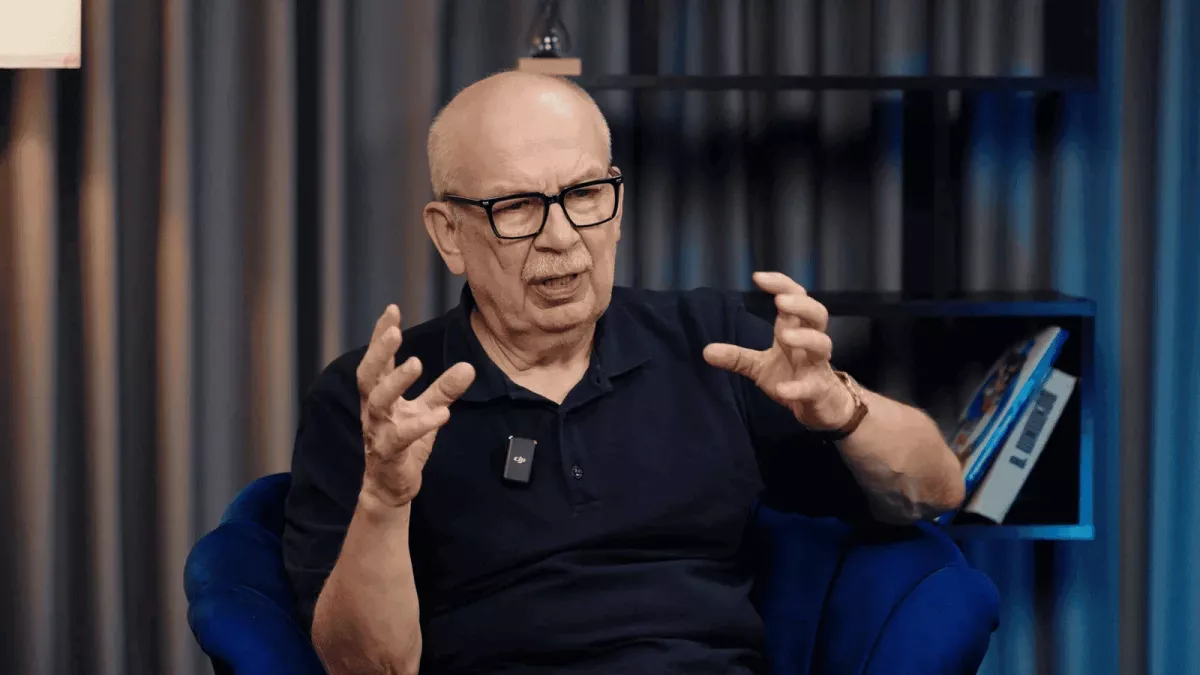
Political analyst Viktor Ciobanu noted that the scenario of unification between Moldova and Romania is still unlikely under current conditions.
“In Moldova, the idea of unionism is supported by about 30 per cent of respondents in polls, and this is not a majority. Romania is currently experiencing a government crisis and a possible government resignation, so they are not focused on us. I consider the president’s public discussion of this idea inappropriate in the current political context.
Moldova’s strategic goal is European Union integration, which is supported by the majority of the population. Is EU integration possible without Transnistria? The president is rather mistaken in answering this affirmatively. All statements by European officials indicate only that a Cypriot scenario is not possible for Moldova. Therefore, the reintegration of Transnistria will have to precede EU integration,” Ciobanu believes.
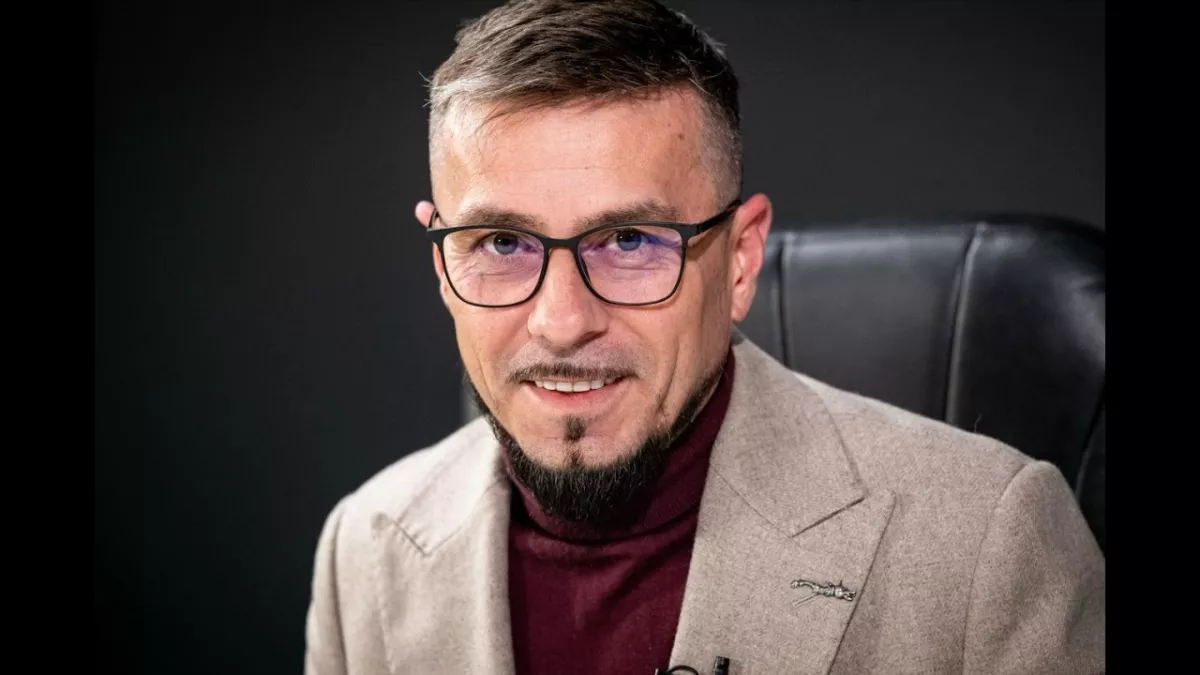
As Ian Lisnevschi, head of the Intellect Group analytical centre, noted, Maia Sandu appeals to the idea of unification with Romania as a kind of shortcut to the European Union, since all previous attempts by the authorities to demonstrate progress in the country’s EU integration have failed.
“Countries join unions with a position, resources, a system, a stable economy, public trust, and strong institutions. Any model in which the discussion involves giving up subjectivity or delegating decision-making externally is perceived by partners not as acceleration, but as weakness and an inability to manage processes. The EU does not operate on the principle of ‘unite and automatically become a member.’ It is not a legal mechanism, but a politically complex scenario. Such a step would sharply increase internal polarisation (which is already a major problem in Moldova), create geopolitical tension (including the factors of Transnistria, Gagauzia, and northern Moldova), and make the country less predictable for the EU (the EU is most afraid of instability).
Thus, unification with Romania would not only fail to lead to EU membership but could, on the contrary, delay it. The EU does not admit countries as such, but rather systems that are manageable, predictable, institutionally stable, and free of conflict. The main filter is not geopolitics, but the state’s ability to function. The EU looks at the speed of judicial decisions, the actual enforcement of laws, and the efficiency of the public administration.
There must also be economic compatibility with the EU: the share of exports to the EU, the integration of business into European supply chains, and the presence of EU investments. If the economy is already integrated into the EU, the political decision becomes largely technical. What matters is the ability to manage risks, meaning energy resilience, financial stability, and the absence of regional threats,” the analyst noted.
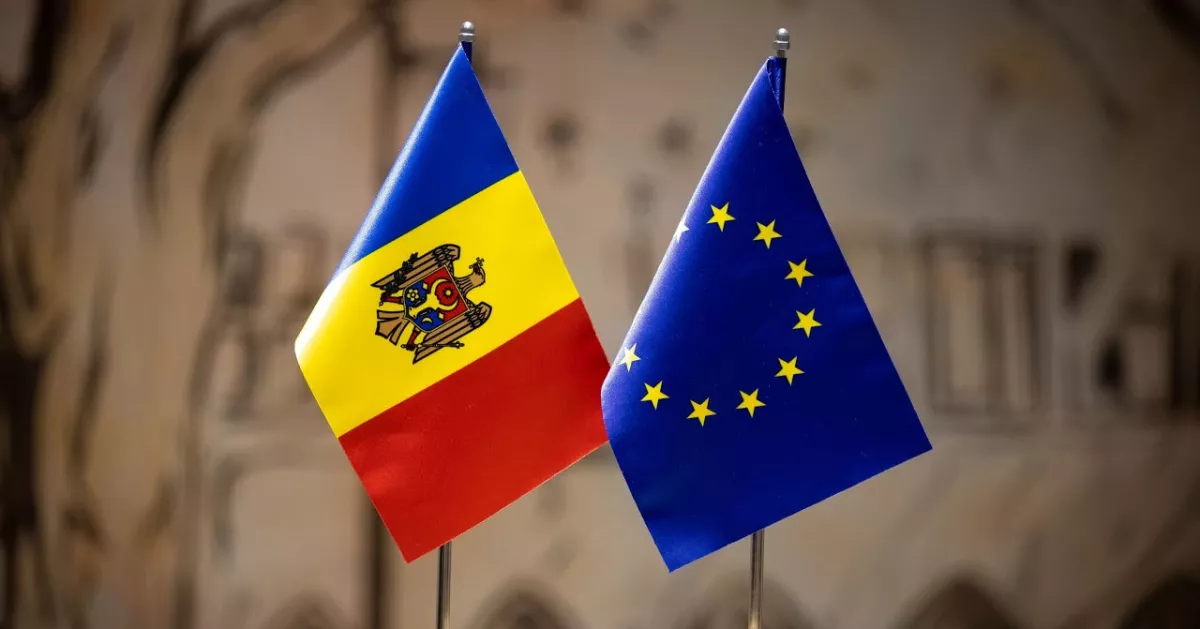
Therefore, he says, Transnistria, Gagauzia, and northern Moldova are not problems as territories, but rather sources of risk in cases of poor governance and a lack of public trust in state institutions and their governance models.
“According to the authors of the Munich Security Conference 2026 report, this is precisely the number one threat that Moldovan authorities are ignoring. The low level of public trust in the authorities, caused by daily socio-economic problems, has led to the politicisation of the EU topic. Currently, 51 per cent of Moldova’s population does not trust the EU, not because of the integration process itself, but because of distrust in the government. 68 per cent consider the topic divisive and conflict-generating due to its use in election campaigns. This is a critical signal that the authorities, who already have extremely low approval ratings, have contributed to the discrediting of the integration process.
The EU does not accept countries where integration causes internal conflict. European integration is not a geopolitical choice. It is an exam of state maturity. And it is not passed in Brussels. It is passed here — in courts, where decisions must be fast and final; in the economy, where businesses must feel protected; and in institutions that function independently of individuals.
If the system does not work inside Moldova, it will not work inside the EU either. So discussions about joining Romania in order to enter the EU, especially without Transnistria, may exist, but it would be more productive and realistic to talk, rather, about UFOs,” Lisnevschi joked.







 editor@caliber.az
 +994 55 444-88-98
 Азербайджан, Баку, ул. Низами, 203, Af Business House, 5-й этаж