










Energy in wartime: Türkiye offers alternatives to the Strait of Hormuz Expert opinions on Caliber.Az
As is well known, the full-scale war in the Middle East has triggered an energy crisis across much of the world due to actions by Iran that have effectively blockaded the Strait of Hormuz. In this context, the issue of diversifying energy supply routes has come to the forefront of the international agenda.
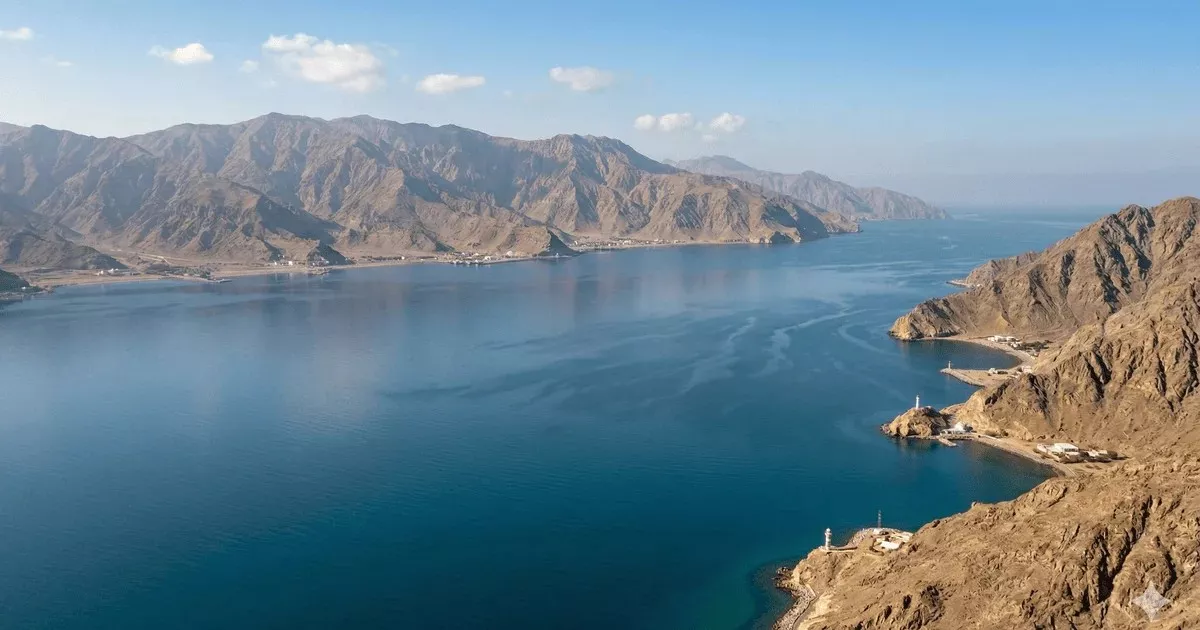
In particular, according to the Turkish newspaper Türkiye, citing the country’s Ministry of Trade, Ankara has developed five routes for transporting oil and gas that bypass the Strait of Hormuz.
“Our government is making significant efforts to open routes alternative to the Strait of Hormuz, which are important options for both producers and consumers, especially in times of crisis,” the publication quotes Turkish Minister of Trade Ömer Bolat as saying.
According to the newspaper, energy supplies from the Persian Gulf region are proposed to be delivered via the following routes: overland through Iraq or Syria; via a combined corridor through the Suez Canal – Red Sea – Jordan – Saudi Arabia; through the port of Oman to the UAE and other regional countries; and via the Cape of Good Hope in Africa, although this increases delivery time by 10–15 days and significantly raises logistical costs.
In light of this, several important questions arise: Which of these routes could become the most optimal and cost-effective? Is Ankara ready to act as a mediator, security guarantor, or coordinator for these pathways, given its considerable influence in the region? Experts from Türkiye and Central Asia provide answers to these questions for Caliber.Az.

According to Göktuğ Çalışkan, an international relations expert at the Ankara-based think tank ANKASAM (Ankara Center for Crisis and Policy Studies), the most realistic option for crude oil supplies is the Iraq–Türkiye (Ceyhan) route.
“This route has moved beyond being merely a theoretical scenario and effectively became operational on March 17, 2026, when oil from Kirkuk resumed flowing to Ceyhan. Initial supplies of 170,000 barrels, along with plans to increase capacity to 250,000 barrels per day, make this route the most viable option for Türkiye. This assessment is further supported by Baghdad’s statement that it is working on a new route project to Ceyhan,” the expert noted.
At the same time, in his view, the combined Jordan–Saudi Arabia–Red Sea corridor appears more functional in terms of refined petroleum product flows and overall trade. Ankara’s decision on March 31 to grant Turkish drivers 15-day transit permits for transporting goods through Saudi Arabia demonstrates that this route has potential that can be rapidly utilised in times of crisis.
“However, it is difficult to speak of full confidence in terms of security. The fact that, after March 1, major shipping companies withdrew from the Suez Canal–Bab el-Mandeb route and shifted to routes around Africa indicates that the Red Sea corridor still involves serious risks.”
As for Türkiye’s role, Ankara’s greatest strength lies not so much in providing military security guarantees across all routes, but rather in acting as a logistical intermediary and a coordinator of diplomatic efforts. The talks held in Islamabad with the participation of Türkiye, Saudi Arabia, and Egypt—aimed at de-escalating tensions in the Strait of Hormuz and ensuring safe navigation—demonstrate that the Turkish authorities view this complex, multi-layered situation primarily through the lens of diplomacy and logistical coordination.
“In light of the above, my overall conclusion is as follows: the most realistic route is the Iraq–Türkiye (Ceyhan) corridor; the greatest regional potential lies along the Jordan–Saudi Arabia axis; and Türkiye’s main strength is not in independently creating a security architecture, but in serving as a central state that ensures the functioning of these corridors, while acting as a diplomatic player that helps build trust,” Çalışkan stated.

In turn, according to Kazakh political analyst Sharip Ishmukhamedov, a Candidate of Political Sciences, the safest route bypassing the Strait of Hormuz at present remains the existing infrastructure.
“The most realistic alternative to the Strait of Hormuz is the well-known East–West pipeline, which runs across Saudi Arabia to the Red Sea, where oil is then loaded onto tankers and transported either through Egypt into the Mediterranean or directly to global markets. The only issue is that its capacity is relatively limited—around 7 million barrels per day, and even this is a stated maximum that is not achieved in practice. Nevertheless, it is an effective instrument that allows Riyadh to diversify exports and maintain economic stability. Moreover, I am confident that Saudi Arabia will construct a second line alongside the existing one, which is already under consideration. Expanding infrastructure along an established route is always easier and faster, which is why this vector will remain a priority,” he said.
As for alternative routes, the expert pointed to historical projects that could potentially be revived.
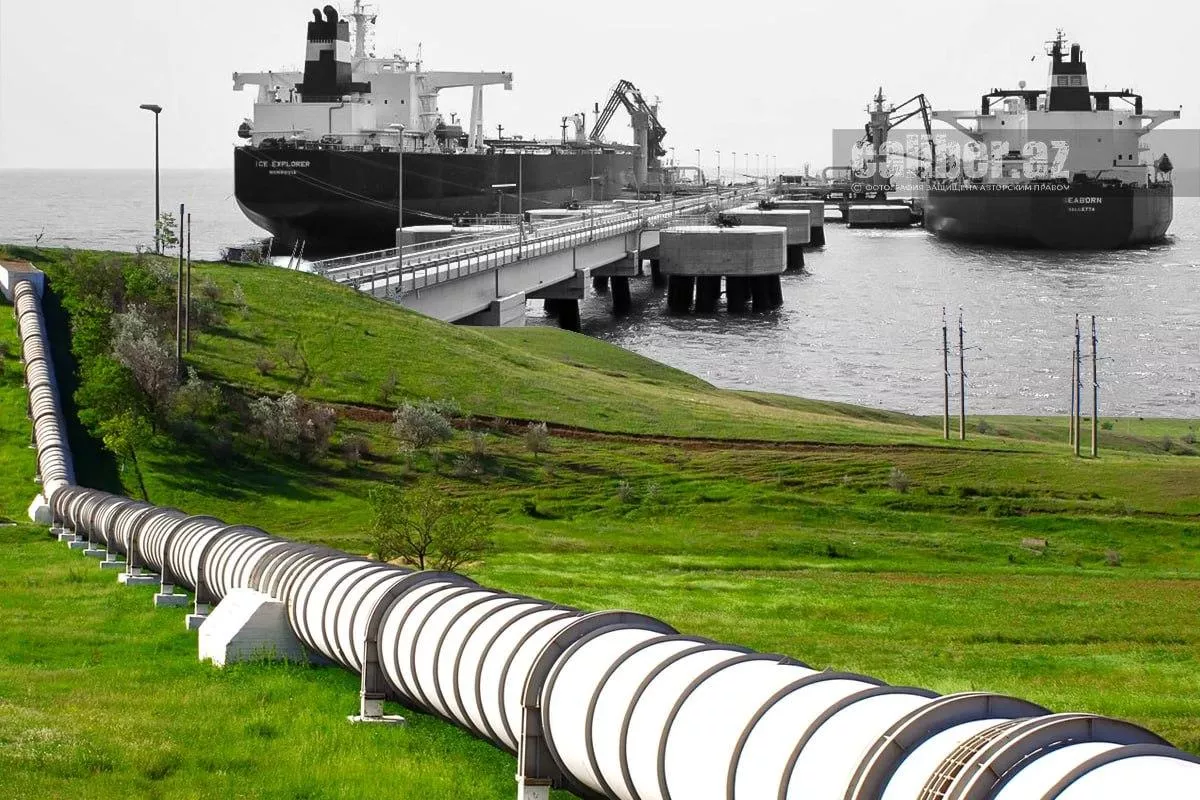
“From the perspective of access to the Mediterranean—bypassing the Suez Canal and dependence on Egypt—routes such as the Trans-Arabian Pipeline (Tapline) appear more advantageous. It once ran from Al-Qaisumah in Saudi Arabia to Sidon in Lebanon and had proven its efficiency and cost-effectiveness.
Political conflicts, the Israel factor, and strained relations with Lebanon ultimately led to the pipeline being decommissioned and falling into disrepair. This is not so much a technical issue as it is a political one. However, as current developments suggest, an improvement in relations between Saudi Arabia, Israel, and Lebanon is entirely possible. In such a scenario, this pipeline could emerge as a second long-term route.
Another option, realistic but far more expensive and politically complex, is the construction of a new pipeline through Saudi Arabia, Iraq, and Türkiye. Existing capacities are insufficient, which is why the discussion is centred on building entirely new infrastructure,” the political analyst said.
Addressing the issue of risks, he stressed that any pipeline passing through multiple countries creates dependence on their political decisions: “The greater the number of transit states—such as Syria, Jordan, or Lebanon—the higher the risks of instability. In addition, threats from terrorist groups remain, as they can disrupt infrastructure operations with minimal resources.”
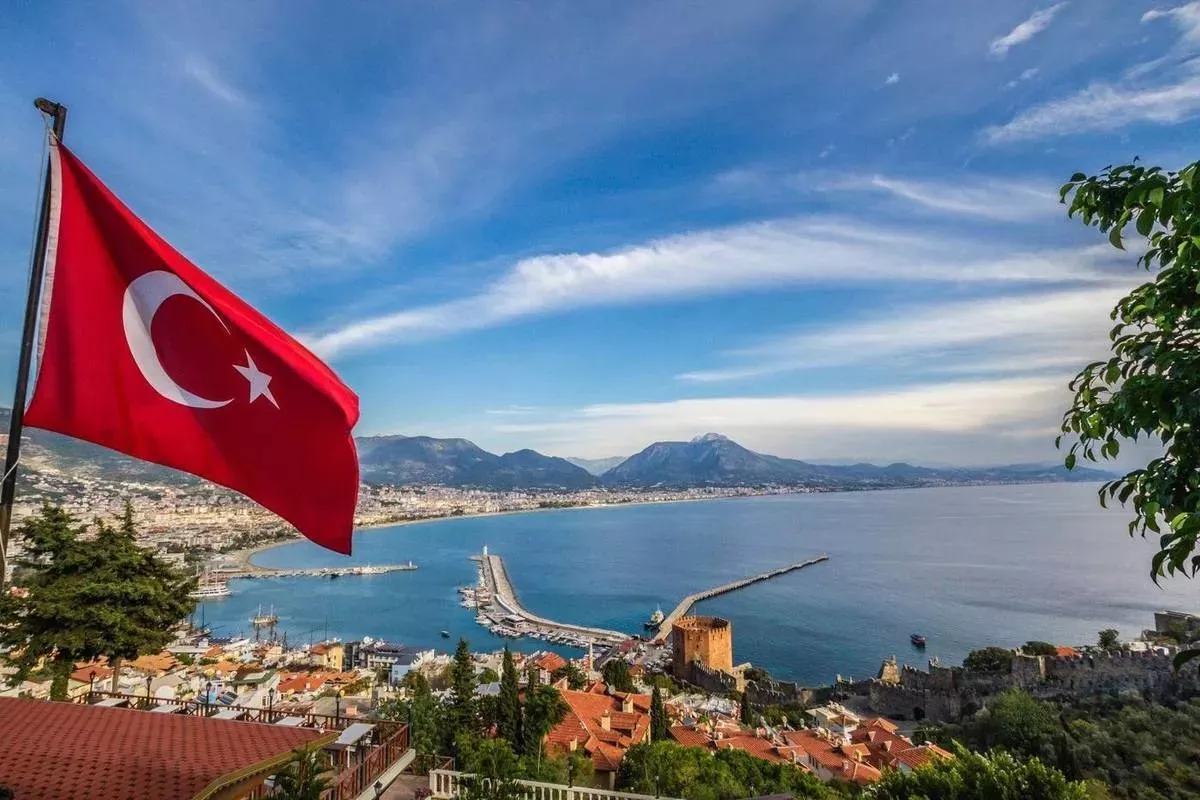
At the same time, the Turkish route has notable strengths. Ankara proposes routing pipelines directly to the Mediterranean, bypassing both the Suez Canal and Israel. Moreover, Türkiye possesses a strong military, advanced technologies, and the capacity not only to ensure security but also to become a major consumer of energy resources itself, thereby enhancing the project’s economic attractiveness,” the expert noted.
He also stressed that regional competition and fragmentation should not be overlooked: “Middle Eastern countries—Saudi Arabia, the UAE, Qatar, and Bahrain—do not constitute a unified bloc. They compete with one another, support different political forces, and hold distinct views on security, as well as on the roles of the United States and Iran. This significantly complicates the implementation of any transnational projects.”
In conclusion, Ishmukhamedov emphasised the importance of long-term planning: “The history of pipeline projects in the Middle East shows that such initiatives must be planned at least 20 years ahead. Dependence on the Suez Canal, Egypt, or the Red Sea could become a source of instability in the long run due to the growing ambitions of certain states. At the same time, a pipeline route through Iraq and Türkiye may prove to be a more stable option over the next two decades, as Arab countries tend to have more predictable relations with Türkiye than with Egypt or Iran. Moreover, there is a possibility that the security situation in Iraq and Syria will stabilise in the coming years.”







 editor@caliber.az
 +994 55 444-88-98
 Азербайджан, Баку, ул. Низами, 203, Af Business House, 5-й этаж