










Ceasefire without prospects: Kyiv’s calculation and Moscow’s response Expert opinions on Caliber.Az
Ukrainian President Volodymyr Zelenskyy stated that Kyiv has proposed to Russia the establishment of an energy ceasefire. According to him, the corresponding initiative has already been conveyed to the Russian side through American intermediaries.
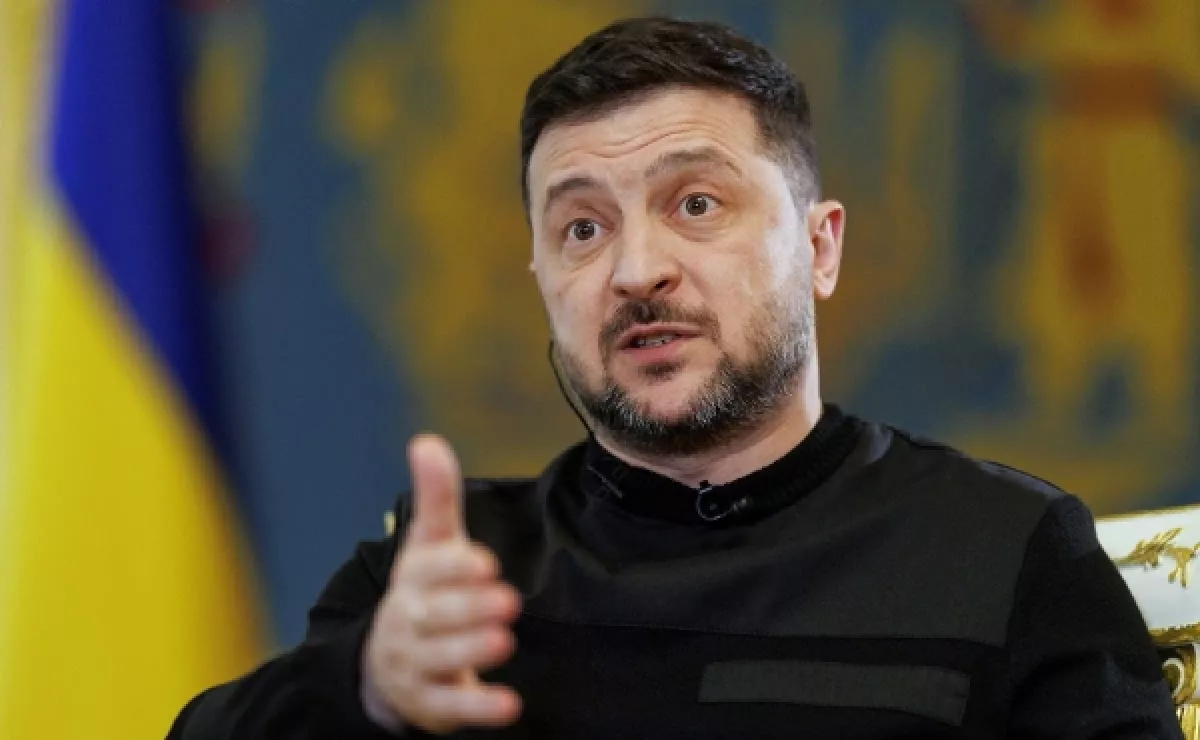
“If Russia is ready to stop strikes on our energy infrastructure, we will be ready to respond in kind,” Zelenskyy emphasized.
He also added that Ukraine had previously proposed a temporary ceasefire to Russia, including for the upcoming Easter, but, according to him, “for them, all times are alike.” At the same time, the Ukrainian president noted that long-range strikes by the Ukrainian Armed Forces are having a noticeable impact on the Russian economy, “reducing Russian revenues, primarily oil revenues.”
Could Russia agree to such a ceasefire? And what could it actually give Moscow? After all, it is no secret that as a result of the Ukrainian strikes on energy infrastructure, Russia is currently suffering significant losses.
Is a scenario possible in which a partial pause in hostilities could develop into something more long-term?
Well-known foreign analysts shared their assessments on this with Caliber.Az.
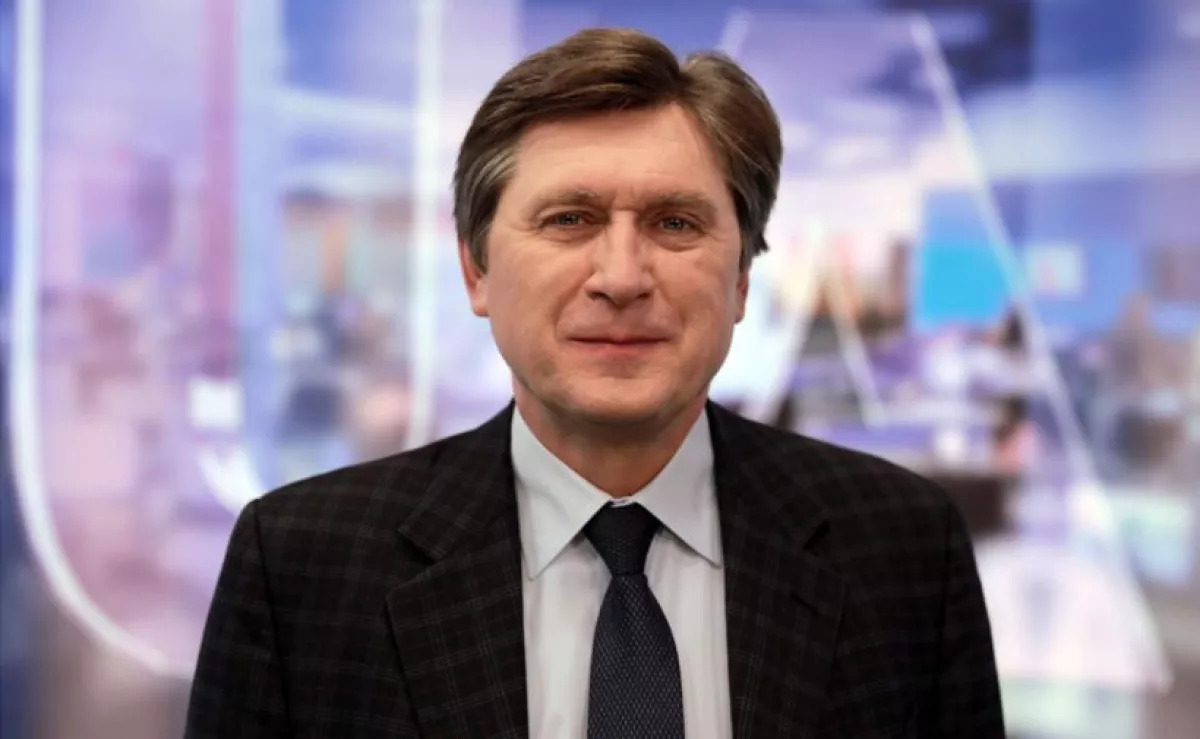
Director of the Center for Political Studies “Penta” (Ukraine) Volodymyr Fesenko, believes that Moscow will almost certainly reject Zelenskyy’s proposal, despite the fact that Russia is indeed suffering significant losses.
“The point is that the Kremlin’s traditional position is to either reject or simply ignore any peace initiatives from Ukraine. In fact, Zelenskyy made this proposal in response to requests from our partners to halt strikes on Russia’s oil infrastructure. Both in the U.S. and in Europe, there are concerns that even a partial suspension of Russian oil exports could lead to further increases in global prices. That’s why they ask Ukraine (in a closed, non-public manner) to stop strikes on Russia’s oil infrastructure. But Ukraine cannot make unilateral concessions. Even a sectoral ceasefire must be reciprocal,” the analyst noted.
At the same time, he believes that the issue of an energy ceasefire could still become a subject of negotiations.
“After April 12 (Easter), American negotiators—Steve Witkoff, Jared Kushner, and Lindsey Graham—are expected to arrive in Ukraine. The topic of an energy ceasefire will be discussed during their meeting. As far as I understand, Zelenskyy’s proposal has already been conveyed to the American side. And if the Americans actively push this issue in negotiations with Russia, there might be some result.
However, I remain skeptical about such a scenario. At present, I do not see any willingness on Russia’s part not only to end the war but even to pursue relative de-escalation. On the contrary, Russia is trying to increase military pressure on Ukraine, though unsuccessfully.
In the near future, the U.S. and Ukraine’s negotiation efforts will be focused on resuming direct trilateral talks in the U.S.–Russia–Ukraine format,” Fesenko concluded.
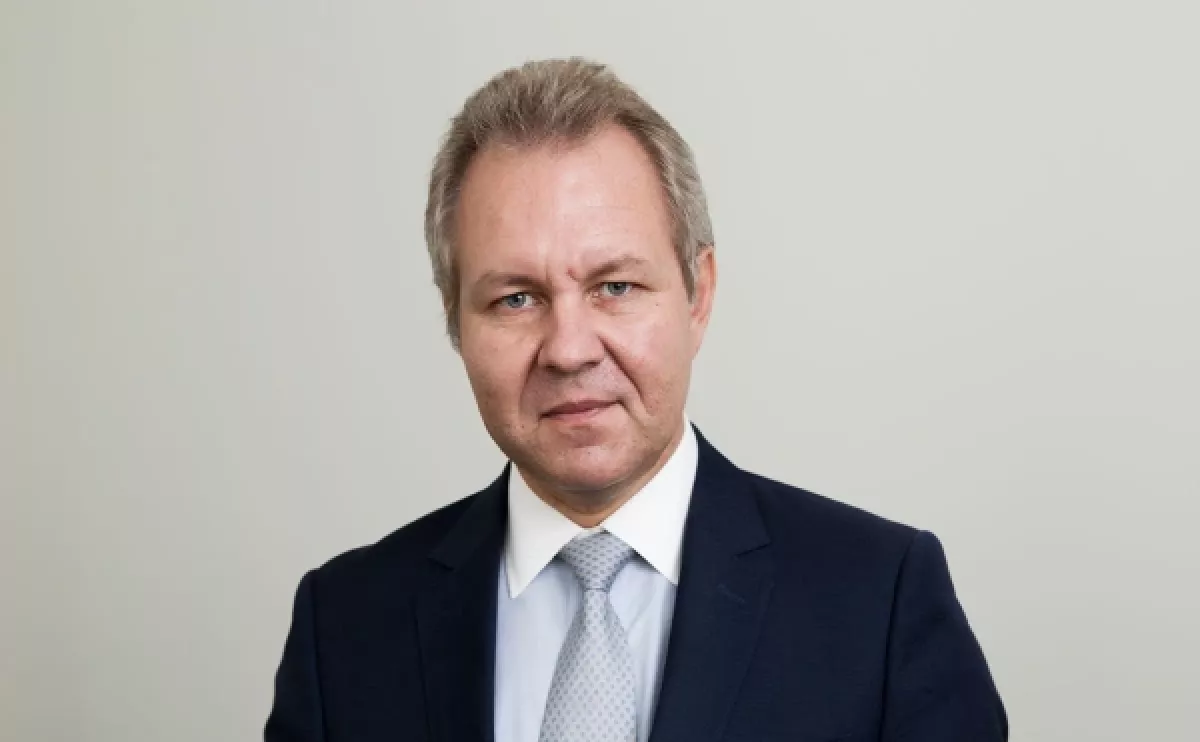
Russian political analyst and sociologist, Doctor of Economics Vladislav Inozemtsev also believes that the Kremlin will not agree to such a ceasefire.
“Putin is completely consumed by the illusion that victory is on his side, and his military constantly reinforces this perception. It is extremely important for him to maintain this view, because there are quite complex processes happening within Russia. As far as I understand, the defense minister is currently vying for the position of prime minister. Overall, the situation in the Kremlin boils down to the mindset: ‘we are winning, we will reach the end of Donbas, and we will fight as long as necessary.’
Just today, new reports appeared about successes in recruiting military personnel. Therefore, I believe this would not suit Putin: for him, it would mean acknowledging that the strikes have had a noticeable impact on Russia. Consequently, in the long term, such an initiative is even less likely to develop,” the expert said.
Speaking about the significance of strikes on infrastructure, he emphasized that they play an important role.
“Ukraine is acting quite rationally. It is demonstrating growth in its military capabilities and, with relatively low costs, inflicts substantial material damage on the Russian economy. Losses are measured in hundreds of millions of dollars, far exceeding the cost of the Ukrainian drones used.
As for a possible halt to exports—no, that will not happen. Damaged terminals will be restored relatively quickly. In addition, the factor of rising Russian oil prices partially compensates for the reduction in shipments.
My conclusion is this: there will be no ceasefire. Russia is suffering from these strikes, but not to the extent that it would ask Ukraine for a pause. The situation will continue along the same path,” Inozemtsev concluded.







 editor@caliber.az
 +994 55 444-88-98
 Азербайджан, Баку, ул. Низами, 203, Af Business House, 5-й этаж