










“Genocide” as a tool of pressure: a lobbying push on Washington Expert views on Caliber.Az
The Washington Times has published an article calling on the Trump administration to recognise the “Armenian genocide,” arguing that under current circumstances, such a move would extend far beyond mere historical symbolism.
The author notes that, despite the U.S. Congress recognising the “genocide” in 2019 and an official presidential acknowledgement in 2021, the current administration has consistently avoided using the term “genocide,” opting instead for more ambiguous phrases such as “great calamity” and “historical tragedy.”
According to the publication, “this rhetorical departure is no longer just a localised disappointment for a diaspora. Rather, it has become a liability for a nation currently engaged in a volatile and unpopular war.
The administration’s conduct in the Iran war is under intense global scrutiny. With debates over the proportionality of strikes, including the attack on an Iranian school that killed more than 100 children, the United States is fighting a two-front war. [...] Our leaders frequently invoke international norms and human rights to justify military actions, but those invocations ring hollow when those same officials refuse to apply the standards to the clear, documented facts of history.”
The Washington Times also links the silence to the prospects of peace settlement in the South Caucasus—a region that Trump presents as one of his foreign policy achievements. According to the author, “it is one of the reasons Azerbaijan was able to ethnically cleanse more than 120,000 Armenians from their ancestral homeland of Nagorno-Karabakh in 2023, making it the largest forced displacement of Armenians since the Armenian genocide.”
“Recognition is the currency of credibility. If the president expects the international community to trust the American narrative regarding justice and stability in a postwar Middle East, then he cannot simultaneously cave to foreign pressure regarding the crimes of the past,” the article states.
It is interesting to ask whose interests this publication might reflect. Why does the newspaper insist that Trump specifically use this term? And what practical benefit could this bring—and to whom?
Experts shared their views with Caliber.Az.
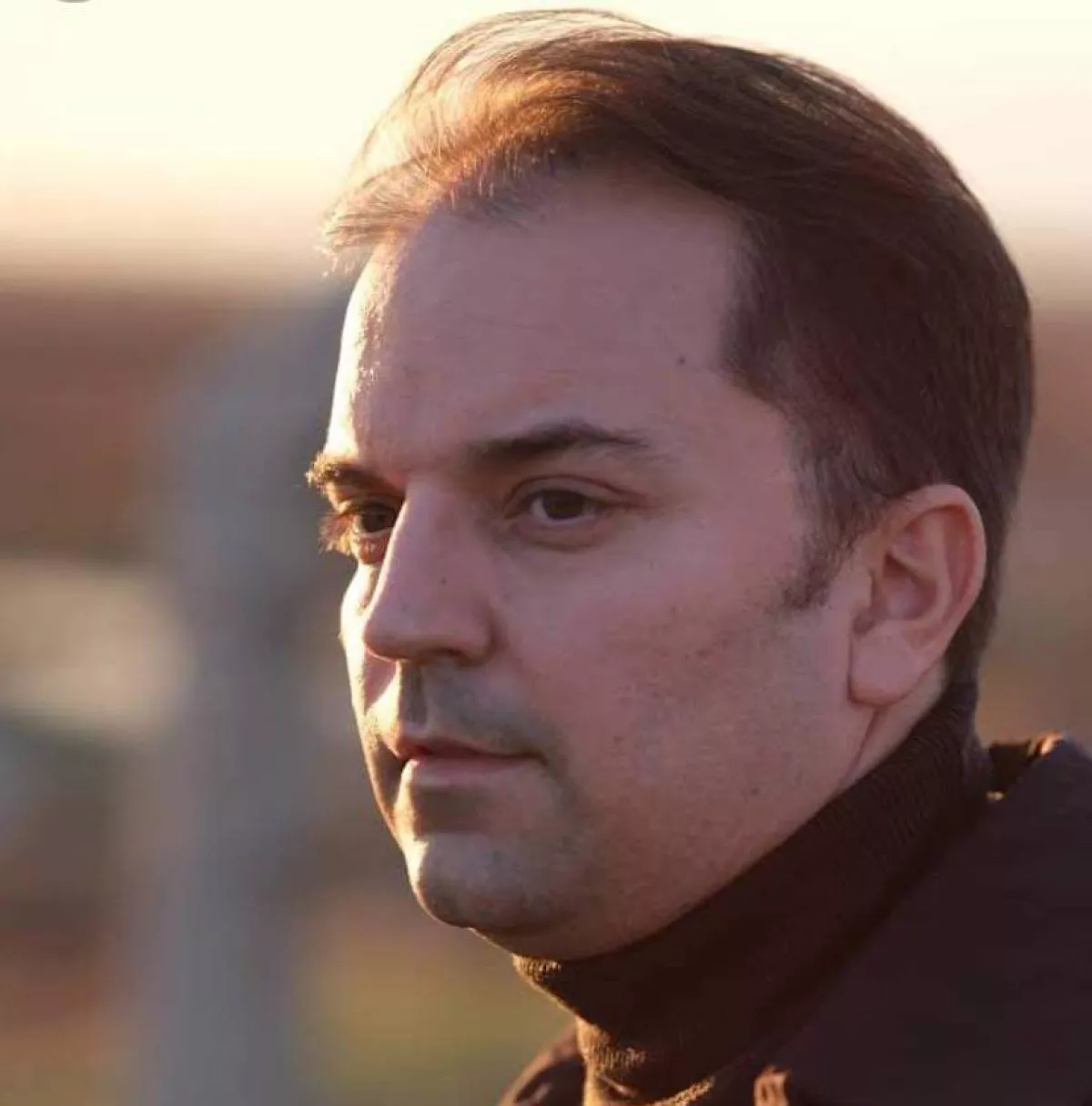
American political scientist Kyle Inan, Senior International Relations Strategist at KI Asset Management Co., noted that, in his view, the issue should be approached from the standpoint of common sense rather than emotion.
“The tone of the article clearly shows that this is not merely a historical debate, but an expression of geopolitical pressure. Publications in outlets such as The Washington Times often reflect the views of certain lobbying groups or are aimed at shaping the political agenda. In this case, the issue has become an important element of the Armenian diaspora’s mobilisation efforts in the United States. Thus, the question goes beyond history, also touching on domestic political communication and influence.
From the perspective of state policy, leaders such as Donald Trump view such terminology not only through a moral lens but also in terms of its strategic consequences. The use of the word ‘genocide’ directly affects relations with Türkiye—a key NATO ally that plays an important role in regions such as the Black Sea, the Middle East, and Eastern Europe. Creating additional tension in these relations could undermine broader strategic objectives.
Notably, although the U.S. Congress recognised these events in 2019 and Joe Biden used the term ‘genocide’ in 2021, these steps were largely symbolic and did not lead to significant changes in policy or regional dynamics,” the strategist said.
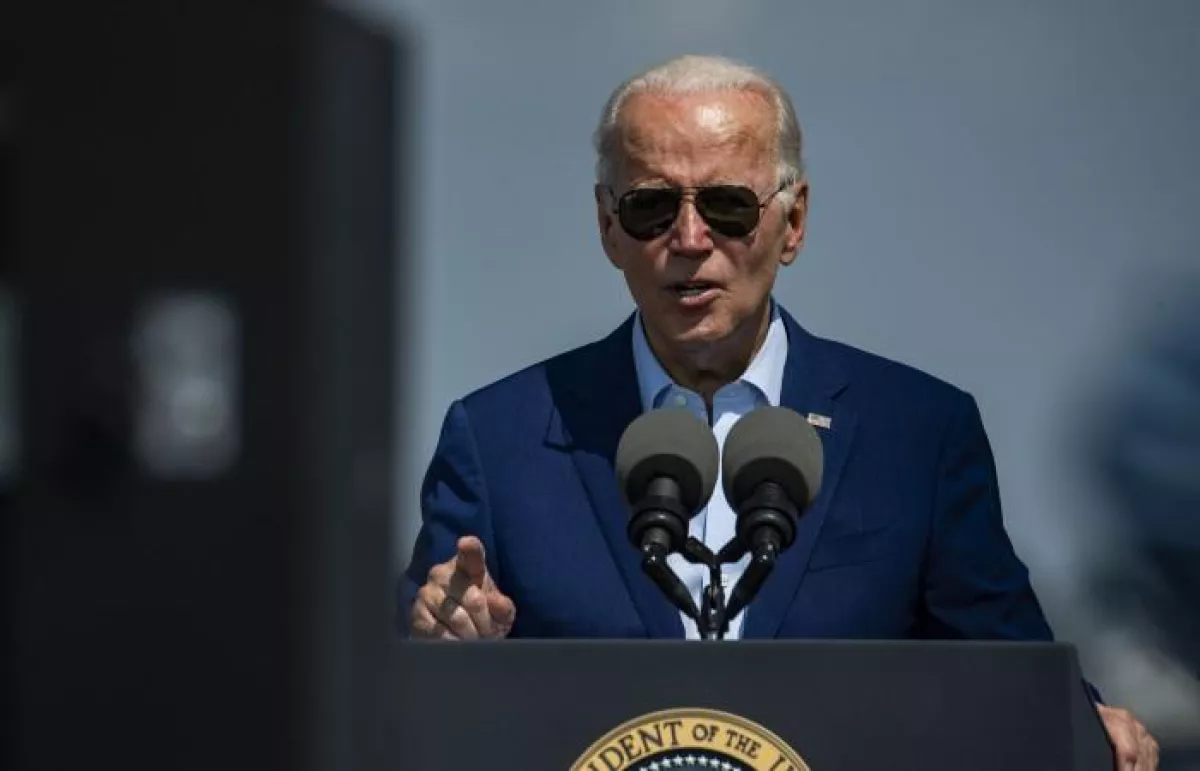
According to him, linking this issue to the events in Karabakh is, at best, an element of political narrative rather than a direct cause-and-effect relationship.
“The events of 2023 involving Azerbaijan were driven by shifts in the regional balance, including the weakening of Russia’s role and the realities on the ground—not by the terminology used to describe events that took place more than a century ago.
In practice, such recognitions primarily strengthen the positions of lobbying groups and certain political actors, increasing their influence and visibility. At the same time, they carry risks for bilateral relations and constrain diplomatic flexibility, without leading to any tangible improvement in regional stability.
The phrase ‘recognition is the currency of credibility’ may sound compelling, but it overlooks the broader picture. In international relations, trust is built on aligned interests, balance of power, and consistent policy—not solely on the use of historical terminology.
Ultimately, the issue is less about a specific word and more about a broader political stance. However, no rational leader would risk a strategic partnership for the sake of symbolic rhetoric that does not change realities on the ground,” Inan concluded.
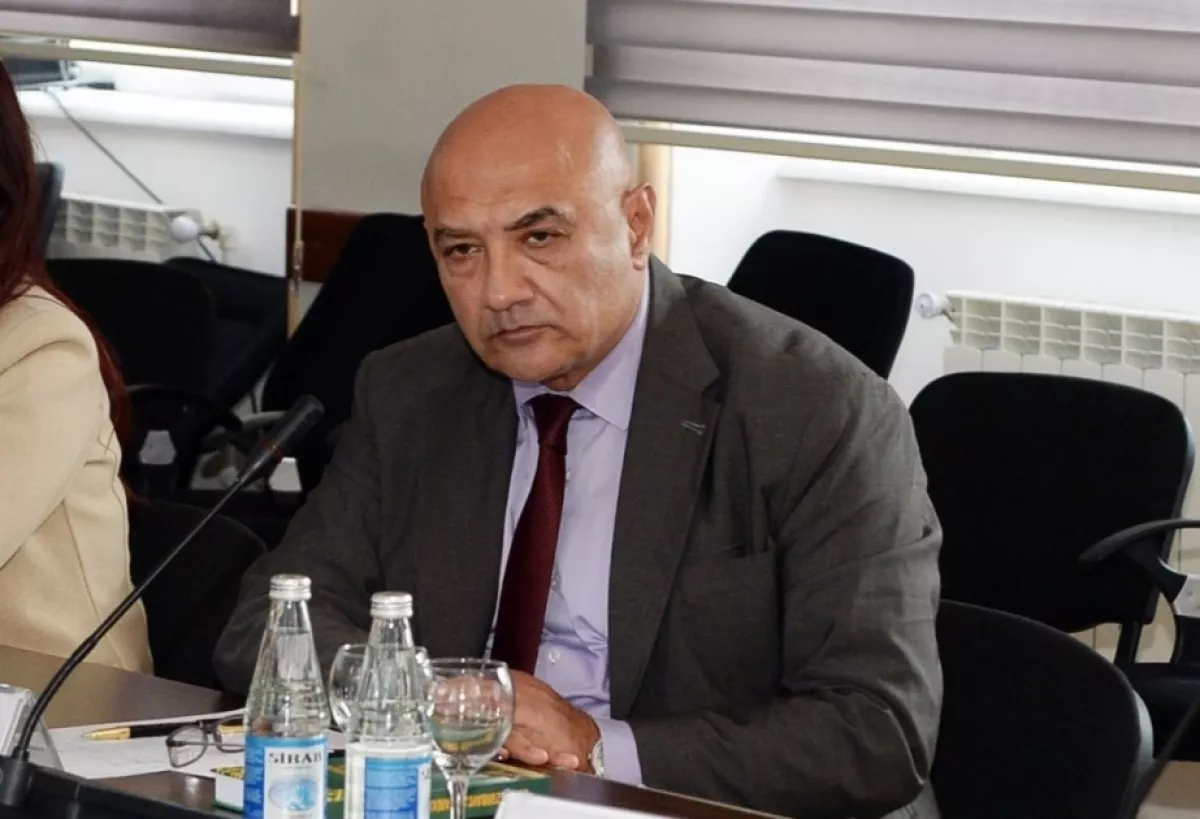
Azerbaijani political analyst Tofig Abbasov, Senior Advisor at the Baku International Multiculturalism Centre, noted that this issue is not new and, in his view, it is well known that a key Armenian ideological paradigm is largely built on a denial of reality.
“It aims to convince the international community and intellectual circles that Armenians are victims of the so-called ‘genocide.’ At the same time, we understand that this is, to a large extent, an artificially constructed ideological narrative designed to shape a distorted public perception.
It is no secret that the Armenian diaspora in the United States has significant influence and resources. We are talking about The Washington Times, but there is also The Washington Post, where columnists of Armenian origin are published and periodically promote an anti-Azerbaijani and anti-Turkish agenda. They conduct so-called investigations, seeking to sway American public opinion toward recognising the ‘genocide.’ However, there is a growing sense that the Armenian intellectual framework itself is gradually losing control of the situation, as the world is rapidly changing.
The issue is not only the temporal distance from the events of 1915, but also the profound tectonic shifts in the global system. We are witnessing the Ukrainian and Iranian tragedies—the world is facing new upheavals and the risk of large-scale conflicts.
Unfortunately, destructive forces that are not interested in seeking compromise continue to operate within a logic of escalation, undermining the foundations of trust. They may believe that chaos will give them an advantage, but in major crises, the consequences affect everyone without exception.
In such conditions, it is especially important to adhere to stabilising trends. Nevertheless, Armenian diaspora structures—in the United States, Europe, and the Arab world—continue to rely on the same narrative: ‘genocide, genocide, genocide.’ At the same time, the use of this term by one political leader or another no longer has a significant impact, as the global agenda is effectively overriding previous historical frameworks.
The late 20th century marked a turning point: the collapse of the bipolar system and the dissolution of the Soviet Union led to the emergence of a unipolar world, which in turn gave rise to a range of new challenges. Today, calls are increasingly being made for a transition to a multipolar model as a way to balance global processes,” the analyst noted.
Commenting on the publication in The Washington Times, Abbasov stressed that it requires careful analysis in the context of the ongoing global reassessment of values.
“Approaches that once dominated are gradually losing their relevance. New generations perceive past events differently. Narratives centred on ‘genocide’ and perpetual suffering have, to a large extent, exhausted their mobilising potential.
In the South Caucasus, by contrast, there are attempts to move toward engagement: platforms for dialogue between Azerbaijan and Armenia are taking shape, and initiatives such as the ‘Peace Bridge’ format for civil society are developing. At the same time, contradictory signals persist.
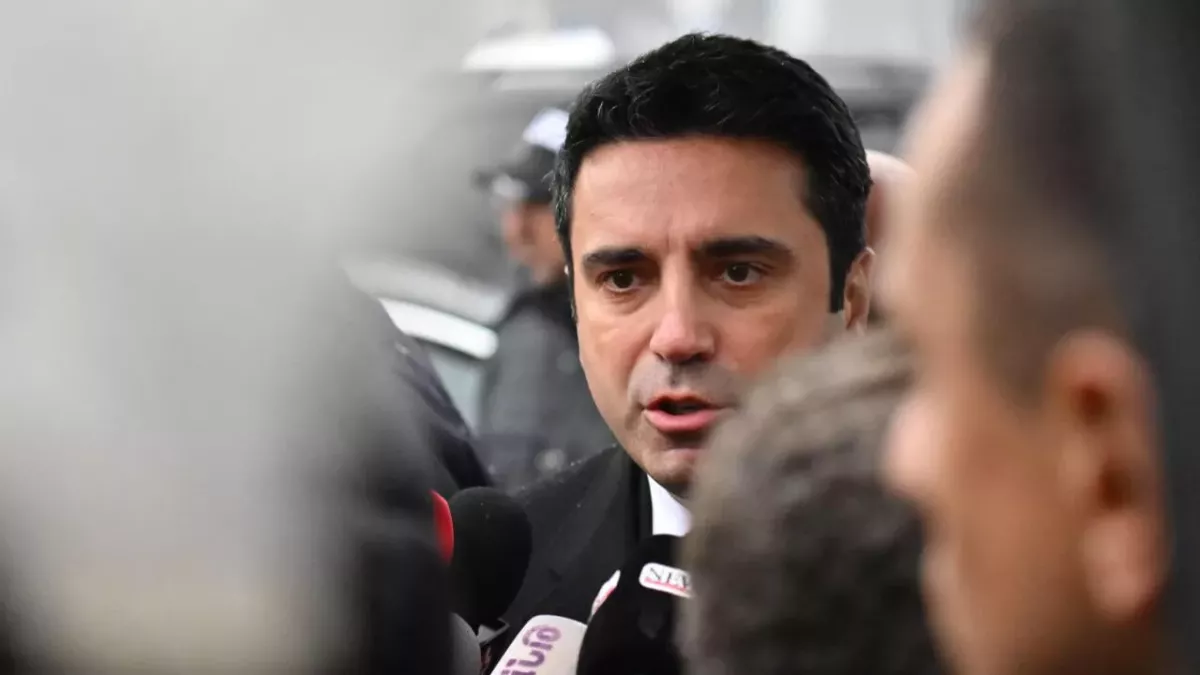
Thus, while in Türkiye, Armenian Parliament Speaker Alen Simonyan, in an interview with the newspaper Agos, once again presented the situation in a distorted light. In particular, he claimed that Azerbaijan is allegedly hindering the normalisation of Armenian-Turkish relations and raising the issue of so-called ‘prisoners,’ although in reality these are individuals convicted of crimes against the civilian population and the statehood of Azerbaijan.
Moreover, his statements reflect rhetoric about reviving the ‘Karabakh movement,’ which does not align with the expectations of younger generations. History shows that the world often changes through conflict—hence the notion that wars act as the ‘midwife of history.’
Nevertheless, it would be far more productive to reduce the level of radicalism and shift toward a more constructive agenda. Much of what The Washington Times writes about has largely lost its relevance. The priority should be reconciliation and a rejection of utopian approaches.
The Armenian intellectual community needs to focus on constructive engagement, develop new narratives, and build dialogue. No one denies the tragic nature of past events; however, their politicisation and the artificial escalation of tensions do not contribute to stability. Armenian society and the diaspora need to demonstrate flexibility and a willingness to adapt to new realities,” Abbasov concluded.







 editor@caliber.az
 +994 55 444-88-98
 Азербайджан, Баку, ул. Низами, 203, Af Business House, 5-й этаж