










Kyiv launches military reform: what will change on the front line? Expert opinions on Caliber.Az
President Volodymyr Zelenskyy has announced a large-scale military reform in Ukraine, Reuters has reported.
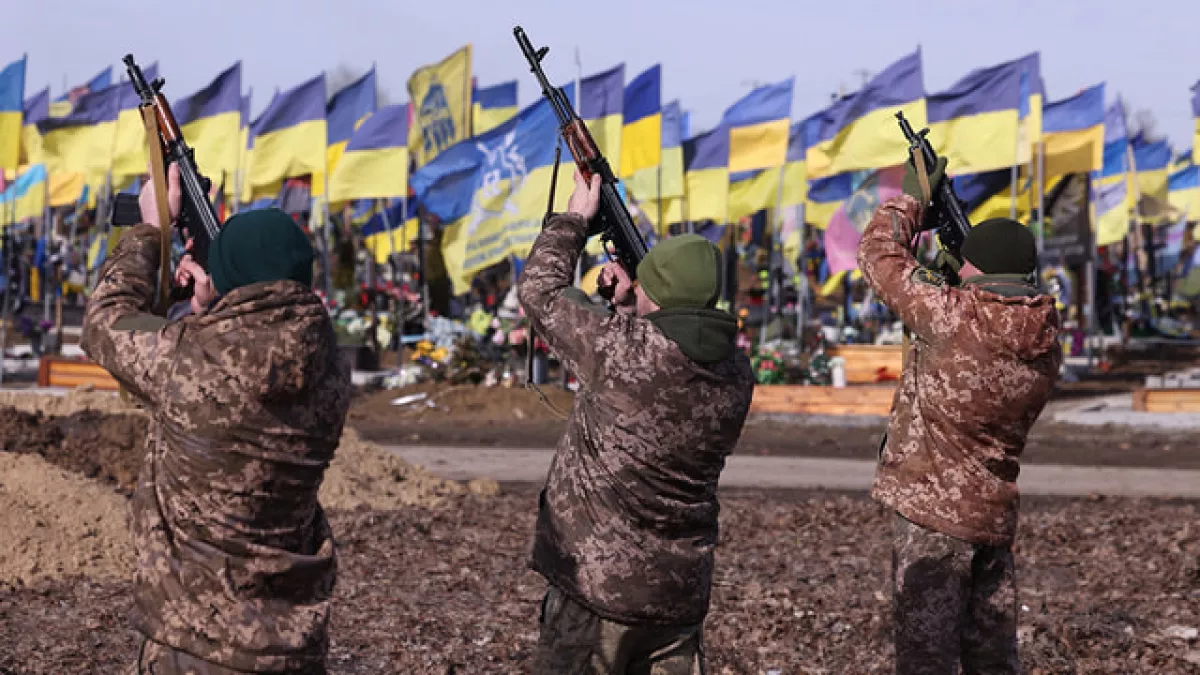
According to the agency, the reform will begin in June of this year. Its main goal is to address acute issues related to manpower shortages and the fatigue of soldiers who have been serving since the start of the full-scale invasion in 2022, amid protracted peace negotiations with Russia.
The reform includes three key directions aimed at increasing the attractiveness of military service and creating a more transparent rotation system. These include higher financial allowances, special contracts for infantry units, phased demobilisation, and a new contract-based service system.
By May 2026, all key details of the reform are expected to be finalised. In June 2026, the reform is set to begin, with the first results expected, particularly in the area of financial provision.
The new Defence Minister Mykhailo Fedorov, appointed in January to improve mobilisation and combat evasion, has described these changes as a “systemic” transformation of the army.
An interesting question is whether this reform can lead to meaningful results. For example, even a temporary cessation of hostilities?
Well-known Ukrainian commentators answered these questions for Caliber.Az.
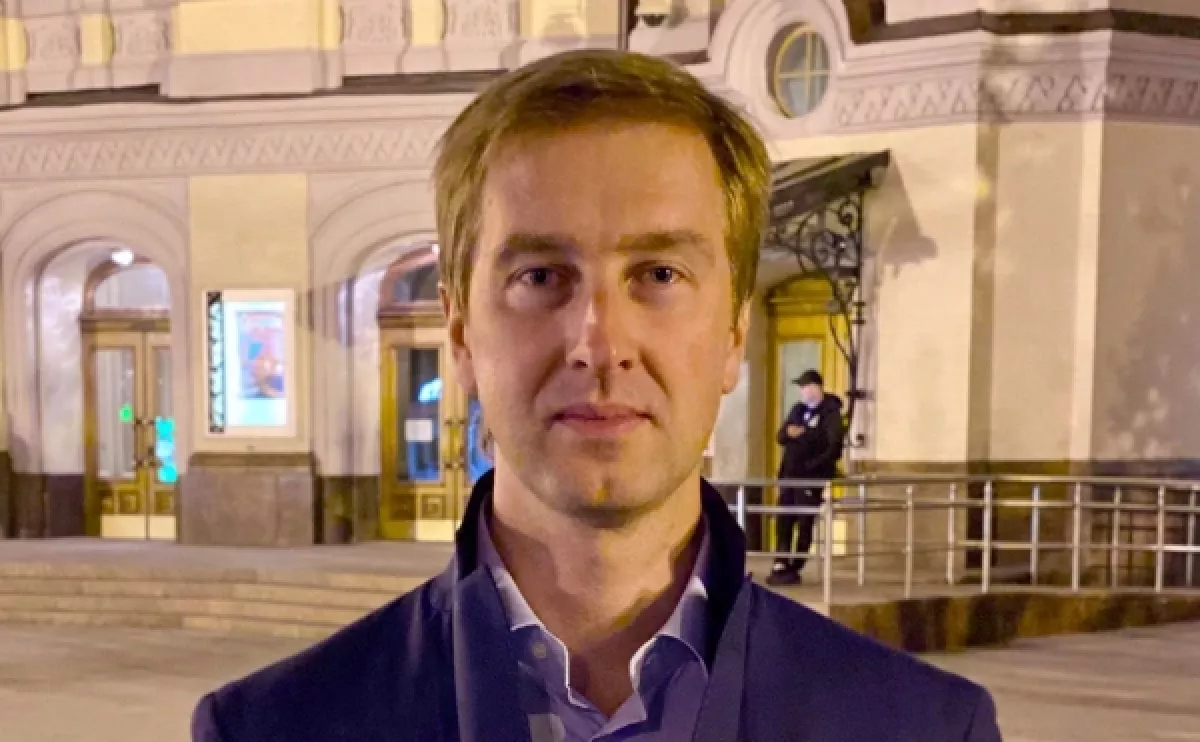
Military analyst Ivan Stupak, a former officer of the Security Service of Ukraine, believes that this reform has been overdue for a long time.
“This topic has been circulating for quite a while. The only thing that prevented us from implementing this reform was the lack of money. The reform can only start now, after approval of assistance to Ukraine in the amount of 90 billion euros over two years (approximately 45 billion euros per year). Of these funds, about one-third will go to quasi-military needs, and the rest — to military purposes. Without financial support, such initiatives cannot be implemented.
Ukrainian authorities are trying to eliminate the negative aspects associated with forced mobilisation, which has been ongoing for the past three years and has caused significant public dissatisfaction. This dissatisfaction is planned to be eased through financial incentives. While the Russian Federation can afford this approach, Ukraine previously did not have such a capability. Now it is planned that the minimum payments for servicemen in the rear will range from 900 to 1,100 dollars. The maximum payments — from 5,000 to 10,000 dollars — are intended for assault troops participating in offensive operations,” the expert said.
According to him, the main emphasis is placed on strengthening the assault component in order to enable offensives on selected sectors of the front line.
“Conceptually, the strategy looks like this: with sufficient funding, the army is ready to recruit all willing volunteers, offering high and long-term payments.
The processes of recruiting new soldiers and demobilisation are interlinked: the demobilisation of those who have served for a long time will begin only when new people start actively joining the army. The implementation of the reform is tied to June, when Ukraine expects to receive the first funds. If the process is launched in June, the first results can be assessed no earlier than November 2026. However, there are risks such as corruption and various local-level complications that could slow down the execution of the plan,” Stupak explained.
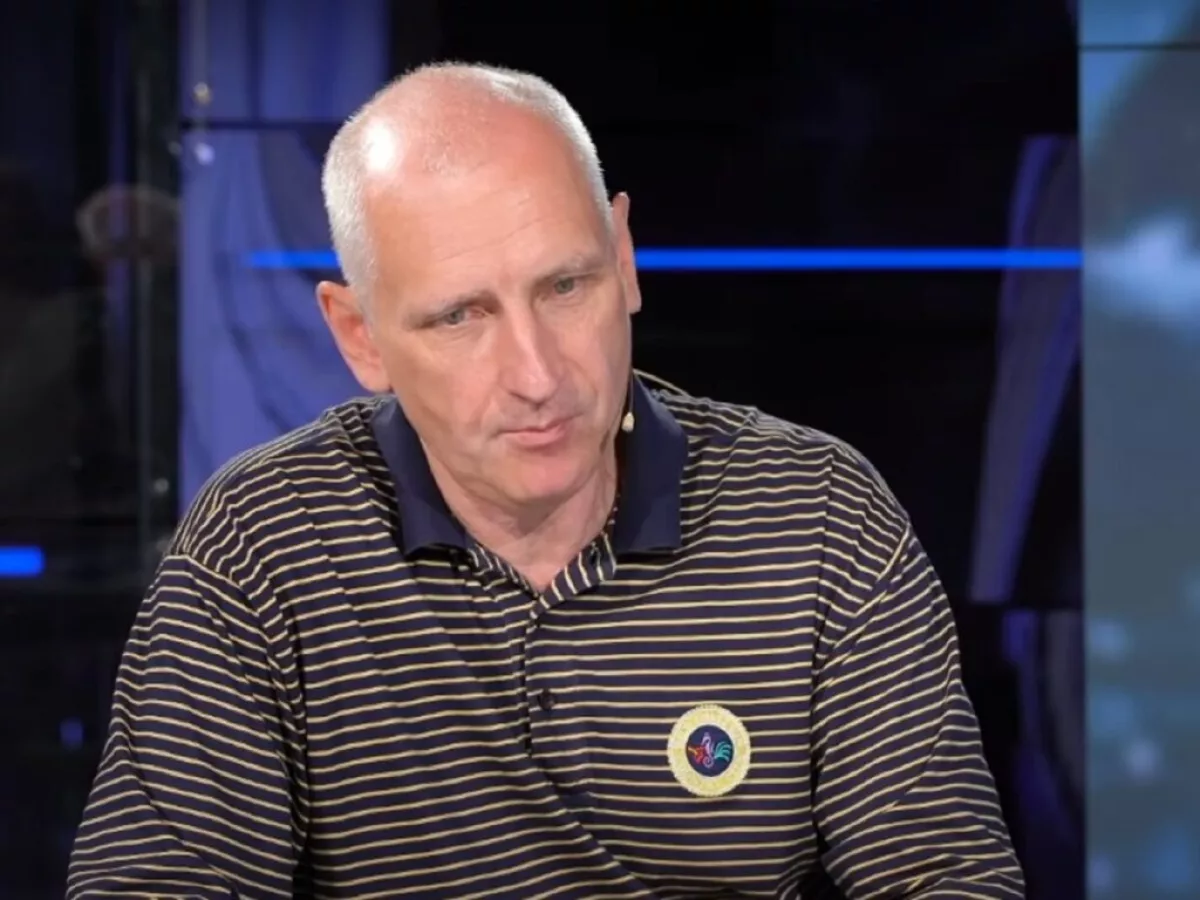
Ukrainian security and defence expert, retired colonel Oleh Starikov, in turn, noted that the announced reform may be one of the signs of important changes, but in the form described it is not a factor that shapes or significantly influences large-scale transformations.
“Why? Because at the moment we are not discussing a reform as such, but rather an operational response to something that cannot be left without an answer. For example, the revision of financial payments to servicemen. This is not the first attempt and, I am sure, not the last. The opposition (the ‘European Solidarity’, ‘Batkivshchyna’, and ‘Holos’ parties) has been demanding increases in payments to soldiers since the very first year of the war.
But! If they insist on this as compensation for danger, risk, and to increase the prestige of service in the Armed Forces of Ukraine, then in the public rhetoric of those who are currently announcing new military salaries it is explained as being ‘for motivation’.
However, even I find it difficult to say how effective the financial factor is in motivation if previous increases in military pay did not stimulate mobilisation. Combined with a deep reform of the mobilisation system, in particular the TCR [Territorial Center of Recruitment and Social Support - ed.], it might work. There are also announcements about innovations in the operation of the TCR, including body cameras for staff (not for everyone!). Whether this idea will be implemented is hard to say.
At the same time, I see no point in improving something that has been discredited not only in Ukrainian society, but also in some external communities. Even extremely high payments will not attract people into the ranks of the Armed Forces of Ukraine, because the entire system is non-transparent. A mobilised person loses access to means of communication and contact with the outside world. He is placed into a closed reality. Even if a man is highly motivated and wants to serve, this becomes a serious psychological stress.
As a result, a vicious circle emerges: the Armed Forces of Ukraine need replenishment, but new recruits, many of whom are not voluntarily mobilised, fight less effectively. At the same time, the Territorial Centers of Recruitment (TCR) have a mobilisation target that must be fulfilled. It cannot be achieved ‘with white gloves’, and failure to meet the target means not only disciplinary consequences, but also, more importantly, weakening of the Armed Forces.
It is clear that high salaries for servicemen have never solved, and will not solve, the mobilisation problem. As far as I know, there is discussion about a transition to a contract system and the recruitment of foreign citizens, but all of this is only supplementary support: the country is ours, and we are the ones who must defend it,” the expert stated.
In his view, the only element among the announced reforms of the Armed Forces of Ukraine that truly appears systemic is rotation.
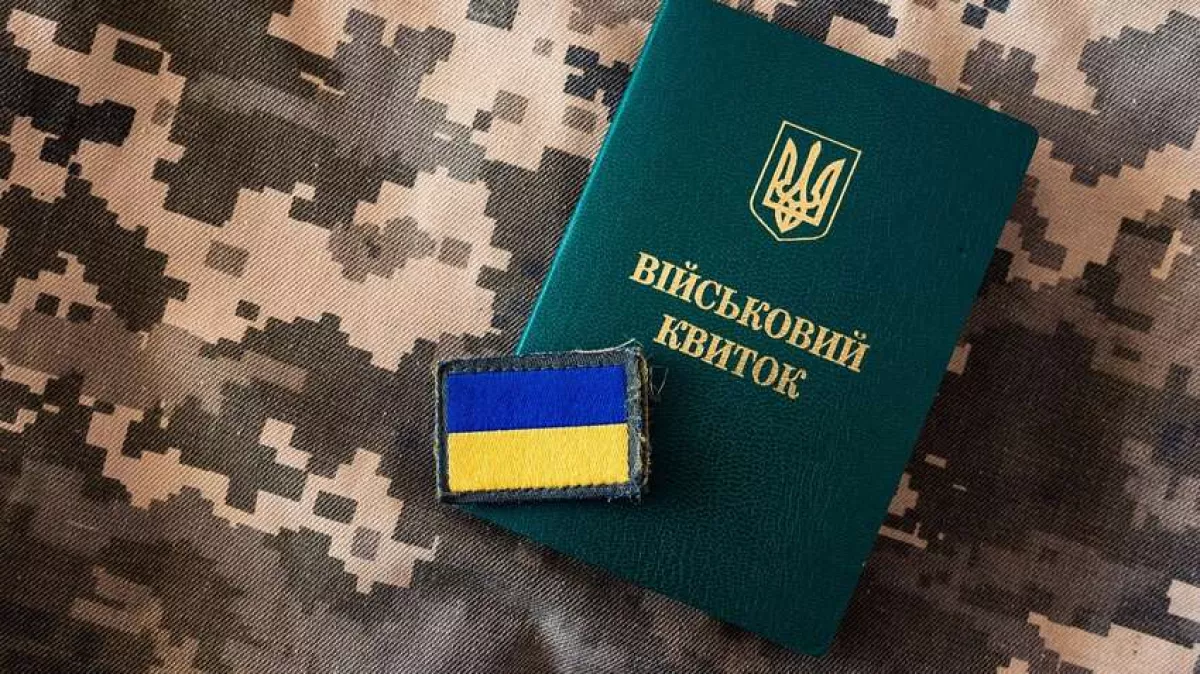
“Again, this is something that our parliamentary opposition has been calling for almost since the first months of the war. However, I do not consider this innovation to be systemic. Why? Because it is a response to the scale of AWOL cases (Absent Without Official Leave), which at the moment are likely so significant that, without clear rotation timelines, they risk seriously undermining combat effectiveness and soldiers’ motivation.
It is important to understand that we were not prepared for war, even taking into account the ATO/Joint Forces Operation, which were localised operations. We had to build and rebuild the army literally under combat conditions, because we were attacked, and everything began suddenly when the Armed Forces of Ukraine were undergoing transformation towards NATO standards. Therefore, we are forced to realise ‘on our own skin’ what innovations are necessary and to implement them in real time.
Conducting a large-scale military reform during wartime is an enormous risk and inevitably leads to confusion, mistakes, miscalculations, and adjustments. We cannot afford this. The main task of the Armed Forces of Ukraine is to conduct combat operations, defending the state and its citizens. I would note that criticism of the Territorial Centers of Recruitment (TCR) in principle undermines the combat capability of the Armed Forces, although ignoring criticism is also impossible, otherwise mobilisation would lose its meaning altogether. And, of course, enemy propaganda amplifies emotions around this issue, as it works in its favour. Not all TCRs in the country are, to put it mildly, the same.
Mobilisation in our country can hardly be called forced, even with a stretch. The cases that become the subject of discussion and condemnation in Ukrainian society and even abroad are not systemic. Here, our political and military leadership is forced to act very cautiously. Where am I going with this? The announced reforms, I repeat, are not systemic — they are an operational response. But they indicate that continuing to improve the Armed Forces’ mobilisation and combat readiness using such methods is no longer possible,” the expert believes.
“Is this a signal of a possible truce or ceasefire? No, no, and once again no. Because the root causes of the war have not been eliminated, and there are not even the slightest signs of compromise. Yes, our president, Volodymyr Zelenskyy, proposed a meeting with Putin, and he was 100% sure that Putin would not agree, as there is nothing to discuss.
This was also confirmed by Putin himself in the latest conversation with Trump. The main sticking point remains Donbas, but more broadly, the geopolitical situation has changed. Let’s assume the United States could move towards the Anchorage agreements. With difficulty, Europe might also agree to this — provided there are guarantees of non-aggression from Russia, which can only be given exclusively (!) by the United States.
But that was before the war in Iran. The war in Iran has changed a lot. Now China is seen as a potential party to a conflict with the United States. This means that it may be in China’s interest to allow a slow, creeping advance of Russia in Ukraine until Europe’s patience runs out.
To defend itself, one needs money and weapons. These can be obtained cheaply and quickly from China — in exchange for the same reaction to Taiwan’s annexation as the United States’ actions in Iran, meaning non-interference. Or one can turn to the United States for support.
In this situation, Europe is more tempted to ‘give up’ part of Ukraine in exchange for guarantees of non-aggression from Russia, backed by China. Thus, Ukraine is currently under triple pressure, and what is presented as ‘reform of the Armed Forces of Ukraine’ may in fact be rapid preparation for the worst-case scenario. Not because such a scenario is inevitable, but because it is plausible. At the same time, we do not know what other measures are being planned within the Armed Forces.
The timelines speak for themselves. The summit between Chinese President Xi Jinping and U.S. President Donald Trump has not yet taken place, but the atmosphere is already heated. The second half of May and the beginning of summer may become a period of rapid, unimaginable changes that even we, military specialists, can only partially speculate about. It is better to be prepared for such a period: Ukraine has learned a bitter and bloody lesson on February 24, 2022,” Starikov concluded.







 editor@caliber.az
 +994 55 444-88-98
 Азербайджан, Баку, ул. Низами, 203, Af Business House, 5-й этаж