










Georgia–EU: A new phase of conflict Experts on Caliber.Az
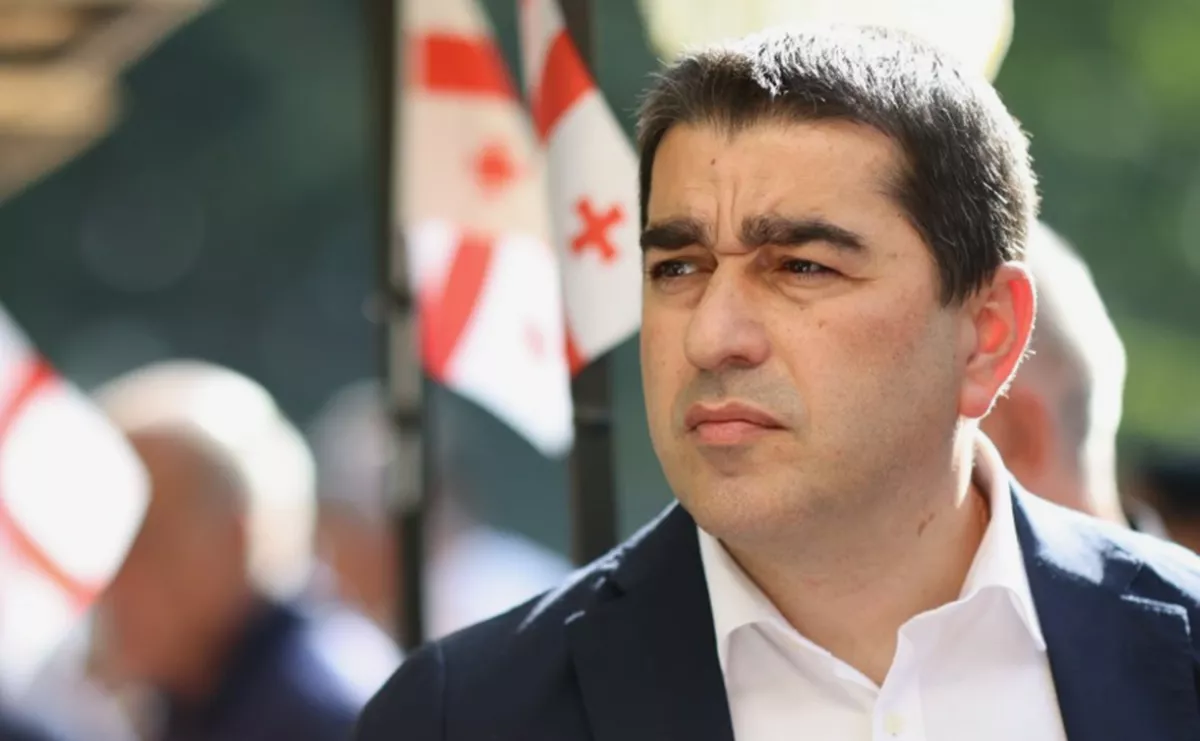
Georgian Parliament Speaker Shalva Papuashvili told journalists that the European Union is gradually turning from a peace project into a project of disorder, hostility, and confrontation, and that it should be ashamed of this.
Earlier, the television channel Imedi reported that Georgian opposition parties are preparing for new unrest in the country. According to the channel, this time, a revolutionary scenario for the opposition is being developed by one of the leaders of the organisation, “Prague Civil Society Centre,” Igor Blažević.
“Sources indicate that the State Security Service has received information regarding these activities from international colleagues and is initiating a legal response to the matter,” the broadcaster noted, claiming that a “revolutionary scenario” is being developed with Blažević’s assistance.
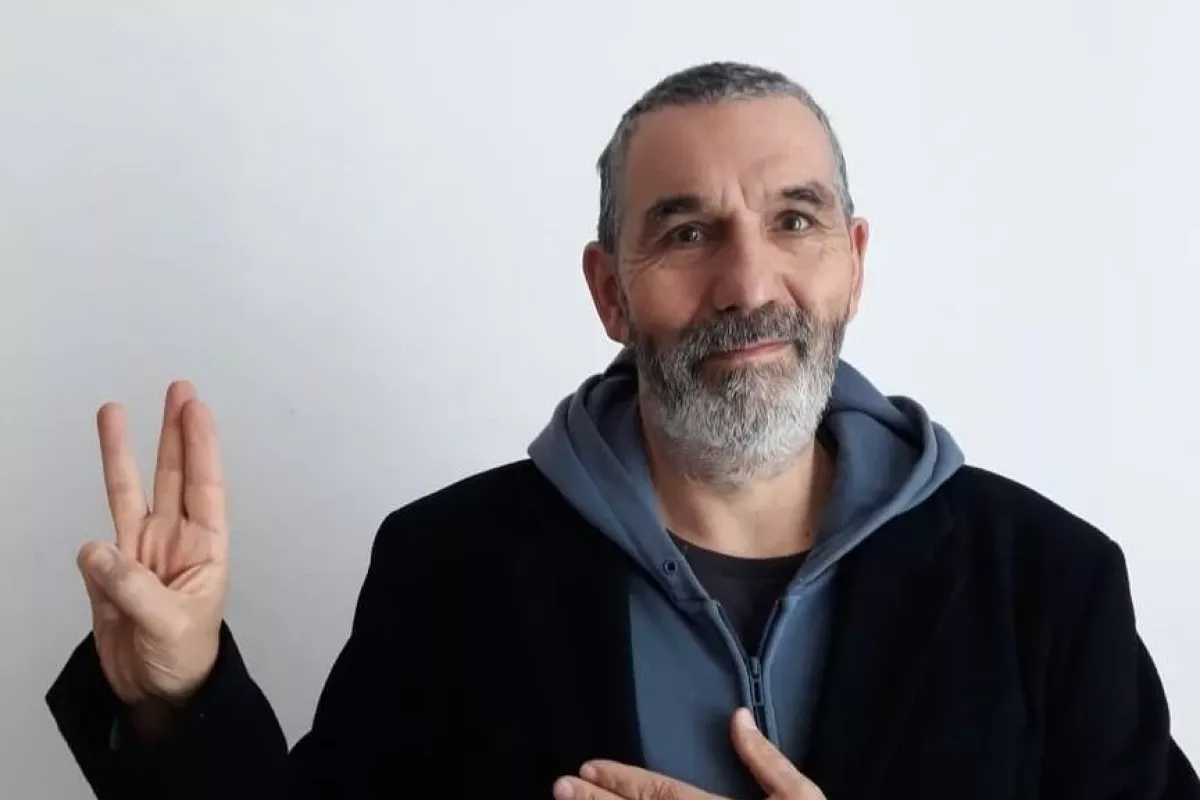
According to media reports, Blažević “conducted training sessions [...]. These meetings involve the distribution of specific instructions.”
Imedi also reports that both opposition representatives and radical youth organisations are taking part in these training sessions. It is noted that it was at Blažević’s recommendation that opposition television channels began spreading information about allegedly planned personnel reshuffles in the Georgian government.
Blažević is an open critic of the ruling party, Georgian Dream, particularly due to the Law on Transparency of Foreign Influence. He has also previously called for the introduction of sanctions against the Georgian leadership.
This is not the first case in recent years of foreign instructors being sent to Georgia to organise a “colour revolution.” Earlier, it was reported that protests by Georgian radicals were coordinated by Tom Palmer, vice president of the American non-governmental organisation Atlas Network. Before that, Serbian instructors who arrived in Tbilisi at the invitation and with financial support of the United States Agency for International Development (USAID), which was shut down by the Trump administration, conducted training in the city. They represented the organisation CANVAS and were linked to the Otpor movement, which organised the 2000 revolution in Belgrade.
“All such unrest is financed and organised by the European Union. This is a civilizational abyss. What could be more shameful than the gradual transformation of the European Union from a peace project into a project of unrest, enmity, and confrontation? The publication of this story is another source of shame for the European Union,” Papuashvili stated.
According to the Georgian politician, he intends to thoroughly examine information about planned unrest in Georgia involving a Czech organisation. As Papuashvili noted, similar processes were previously funded by the former U.S. administration; however, after Donald Trump and his team came to power, a number of organisations were shut down, and funding was discontinued. Now, he claims, this role is being carried out by Brussels.
How can the current situation be classified? What goals is the EU pursuing in relation to Georgia?
Caliber.Az sought answers to these questions from prominent Georgian experts.
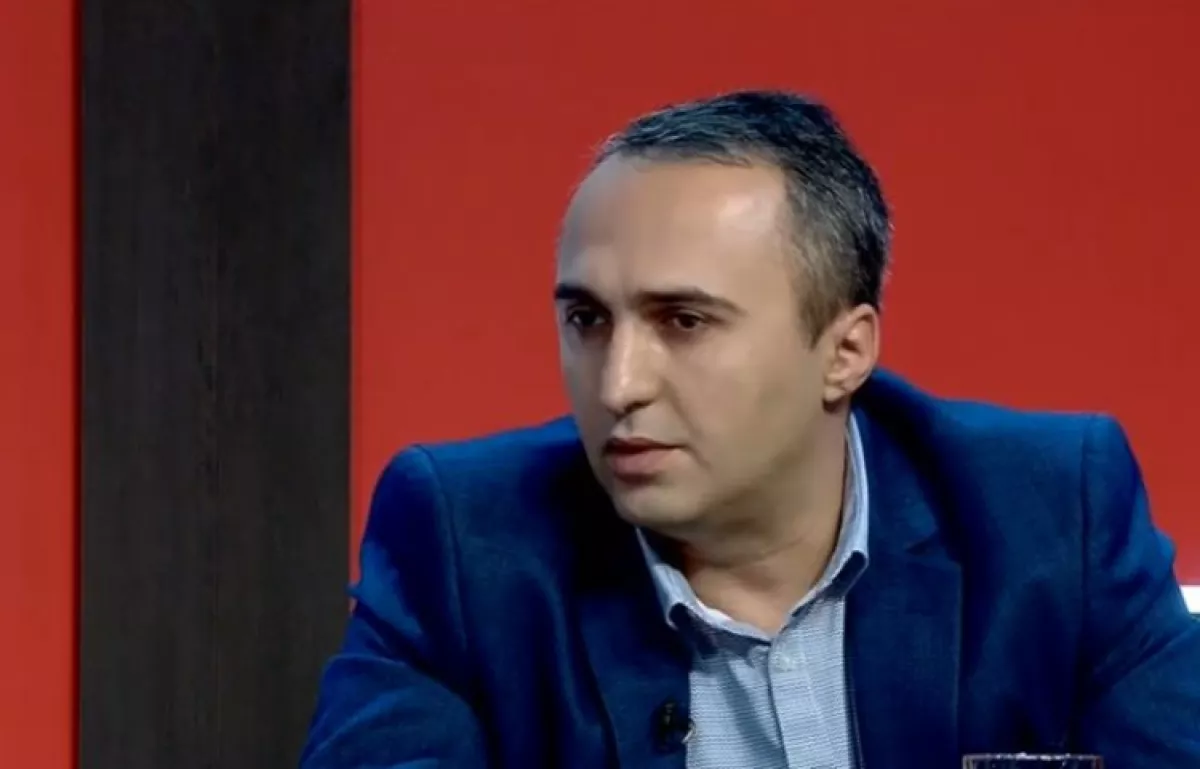
Analyst Irakli Lataria believes that all those who receive funding from foreign countries and attempt to destabilise the situation in Georgia are enemies of the people.
“Such individuals have always existed in our country, but in the past, this was not stated so openly. In my view, the current government listens exclusively to its own people and consistently protects Georgia from those who receive money in Europe or America. I have noticed that with Donald Trump’s arrival in the presidency, funding for revolutions from the United States has stopped, but now certain European leaders have taken on this role. Despite the fact that they do not enjoy the support of their own voters, they are doing everything possible to escalate tensions in Georgia to the maximum level.
As a Georgian, I am fully confident that the Georgian Dream party will not allow anyone to interfere in issues that must be resolved solely within the country. I am convinced that we will continue to be under reliable protection, as we are today, and that all our enemies will ultimately be punished,” Lataria stated.
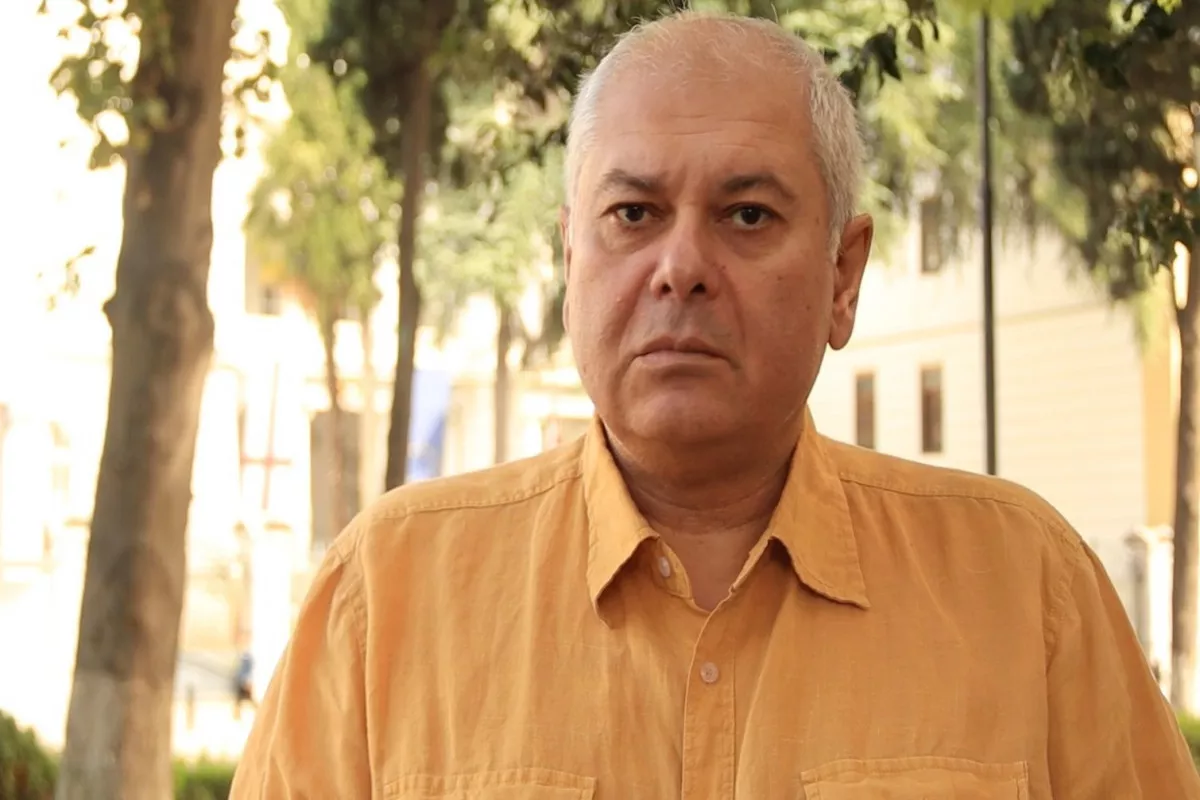
Georgian political scientist, Doctor of History, Badri Nachkebia, in turn, noted that relations between the current Georgian authorities and representatives of the Brussels administration are already in a deep crisis, and their further development remains uncertain.
“Neither side is ready to make concessions: the Georgian government is standing its ground, and the same can be said about Brussels. The Georgian authorities are especially actively criticised by certain circles in the European Parliament, accusing the country of deviating from democratic principles.
On the other hand, Georgia declares its ‘special path,’ while not abandoning its aspiration to join the European Union. This Euro-Atlantic choice is enshrined in the country’s Constitution as the will of the people expressed in a referendum. Nevertheless, the country faces the ‘sword of Damocles’ of further deterioration in relations with Brussels. The most extreme measure could be the introduction of a visa regime for Georgian citizens. For certain categories, in particular holders of diplomatic passports, the EU has already imposed visa restrictions, but mass measures have not yet been introduced.
In the near future, the Georgian leadership is likely to attempt to improve relations with the United States administration, as well as with several EU member states that hold distinct positions within the bloc. Previously, these included Hungary, although internal difficulties have emerged there following elections; the Czech Republic and Slovakia are also mentioned. Steps in this direction are likely to be taken, including with consideration of the Blažević factor,” the professor noted.
According to him, representatives of Georgia’s administrative bodies are currently in the Czech Republic, where they are holding meetings with their counterparts, which may be directly related to the Blažević issue.
“In general, Georgia is in a waiting mode, as the Trump administration has not yet spoken out against the current Georgian government. Moreover, there are emerging signs of a thaw at the highest level: Tbilisi is declaring its readiness for a reset. Recently, a parliamentary delegation and Georgia's First Lady visited the United States.
At the same time, in relations with Brussels, unfortunately, stagnation is expected, with a risk of further deterioration. However, if Georgian diplomacy manages to achieve a breakthrough in relations with the United States, this could automatically trigger a thaw in relations with Brussels as well,” Nachkebia suggested.







 editor@caliber.az
 +994 55 444-88-98
 Азербайджан, Баку, ул. Низами, 203, Af Business House, 5-й этаж