










A turbulent world and the Turkic response Expert opinions on Caliber.Az
Recently, the second meeting of the heads of governments/vice presidents of the member states of the Organisation of Turkic States (OTS) was held in Baku.
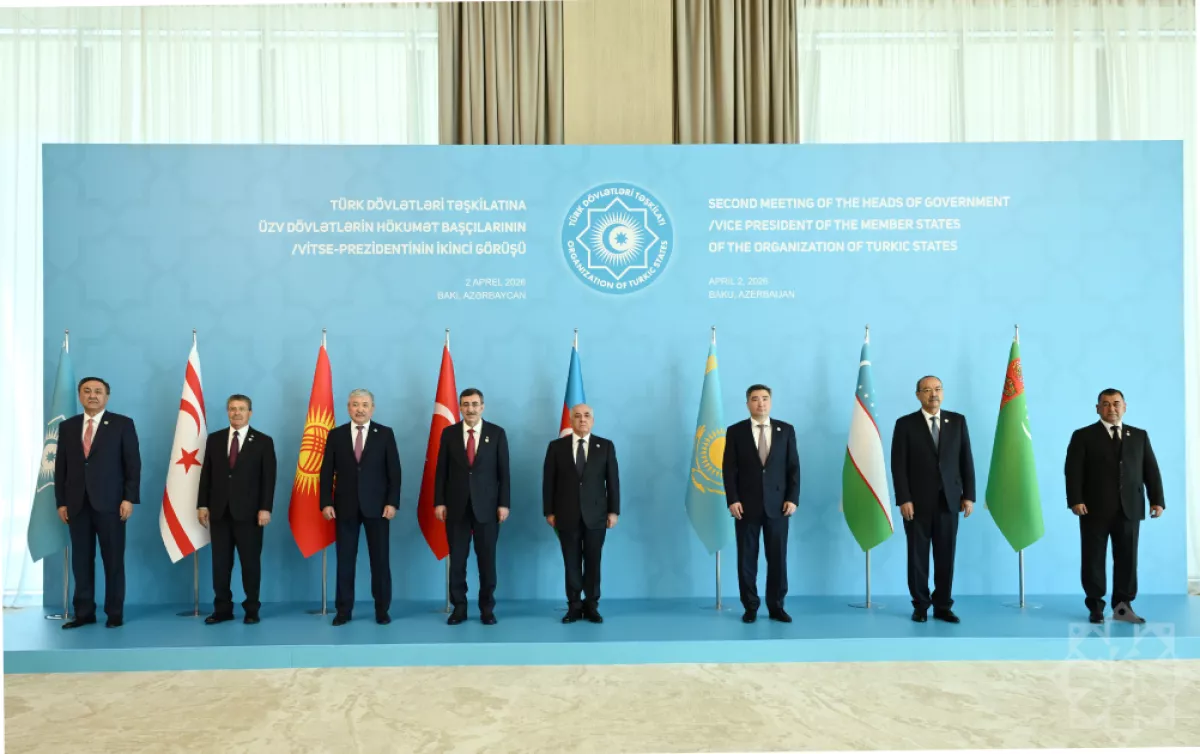
Following the meeting, a joint statement was adopted. The heads of governments of OTS member states expressed support for the ongoing chairmanship of the Republic of Azerbaijan and highly appreciated its active efforts to strengthen unity, enhance institutional capacity, and develop practical cooperation in priority areas.
What challenges does the united Turkic world face today? What are the prospects for the further development of the OTS? How can the organisation be evaluated in terms of its future potential?
Caliber.Az asked leading experts to provide their insights on these questions.
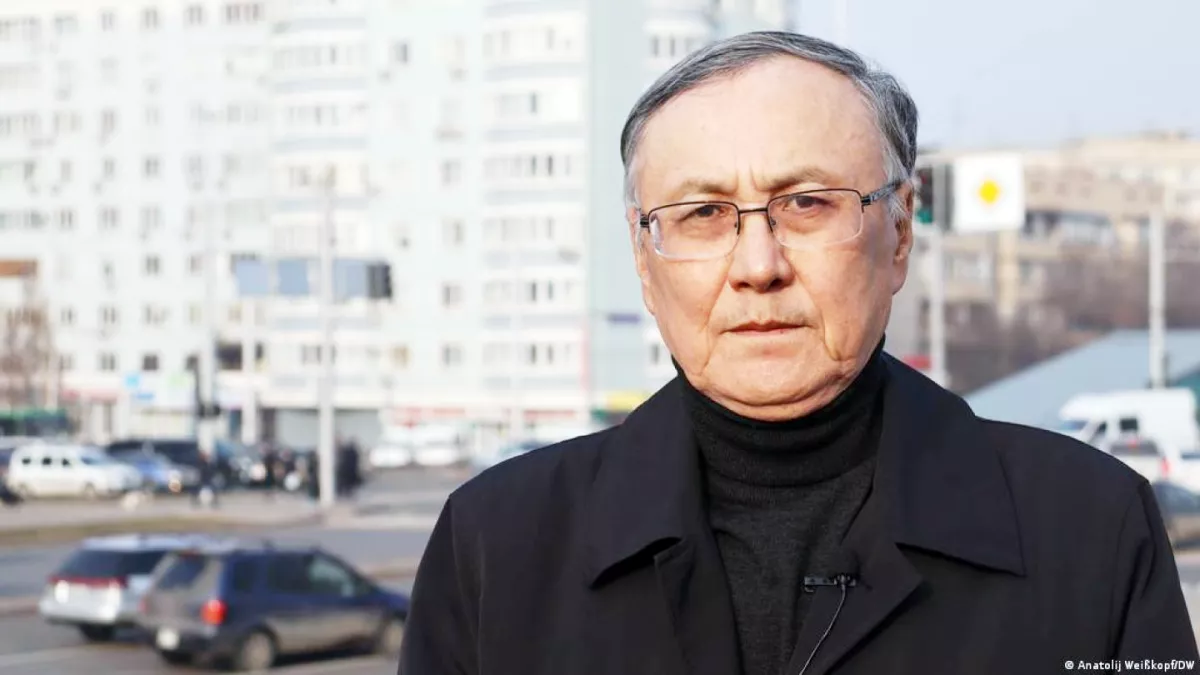
Kazakh political analyst Kazbek Beysebaev believes that the world is currently undergoing a process of reallocation of spheres of influence.
"For this reason, the international system has entered a state of turbulence—in the truest sense, the world is in turmoil. Military conflicts are unfolding across the Eurasian space and its immediate vicinity, indirectly affecting the Turkic world. Regardless of our position, we cannot remain indifferent to the war in Ukraine, the Afghan-Pakistani confrontation, the conflict surrounding Iran, or the overall situation in the Middle East. Further escalation of these crises cannot be ruled out. Moreover, new hotspots of tension may emerge. In any case, a high level of instability is likely to persist for a long time," the expert stated.
According to him, the conflicts occurring near the region and the various scenarios for their development make it more necessary than ever for Turkic states to develop a unified position and, if not joint actions, at least coordination of efforts.
"This underscores the need to strengthen not only political and economic cooperation but also collaboration in the military sphere, through emergency services, and in other areas. The conflict surrounding Iran, which directly involved the countries of the Persian Gulf, has shown that security cannot rely solely on external, transatlantic allies. The member states of the Organisation of Turkic States must draw the appropriate lessons from this situation.
As we can see, a wide range of challenges is emerging around us, and under these circumstances, OTS countries need to deepen cooperation across all fields. It is also important to highlight the role of Azerbaijan, which has been consistently advancing this agenda. This includes, in particular, the April 2 meeting in Baku of the heads of governments and vice presidents of the OTS, as well as the summit of the Council of Heads of State held last October in Gabala on the topic ‘Regional Peace and Security’," Beysebaev emphasised.
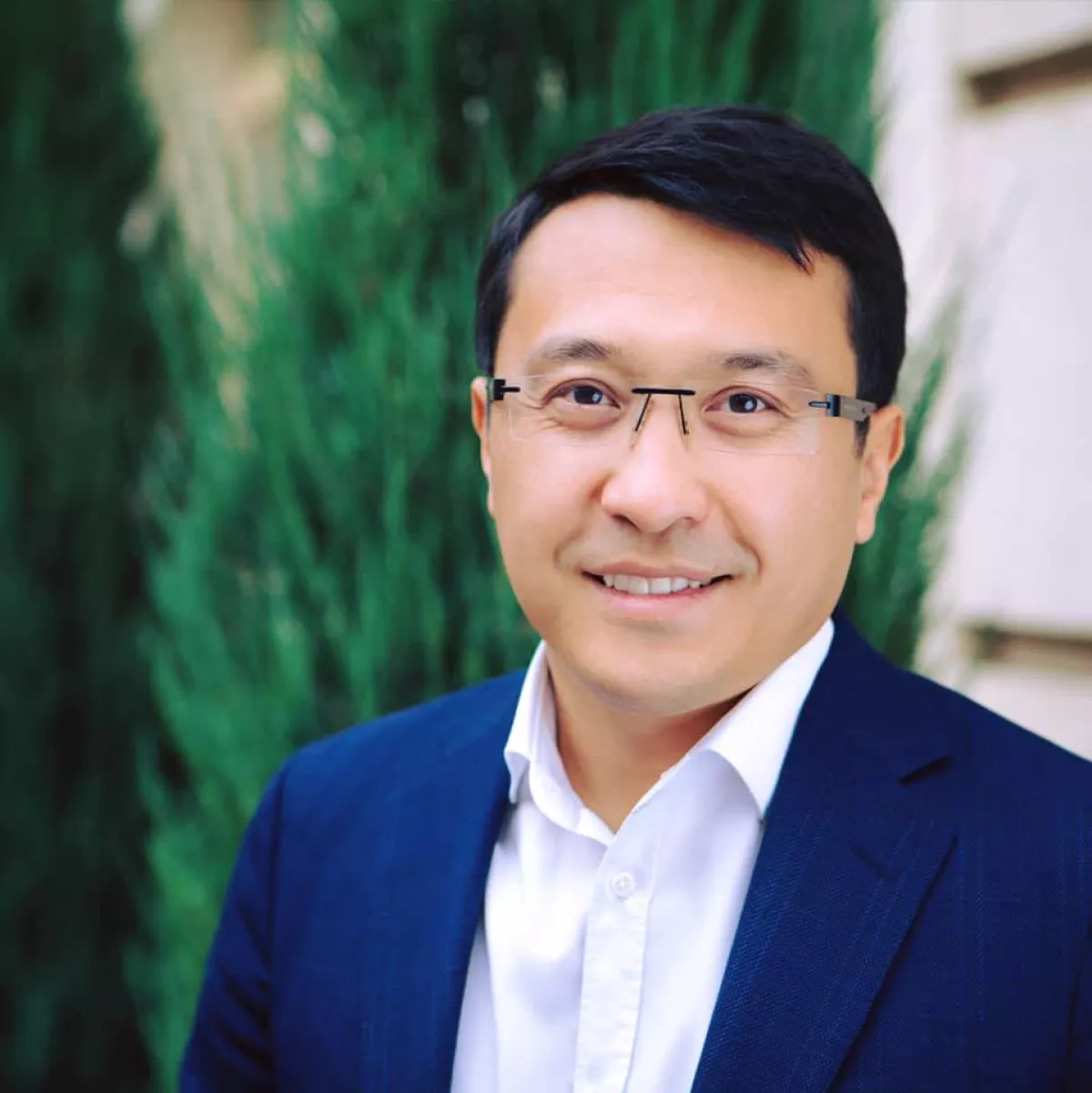
Kyrgyz analyst and international law expert Japar Usenov noted that the meeting in Baku was a scheduled event within integration processes, but the context in which it took place was unusual.
"The key factor was the war against Iran and the closure of the Strait of Hormuz, through which about 20% of the world’s oil passes. It is now effectively blocked, and prices have exceeded $120 per barrel. Iran struck six Persian Gulf countries—the UAE, Saudi Arabia, Qatar, Bahrain, Kuwait, and Jordan. This is a serious blow to the region’s economic model, which for decades has attracted global capital and human resources to centres such as Dubai and Abu Dhabi.
In this situation, a window of opportunity opens for our states. Capital and people are leaving the conflict zone; they need safe jurisdictions, clear rules, and advanced digital infrastructure. This is precisely what Turkic countries can offer.
Kazakhstan—through the Astana International Financial Centre (AIFC), operating under English law until 2066.
Kyrgyzstan—thanks to growing crypto turnover, which reached $10 billion in six months, the launch of a national stablecoin in partnership with Binance, and the development of the High-Tech Park, which increased exports to $200 million with zero corporate tax.
Uzbekistan, in turn, has legalised stablecoin payments and has already overtaken Kazakhstan in attracting foreign direct investment," the expert noted.
At the same time, he noted, the military conflict has turned transport routes—particularly the Trans-Caspian Corridor—from an alternative into a necessity.
"Iranian routes are effectively closed. Cargo flows are already being redirected, and their volume will grow through transit across our countries. For Kyrgyzstan, the key project is the under-construction China–Kyrgyzstan–Uzbekistan railway, valued at $4.7 billion, which transforms the country from a logistical dead-end into a fully functional transit hub.
As for the OTS itself, the organisation has strengthened institutionally. The Turkic Investment Fund, with a capital of $500–600 million, has started operating. Negotiations are underway to remove non-tariff barriers. A summit on artificial intelligence is expected in Turkistan in May. However, the main challenge is not declarations, but the speed of decision-making. We have a limited window of time—possibly just a few years—while the global system is being reshaped.
OTS countries need to intensify communication, accelerate integration processes, and abandon the illusion that we are outside global developments. The war around Iran carries serious risks for the region and the world as a whole, but it also opens new opportunities," Usenov emphasised.







 editor@caliber.az
 +994 55 444-88-98
 Азербайджан, Баку, ул. Низами, 203, Af Business House, 5-й этаж