










Mandate for peace: Can Pashinyan deliver his agenda? Armenian experts on Caliber.Az
Armenia’s most important domestic political event — the parliamentary elections — has concluded with a victory for Prime Minister Nikol Pashinyan’s Civil Contract party. It was opposed by the so-called “war party,” represented by the Strong Armenia faction linked to Russian oligarch Samvel Karapetyan, as well as the Armenia bloc led by former President Robert Kocharyan.
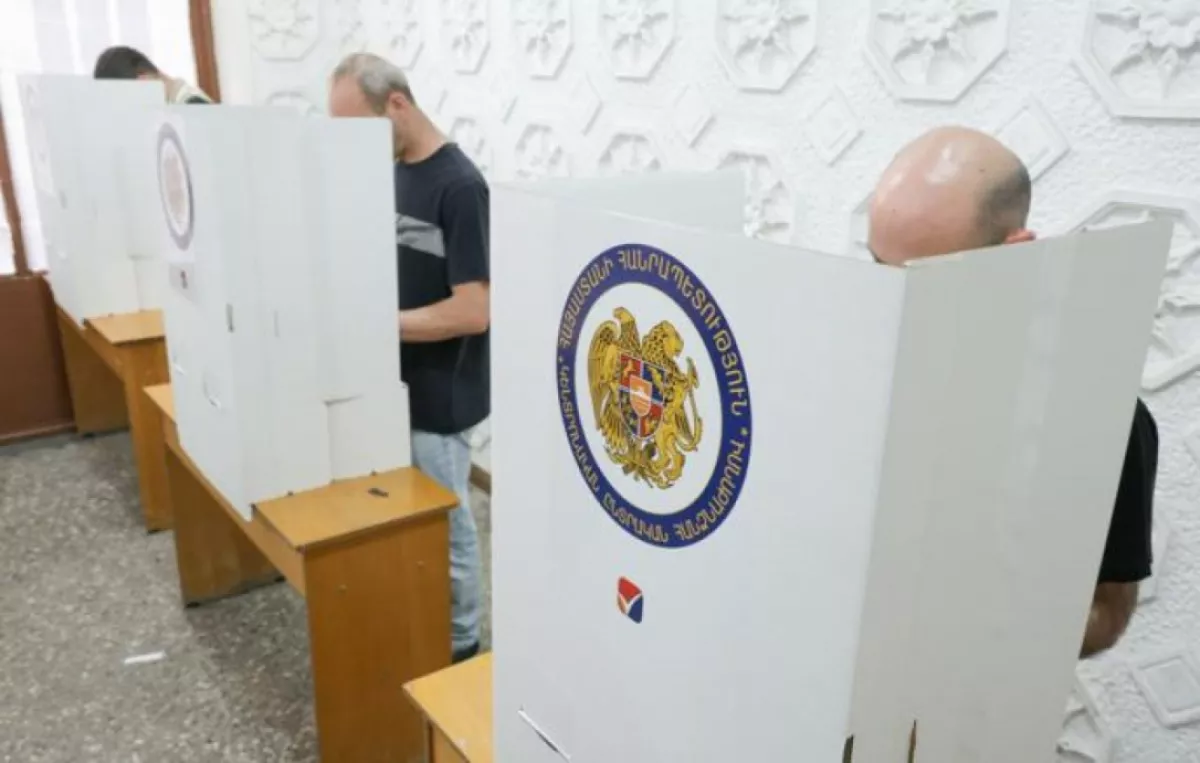
The citizens of this country, despite the heated atmosphere of the election campaign, delivered their final verdict on June 7: they chose peace in the form of Pashinyan’s political force, which, according to several media reports, won 64 out of 105 official seats in the National Assembly. The remaining mandates were distributed between Strong Armenia with 29 seats and the Armenia alliance with 12 seats. As a result, Civil Contract secures 3/5 of the total number of parliamentary seats, which allows the party to adopt constitutional laws and elect key officials.
The question is whether Pashinyan’s party, in the new parliamentary term, will be able to live up to the mandate for peace entrusted to it by Armenian society and bring the peace process to a logical conclusion. Will it be able to implement previously announced reforms, such as adopting a new constitution that would not include references to the preamble of the Declaration of Independence, which contains territorial claims against Azerbaijan? Armenian analysts answer these questions for Caliber.Az.
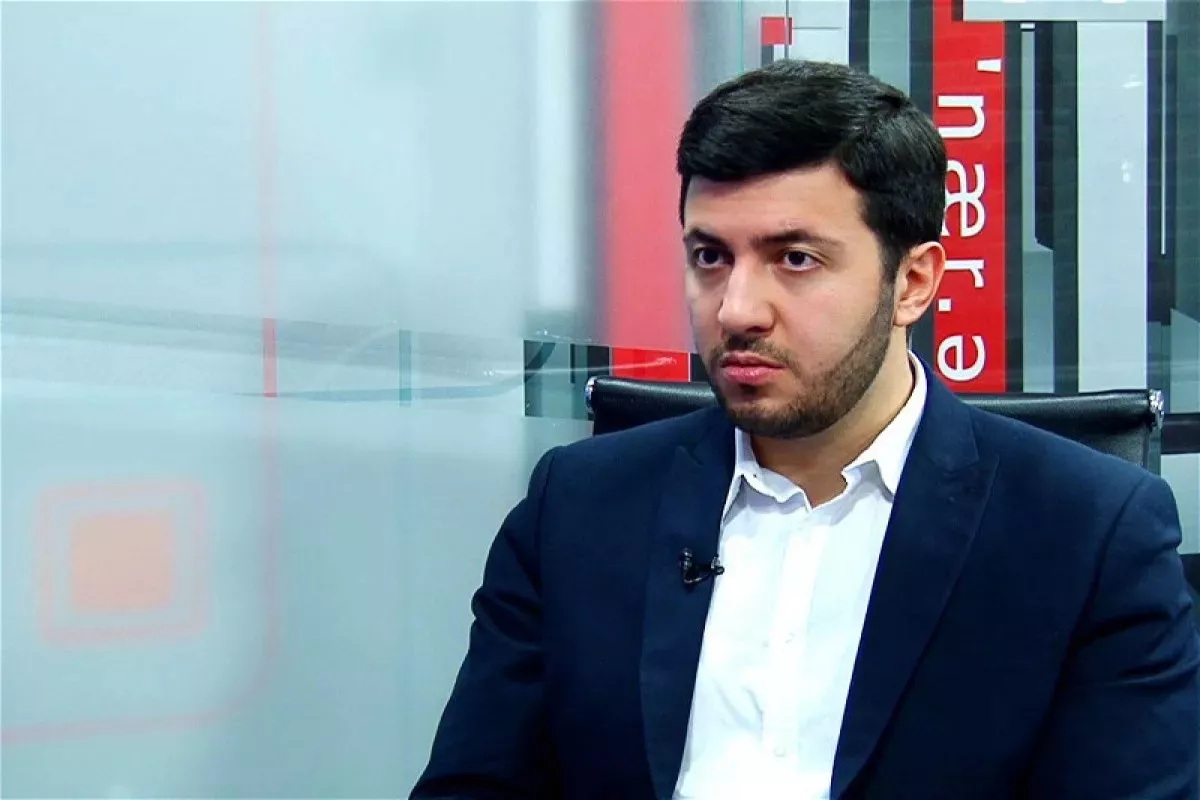
In particular, political analyst Areg Kochinyan, head of the Armenian Council research centre and a member of the civil initiative “Peace Bridge,” noted that even before the parliamentary elections, Pashinyan had clearly outlined Armenia’s foreign policy priorities: the peace process with Azerbaijan, normalisation of relations with Türkiye, European integration, and a balanced foreign policy. Following the victory of the Civil Contract party in the parliamentary elections, this course is expected to continue.
“However, there are certain difficulties here: according to the election results, Pashinyan’s party does not hold a constitutional majority in parliament, meaning 70 votes. This implies that there may be challenges in holding a referendum on adopting a new constitution, as implementing this goal requires a two-thirds majority of deputies, which the Civil Contract does not have.
When dealing with a less sensitive issue, there is almost always an opportunity to reach an agreement with another political force. However, in this case, the problem is that the two other parties that entered the National Assembly — Strong Armenia and Armenia — are Russian proxies. And since they represent Russia’s interests, they will, by all possible means, oppose the referendum on the constitution, because it is precisely the amendment of the Basic Law that would lead to the signing of a peace treaty between Baku and Yerevan. In my view, it will be extremely difficult for the Civil Contract to resolve the issue of insufficient votes,” he said.

The political analyst also noted that Pashinyan made rather strong statements, promising to accelerate criminal prosecution of opposition leaders and the seizure of their illegal assets, and gave a harsh assessment of the opposition, calling it the “war party,” and calling for legal proceedings over voter bribery: “We will see how Armenian justice treats these parties and their activities.”
Regarding Armenian-Russian relations, the expert noted that at present, one should not expect any abrupt political moves from Yerevan toward Russia.
“In recent weeks, Russia has effectively initiated a trade war against Armenia. At the same time, Armenian expert circles and politicians viewed these actions primarily as an attempt by Moscow to influence the election results. The elections have taken place, and now it is time for Russia to stop. If that happens, the balanced foreign policy of Pashinyan’s government toward Russia will continue. If the Russian side continues its ‘hybrid war,’ then Yerevan will have no other choice but to move more rapidly toward integrating its economy with the European Union,” Kochinyan stated.
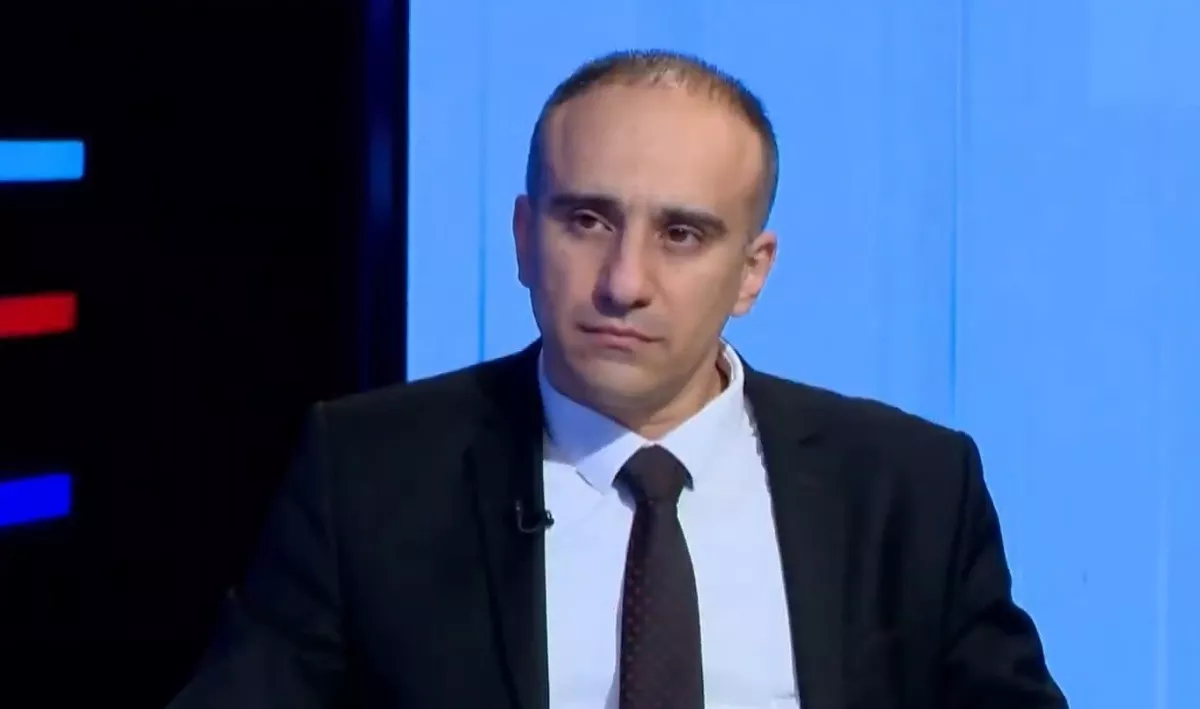
In turn, Candidate of Political Sciences and Associate Professor at the “Gladzor” University of Yerevan, Robert Ghevondyan, believes that the elections have once again confirmed the following fact: there are two ideological currents in Armenia. The first supports Pashinyan’s agenda, while the second advocates for the country’s return to Russia’s orbit.
“The fact that Pashinyan’s party managed to secure a larger number of votes means that the processes he has outlined will continue in the same direction without changes, and the course of Armenian-Azerbaijani and Armenian-Turkish normalisation will maintain its development trend. Unfortunately, the problems and contradictions that may arise in the newly elected parliament will essentially reflect the choice made by our society — this polarisation of views that exists within it — and one of the issues is related to the amendment of the Basic Law.
Likely, the draft constitution that has already been prepared and is awaiting nationwide approval will not be able to pass through the new parliament, and something will have to be revised and coordinated with the pro-Russian opposition into a new version. Whether this will fully resolve the problem that Azerbaijan sees in our constitution is difficult to say at this point, but in my opinion, such a possibility exists. We simply do not yet know what the price of this solution will be,” the political scientist concluded.







 editor@caliber.az
 +994 55 444-88-98
 Азербайджан, Баку, ул. Низами, 203, Af Business House, 5-й этаж