










Brexit is cracking: Britons want to return to the EU Expert opinions on Caliber.Az
More than 50% of UK residents are ready to support the country’s return to the European Union, which would mean revisiting the results of the referendum held 10 years ago. This is evidenced by the results of a public opinion poll conducted by Ipsos, cited by Bloomberg.
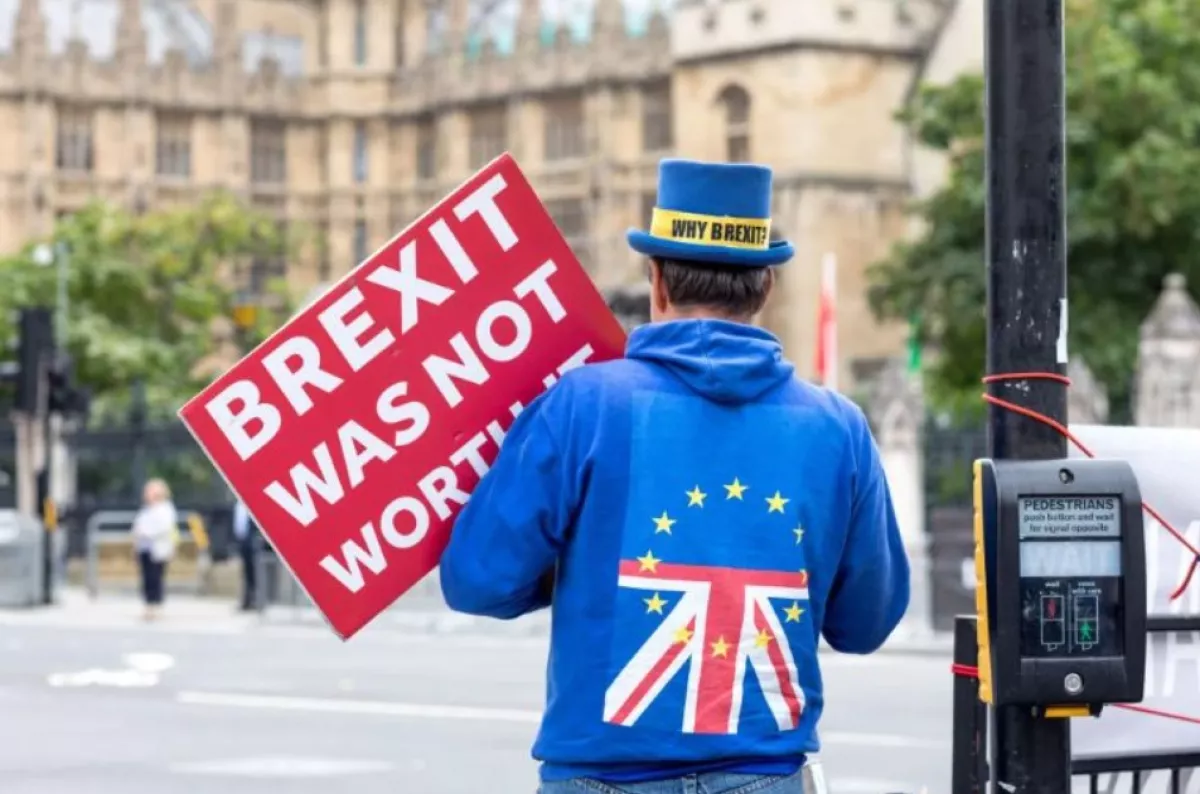
52% of respondents said they would support rejoining the European Union if they were given the same choice again. Only 33% believe that the United Kingdom is better off remaining outside the EU. Around 10% of respondents were unable to decide.
The Ipsos poll, conducted between May 14 and 20 among 1,137 respondents, revealed a significant age divide in attitudes toward Brexit. Younger Britons are much more likely to support revisiting the results of the 2016 referendum, while among citizens over 55, supporters of maintaining the current status quo prevail.
The highest level of support for the idea of returning to the EU is recorded among supporters of the Labour Party, the Liberal Democrats, and the Greens. At the same time, around 80% of supporters of the Reform UK party, led by one of the main ideologues of Brexit, Nigel Farage, oppose such a scenario.
The referendum on the United Kingdom’s withdrawal from the European Union was held on June 23, 2016. A total of 51.9% of Britons voted in favour of leaving, while 48.1% voted against. After several years of negotiations, the country left the bloc at midnight on February 1, 2020.
On January 1, 2021, the transition period ended, during which EU regulations continued to apply to the United Kingdom. In December 2020, the parties concluded a post-Brexit cooperation agreement, which provides for the creation of a free trade area for goods and services without quotas or tariffs, as well as visa-free travel for British citizens to EU countries and for EU citizens to the United Kingdom for stays of up to 90 days.
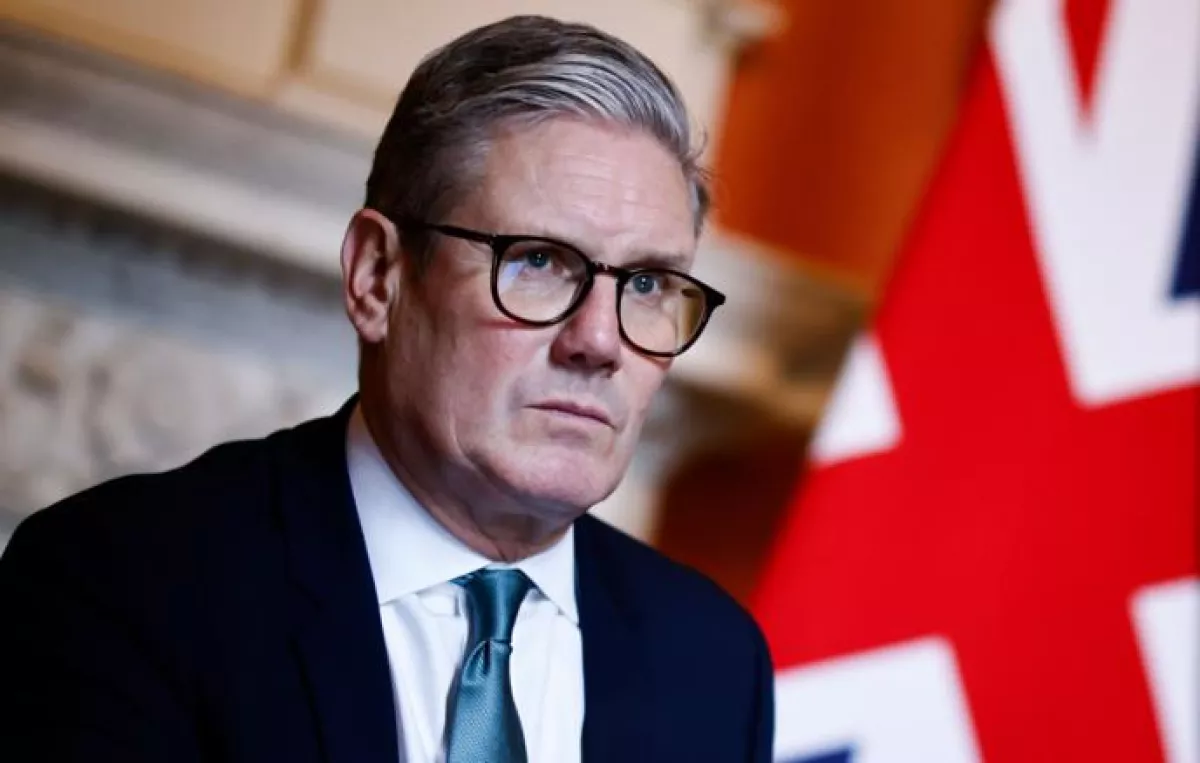
In May of this year, UK Prime Minister Keir Starmer announced plans to deepen relations with the European Union.
Is the restoration of the United Kingdom’s membership in the European family of nations even possible in principle? If so, what benefits and what challenges could this bring both to the EU and to the UK itself?
Notable foreign experts have shared their views on this issue with Caliber.Az.

Irish political scientist and historian Patrick Walsh believes that supporters of the UK’s return to the EU are currently waiting for the right moment.
“Right now, it would be difficult for them to advocate for holding a new referendum, but they understand that demographic trends are working in their favour. Brexit has not met expectations, and many of those who placed great hopes in it have ended up disappointed.
Since 2015, much has changed. The security situation in Europe has significantly deteriorated, and the United Kingdom is increasingly seen as a vital element of European defence. This could lead the EU to take a more favourable view of a possible reintegration with the United Kingdom. The worsening situation in Ukraine could accelerate this process, which would become one of the main benefits for the European Union.
For the United Kingdom, the main advantages would be freedom of movement and the removal of trade barriers. However, the issue of immigration is likely to work against this.
The British like the ability to travel freely across Europe, but they do not want Europeans, especially people from certain nationalities, to have the right to move freely to the UK,” Walsh noted.
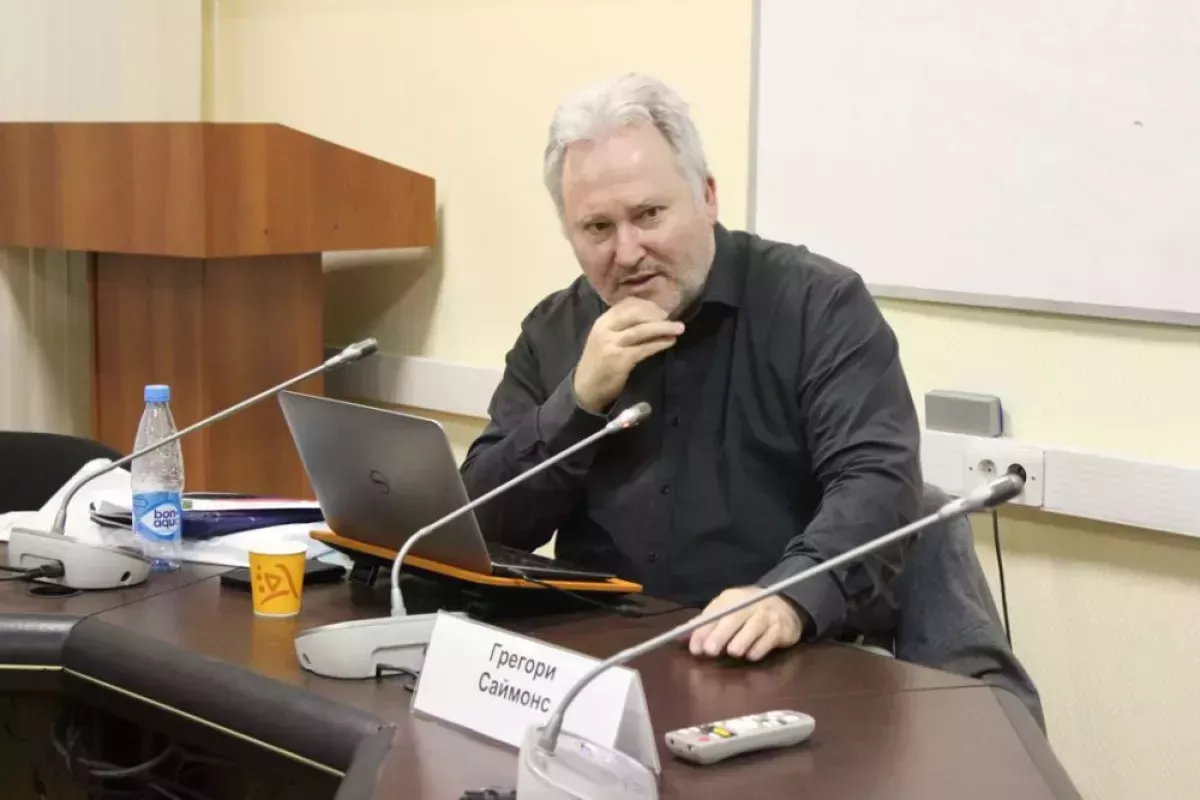
Doctor of Philosophy, political scientist, and professor at Daffodil International University in Dhaka, Greg Simons, stated that the European Union is becoming an increasingly controversial project even beyond the British context.
“In English there is an expression: ‘The grass is always greener on the other side of the fence.’ It captures the essence of the problem well. Demographics play an important role here: young people tend to support the EU from idealistic and ideological positions, while older generations are either sceptical of it or reject it altogether.
The EU, under what I would describe as the self-destructive and increasingly authoritarian leadership of Ursula von der Leyen, as well as other officials, raises doubts about its long-term viability. The bloc is becoming increasingly focused on promoting a specific ideological version of liberalism at the expense of democratic principles.
Even if the UK were to negotiate a return to the EU, the question arises: what exactly would it be returning to, given the numerous crises, including deindustrialisation, rising cost of living, declining welfare levels, and militarisation?
There are numerous risks associated with rejoining, but many of them stem from the incompetence of successive British governments, which have turned the country into a ‘banana monarchy’. If the UK were to rejoin, British society would likely face renewed disappointment,” Professor Simons said.







 editor@caliber.az
 +994 55 444-88-98
 Азербайджан, Баку, ул. Низами, 203, Af Business House, 5-й этаж