










Global duel of interests Trump–Xi meeting hints at strategic deal-making
The state visit of US President Donald Trump to China and his talks with Chinese leader Xi Jinping became a central event in world politics and a defining vector of interaction between the two largest powers.
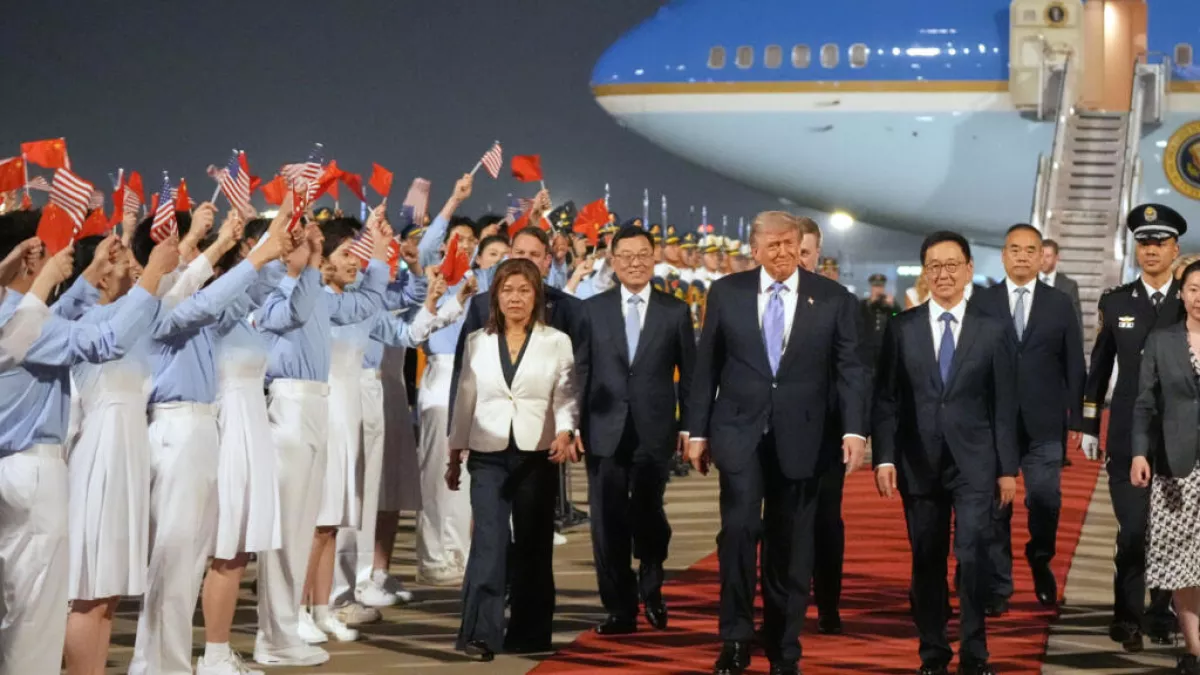
The special significance of this visit is underscored by the presence of a high-profile American delegation, which includes Elon Musk, Tim Cook, Jensen Huang, and Kelly Ortberg. According to analysts, this fact suggests that despite years of intense rivalry, the United States and China remain deeply interdependent actors, compelled to search for areas of convergence.
For Washington, the visit represents an opportunity to safeguard its strategic interests, reduce geopolitical risks in the Middle East and Asia, and establish clearer rules of engagement in the fields of high technology and security. For China, the meeting opens space for stabilising the foreign policy environment, protecting its positions in global markets, and easing sanctions pressure.
Foreign experts and political analysts on China shared their views about Trump’s visit and the meeting between the leaders of the two powers with Caliber.Az.

In particular, Kyrgyz political scientist, China studies expert, and Zhejiang University graduate Aibolot Aidosov believes that Trump’s visit and the planned trip of Russian President Vladimir Putin to China demonstrate Beijing’s growing role and importance.
“The military confrontation between the US–Israel bloc and Iran has caused enormous damage to both the US economy and the global economy, while also significantly shaping the international community’s perception of US actions and raising new questions about Washington’s policies. Against this backdrop, China—acting as a core force supporting Iran in its actions—has gained significant leverage and is now seeking to fully capitalise on this advantage. Meanwhile, the United States’ goal is to establish peace in the Middle East within its own vision and set of rules,” he said.
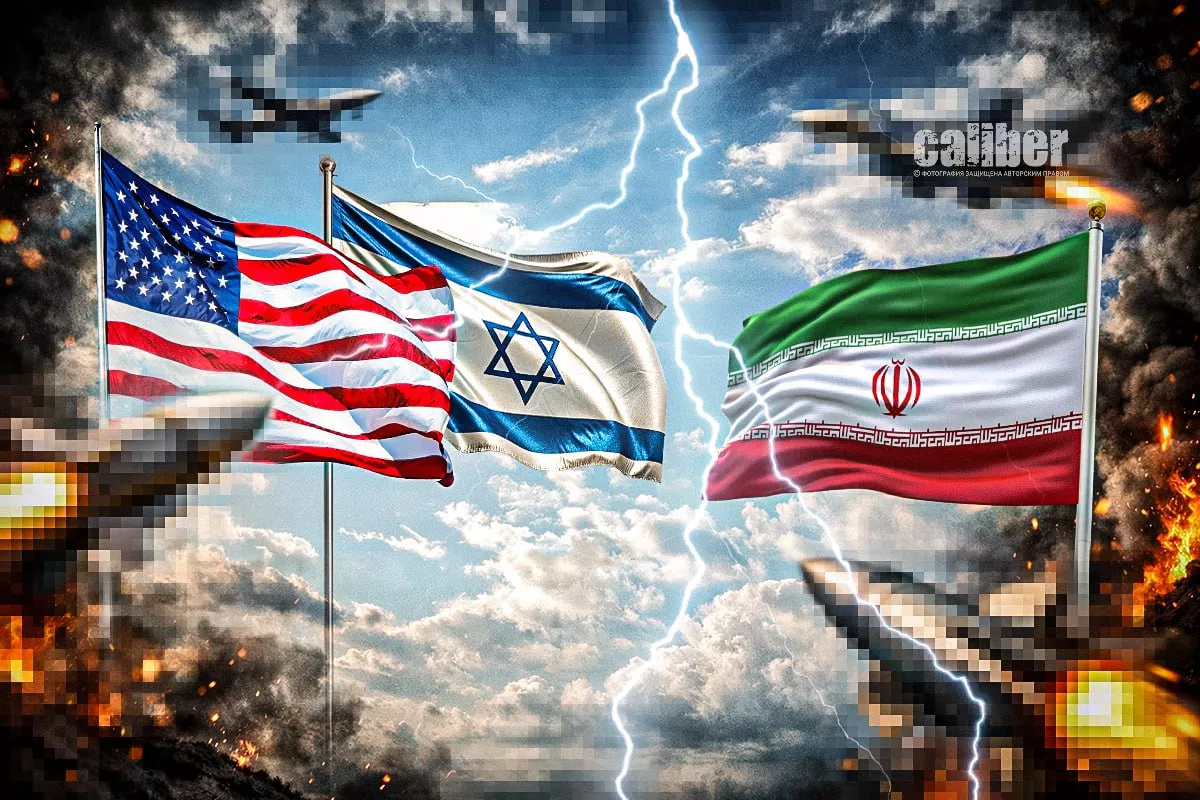
According to the political analyst, it was evident that the United States was prepared to make concessions—such as partially freezing the tariff war, suspending arms supplies to Taiwan, and turning a blind eye to semiconductor deliveries to China’s IT industry—in order to reach an agreement with Beijing on the Iranian issue.
“The statement made by the leaders of the two states demonstrates a readiness for negotiations that could, in the future, move forward issues that currently hinder productive cooperation between them. However, this intention has not yet been reflected in reality in the form of concessions or concrete actions. China has made relations with Taiwan the cornerstone of its position. In turn, the United States, seeking to declare its victory over Iran—which would allow it to exert pressure on Tehran—has failed to secure understanding from Beijing on this issue. Nevertheless, the atmosphere created on the sidelines of the talks through the leaders’ statements serves as a kind of message to the international community that no new conflicts on the world map, or escalation of existing military confrontations to a more dangerous level, should be expected,” said Aidossov.

In turn, Georgian political scientist, Doctor of Military and Political Sciences, professor, and China studies expert Vakhtang Maisaia believes that the fact that the U.S. president arrived in Beijing with a high-profile delegation—including heads of major megacorporations such as Elon Musk, Jensen Huang, Kelly Ortberg, and Tim Cook—suggests Trump’s first major objective was to bring American business back to China. And this, he argues, is not only about the economy, but also about a broader global redistribution of influence between the world’s leading powers.
“The second likely objective is to reach an understanding with Beijing on dividing spheres of influence and possibly shaping a new world order, but this time under the terms of two giants—the People’s Republic of China and the United States. The third objective was to ensure that all major acute issues currently existing between the two countries, including potential military conflicts involving the armed forces of China and the United States, are resolved. I believe these were the goals set by Trump. Chinese leader Xi Jinping most likely pursued similar objectives as well,” he said.
The expert also noted that Beijing undoubtedly had its own set of priorities, many of which are directly linked to economic security and regional stability. Particularly sensitive issues include trade, Taiwan, and energy supplies: “For China, it is important that obstacles to Chinese businesses and goods imposed by the United States on Trump’s initiative are removed. The second issue is the need to reach an agreement on the Taiwan question, and, of course, to address the matter of the Strait of Hormuz, since a large share of oil supplies to China comes through this maritime route.”
According to him, the public reaction of the leaders indicates that the negotiations were successful: “For example, Trump stated that the talks were ‘very successful’ and that the sides reached agreements on a number of very important issues. I believe that on all the dilemmas that existed between the United States and China, a consensus has effectively been reached,” the expert added.

He also believes that the current visit represents a necessary geopolitical breakthrough and may have direct implications for the Russia–Ukraine war, which was likely a separate important block of the negotiations: “I think this issue was discussed in detail, and as a result, China and the United States may begin applying soft pressure on Moscow to push Vladimir Putin to end the fighting in Ukraine. This is precisely why the Russian side appears noticeably irritated by these negotiations. This was already evident before Trump’s trip began, when Russian Foreign Minister Sergey Lavrov made a rather sharp and, I would say, embittered statement about the visit. I believe the Kremlin was aware of a possible informal or even formal alignment between China and the United States, which clearly does not correspond to Russia’s current geopolitical objectives.”
However, in his view, any agreements are only the beginning; far more important is how they will be implemented and who will attempt to obstruct them: “I think Moscow will try to respond quickly to the outcomes of the negotiations and adjust to the possible consequences. For example, the Kremlin may accelerate President Putin’s official visit to Beijing and attempt in some way to influence the implementation of the decisions reached by Trump and Xi. But the key point, in my opinion, is that there has already been a breakthrough, at least in the economic sphere.”
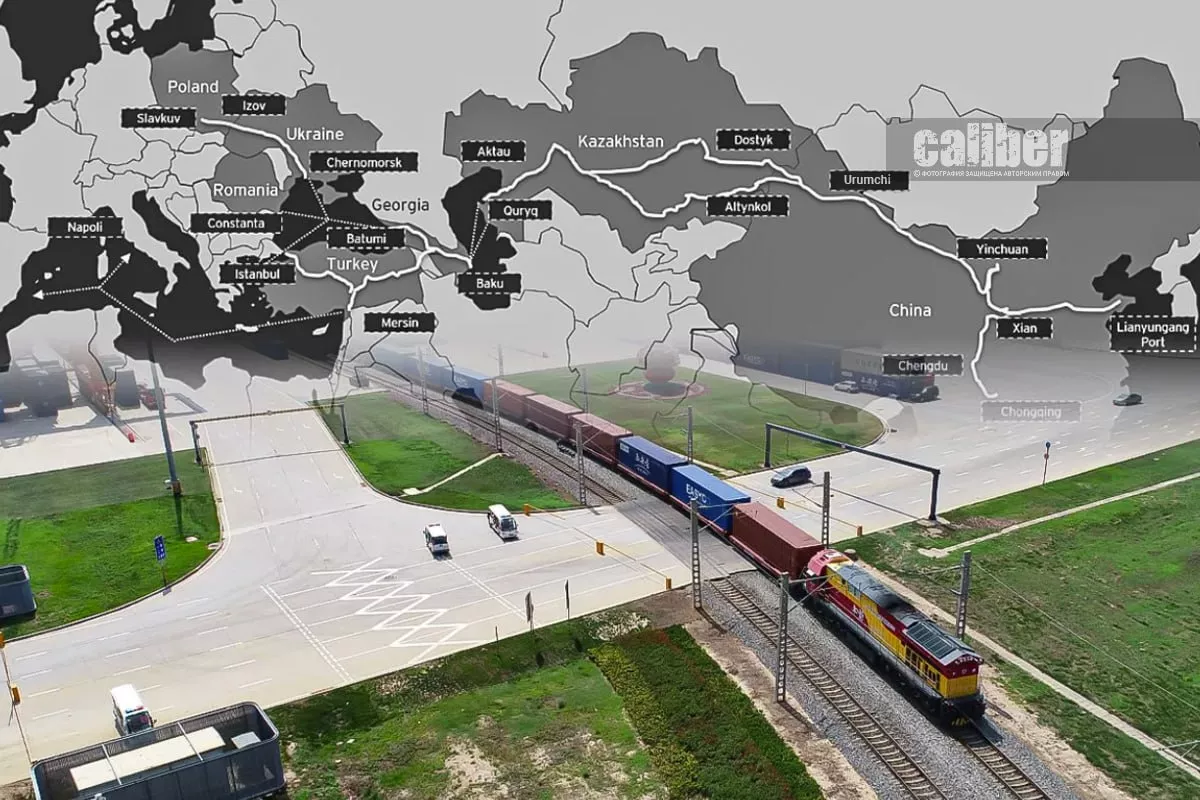
In conclusion, Maisaia noted that a key outcome may be the launch of major geoeconomic projects affecting, among others, the interests of South Caucasus and Central Asian countries, with the Middle Corridor gaining particular importance in this context.
“I believe that the issue of restoring American business interests in China has already been practically resolved. The main question now is how the two sides agreed to implement two major geoeconomic projects that directly affect the interests of Georgia, Azerbaijan, Kazakhstan, and Türkiye within the framework of the Middle Corridor. This concerns how Washington and Beijing will harmoniously pursue their geoeconomic interests within China’s Belt and Road Initiative and the TRIPP project. I think we will very soon see the real results of these agreements,” Maisaia concluded.







 editor@caliber.az
 +994 55 444-88-98
 Азербайджан, Баку, ул. Низами, 203, Af Business House, 5-й этаж